Austin 10 classic cars for sale
The Austin 10 is a compact saloon admired for its durability, practical engineering and clear lineage between the Austin Seven and the Twelve. As Austin’s best-selling model throughout the 1930s, it represents British motoring ingenuity of its era.
Search results
Currently, there are no matching listings for your search.
Create search alert
Let yourself be notified as soon as a listing is published that matches your search filters.
Create listing
Do you have a Austin 10 that you want to sell? Then create a listing now.
Create listingAustin 10 listing references from Classic Trader
Below you will find listings related to your search that are no longer available on Classic Trader. Use this information to gain insight into availability, value trends, and current pricing for a "Austin 10" to make a more informed purchasing decision.
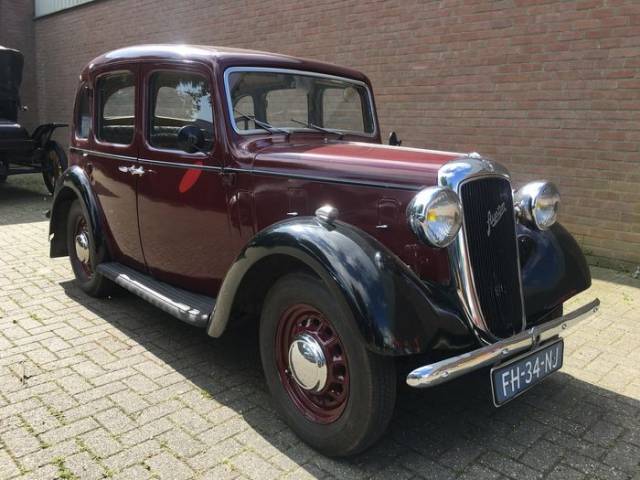
1938 | Austin 10 Cambridge

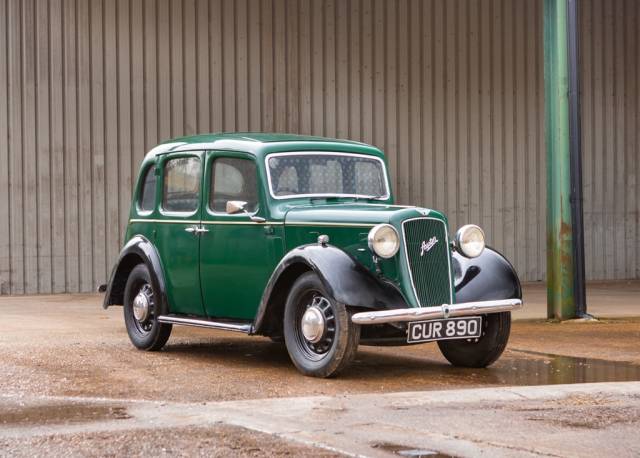
1937 | Austin 10 Cambridge
Austin 10 Cambridge

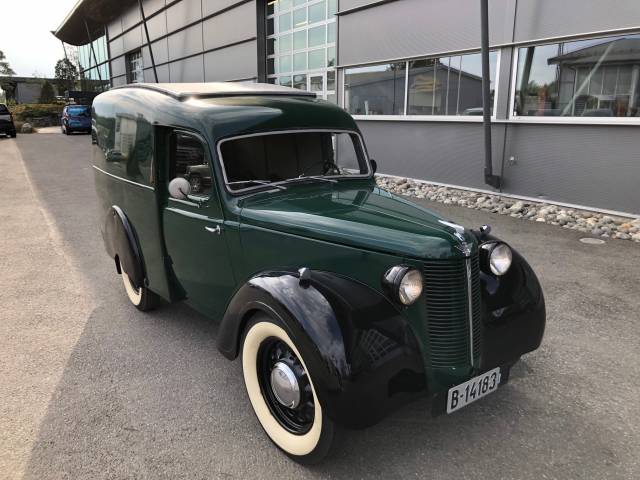
1947 | Austin 10
Ten Van - old Norwegian sales car for flowers.
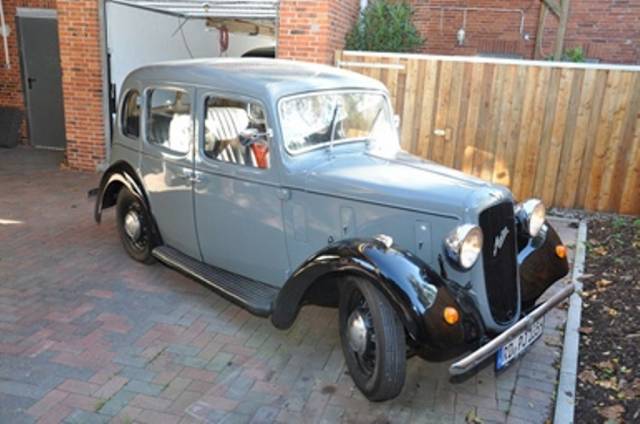
1937 | Austin 10 Cambridge
Sehr gepflegte Rarität!

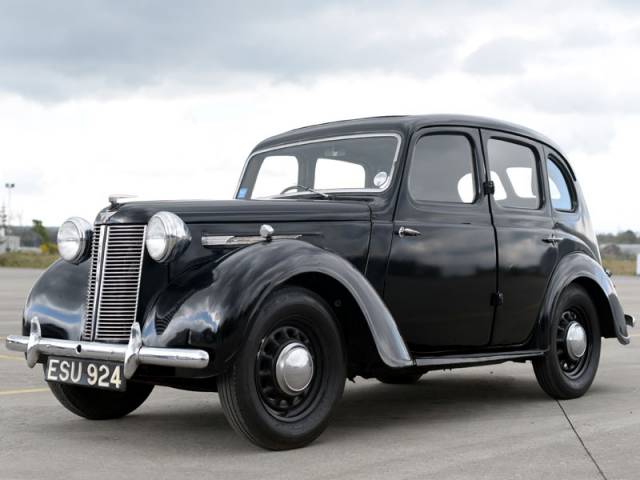
1946 | Austin 10
For Sale by Auction National Motorcycle Museum: 02.06 - Estimate 4000 - 5000 GBP
Create search alert
Let yourself be notified as soon as a listing is published that matches your search filters.
Create listing
Do you have a Austin 10 that you want to sell? Then create a listing now.
Create listingAustin 10 Classic Cars: Prices & Market Values
History of the Austin 10
The Austin 10 was presented to the public on 19 April 1932 as a response to the demands for a reliable and practical mid-sized car. Positioned between the smaller Austin Seven and the larger Austin Twelve, the Ten became a cornerstone of pre-war British motoring. It quickly gained popularity and, thanks to successive technical and design updates, remained in production until 1947. Notably, it stood out as Austin's best-selling car of the 1930s, cementing its status through the years of the Great Depression and beyond.
Model history
The lineage of the Austin 10 is defined by careful evolution. The original model launched in 1932 was soon joined by updated variants: The Lichfield saloon appeared with upgraded equipment, and the Cambridge saloon introduced a more streamlined bodywork from December 1936. Mechanical and stylistic refinements followed; for example, friction shock absorbers replaced by hydraulic units in 1935, and from 1939 onwards, models displayed a more modern, Burzi-designed silhouette and advanced features. Predecessors included the utilitarian Austin Seven, and following the post-war period, the Austin A40 succeeded the 10 in Austin’s lineup.
Highlights and unique features of the Austin 10
Among its innovations, the Austin 10 introduced many technical improvements over its production run. Noteworthy details included Girling brakes with automatic equalisation, 16-inch steel wheels updating the former 18-inch design, and an aluminium cylinder head for better compression and performance. The streamlined Cambridge model and large-window Sherborne variant offered buyers a variety of body styles and greater cabin comfort. The improved 32 bhp engine in later years raised the top speed to 60 mph (97 km/h), a respectable figure for its time.
Technical Data
Special Editions and Collectible Models
Several body variants of the Austin 10 became highly recognisable, notably the Lichfield saloon, the streamlined Cambridge saloon, the Conway cabriolet, and the Sherborne with its six side windows. Each variant reflects important stylistic or functional milestones, with the Cambridge and Conway models exemplifying the move toward more modern, aerodynamic forms in the late 1930s.
Weak Spots and Common Issues
Due to the robust yet simple design, the Austin 10’s major areas to monitor centre on wear items typical of pre-war vehicles. Potential buyers should pay particular attention to the condition of the hydraulic dampers, brake system, and the electrical wiring, all of which see increased strain due to the age of the vehicles. Aluminium cylinder heads can be prone to corrosion or warping if cooling systems have not been well maintained. Door hinges and catches, especially suicide front doors, should be checked for wear or misalignment.
Engine, Transmission and Handling
Early Austin 10s offered a straightforward driving experience characteristic of British cars from the 1930s, with subsequent models benefitting from a substantial evolution in ride comfort, road holding, and engine responsiveness. By the end of its production, the Ten could offer 32 bhp and a top speed of nearly 100 km/h, a result of lighter aluminium cylinder heads and improved carburation. The adoption of hydraulic suspension elements transformed the ride quality, making the late Thirties and Forties models especially competent for their era. The Cambridge Saloon stood out for its modern styling, while the Conway cabriolet provided open-top motoring with improved dynamics. The Sherborne added extra light and space with its six-window configuration, and the Lichfield established a benchmark for equipment levels and comfort.
Interior, Comfort, Exterior and Design
Austin Ten’s exterior underwent significant changes during its lifecycle. The early upright grille gave way to a painted, raked grille in 1934, while the late-model Cambridge and Sherborne presented a more streamlined silhouette. Notable design features include rear-hinged (‘suicide’) front doors and distinctive steel wheels. Interiors were updated with improved seating, better sound insulation, and details such as wooden dashboards. Accessories offered included optional sunroofs, upgraded upholstery, and modern instrumentation for the period.
Other features
Dick Burzi, a designer who joined Austin from Lancia in 1929, was instrumental in the modernisation of the Austin 10’s visual identity. His input is apparent especially in the 1939 model, which marked the culmination of design and technical progress for the series.
Summary
The Austin 10’s status as the most widely sold Austin in the pre-war period is a testament to its practical engineering, progressive updates, and adaptable design. From the Lichfield to the Cambridge and Sherborne, each version showcases unique characteristics and continual mechanical improvement, making the 10 a compelling and relevant piece of British automotive history.