Alvis TC 108G classic cars for sale
The Alvis TC 108G, built between 1956 and 1958, epitomises British craftsmanship with Swiss design flair. Famed for its limited production and Graber coachwork, this distinctive model stands apart from both its contemporaries and other Alvis offerings. Its rarity and the fusion of engineering and style make it a classic connoisseur's choice.
Search results
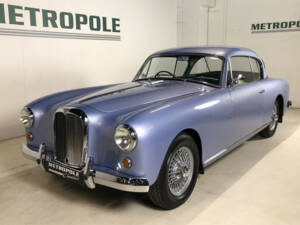
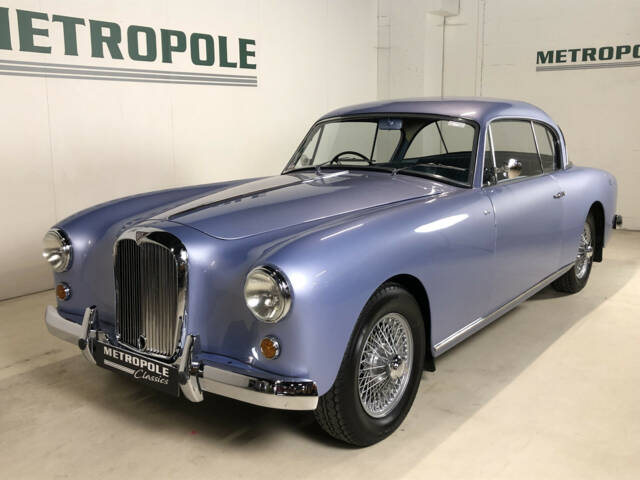
1957 | Alvis TC 108G
Alvis TC 108 Graber M0929

Alvis TC 108G listing references from Classic Trader
Below you will find listings related to your search that are no longer available on Classic Trader. Use this information to gain insight into availability, value trends, and current pricing for a "Alvis TC 108G" to make a more informed purchasing decision.
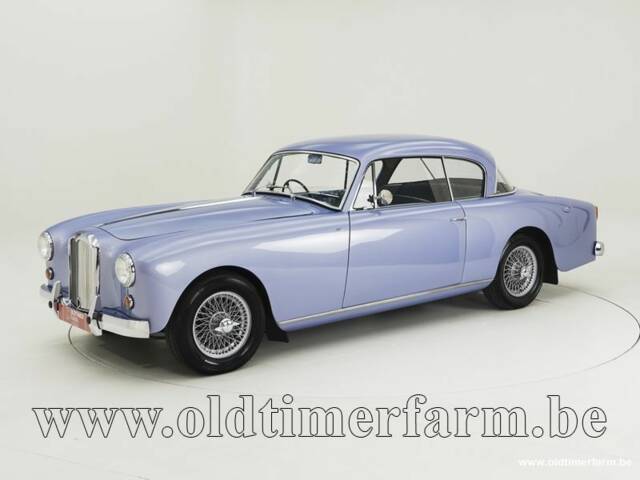
1957 | Alvis TC 108G
1957 Alvis TC 108 Graber Willowbrook Body '57

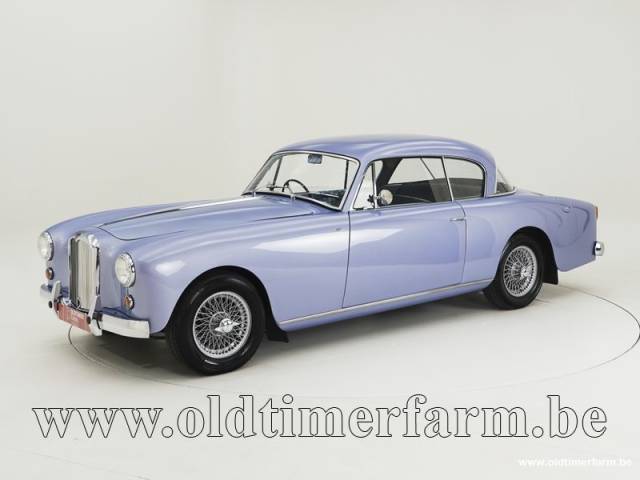
1957 | Alvis TC 108G
1957 Alvis TC 108 Graber Willowbrook Body '57
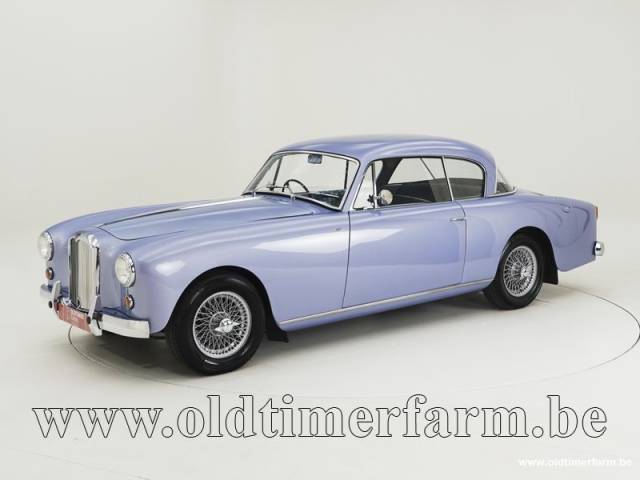
1957 | Alvis TC 108G
1957 Alvis TC 108 Graber Willowbrook Body '57
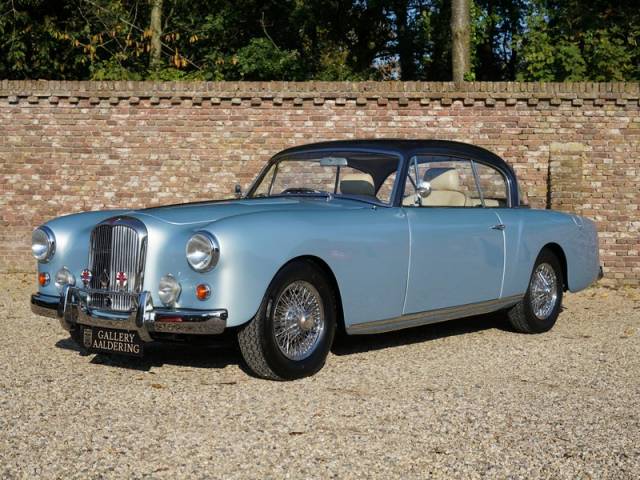
1955 | Alvis TC 108G
Alvis TC 108/G Graber Willowbrook body only 16 made, sunroof, airco, ZF 5-speed
Alvis TC 108G Classic Cars: Prices & Market Values
History of the Alvis TC 108G
The Alvis TC 108G marked a departure from previous Alvis traditions, debuting in 1956 as a response to demands for a more modern, stylish grand tourer. While earlier Alvis models featured traditional British coachwork, the TC 108G wore sleek, contemporary lines thanks to Swiss coachbuilder Graber. The collaboration resulted from Alvis's pursuit of innovative design, and Graber's body for the preceding TC21 had already impressed with its advanced styling. The resulting TC 108G seamlessly combined British engineering reliability with European design sophistication, offering a fresh approach in a market dominated by conservative silhouettes.
Model History of the TC 108G
Preceding the TC 108G was the TC21 series, which had seen Graber's influence in limited numbers. The leap to the TC 108G signified a more committed partnership between Alvis and Graber, with most TC 108Gs featuring the Swiss firm's flowing bodywork. After 1958, the model was succeeded by further Graber-influenced designs, solidifying a new design philosophy at Alvis that shaped the cars that followed.
Unique Features and Highlights of the Alvis TC 108G
The most striking feature of the Alvis TC 108G is its coachbuilt body by Carrosserie Graber. This contributed to a distinctly continental appearance, quite rare among British cars of its period. The bodywork is characterised by clean lines, a low roofline, and restrained chrome detailing, providing understated elegance. Each car was essentially bespoke, with many detail differences based on customer request.
Technical Data of the Alvis TC 108G
Special Editions and Collectible Models
Due to the bespoke nature of Graber’s coachwork, each TC 108G is a unique proposition. Some vehicles feature custom interiors or tailored equipment as specified by their original owners, further enhancing their individuality. However, official factory special editions beyond the Graber-bodied cars are not documented.
Weak Spots and Common Issues
While no model-specific issues are documented in the provided sources, as with many coachbuilt vehicles from the period, prospective buyers should pay attention to potential rust issues in the handcrafted bodywork, and ensure that mechanical components have been maintained according to heritage marque standards. Body panels and trim are bespoke and may be difficult to source, which is typical for low-volume coachbuilt classics.
Engine, Performance, Transmission and Handling
The Alvis TC 108G is known for its refined straight-six engine, which offers smooth acceleration and adequate power for grand touring. The car's manual transmission delivers a direct driving experience, aligning with the expectations of 1950s luxury sports cars. Suspension and chassis developments introduced for this model provided improved ride comfort and handling compared to earlier Alvis vehicles. The Graber body also reduced weight, enhancing overall agility. The pure focus on the TC 108G model means that this iteration carries all demand and supply for the period, reaffirming its status as the sole and definitive model for performance enthusiasts seeking this era of Alvis motoring.
Interior, Comfort, Exterior and Design
Graber’s design imprint is evident in every aspect of the TC 108G, with interior layouts tailored to customer preferences, luxurious materials, and unique dashboard arrangements. Externally, the car boasts a European-inspired silhouette, with shorter overhangs, gentle tailfins, and subtle chrome accents. Special colours and upholstery, based on original buyer requirements, are typical. The attention to detail in the finish sets these vehicles apart from mass-produced contemporaries.
Other features
Beyond its design and engineering, the TC 108G symbolises a rare British-Swiss collaboration, combining the best elements from both traditions. The car's rarity, with only very few built, makes it a distinctive highlight at any historic vehicle gathering.
Summary
The Alvis TC 108G stands as a testament to mid-century automotive collaboration and innovation, merging Swiss design and British engineering with bespoke craftsmanship. Its unique market position, exceptional design, and historic significance ensure enduring interest among classic motoring enthusiasts looking for distinction and heritage in a traditional grand tourer.