Alvis Firefly classic cars for sale
Produced from 1932 to 1934, the Alvis Firefly stands as a rare upper mid-range British car offered as roadster, saloon, tourer, and cabriolet. With its sporting design, precise 1.5-litre four-cylinder engine and elegant right-hand-drive coachwork, only 800 were built – roughly 30 remain today.
Search results
Currently, there are no matching listings for your search.
Create search alert
Let yourself be notified as soon as a listing is published that matches your search filters.
Create listing
Do you have a Alvis Firefly that you want to sell? Then create a listing now.
Create listingAlvis Firefly listing references from Classic Trader
Below you will find listings related to your search that are no longer available on Classic Trader. Use this information to gain insight into availability, value trends, and current pricing for a "Alvis Firefly" to make a more informed purchasing decision.
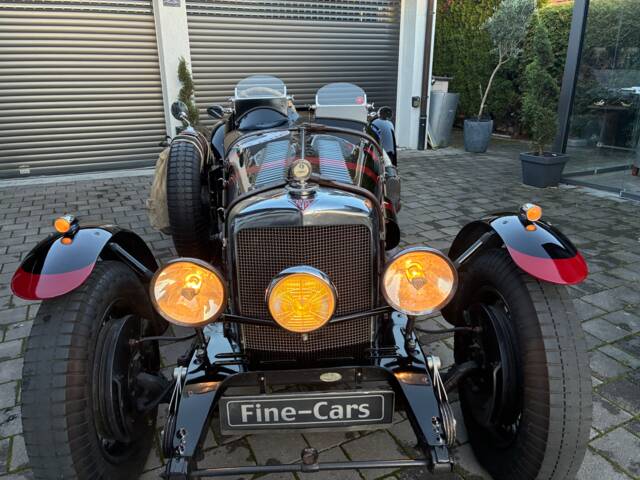
1932 | Alvis Firefly Sport Special
Alvis Firefly Sport Special 1936 H-Zulassung, FIA-Pass

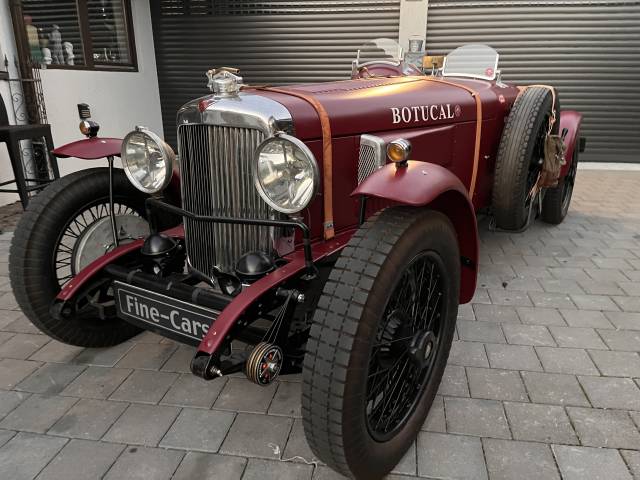
1932 | Alvis Firefly Special
Alvis Sport Special Firefly Speed 20 SC Motor 1932 H-Zulassung
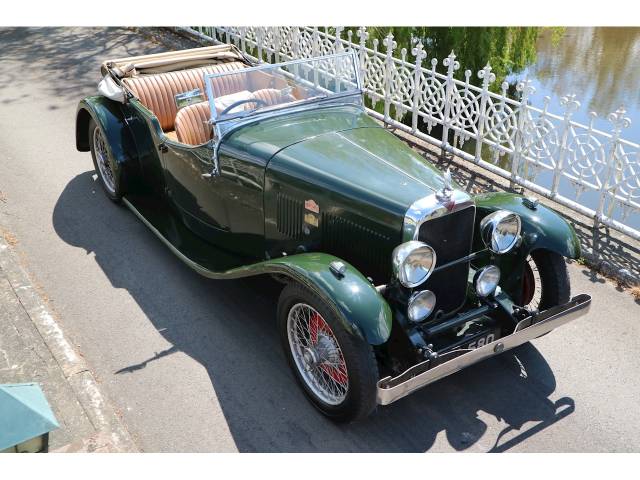
1934 | Alvis Firefly SB

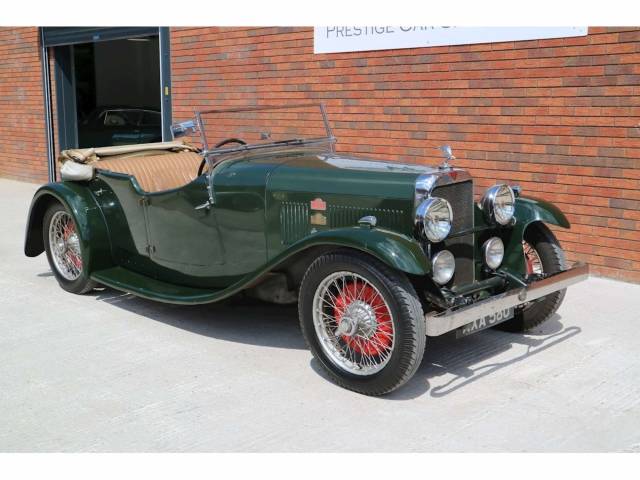
1933 | Alvis Firefly SB
1933 Alvis Firefly
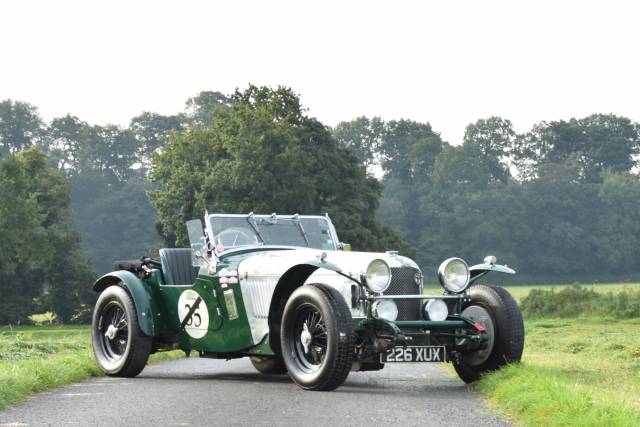
1932 | Alvis Firefly SB
Seriously quick road eater
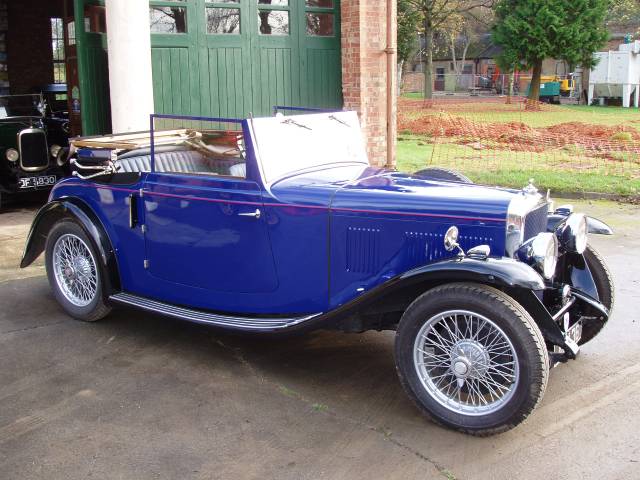
1933 | Alvis Firefly SB
Drop-head coupe
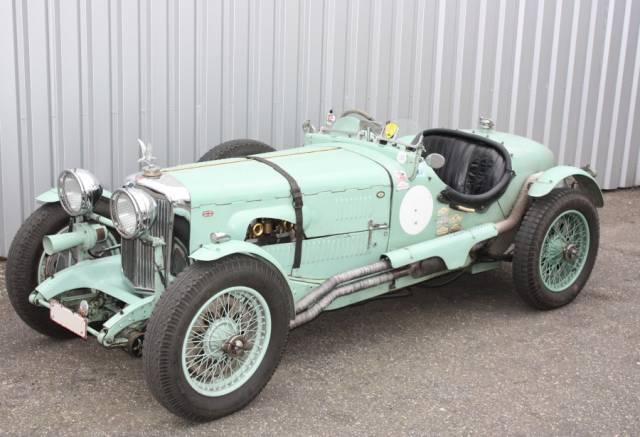
1934 | Alvis Firefly SB
Engine fully rebuild 2010

Create search alert
Let yourself be notified as soon as a listing is published that matches your search filters.
Create listing
Do you have a Alvis Firefly that you want to sell? Then create a listing now.
Create listingAlvis Firefly Classic Cars: Prices & Market Values
History of the Alvis Firefly
The Alvis Firefly emerged in 1932 as the first Alvis without a double-digit model designation. Building on the respected engineering background of the Coventry-based Alvis Car and Engineering Company, the Firefly replaced the 12/50 TJ and brought a new sense of style to the 1.5-litre segment. Initially introduced as a roadster, the range was soon expanded with the Firefly 12 saloon, tourer and two-door cabriolet in 1933. All models featured right-hand drive, reflecting their British heritage. Production ceased in 1934, replaced by the Alvis Firebird, with just under 1800 Firefly models produced across all variants. The Alvis brand, with roots stretching back to 1919, would later fall under the ownership of Rover, then Rolls-Royce, and ultimately BAE Systems.
Model History and Development
Preceded by the successful Alvis 12/50 TJ, the Firefly shared many mechanical components with its predecessors, including its robust 1.5-litre OHV engine – a direct development of those used in the 12/50 TH and SD models. In 1934, the Firefly was succeeded by the Firebird, moving Alvis further upmarket. Over its short production, the Firefly established a bridge between the traditional Alvis double-numbered nomenclature and newer, more modern model names.
Highlights and Unique Features
The Firefly was Alvis’s first series model to break with double-digit naming, signalling the company’s move toward a new era. Particularly notable is its original silver hare radiator mascot, replaced later by a silver eagle. The car’s sporting chassis and advanced OHV engine, offering up to 50 hp, made it quick for its time, reaching top speeds up to 120 km/h, depending on bodywork. Its manual four-speed transmission and 1,496 cc capacity positioned it in the sought-after 1.5-litre class of the era. Rarity is a key feature: only around 30 examples are estimated to survive globally today.
Technical Data
Special Editions and Collectible Models
The Alvis Firefly line did not produce official limited editions, but early Fireflys with the original hare radiator mascot are especially sought after by collectors. The shift to the eagle mascot in later builds adds a subtle layer of collectibility. The 'Firefly Twelve' variations, including the four-door tourer and two-door cabriolet, broadened the range and appeal among enthusiasts.
Weak Spots and Common Issues
No known factory-specific weak spots have been documented for the Firefly. Due to the age of surviving examples, careful attention should be paid to engine and gearbox wear, as well as to corrosion in the chassis and body. Original parts like radiator mascots or period carburettors are rare and costly to replace. Buyers should thoroughly inspect leaf spring suspension and braking systems for age-related fatigue.
Engine and Performance, Transmission and Handling
With its 1.5-litre OHV four-cylinder engine and 50 bhp, the Firefly was capable of 120 km/h when new, delivering lively performance for its class. Its manual 4-speed transmission enabled confident driving engagement, and the solid axles on semi-elliptical leaf springs, while conservative by later standards, provided typical 1930s road manners: stable but requiring measured steering and braking input. The chassis’s sporting set-up gave the roadster versions, in particular, a rapid, nimble feel. Among the range, the Firefly 12 saloon and two-door cabriolet stand out for their chassis refinements and expanded bodywork choices.
Interior, Comfort, Exterior and Design
The Firefly’s design reflects early 1930s English luxury. Bodies were typically crafted by coachbuilders with options ranging from tourer to roadster, often finished in elegant two-tone colour schemes. Interiors featured natural leather upholstery, polished timber dashboard inserts, and detail elements such as period gauges and controls. Early cars’ silver hare mascot and later eagle radiator figure provide distinguishing external cues. Some models were fitted with optional wire wheels, rear trunk racks, and occasional extra spot lamps, further underlining their sophisticated design ethos.
Other Noteworthy Features
English-market Fireflys are distinguished by right-hand drive and fine period detail. Surviving examples often come with original documentation, and period literature such as the “Alvis Firefly Twelve” book increases historical interest. A small number are still eligible and used in vintage car rallies and hill-climbs due to their robust engineering.
Summary
The Alvis Firefly, built between 1932 and 1934, is a rare British classic known for its refined 1.5-litre engine, distinctive coachwork options, and innovative break from Alvis’s traditional naming pattern. With only 30 estimated survivors and comprehensive documentation available, it represents an intriguing piece of early-1930s motoring heritage for discerning collectors.