Alvis Crested Eagle classic car for sale
The Alvis Crested Eagle is a hallmark of pre-war British engineering, produced in limited numbers between 1933 and 1940. With just 602 units made, each Crested Eagle reflects a unique era of innovation in the luxury segment. Designed for distinguished touring with a range of elegant body styles, these vehicles embody the spirit of 1930s motoring and continue to attract dedicated enthusiasts today.
Search results
Currently, there are no matching listings for your search.
Create search alert
Let yourself be notified as soon as a listing is published that matches your search filters.
Create listing
Do you have a Alvis Crested Eagle that you want to sell? Then create a listing now.
Create listingAlvis Crested Eagle listing references from Classic Trader
Below you will find listings related to your search that are no longer available on Classic Trader. Use this information to gain insight into availability, value trends, and current pricing for a "Alvis Crested Eagle" to make a more informed purchasing decision.
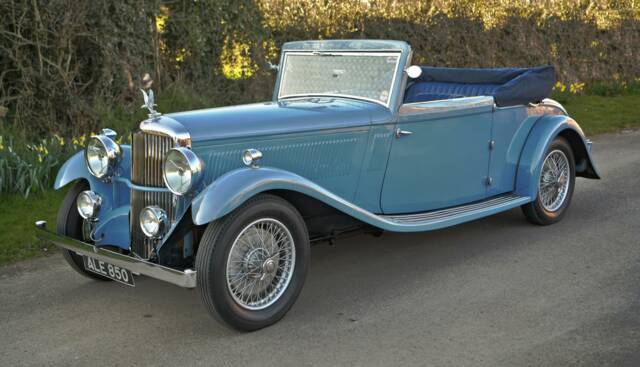
1933 | Alvis Crested Eagle TD
Create search alert
Let yourself be notified as soon as a listing is published that matches your search filters.
Create listing
Do you have a Alvis Crested Eagle that you want to sell? Then create a listing now.
Create listingAlvis Crested Eagle Classic Cars: Prices & Market Values
History of the Alvis Crested Eagle
Alvis launched the Crested Eagle series in 1933, positioning it firmly within the upper echelons of British motoring. Serving as the flagship model through the late 1930s, the Crested Eagle marked Alvis’s commitment to craftsmanship and luxury. Alvis offered customers bespoke personalization, allowing renowned coachbuilders to produce bodies tailored to each owner's requirements. Its production, in relatively small numbers totalling 602 vehicles, spanned key years of automotive innovation before World War II interrupted car development. This attention to both luxury and reliability established the Crested Eagle as a favourite among discerning motorists of its day.
Model History
The Crested Eagle succeeded earlier Alvis six-cylinder models and represents the culmination of pre-war Alvis engineering sophistication. Built from 1933 to 1940, chassis designations included TA through TF, as well as TJ and TK. With war looming, the Crested Eagle marked the last of Alvis’s fully bespoke, coachbuilt large luxury saloons. No direct successor was introduced post-war, as Alvis's post-1945 models adopted more modern unibody designs and technical configurations.
Highlights of the Alvis Crested Eagle
The Alvis Crested Eagle stands out for its blend of technical advancement and custom coachwork. Each car was delivered as a rolling chassis to a chosen coachbuilder, resulting in highly individual bodies—ranging from saloons to drophead coupés. Innovations such as independent front suspension and servo-assisted brakes offered a driving experience ahead of its time for the 1930s. The highest production figure was just 602 vehicles, highlighting the exclusivity and personalisation of each unit.
Technical Data
Special Editions and Collectible Models
Every Crested Eagle can be considered unique due to the coachbuild process. However, certain bodies from renowned builders such as Charlesworth, Vanden Plas, or Cross & Ellis are particularly sought after for their distinctive craftsmanship and rare features. Open tourers and drophead coupés by specialist builders generally enjoy heightened interest among collectors.
Weak Spots and Common Issues
Due to the bespoke nature and the hand-built character, sourcing body-specific components can be challenging. Mechanical parts availability is helped by dedicated clubs, but age-related wear—especially in wooden body frames, hydraulic brake systems, or wiring looms—requires careful inspection. Preservation of original features is often seen as essential by knowledgeable collectors.
Engine, Transmission and Handling
Typically fitted with robust six-cylinder engines, the Crested Eagle delivers smooth, relaxed performance tailored for luxury touring. The advanced independent front suspension offered significant improvement in ride quality over many rivals. Gearboxes were mostly synchromesh and praised for their mechanical integrity. The car's handling, while dignified and comfort-focused, benefitted from Alvis’s engineering precision. - Crested Eagle TA/TF saloons: popular for four-light coachwork
- TJ and TK chassis drophead coupés: appreciated for rarer body styles and open-air motoring experience
- Bespoke examples by Charlesworth and Vanden Plas: highlighted for their luxury appointments and individuality
Interior, Comfort, Exterior and Design
Crested Eagles feature handmade dashboards with richly grained wood, leather upholstery and wool carpets, often specified to the original buyer's taste. Certified coachbuilders provided options like sunroofs, privacy glass, or adjustable rear seats. External design ranged from formal saloons to elegant drophead coupés; paintwork and trim reflected the luxury aspirations of both manufacturer and owner. Common features include period-correct running boards, wire wheels, and large headlamps—aesthetics instantly recognisable among 1930s British luxury vehicles. Accessories such as integrated luggage racks, spare wheel covers and bespoke picnic compartments further increased appeal.
Other Relevant Features
Owners often join active marque clubs for support with maintenance, restoration and parts sourcing. The Alvis Owner Club archives factory records, assisting with the preservation of provenance and originality. Vehicle values tend to reward authenticity, especially with full documentation of coachbuilder and chassis history.
Summary
The Alvis Crested Eagle combines tailored luxury, advanced engineering and the craftsmanship of pre-war British motoring. Each example, with its unique coachbuilt body, is a reflection of 1930s automotive prestige. Rarity, technical distinction and a vibrant community of enthusiasts ensure the Crested Eagle remains a significant reference point in the history of classic British cars.