Abarth Simca 1150 classic cars for sale
The Abarth Simca 1150 stands for a unique blend of Italian racing spirit and French engineering from the 1960s. Developed through the collaboration of Abarth and Simca, this model was engineered with performance enhancements and distinctive styling, making it an intriguing proposition for collectors and fans of rare cars.
Search results
Currently, there are no matching listings for your search.
Create search alert
Let yourself be notified as soon as a listing is published that matches your search filters.
Create listing
Do you have a Abarth Simca 1150 that you want to sell? Then create a listing now.
Create listingAbarth Simca 1150 listing references from Classic Trader
Below you will find listings related to your search that are no longer available on Classic Trader. Use this information to gain insight into availability, value trends, and current pricing for a "Abarth Simca 1150" to make a more informed purchasing decision.
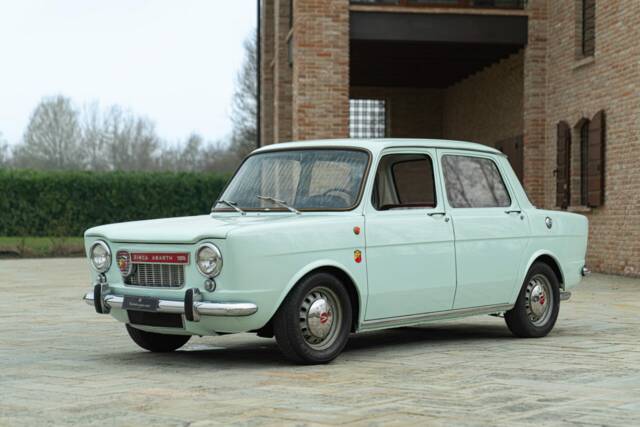
1963 | Abarth Simca 1150
Simca ABARTH 1150 SS
Create search alert
Let yourself be notified as soon as a listing is published that matches your search filters.
Create listing
Do you have a Abarth Simca 1150 that you want to sell? Then create a listing now.
Create listingAbarth Simca 1150 Classic Cars: Prices & Market Values
History of the Abarth Simca 1150
The Abarth Simca 1150 emerged in the early 1960s as a result of an ambitious partnership between Karl Abarth and Simca. Driven by the desire to inject racing DNA into everyday vehicles, Abarth started modifying Simca’s base chassis, transforming standard compact cars into competitive machines suitable for the circuit. The Simca 1000 served as the foundation for the 1150, but received extensive modifications, most notably in the engine compartment and suspension, which were tailored for improved performance and reliability under strenuous conditions.
Model history of the Abarth Simca 1150
Built upon the Simca 1000 platform, the Simca 1150 was part of Abarth’s broader initiative to build street homologation specials aligned with motorsport regulations. Earlier models, such as the Abarth Simca 1300, marked Abarth’s initial foray into French-Italian hybrid engineering. The 1150 distinguished itself through a downsized engine, making it eligible for different racing categories. The evolution of the Simca-Abarth cooperation eventually resulted in larger engine displacements and more powerful derivatives, with the Simca-Abarth 1300 and 2000 models following as more powerful siblings.
Highlights of the Abarth Simca 1150
What makes the Abarth Simca 1150 remarkable is the successful integration of tuned Italian engine technology into a compact French chassis. The car was celebrated for its light weight, agile suspension, and the precision found in every technical upgrade. With a bespoke Abarth engine delivering significantly greater power than the standard Simca 1000, this car was a force in touring car competition. Its streamlined bodywork and well-proportioned layout contributed both to its dynamic capabilities and to its distinct visual identity.
Technical Data
Special Editions and Collectible Models
The Abarth Simca 1150 exists in small numbers, often seen with subtle differences due to race homologation requirements and evolving regulations. Some versions featured lightweight bodywork, unique badging, and bespoke alloy wheels specific to Abarth’s racing endeavours. Certain chassis may have direct provenance from endurance or hillclimb competitions, further enhancing collectability.
Weak Spots and Common Issues
Due to its bespoke racing components, sourcing authentic Abarth mechanical parts for the Simca 1150 can be a challenge. Modern owners should pay special attention to the engine’s state of tuning and originality, as well as the unique suspension setup which may have suffered from years of track or spirited road use. Corrosion in the Simca 1000-derived chassis, particularly around the rear subframe, is another aspect to inspect closely.
Engine, Performance, Transmission and Handling
The rear-mounted 1.1-litre engine in the Simca 1150 delivers a distinctly aggressive soundtrack and peppy response, especially as the revs climb. Abarth’s modifications realigned the car’s character from sedate city runabout to a lightweight sports competitor, with precise steering and responsive brake feel aiding confident cornering. The upgraded gearbox ratios ensure brisk acceleration and strong performance within its displacement category. Noteworthy is the rarity of original, well-maintained Abarth Simca 1150s. When available, factory-documented examples with period racing history stand out for their completeness and technical authenticity.
Interior, Comfort, Exterior and Design
Giovanni Michelotti left his mark on the Simca 1000, the base for the Abarth Simca 1150. Abarth’s touch delivers an even sportier silhouette with flared wheel arches and air intakes underscoring its competition credentials. The interior is trimmed for function: bucket seats, a distinctive Abarth steering wheel, additional gauges for oil pressure and temperature, and the absence of creature comforts testify to its focus on performance. Special editions may feature racing harnesses or motorsport-inspired liveries. Accessories from the era, such as lightweight magnesium wheels or quick-release steering wheels, further reflect the car’s motorsport heritage.
Other Features
Rare period documentation and factory race records can accompany surviving examples. Originality, especially regarding Abarth’s specific modifications and engine build, is a significant factor in the vehicle’s assessment.
Summary of the Abarth Simca 1150
The Abarth Simca 1150 is an outstanding representative of cross-border automotive engineering, combining the reliability of the French Simca 1000 with the performance-oriented vision of Abarth. Its status as a sought-after classic is underpinned by its rarity, motorsport pedigree and the technical sophistication Abarth invested in its development.