- Car
- Volkswagen
- Volkswagen Transporter (70 offers)
Volkswagen Transporter classic cars for sale
The Volkswagen Transporter has redefined the concept of the utility van since 1950. With distinctive generations like T1, T2, and T3, its adaptability and technical development continue to fascinate classic car enthusiasts, from versatile commercial builds to sought-after camper vans.
Search results
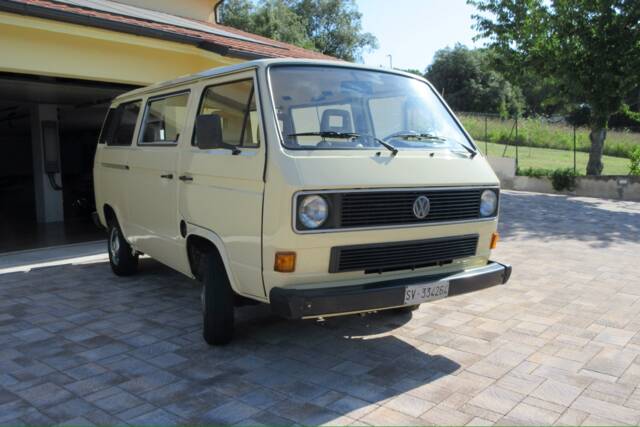

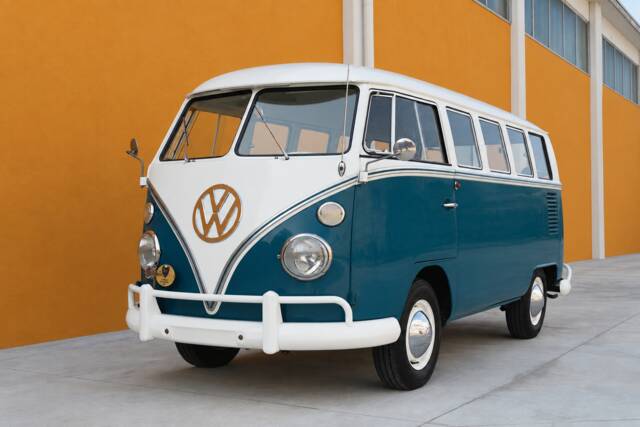
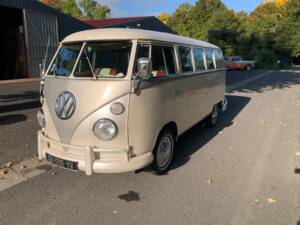
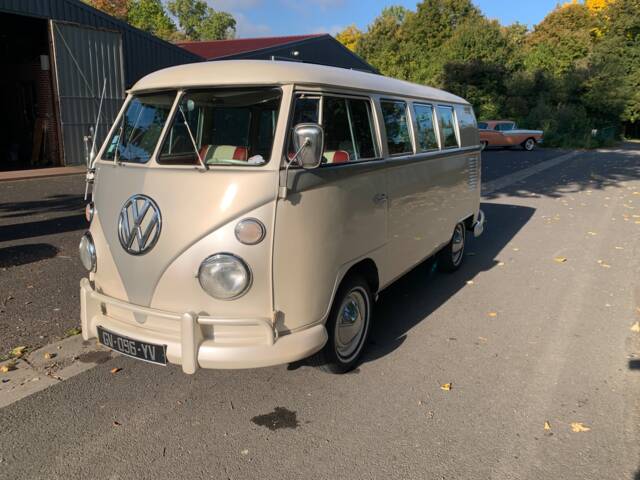
1966 | Volkswagen T1 minibus
T1 Deluxe · 9 seats · ASI Targa Oro · Original interior · Italian registration
Auctions ending soon

Loading…
Loading…
Loading…
Loading…

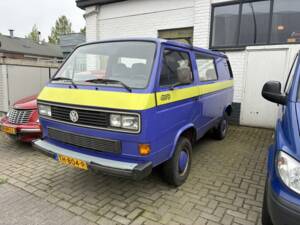
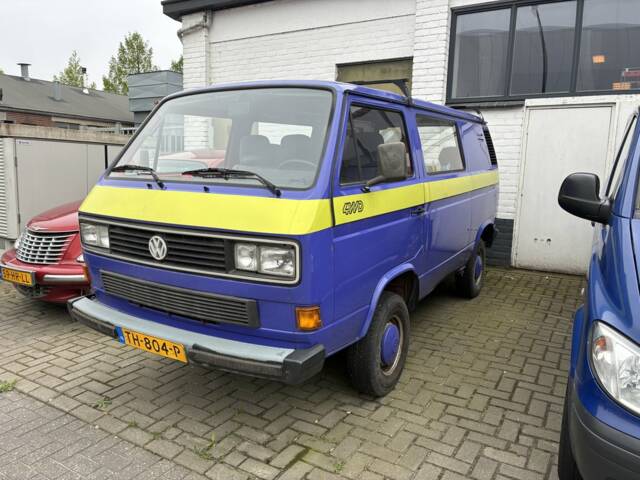
1990 | Volkswagen T3 Multivan 2.1 Syncro
Volkswagen Transporter T3 Syncro | 1990 | Route 66 Auctions - For sale by auction. Estimate 7200 EUR

Newsletter
The best Volkswagen listings, straight to your inbox
Get hand-picked Volkswagen listings, plus the best of cars, motorbikes, and auctions on Classic Trader — all in one place.
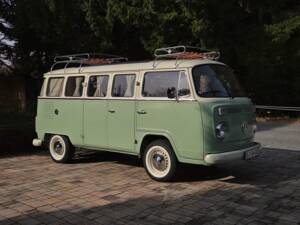
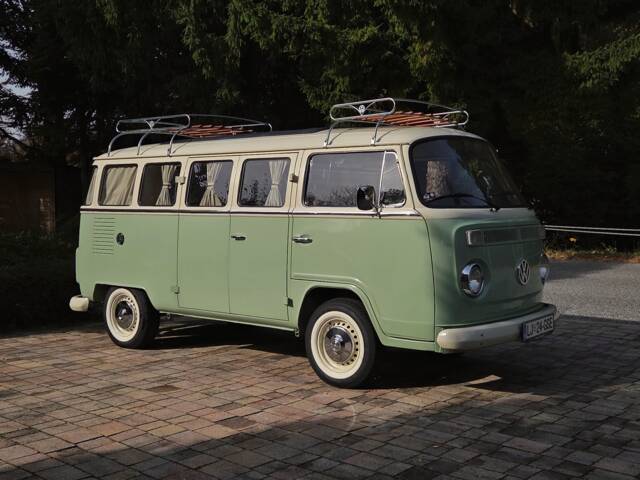
1982 | Volkswagen T2 Brasil Camper
Excellently restored T2 Camper Brasil.
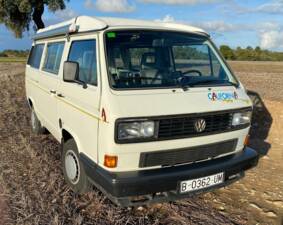
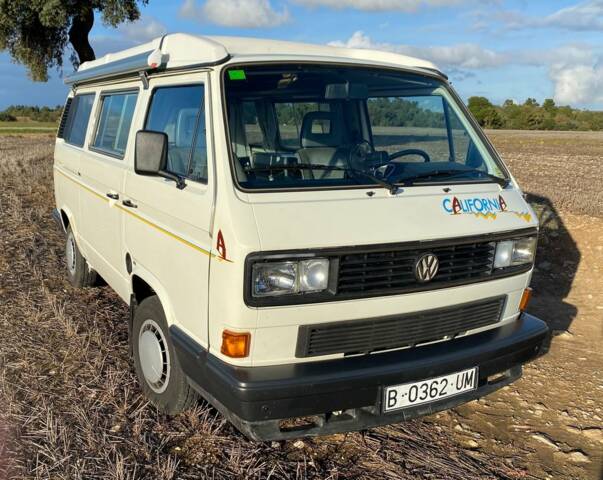
1990 | Volkswagen T3 California 1.6 TD
Volkswagen T3 California | 1990 | Route 66 Auctions - For sale by auction. Estimate 9000 EUR
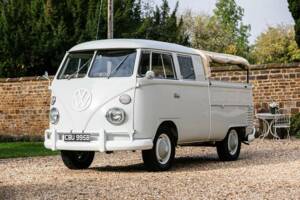
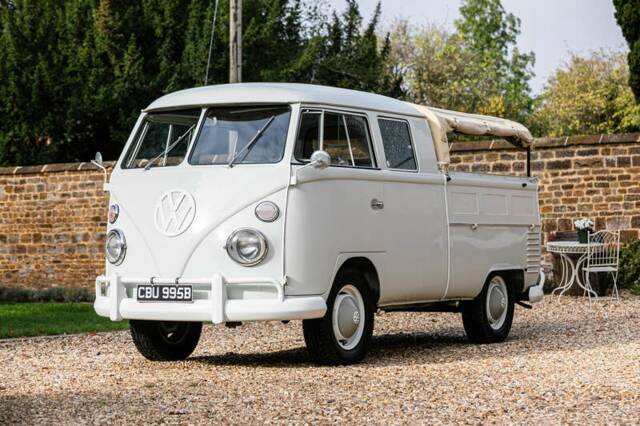
1964 | Volkswagen T1 pickup double cabin
1964 Volkswagen Type 2 265 Double Cab Pick-up

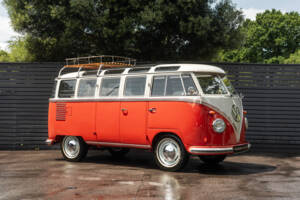
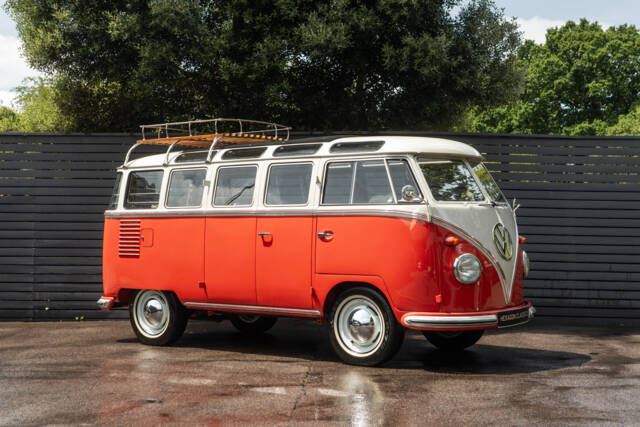
1958 | Volkswagen T2 a/b
RESORTED BY KIEFT & KLOK COSTING £135K
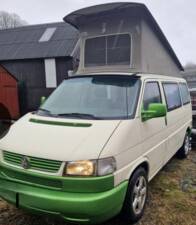
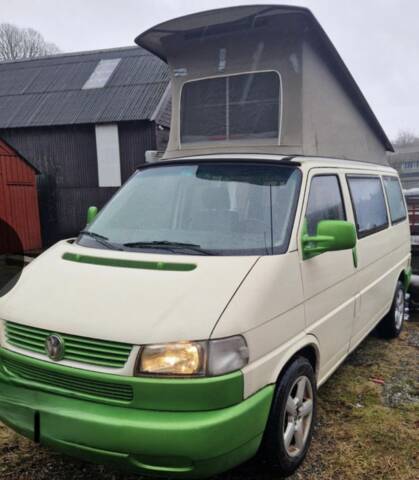
1996 | Volkswagen T4 California 2.5
Volkswagen Transporter T4 Westfalia | 1996 | Route 66 Auctions - For sale by auction. Estimate 7200 EUR
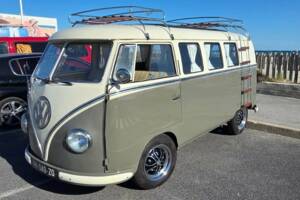
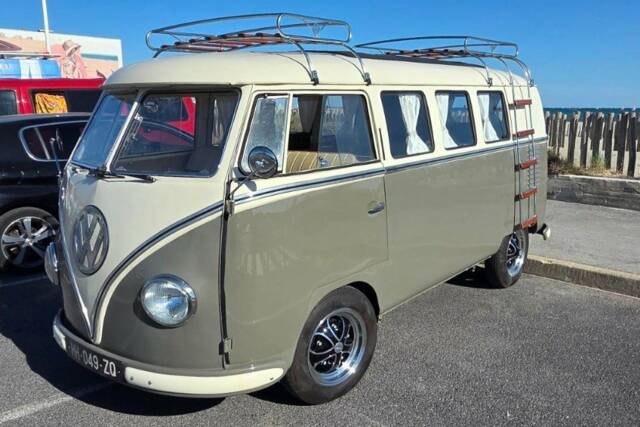
1961 | Volkswagen T1 Brasil
Volkswagen Transporter T1 Kombi | 1961 | Route 66 Auctions - For sale by auction. Estimate 19800 EUR
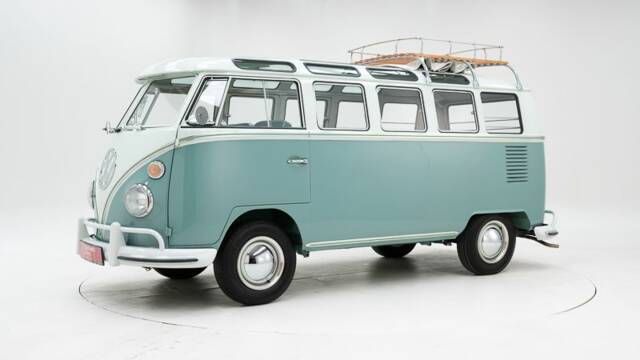
1964 | Volkswagen T1 Kombi
1964 Volkswagen T1 Kombi 21 Windows '64

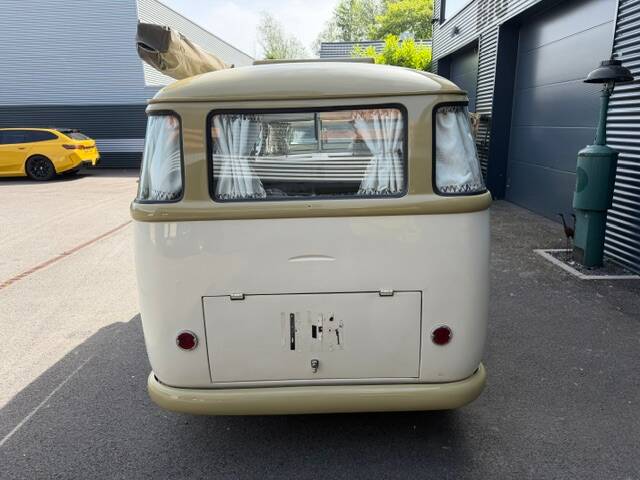
1963 | Volkswagen T1 camper
Volkswagen T1 Camper
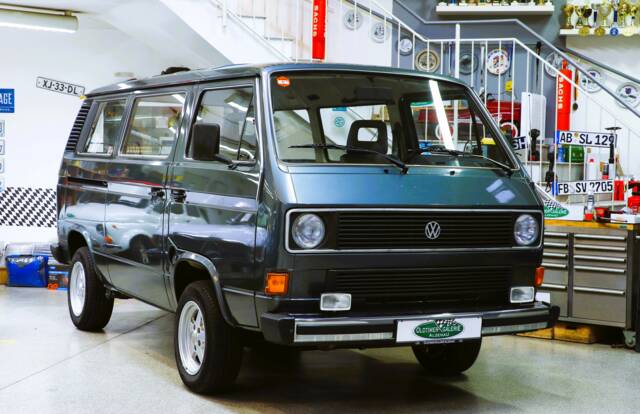
1987 | Volkswagen T3 Caravelle GL 1.9
Original only 63645 kilometres (!)

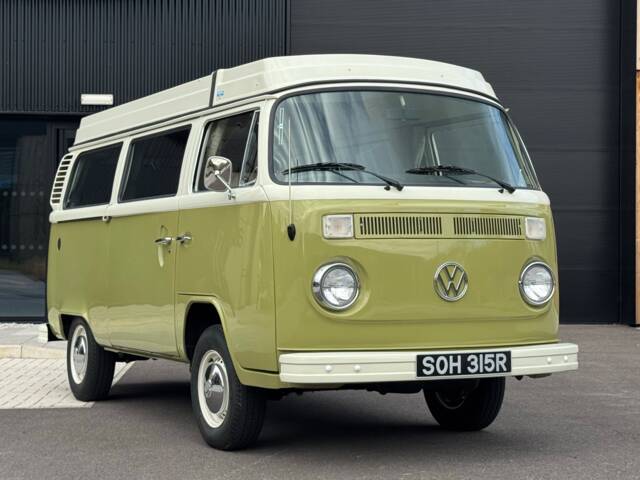
1977 | Volkswagen T2b Westfalia
Restored & High-Specification
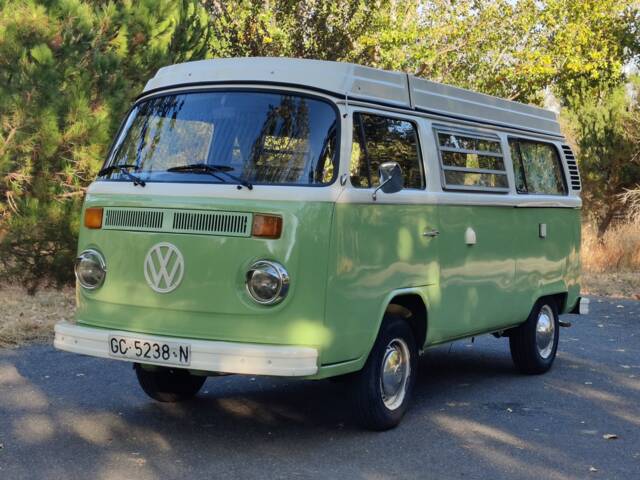
1979 | Volkswagen T2b Westfalia
Original, very well preserved and maintained

Volkswagen Transporter Classic Cars: Prices & Market Values
The market value of Volkswagen Transporter classic cars is primarily determined by the specific manufacturer code and variant, as well as technical condition, originality and mileage. Additional factors include rarity, history and documentation. A well-maintained, largely original vehicle with low, verifiable mileage and complete history including appraisals and documentation typically achieves significantly higher prices than a comparable vehicle with deferred maintenance, many modifications or unclear provenance.
Volkswagen Transporter: Market Prices & Value Trends
Based on sales data from the Classic Trader marketplace, the Volkswagen Transporter classic segment in Europe has remained broadly firm from 2021 through January 2026, with values still supported by strong lifestyle demand for camper and “Bulli” icons. The data show a wide spread driven mainly by generation and specification: early T1s (especially Samba and well-restored campers) consistently sit at the top end, while later T3 and T4 models trade at more accessible levels. Excluding clear outliers and ultra-rare showcase examples, a realistic current market band for most well-presented Transporters is around €15,000 to €60,000, depending on condition, originality and conversion quality. Within that range, T2 campers and Westfalia conversions often cluster around the mid-€20,000s to €50,000s, while desirable T3 Syncro and camper variants (mid/late-1980s to early-1990s) typically land in the high teens to around €40,000. For buyers, this points to a stable market where provenance, rust history and correct period equipment matter as much as model year.
The history of the Volkswagen Transporter
The Volkswagen Transporter emerged from a post-war demand for robust light commercial vehicles. In 1950, series production began in Wolfsburg with the T1, inspired by Ben Pon’s concept for a practical van using Beetle technology. By 1956, high demand led to a move to a dedicated plant in Hanover. The rear-driven, air-cooled boxer engine became the mechanical trademark of early generations. Throughout the 1950s and 60s, the Transporter gained recognition across Europe and overseas—both for commercial versatility and its central role in the youth and travel culture of the 1960s. With each generation—T1, T2, and T3—the Transporter lineage responded to needs for comfort, load capacity, and adaptability. Its body and technology grew ever more sophisticated, branching into minibuses, pick-ups, custom service vehicles, and, notably, camper vans. Globally, over 6 million T1 and T2 examples rolled off the lines, rooted in practical engineering yet emblematic of 20th-century automotive culture.
Model series evolution of the Volkswagen Transporter
Production began with the T1 (1950–1967), famous for its split windscreens and round body shape, succeeded by the T2 (1967–1979 in Germany, later in Brazil until 2013). The T2 was wider and less rounded, featured technical improvements like front disc brakes and a single-piece windscreen, and offered larger engines up to 70 PS. Model variants included panel vans, buses, single and double-cab pick-ups, and increasingly popular camper conversions, often in partnership with reputed outfitters such as Westfalia. The T3 (1979–1992 in Europe, later elsewhere) introduced more angular lines, new suspension solutions, and, from 1984, permanent four-wheel drive (Syncro). Innovations included diesel and water-cooled petrol engines, with luxury editions like the Multivan Limited Last Edition marking the end of rear-engined Transporters. Every generation adjusted to emerging automotive standards and customer use cases, resulting in remarkable model diversification.
Highlights and distinguishing characteristics
No other classic van covers as many use cases as the Volkswagen Transporter: panel vans, minibuses (Kombi), high-roof sales vans, ambulances, police vehicles, and a whole array of camper vans. German-market Samba buses (luxury minibus) featured up to 23 windows, a signature large sunroof, and panoramic rooflights. Multiple seating layouts, practical sliding or double doors, and countless conversion options define the Transporter’s versatility. The T2 introduced a sliding side door as standard, improved suspension, and upgraded braking systems. Early generations owe their longevity to proven engineering, straightforward maintenance, and exceptionally robust components. Its unmistakable design and wide aftermarket support contribute to sustained interest in the classic market.
Technical data
Special editions and collectible models
Existing alongside the standard models, special versions became automotive milestones:
- Samba/DeLuxe: Up to 23 windows, panoramic roof, and luxury trim, a defining symbol of the range.
- Westfalia campers: Outfitted from factory with pop-top roofs, sleeping bunks, kitchens, and storage, they are legendary in the camper community.
- Multivan Limited Last Edition (T3): Produced as the final run of classic rear-engine Transporters, strictly limited in number (2,500 units).
- Syncro: All-wheel drive versions of the T3, opening the Transporter to adventurous terrains.
- Numerous regional or low-production runs (e.g., BlueStar, Carat, Atlantic, California) stand out for rarity or enhanced equipment.
Weak spots and typical issues
Rural and urban use, high mileage, and exposure to the elements make body corrosion—especially at seams, sills, and undercarriage—a major concern on all generations. Suspension components and joint wear are common due to usage on variable road surfaces. Electrical systems show their age, requiring thorough checks during purchase. Water leaks (from windows or roofs) can lead to hidden damage, especially on campers. Mechanical fundamentals—simple transmissions, air-cooled engines, and basic electrics—are otherwise robust and relatively straightforward to service, but condition and prior maintenance history are decisive for collectability and longevity.
Engine, transmission, and handling
Classic Transporters prioritise usable power and durability over speed or luxury. Early T1s feature 25–44 PS, driving the rear axle, with simple mechanical layout and direct steering. Later T2s and T3s escalated power to 70 or even 112 PS (special T3 engines) and refined suspension configurations, especially in the T3 with semi-trailing arms and independent setups. Diesel and Wasserboxer engines by the 1980s further broadened performance options. Automatic transmissions appeared from late T2s onward, and Syncro all-wheel drive offered real off-road and all-conditions ability in T3s.
Popular models include:
- T1 Samba: for its appearance and collectability, frequently featuring 1.5-litre engines, 42–44 PS.
- T2 Westfalia: a staple of the camper scene, with higher rooflines and 1.6–2.0 litre engines up to 70 PS.
- T3 Syncro: offering all-wheel drive, available with a range of flat-four and inline-five engines. undefined
Interior, comfort, exterior, and design details
Transporter interiors evolved from utilitarian workspaces to multifunctional cabins. Early models featured painted metal dashboards, durable bench seats, and large-diameter steering wheels. Luxury and camper variants showcased veneered wood, foldable or rotatable seats, panoramic rooflights (in Samba/DeLuxe buses), and ingenious folding beds (Westfalia). The design language changed: the round contours and split windscreens of the T1, the wider and panoramic nature of the T2, the sharp-edged T3. Period accessories included canvas sunroofs, chrome hubcaps, two-tone paint schemes, and a rich palette of paint colours (notably 'Turkis', 'Seeblau', and 'Pastellweiss'). Factory- and aftermarket options ranged from auxiliary heaters and camping tables to roof racks, awnings, and cycle carriers. Luxury editions gained overrider bumpers, additional soundproofing, and, from the T3 onward, options such as air-conditioning, power steering, and central locking.
Other notable features
Millions of Transporters remain on the road today, served by an unmatched global community, club scene, and spare parts network. Conversion and restoration industries thrive, driven by enthusiast demand for authenticity and period-correct upgrades, as well as for reliability enhancements. The diversity of international production—from Germany to Brazil and South Africa—means careful buyers should verify originality and provenance, given differing technical specifications and features across production sites. For collectors, original documentation, ownership history, and rare factory equipment strongly affect valuation.
Summary
The Volkswagen Transporter has redefined what a utility van can achieve—from urban delivery to adventure travel to compact luxury. Its engineering simplicity, adaptability to dozens of body styles, and enduring popularity across multiple generations make it a fixture on the classic car scene. Generational developments introduced new technologies and body variants, while diverse special editions continue to set collector benchmarks. Robust portions of today’s classic Volkswagen market—50% or more—are focused on early Transporter models, confirming their continued relevance and appeal to enthusiasts and collectors in the UK and worldwide.