Triumph GT6 Classic Cars for Sale
The Triumph GT6 stands out as a British sports coupé with a six-cylinder engine, distinct fastback design, and a driving experience that balances roadster flair with coupé practicality. Built between 1966 and 1973, the GT6 impresses with Italian styling by Giovanni Michelotti and engineering advances that improved both performance and comfort. Its combination of straight-six power and timeless lines makes every drive into a true classic car moment.
Search results
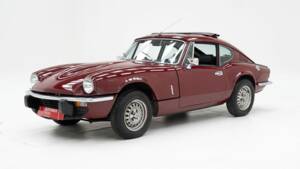
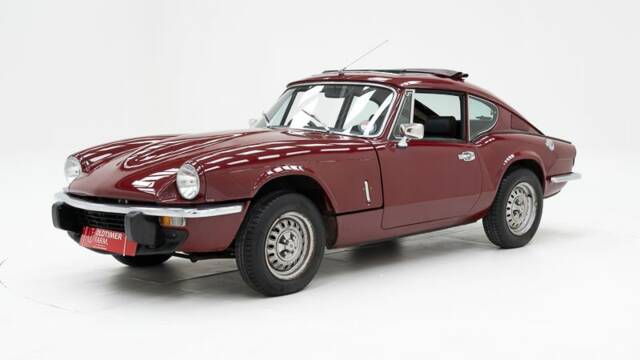
1972 | Triumph GT 6 Mk III
1972 Triumph GT6 MK III '72

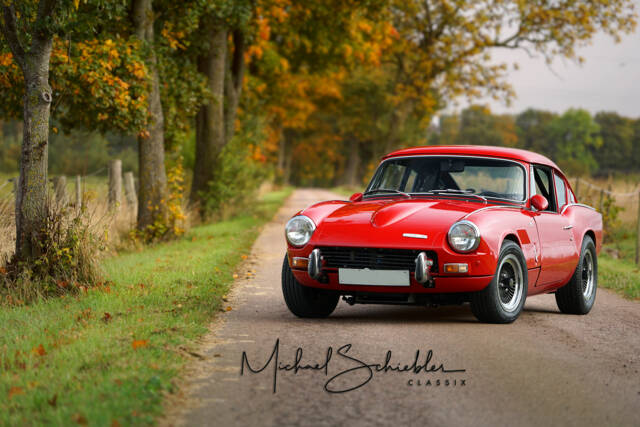
1969 | Triumph GT 6 Mk II
Fast road/ track
VAT is reclaimable

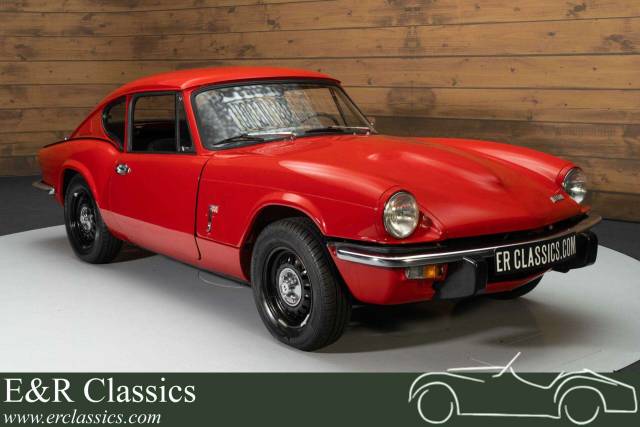
1973 | Triumph GT 6 Mk III
Triumph GT6 MK3 | Gerestaureerd | 6-cilinder | 1973

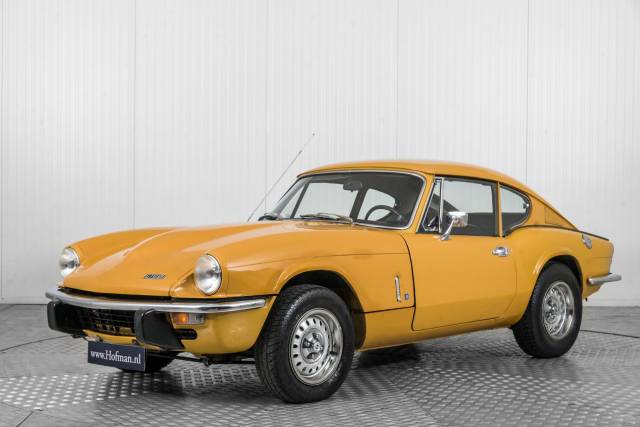
1973 | Triumph GT 6 Mk III
Triumph GT 6 MK 3 Overdrive .
History of the Triumph GT6
The Triumph GT6 has its roots in the mid-1960s competition between British sports car manufacturers. MG's successful MGB GT prompted Standard-Triumph to create their own coupé based on the Spitfire convertible. Italian designer Giovanni Michelotti was commissioned to transform the Spitfire into a fastback coupé. The result was the GT6, a car launched in 1966 that combined sporty looks, improved comfort, and increased power. The GT6 quickly earned the nickname 'Poor man’s E-Type' because of its silhouette, reminiscent of the Jaguar E-Type. Unlike its four-cylinder predecessor, the GT6 used a 2.0-litre straight-six derived from the Triumph Vitesse, ensuring it had the power to match its sporting pretensions. Production continued until 1973, with no direct successor.
Model History
The GT6 story unfolds in three major phases. The Mk I, produced from 1966 to 1968, introduced the basic design and mechanicals but retained the Spitfire’s swing-axle rear suspension. In 1968, the Mk II (also called GT6+ in the USA), brought a substantially improved independent rear suspension for more stable handling and higher output. The last stage, the Mk III, arrived in 1970 with styling tweaks, an upgraded interior, and further chassis refinement. The Mk III was built until 1973, accounting for 13,042 units. All models shared the inline-six powerplant and unique coupé body, but continual updates ensured a more sophisticated driving experience. There was no direct replacement after production ended.
Highlights and Special Features
The Triumph GT6 is distinct among classic British coupés for its combination of sharp styling, practical features, and technical innovation. Hallmarks include the six-cylinder engine, wood dashboard, Smiths instrumentation, and options like overdrive and a folding sunroof. All GT6 generations feature a tailgate that recalls the Jaguar E-Type, further separating it from four-cylinder siblings or rivals. Improvements to rear suspension throughout its run corrected the early handling critiques, making later GT6s especially desirable for drivers seeking both comfort and sportiness.
Technical Data
Special Editions and Collectible Models
Official factory special editions are not documented, but the most collectible GT6 models trace to specific production runs. The American-market GT6+ (Mk II) and the final Mk III, with its more refined suspension and fresh styling, are especially regarded by knowledgeable collectors. Limited retrofits, such as overdrive, sports wheels, or factory Webasto sunroofs, also distinguish certain cars without being strictly separate editions.
Weak Spots and Common Issues
Key areas to examine on a GT6 include the rear suspension, especially on early Mk I models that used the swing-axle setup susceptible to compromised handling and wear. From Mk II onward, updated rear suspension reduces these concerns. Other classic car considerations apply–check for rust in the bodywork (especially wheel arches and sills), integrity of the cooling system, and wear on carburettors or the overdrive gearbox if fitted. Interior wood trim and Smiths gauges may require attention over time. Many surviving cars have undergone major restoration, so documentation and originality can affect buying decisions.
Engine and Performance, Transmission and Handling
The 2.0-litre straight-six delivers a torque-rich, smooth drive. All GT6 generations accelerate briskly for their era—0 to 100 km/h in approximately 12 seconds, with top speeds up to 174 km/h (Mk III). The use of a four-speed (often with overdrive) manual delivers an engaging drive, while rear-wheel drive and the independent suspension (from Mk II on) give a well-balanced, confident feel. The early swing-axle Mk I models had more challenging handling dynamics, but later revisions resulted in a composed ride and lively steering. Exhaust note is particularly sporty, adding to the driving pleasure. - GT6 Mk I (1966–1968): First series, recognised by its swing-axle rear end and early dashboard design.
- GT6 Mk II / GT6+ (1968–1970): Notable for the improved rear axle and livelier 104 PS engine. US GT6+ adds specific trim.
- GT6 Mk III (1970–1973): Most developed, with restyled front and enhanced comfort, as well as a further revised rear suspension for everyday drivability.
Interior, Comfort, Exterior and Design
Penned by Giovanni Michelotti, the GT6’s fastback shape and long, forward-opening bonnet define its presence on the road. Design cues include flowing fenders, a sharply cut rear tail, and chrome touches throughout. Factory colours ranged from Saffron Yellow and Signal Red to deep blue and pimento shades. Inside, all models received a wood dash, Smiths gauges, and deep carpeting, while a compact optional rear seat accommodated small children. Equipment could include a Webasto sunroof, radio, extra gauges, and wire wheels. The minimalistic yet purposeful interior remains a highlight for enthusiasts, while the classic seats and steering wheel offer tactile authenticity.
Other Features
Noteworthy accessories and factory options for the GT6 include overdrive units, additional lamps, period-correct radios, and aftermarket alloy wheels. Many owners have retrofitted 5-speed gearboxes, upgraded suspension components, or restored cars to 'nut-and-bolt' standards. Factory documentation like heritage certificates, original manuals, or the unique body tags often add value and authenticity. Preservation of original details, such as paint codes or interior patterns, is increasingly appreciated in today’s classic market.
Summary
The Triumph GT6 stands as a direct response to 1960s sports car competition, combining Italian-inspired design and robust six-cylinder power in a compact, practical coupé. Its recognisable fastback profile, engaging six-cylinder drive, and continuous engineering improvements give it a distinct character within British classic cars. Today, the GT6 remains highly relevant both in the Triumph community and beyond, prized for its blend of performance, style, and usable everyday comfort.