Renault R 4 Classic Cars for Sale
The Renault R 4 transformed everyday mobility from 1961 to 1994. With over 8 million units built, it stands out through its unrivalled versatility, simple mechanics and unmistakable design. Whether as a compact family car, robust van or offbeat convertible, the R 4 became an international phenomenon that shaped automotive culture far beyond France.
Suchergebnisse
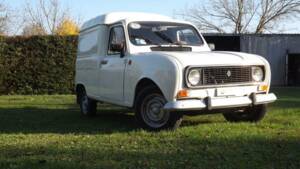
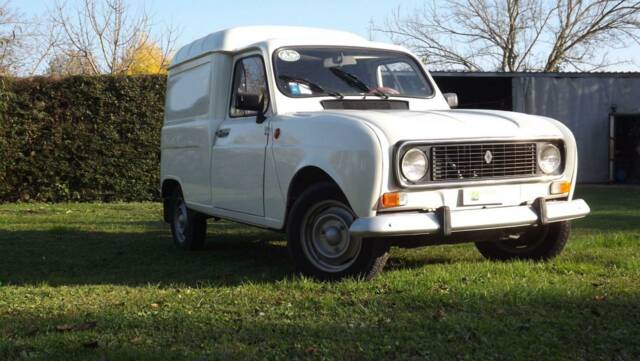
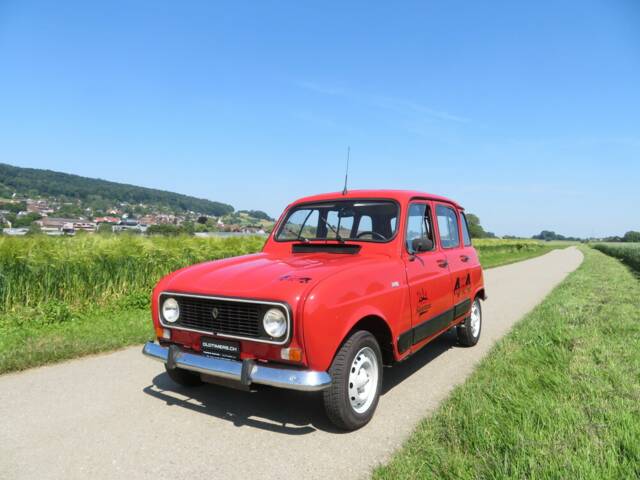
1975 | Renault R 4
Äussert selten - Allradantrieb! - MFK 2019 Veteran!
Auctions ending soon

Loading…
Loading…
Loading…
Loading…
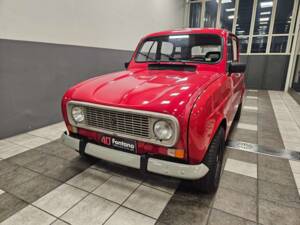
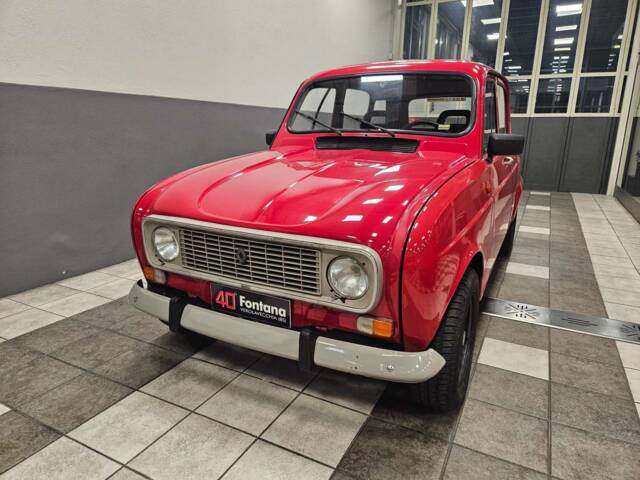
1991 | Renault R 4
Restauration complète récente !
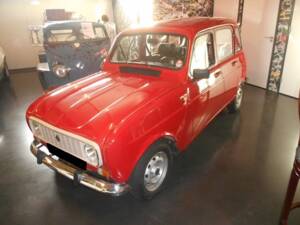
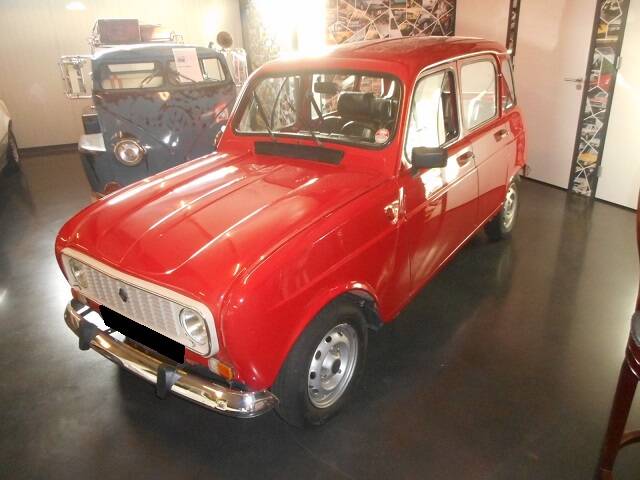
1991 | Renault R 4 TL
RENAULT 4 TL
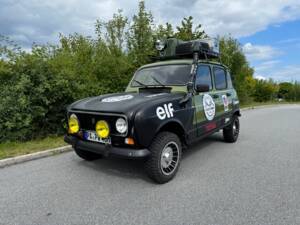
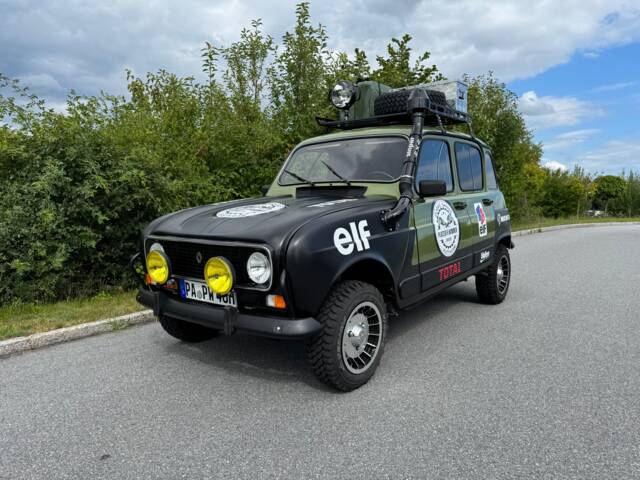
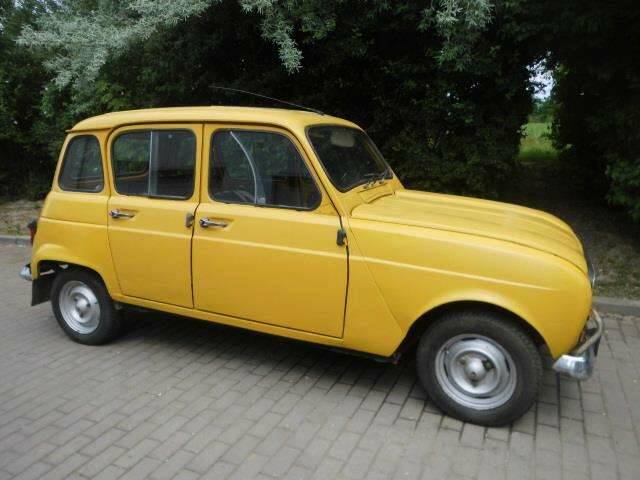
1969 | Renault R 4
Renault R 4
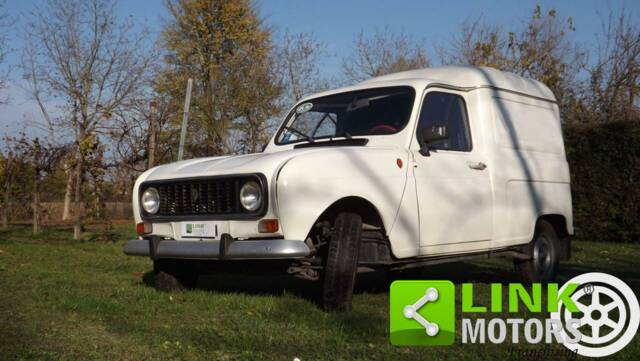
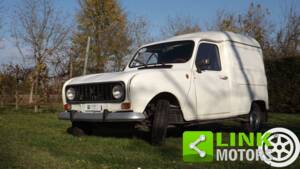
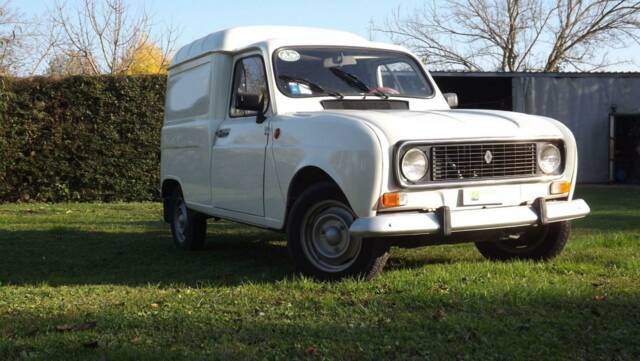
1982 | Renault R 4 F4
RENAULT R 4 furgonette anno 1982 ben tenuta e funzionante
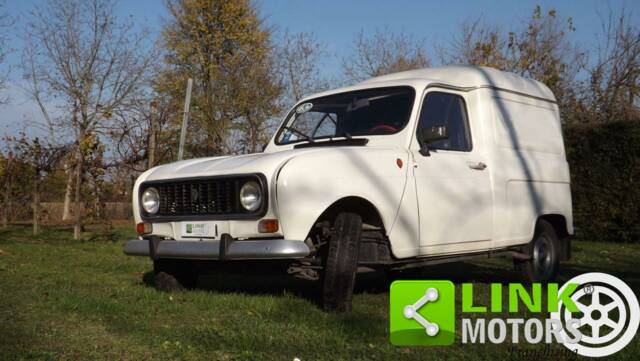
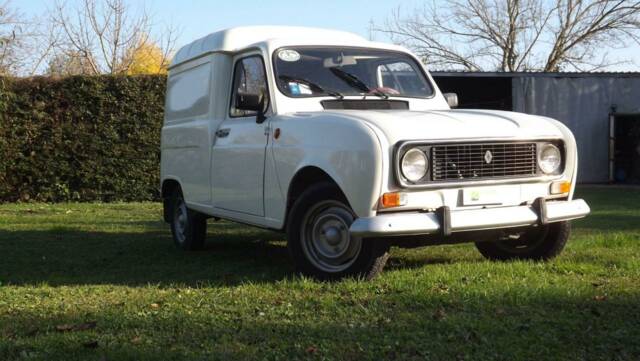
1982 | Renault R 4 F6
RENAULT R 4 furgonette anno 1982 ben tenuta e funzionante
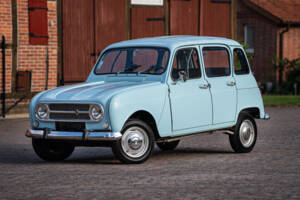
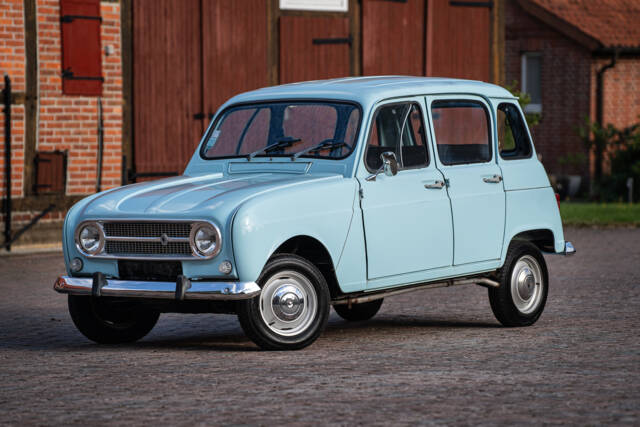
1974 | Renault R 4
Original Lack, seltenes Standart Modell
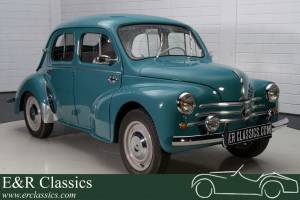
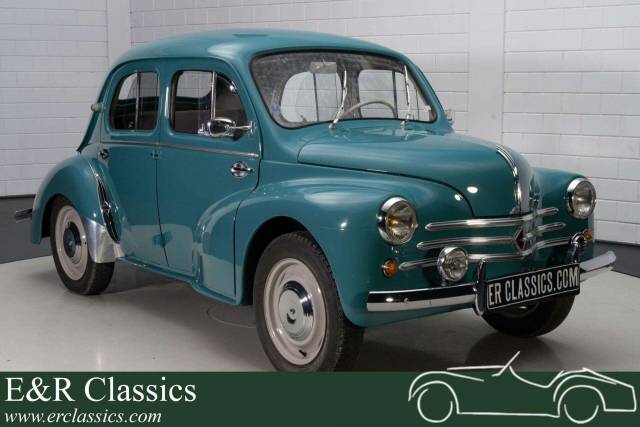
1960 | Renault R 4
Renault R 4 4CV | Gerestaureerd | Zeer goede staat | 1960
Renault R 4 listing references from Classic Trader
Below you will find listings related to your search that are no longer available on Classic Trader. Use this information to gain insight into availability, value trends, and current pricing for a "Renault R 4" to make a more informed purchasing decision.
1982 | Renault R 4 F4

1984 | Renault R 4 F4
Renault 4 F4 | 1984 | Route 66 Auctions - For sale by auction. Estimate 5500 EUR
1982 | Renault R 4 F6
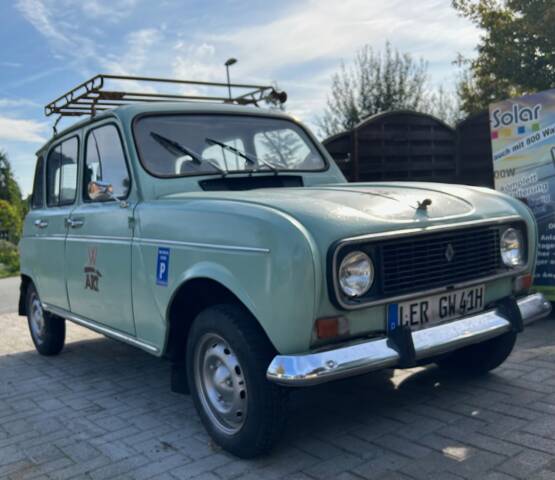
1981 | Renault R 4
Renault R4 Oldtimer mit frischem TÜV 2. Hand
History of the Renault R 4
Renault introduced the R 4 in 1961 as a direct successor to the Renault 4CV, targeting broad sections of the population—families, women, farmers and urbanites alike. Displayed at the Paris Motor Show, its launch combined spectacle and practicality, notably with 200 white R 4s parading past the Eiffel Tower. Unlike its rear-engine precursor, the R 4 featured front-wheel drive and a five-door body, both groundbreaking at its price point. By adopting a bolted chassis and extensive use of torsion bar suspension, Renault ensured durability, adaptability and comfort on the roughest roads. Throughout more than 30 years and across multiple continents, the R 4’s core virtues of frugality, resilience and adaptability propelled it to more than 8 million units produced, making it a mainstay in both private and commercial transport.
Model Series and Development
Production of the R 4 ran from 1961 to 1994, shifting over time from France to Spain, Portugal, Slovenia and beyond. It followed the Renault 4CV and paved the way for successors like the Renault 5, Rapid, Kangoo and ultimately the Twingo. The initial R 4 Luxe debuted at the Paris Salon, quickly expanding to a plethora of variants: R4 TL, GTL, F4 (the ubiquitous panel van), F6 (extended van), Clan, Savane, Export, and limited runs like the Plein Air cabriolet and rare four-wheel drive Sinpar 4x4. From the basic R3 to the highly-spec’d Super Confort, the R 4’s evolution mirrored customer demand for reliability and multi-purpose usability. The R 4 platform even underpinned the Renault 6, showcasing its flexibility. By production's close, countless configurations and two body lengths—including the landmark “Fourgonette” van—kept the R 4 relevant across continents and decades.
Highlights and Standout Features
The R 4 pioneered several practical features: it was among the first large-volume hatchbacks, offered a huge rear opening five-door configuration, and front-wheel drive for superior traction and interior space. The torsion bar suspension guaranteed a soft, comfortable ride—often compared to the Citroën 2CV yet with more robust usability. Its extremely simple dashboard, upright driving position and armrest-style column gearchange (“revolver shift”) completed the utilitarian concept. Folding rear seats and modular cargo space made the R 4 unrivalled in everyday adaptability. Its affordable running costs and straightforward technology made it a favourite among businesses, craftsmen, rural drivers and families alike.
Technical Data
Special Editions and Rare Models
The Renault R 4 family branched into several intriguing variants: the Plein Air (an open-top, beach-style model), the Sinpar 4x4 (with all-wheel drive for tough terrains and export markets), and the pickup-style Teilhol conversions. Commercial variants like the F4 and F6 vans became synonymous with French tradesmen and city deliveries. Towards the end of production, the 'Bye Bye' edition was released in 1994, with approximately 1,000 units marking the final chapter of European R 4 manufacture. Distinctive regional editions, special colour runs and unique trims further enriched the R 4’s global story.
Weak Spots and Common Issues
The R 4’s main drawbacks centre on bodywork corrosion, particularly in the sills, floor pans and rear wheel arches. Early production cars are especially vulnerable in these areas, often requiring skilled body repairs or replacements. Mechanically, the R 4 is considered highly resilient and easy to maintain, with spare parts widely available throughout Europe. Simplicity and robust engineering keep service requirements minimal, but careful inspection of the chassis and body is essential when sourcing an unrestored example.
Engine and Performance, Transmission and Handling
The R 4’s small but eager engines—ranging from 750 cc up to 1108 cc—suited both city and rural applications. The front-wheel-drive layout gave it excellent traction on poor surfaces, while the torsion bar suspension provided notable comfort for passengers and cargo even over rough roads. Handling is predictable, light and reassuring, although power and top speed remain modest: depending on the version, top speeds range from roughly 110 to 122 km/h. Fuel economy, thanks to minimal weight and straightforward engineering, commonly sits between 5 and 7 litres per 100 km. The armrest-style dashboard shift lever is a signature element, making gear changes intuitive and freeing up floor space. - R 4 GTL: Upgraded to a 1108 cc engine for better performance (up to 45 hp).
- R 4 F4 and F6 Vans: Extended wheelbase, 1,000-litre cargo space, favoured by business owners.
- Sinpar 4x4: All-wheel drive variant for demanding environments.
- R4 Plein Air: Rare open-top leisure edition.
Interior, Comfort, Exterior and Design
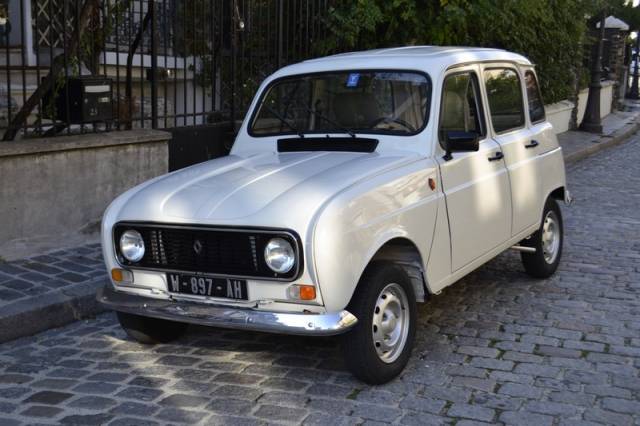
Renault endowed the R 4 with an upright silhouette and unusually large windows, offering excellent all-round visibility. The five-door hatchback body was a trailblazer in the segment, providing exceptional access and flexibility. Inside, furnishings remained straightforward: wipeable vinyl or fabric seat trims, sliding or wind-up windows, simple but clear instrumentation and cleverly placed ventilation. Early models featured external door hinges and an alloy front grille, replaced by modern elements in later years such as the black plastic grille and hidden hinges. Buyers could choose from diverse paint schemes, with many colours reflecting the trends of the 1970s and 1980s. Accessories such as roof racks, radios, tow bars, and additional instruments were frequently fitted post-purchase. Attention to cost-effective materials and practicality is evident throughout, yet the cabin remains surprisingly usable and airy for its class.
Further Features and Interesting Facts
The R 4’s chassis design enabled the creation of countless derivatives, including pickups, panel vans, and even custom rally cars. Right- and left-hand drive versions rolled out for global export, while utility authorities, police forces and military units all adopted the R 4 due to its adaptability and simple maintenance. Its role in classic rallies and as a platform for adventurous long-distance travel endures to this day. User manuals and tool kits were often supplied as standard, making home maintenance accessible for enthusiasts.
Summary
The Renault R 4’s distinct approach to universal mobility—combining rugged simplicity, adaptability and low running costs—secured its position as a global automotive milestone. Its comfort-focused suspension, modular interior and reliable engines made it a practical tool for millions, from farmers to city dwellers. Today, the R 4 remains widely appreciated for its unique character and user-friendly mechanics, ensuring its continued presence on roads, at classic meets, and in workshops across Europe and beyond.