Opel Ascona Classic Cars for Sale
The Opel Ascona stands as a benchmark in the evolution of German family cars from 1970 to 1988, bridging practicality, motorsport achievements, and robust engineering. With three distinct generations, various body styles, and a spectrum of engine options ranging from the utilitarian to the Rallye-bred, the Ascona is a sought-after model for classic car enthusiasts and collectors.
Search results
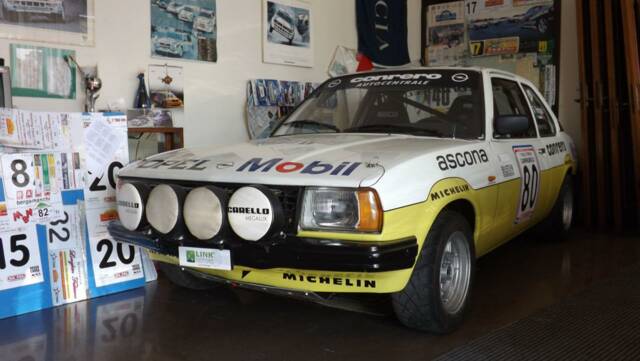

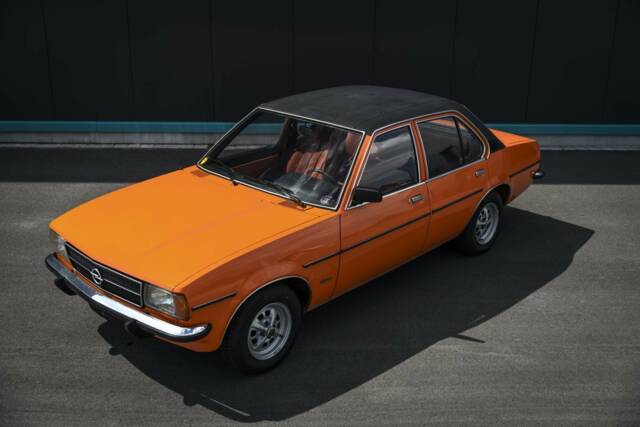
1978 | Opel Ascona 1,6
Ascona B

Auctions ending soon

Loading…
Loading…
Loading…
Loading…
Opel Ascona listing references from Classic Trader
Below you will find listings related to your search that are no longer available on Classic Trader. Use this information to gain insight into availability, value trends, and current pricing for a "Opel Ascona" to make a more informed purchasing decision.
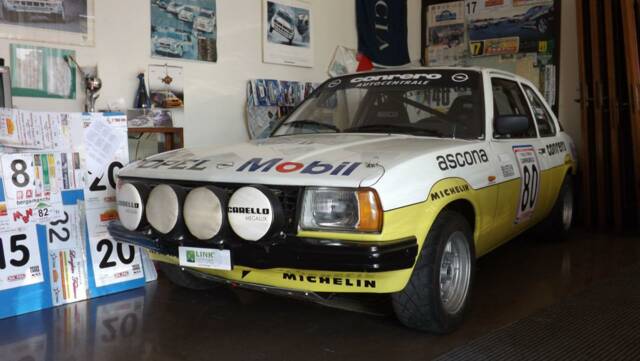
1981 | Opel Ascona 2000 SR
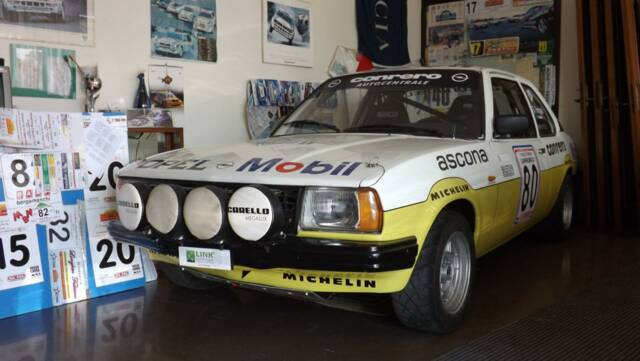
1981 | Opel Ascona 2,0 S
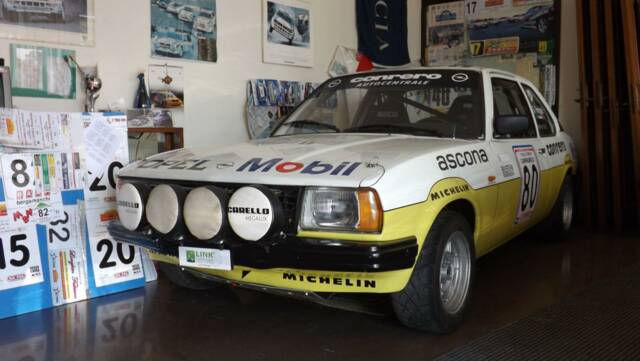
1981 | Opel Ascona 2,0 E
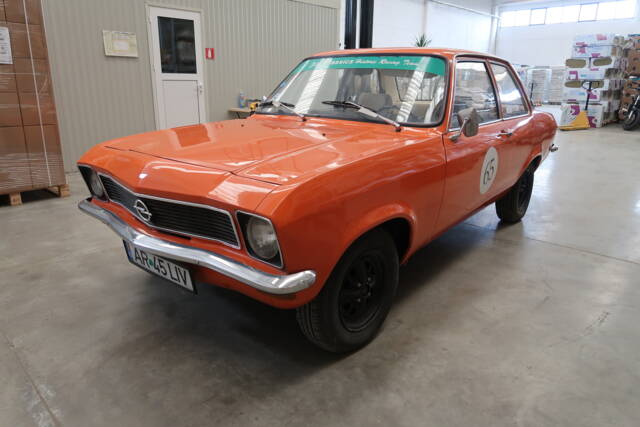
1975 | Opel Ascona 1,9 S
Opel Ascona A 1.9 SR
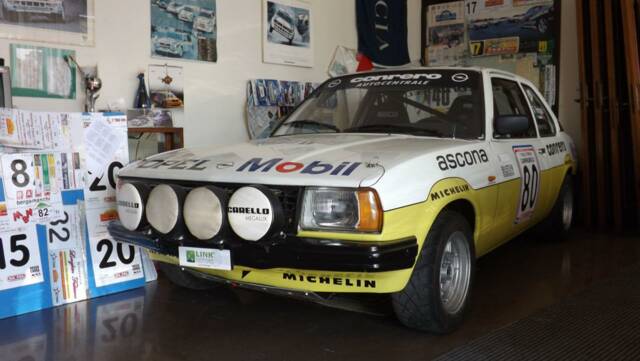
1981 | Opel Ascona 2,0
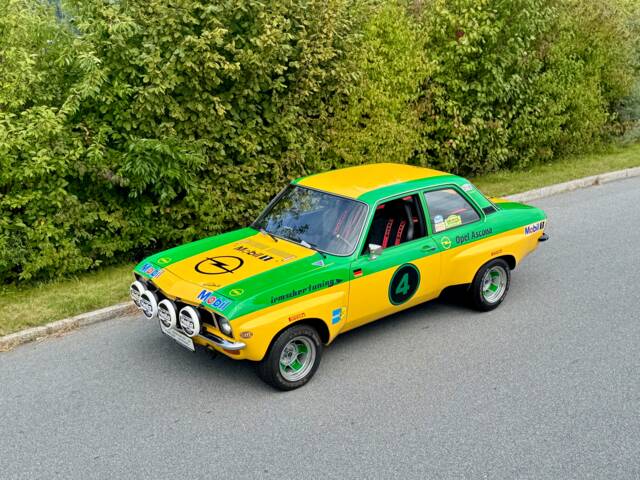
1975 | Opel Ascona 1,2 S
Breitbau-Rallye-Umbau
1981 | Opel Ascona 2,0 E
OPEL Ascona B 2000 SR anno 1981con passato storico documentato
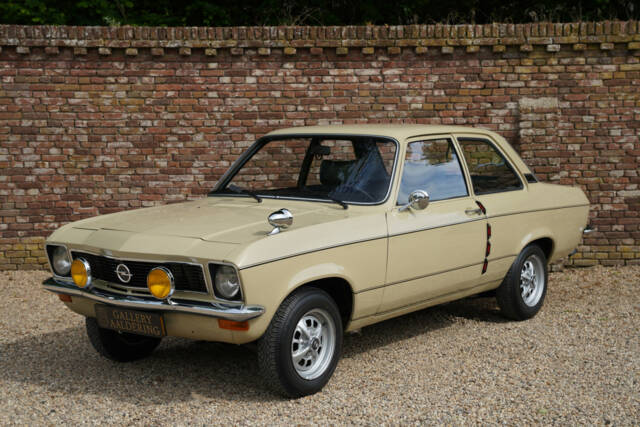
1975 | Opel Ascona 1,2 S
Opel Ascona-A 1200 S In the shade of "Gazellenbeige" with dark blue fabric upholstery, Meticulously repainted in the past, Interior and upholstery original and without signs of use, Original "Sicherheitsinspektion" service booklet available, Delivered new in 1975 by Auto-Becker in Dusseldorf, "Die neue Ascona-Klasse: Kompakt-Solide-Wendig"

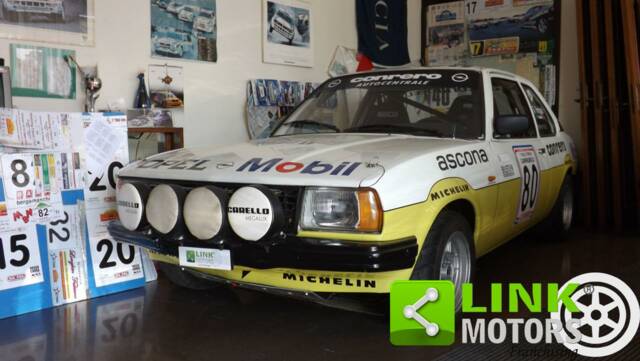
1981 | Opel Ascona 2,0 GT/Sport
OPEL Ascona B 2000 SR anno 1981con passato storico documentato
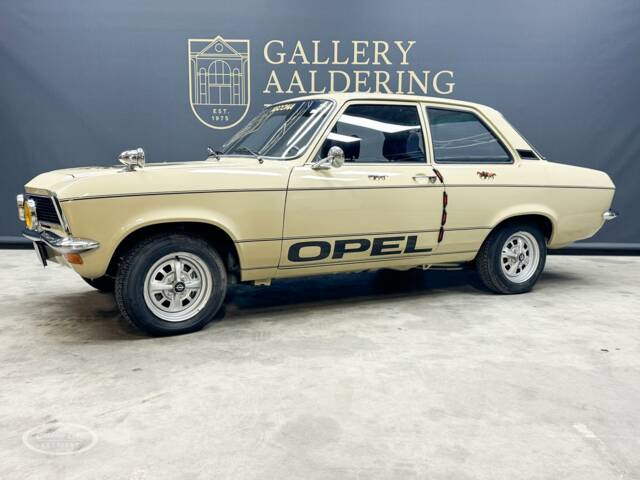
1975 | Opel Ascona 1,2 S
Opel Ascona 1200 S
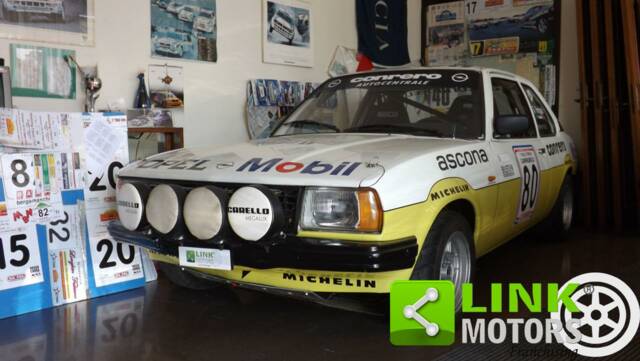
1981 | Opel Ascona 400
OPEL Ascona B 2000 SR anno 1981con passato storico documentato
Opel Ascona Classic Cars: Prices & Market Values
History of the Opel Ascona
Introduced in 1970, the Opel Ascona was designed to close the gap between the smaller Kadett and the larger Rekord. Spanning nearly two decades, the Ascona evolved through three generations. The first, produced in Bochum, emerged as a mid-size solution for families and professionals alike, available as both saloon and estate. The Ascona quickly gained traction, especially as the A-series (1970–1975) achieved over 690,000 units built. Its successor, the Ascona B, replaced the A in 1975, offering standard saloon formats, diesel options (especially attractive to taxi businesses), and more powerful engines up to 120 hp. By 1981, the third generation — Ascona C — moved to front-wheel-drive and expanded its appeal with multiple body and engine configurations, before being succeeded by the Vectra in 1988. All generations showcased a blend of everyday reliability and, especially in performance versions, motorsport pedigree, with notable rally victories.
Model Evolution of the Ascona
The Ascona lineage began with the Ascona A, replacing the Olympia A and standing as Opel’s answer to Ford’s Taunus. The A-series (1970–1975) was available in both saloon and estate configurations, with manual and occasional automatic transmissions. Ascona B (1975–1981) reshaped the design with sharper lines, serving primarily as a saloon and bringing diesel engines into the lineup. Motorsport played a key role with models like the i2000 and Ascona 400. The Ascona C (1981–1988) introduced front-wheel-drive, diversified trim levels (including GT/Sport and Jubilee), and increased both power and comfort. Ascona production ended in 1988, making way for the Opel Vectra, and leaving a total production tally of nearly 1.72 million units.
Highlights and Features
The Ascona is celebrated for its durable mechanical setup, authentic period driving feel, and historic motorsport achievements. The model offered a range of robust four-cylinder petrol engines, with certain performance derivatives reaching up to 200 hp (notably the Ascona 400 rally car). High utility value was ensured through various body styles, practical interiors, and generous boot space. Notably, the Ascona saw sporting success with European and World Rally Championship titles, especially with Walter Röhrl behind the wheel. Later C models won accolades including the 'Volante d'Oro' and 'Car of the Year 1982.'
Technical Data
Special Editions and Collectors' Models
Notable limited or performance-oriented models include the Ascona 400 (developed for homologation and rallying), the i2000 for enthusiasts seeking higher output, and the sporty GT, GTE, and SR. Special trims such as Jubilee and GT/Sport further enriched the model family, with rare variants like the Ascona Voyage estate, Ascona CC, and even cabriolet conversions attracting significant collector interest today. These models often featured distinctive wheels, paint finishes, more powerful engines, and enhanced interiors.
Engine, Driving, Gearbox and Handling
Known for its mechanical simplicity and period-correct driving experience, the Ascona delivers a classic rear-wheel-drive feel on A and B models, and increased predictability with the C’s front-wheel-drive setup. Entry-level models provide satisfactory performance for leisurely cruising, while high-output variants (notably the 2.0L and the Ascona 400’s 2.4L) offer competitive acceleration and handling, particularly on winding roads—a fact proven in rallying success. Weight varies between 900 and 1100 kg, contributing to agility and manageability. Four- and five-speed manuals are prevalent, with automatics mostly available as optional extras on certain versions. - Ascona 400: 2.4L 16V, up to 200 hp, homologated for motorsport with numerous rally wins.
- Ascona B i2000: Aggressive power output and sport-oriented trim, highly valued by enthusiasts.
- Ascona C GT/Sport: Improved suspension, stronger engines for a distinctly sportier drive.
Interior, Comfort and Design
Each Ascona generation reflects the style of its era, with clear body lines, extensive use of chrome on earlier models, and progressively more angular designs in the late 1970s and 80s. Interiors varied from basic (cloth seats, analog dials) to highly equipped, especially in GT/Sport and GTE models—where Recaro seats, sporty steering wheels, and bespoke fabrics feature. Colour choices followed period trends, including strong reds, blues, and whites, with special hues available for some editions. The Ascona C introduced subtly modernised headlights, grille, and taillights, blending familiarity with subtle innovation. Boot and cabin space remain generous by contemporary standards, and rare options included sunroof, better stereos, or even cabriolet conversion kits by specialist firms.
Other Features
The Ascona was often seen in family and fleet roles thanks to its robust engineering and reliability. Some vehicles received motorsport upgrades, including roll-cages, spoilers, or GFK body parts, either from the factory on homolgation models or via the active classic car community. Replacement and wear parts are generally accessible due to the Ascona’s popularity among classic Opel clubs.
Summary
Produced from 1970 to 1988, the Opel Ascona is defined by its mechanical reliability, broad model variety, and rich motorsport heritage. With three distinct series—each evolving in layout and technology—the Ascona appeals to a wide audience, from family motorists to rally aficionados. Access to replacement parts and a thriving scene of enthusiasts makes the Ascona an appealing and pragmatic choice within the classic car market.