Mini Mini classic cars for sale
With a production run from 1959 to 2000 and over 5.3 million units built, the Mini Mini set benchmarks for packaging, driving dynamics and British engineering. Distinctive compact dimensions combined with resourceful technical solutions make every classic Mini an unmistakable choice for enthusiasts. From early Austin and Morris versions to countless special editions, the Mini continues to attract generations of passionate drivers.
Search results
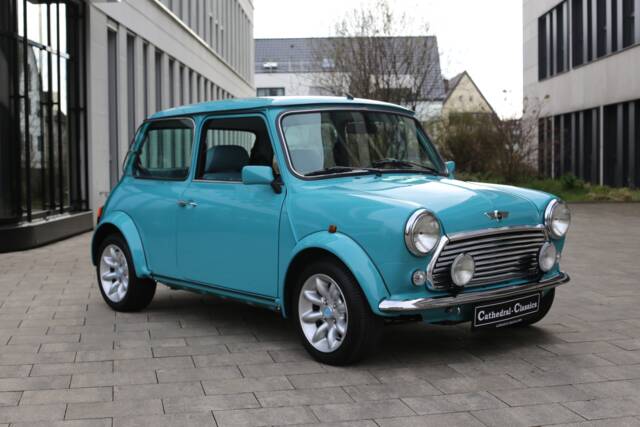
1999 | Mini Cooper 1.3i MPI
Mini Cooper MPI – Surf Blue Rarity


2000 | Mini Cooper 1.3i MPI
One of the last ‘real’ Minis
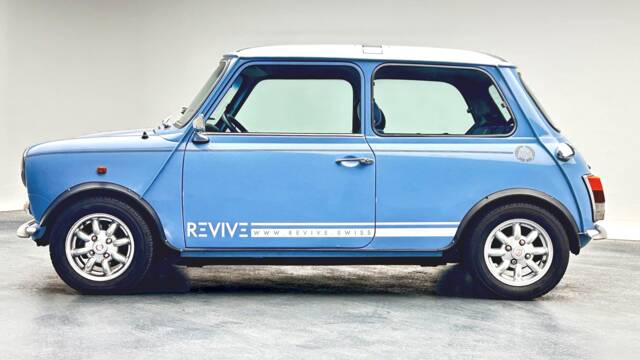
1996 | Mini Cooper E
Mini E (1996). Estimated price CHF 45'000 - CHF 60'000
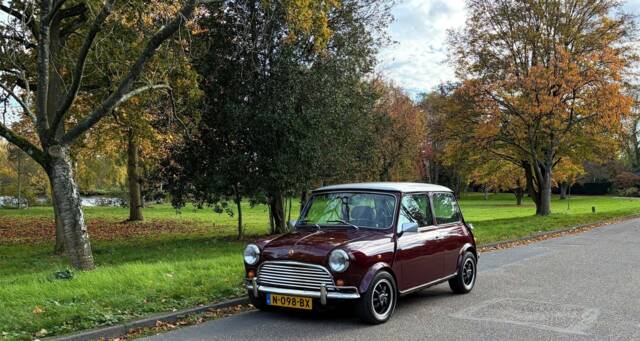
2000 | Mini Cooper 1.3i MPI
Mini 1275 Cooper 40th Anniversary. Restored + updates.

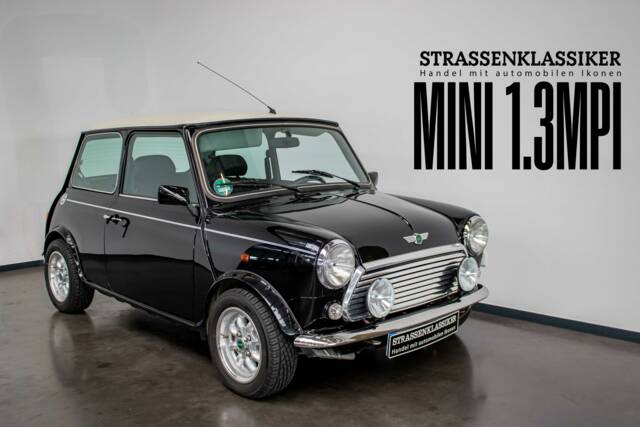
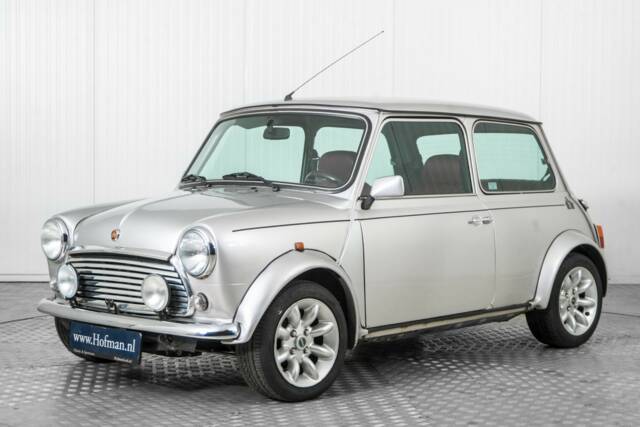
1999 | Mini Cooper 1.3i MPI
MINI Cooper 1.3 MPI 40th Anniversary
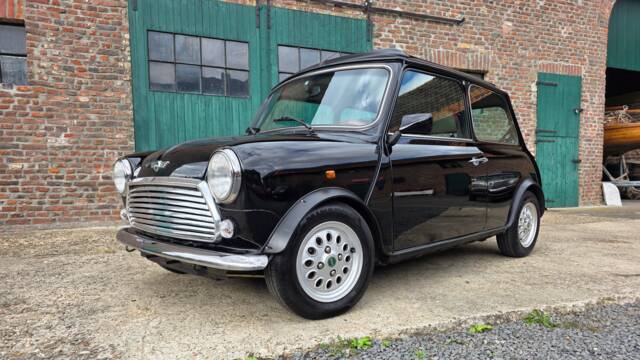
2000 | Mini Cooper 1.3i MPI
Mini Final Edition "Seven" 1,3i one of a kind MPI

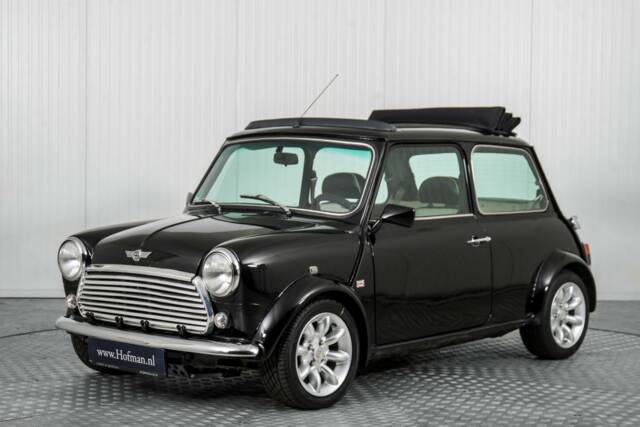
1998 | Mini Cooper 1.3i MPI
MINI Cooper S MPI
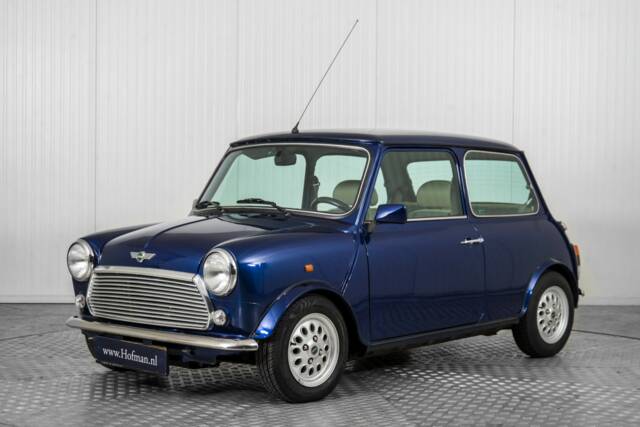
1999 | Mini Cooper 1.3i MPI
Mini 1.3 MPi Cooper maar 24489 km!
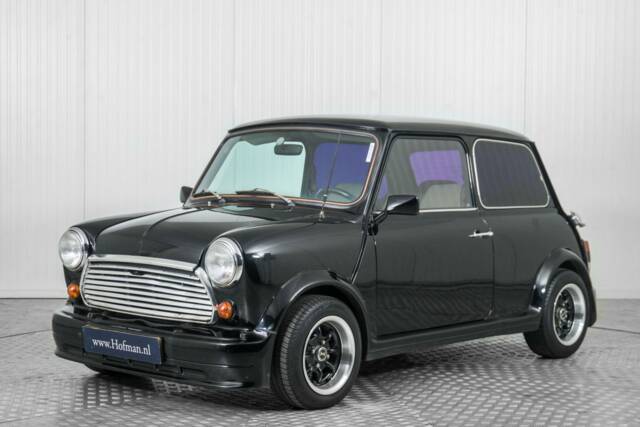
1993 | Mini Cooper 1,3i
Mini Mini 1.3 Cooper
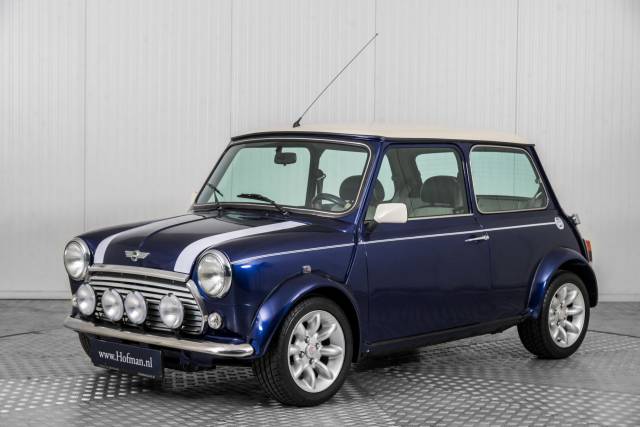
1999 | Mini Cooper 1.3i MPI
MINI Cooper S 1.3MPi .
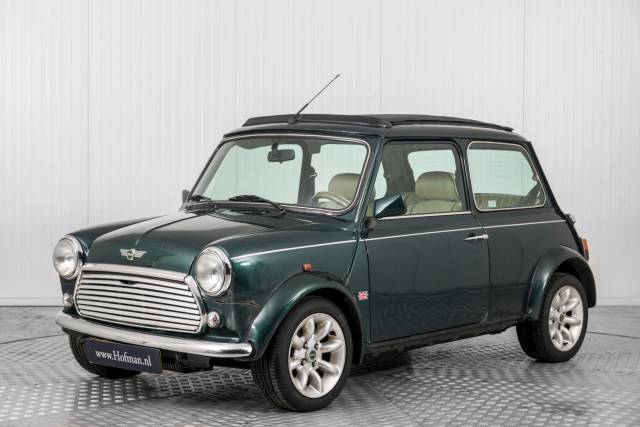
2000 | Mini Cooper 1.3i MPI
MINI Cooper S 1.3 MPi .
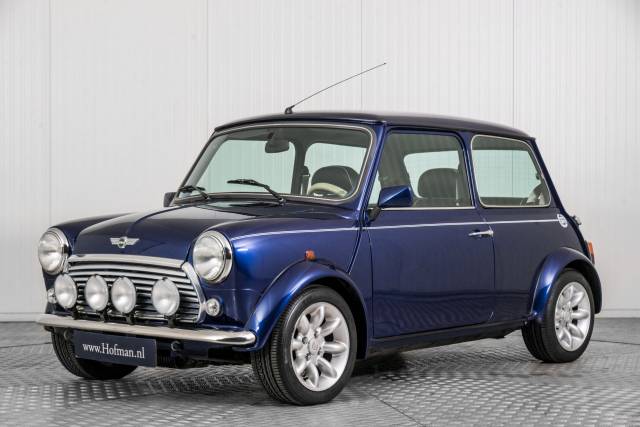
1999 | Mini Cooper 1.3i MPI
Mini Cooper S 1.3 MPI origineel 60000 km
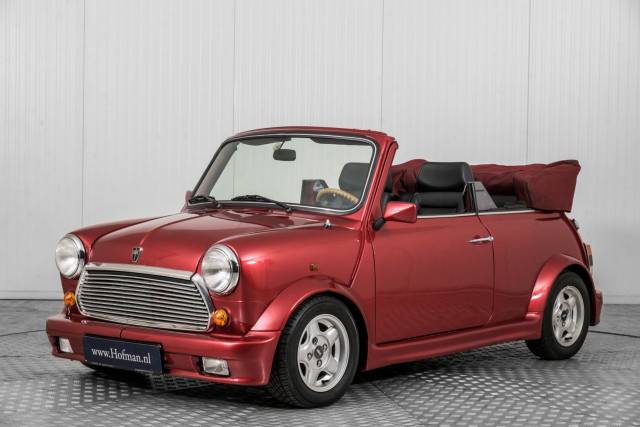
1996 | Mini 1,3i SPi
Mini Mini Cabrio 1.3i
1997 | Mini Cooper 1.3i MPI
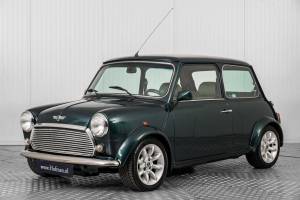
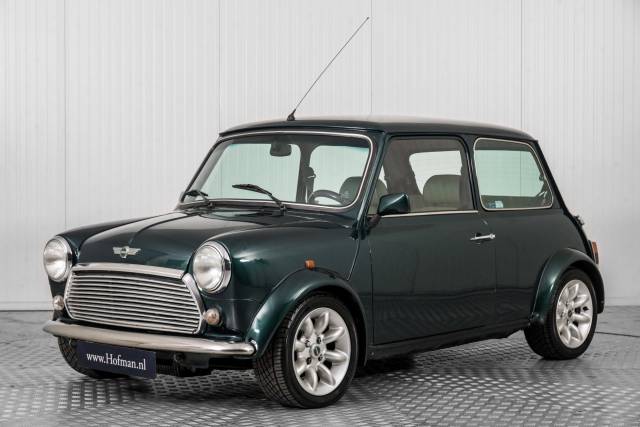
Mini Cooper S 1.3I MPi Classic
Mini Mini Classic Cars: Prices & Market Values
The market value of Mini Mini classic cars is primarily determined by the specific manufacturer code and variant, as well as technical condition, originality and mileage. Additional factors include rarity, history and documentation. A well-maintained, largely original vehicle with low, verifiable mileage and complete history including appraisals and documentation typically achieves significantly higher prices than a comparable vehicle with deferred maintenance, many modifications or unclear provenance.
Mini Mini: Market Prices & Value Trends
Based on sales data from the Classic Trader marketplace, the Mini Mini market (predominantly late classic Rover-era cars such as the Mini Cooper 1.3i MPI from 1997–2000) has shown a broadly stable to slightly rising tone over the period from early 2021 to January 2026. Across European ads (with many examples in Germany and the Netherlands, plus Switzerland and the UK), asking prices cluster most consistently in the mid-teens to mid-twenties, reflecting strong demand for tidy, original cars and well-documented restorations. Excluding clear outliers at the very low end (project-level cars) and the very high end (special conversions or niche models), a realistic market range for a typical, good-condition Mini Cooper 1.3i MPI sits at roughly €15,000–€30,000, with well-presented, late-production cars often nearer the upper half. This pricing suggests a mature market where buyers pay premiums for provenance, rust-free shells and correct specification, while average cars remain comparatively accessible for entry-level classic ownership.
The Mini Mini: Engineering meets British automotive culture
Launched in 1959 after the Suez crisis, the Mini Mini was developed at British Motor Corporation by Alec Issigonis as a direct response to demand for efficient, affordable transportation. Authored first on a napkin, its design became a symbol of clever engineering, utilising a transverse engine, front-wheel drive and rubber suspension. Production included versions by Austin, Morris, Innocenti, Riley and Wolseley, with licenced assembly in multiple countries due to extraordinary demand. Over 5.3 million units made it the UK's bestselling car, transcending class barriers and leaving a substantial mark on global car culture.
Mini Mini Model Development and Generations
The Mini’s journey started as the Austin Seven and Morris Mini-Minor, later becoming its own brand in 1969. Across its life until 2000, numerous variants came to the market: saloon, estate, van, pick-up, and cabriolet. Notable developments include the 1961 Mini Cooper and Cooper S, purpose-built for sport with uprated engines and front disc brakes. In 1980, with the launch of the Metro, the Mini shifted to a niche role, but the classic shape remained in production. BMW acquired the marque in 1997, introducing upgrades like fuel injection and airbag safety in later years, while a rich tradition of special editions continued.
Highlights and Market Data for the Mini Mini
The Mini Mini’s reputation was built on innovative packaging: a tiny footprint of just over 3 metres long, yet space for four passengers. Its wheel-at-each-corner layout and rubber suspension maximised agility. Over its lifespan, colour schemes like British Racing Green and Monza Red, two-tone roofs, and well-equipped interiors with leather and burled walnut were recurrent highlights. Special editions, from Knightsbridge to the 40th Anniversary, brought exclusive colours, trimmings and badges. Technical ingenuity extended to the shared engine and gearbox oil system, a signature detail.
Technical Data
Special Editions and Collectible Models
Dozens of limited editions punctuate the Mini’s timeline. Collectors prize editions such as the Knightsbridge (beige leather, walnut trim, limited to 684 units), Seven (380 units), and the 40th Anniversary (800 cars, unique trim). The John Cooper LE40, British Open Classic, Blue Star, Monza, and the late-run Sportspack with wide 13-inch alloys and flared arches are highly sought after. Many special editions included exclusive paint, two-tone finishes, upgraded sound systems, Webasto sunroofs, and dedicated badges.
Weak Spots and Common Issues
Corrosion remains the Mini Mini’s Achilles heel—check sills, floors, wheel arches, and subframes for evidence, as restorative work is often needed. Earlier models can have worn rubber suspension cones and bushes. Late-model fuel injection systems (SPI, MPI) require careful maintenance, as do electrical systems and immobilisers in the last production years. Routine inspection for fluid leaks, particularly engine and gearbox (which share oil), is vital. Many Minis have had extensive restoration or upgrades; always check documentation and quality of work.
Engine, Performance and Handling
All Mini Minis use the transversely mounted A-Series engine, initially at 848cc and steadily increased up to 1275cc in Cooper S and later variants. The short wheelbase, rubber-cone springing, and minimal overhangs result in sharp, entertaining handling. Cooper models use front disc brakes and tuned suspensions for better road holding. Power remains modest but is enough for lively city and B-road driving. Later engines benefit from electronic injection, lending both reliability and improved emissions.
Popular models include:
- Mini Cooper (63–75bhp, front discs, uprated suspension)
- Mini Mayfair (luxury trim)
- Mini Sportspack (wide alloys, 13-inch wheels, sporty setup)
- Knightsbridge/Seven Anniversary editions (colours, leather, limited build) undefined
Interior, Comfort and Exterior Design
The design signature is a two-door saloon body, minimal overhangs, and compact dimensions. British Racing Green with Old English White roofs, Monza Red, and Tahiti Blue are standout factory shades. Interiors range from sparse original trim with PVC upholstery to later, lavishly equipped cabins—leather upholstery in Knightsbridge, wood dashboards, bespoke gauges and special edition plaques. Dark burr walnut, aluminium trim, and colour-coded details are frequent in high-spec editions. Sports bucket seats, aluminium gearshifts, and bespoke audio upgrades (Pioneer/Blaupunkt) enhance the premium feel of special variants. Options such as electric sunroofs, alloy wheels, and body kits often featured on limited editions.
Other Features and Noteworthy Details
Many Minis were personalised with further accessories—chrome grilles and mirrors, Union Jack accents, rally-style fog lamps, and Minilite alloys. Original tools and manuals, specialised immobilisers, and rare features like colour-coded carpets and seat heating add collector value. Soundproofing and underbody protection were often retrofitted or offered as restoration upgrades. Some late-run Minis received optional air conditioning and power windows, rare for the segment.
Summary
The Mini Mini covers an unmatched history in British motoring: produced from 1959 to 2000, sold globally in myriad editions, and technically evolving from basic city car to well-appointed niche model. With many still surviving thanks to robust parts supply, Minis fitted with unique features, special trims or rare editions continue to draw the attention of fans and collectors alike. Their technical ingenuity, clever packaging and distinct style ensure their place in classic car culture.