Lancia Beta Classic Cars for Sale
The Lancia Beta range, produced between 1972 and 1984, represents the first new generation of Lancias after the Fiat takeover, encompassing a diverse spectrum of sporty, elegant and highly engineered Italian cars. With body styles from the Berlina to Coupé, Spider, HPE and the mid-engined Montecarlo, the Beta series stands out for its advanced technical achievements, its rich motorsport history and its sophisticated Italian design identity. Read more to discover the full history and appeal of the Lancia Beta.
Search results
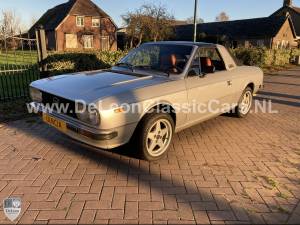
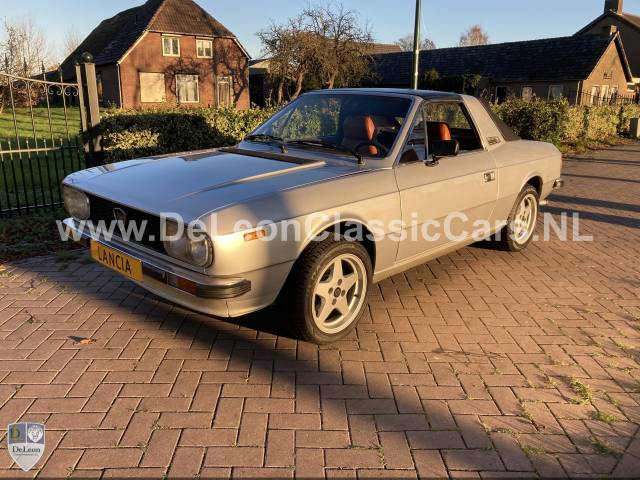
1977 | Lancia Beta Spider 1600
Zagato Spider
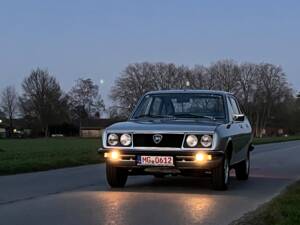
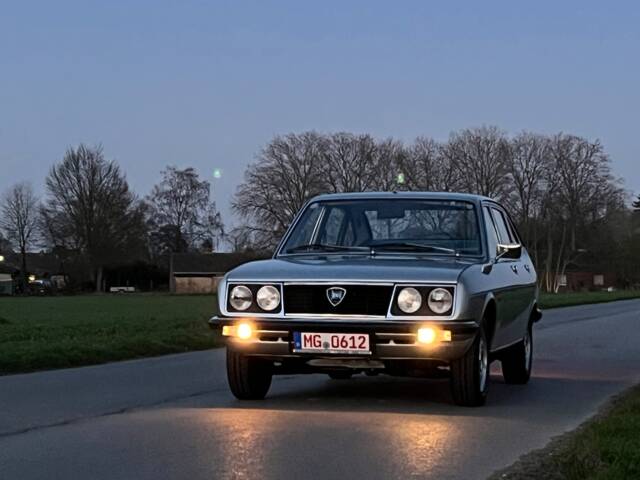
1973 | Lancia Beta 1400
Aus Sammlung // Mit H-Kennzeichen
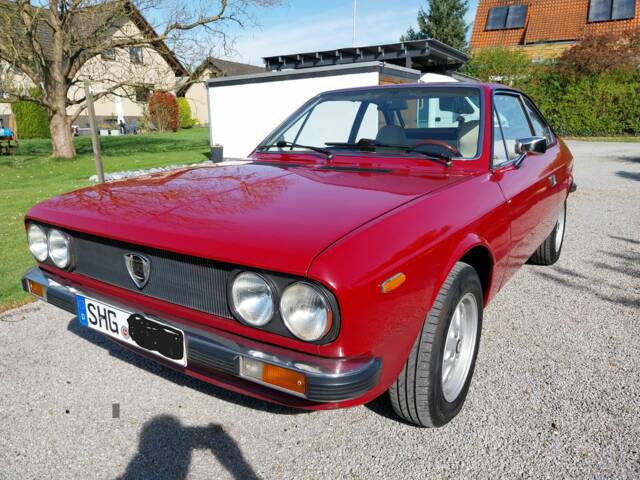
1977 | Lancia Beta Coupe 1600
Lancia Beta Coupe | 1977 | Route 66 Auctions - For sale by auction. Estimate 6500 EUR
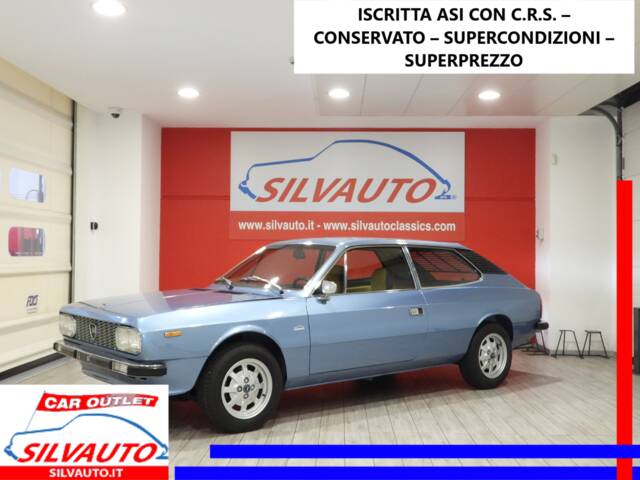
1976 | Lancia Beta Coupe 1600
ISCRITTA ASI CON C.R.S. – CONSERVATO – SUPERCONDIZIONI
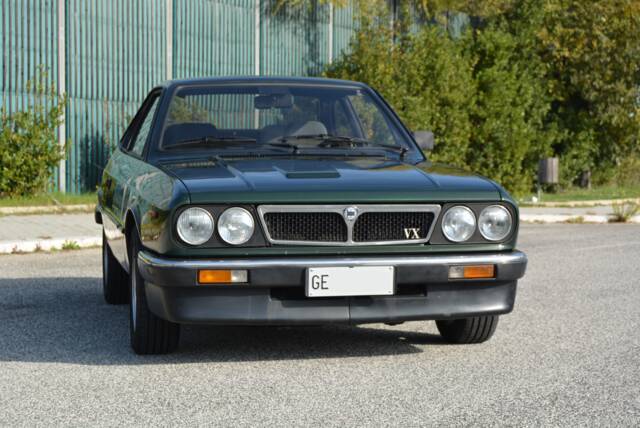
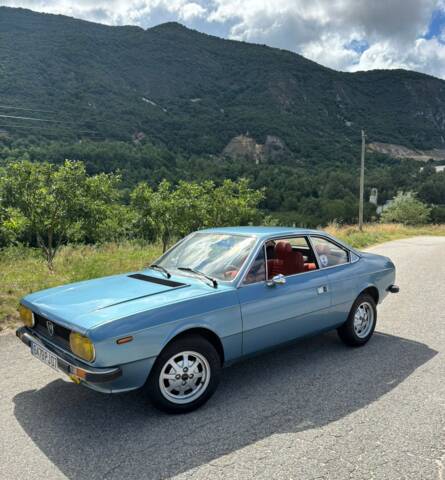
1976 | Lancia Beta Coupe 2000
SUPERBE, RARE, ORIGINALE Jamais Restaurée -
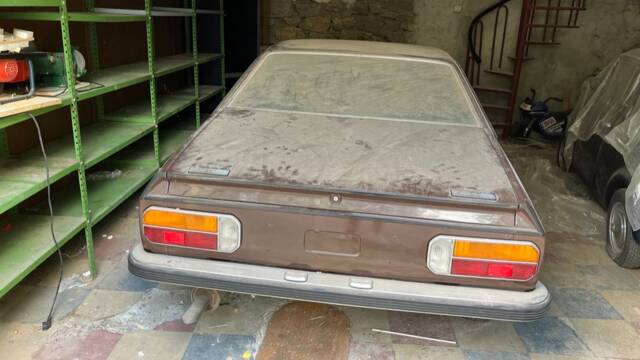
1978 | Lancia Beta Coupe 1300
Lancia Beta Coupé 1300 – 1978
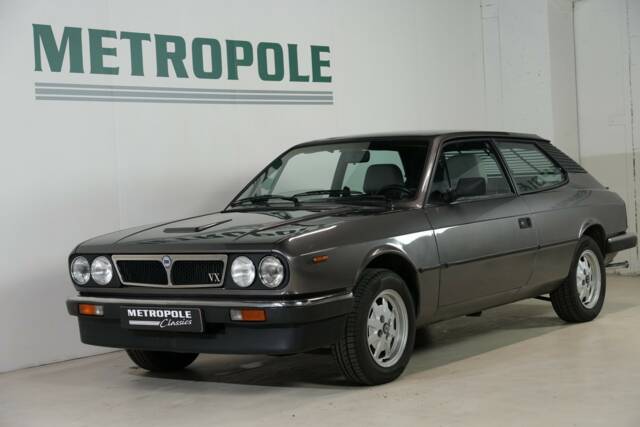
1983 | Lancia Beta HP Executive VX
Lancia Beta HPE Volumex M1048
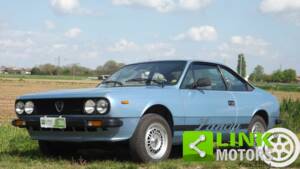
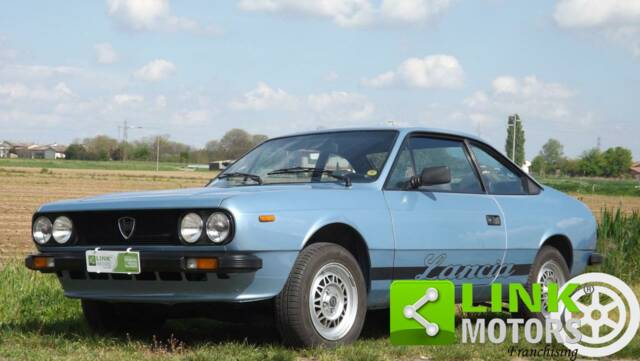
1981 | Lancia Beta Coupe 1600
LANCIA Beta Coupe laser 1.6 funzionate ben tenuta
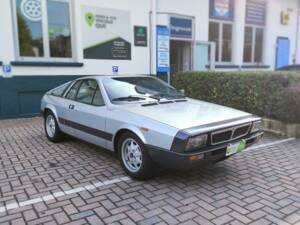
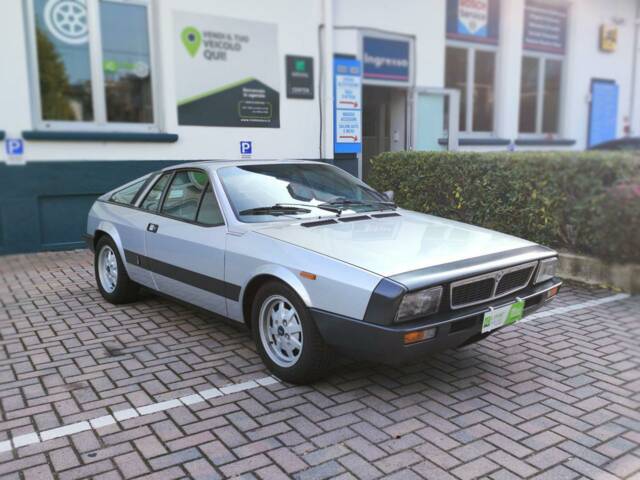
1980 | Lancia Beta Montecarlo
LANCIA Beta MONTECARLO
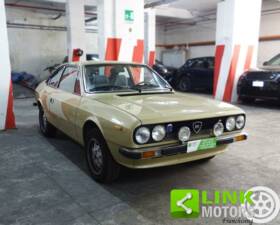
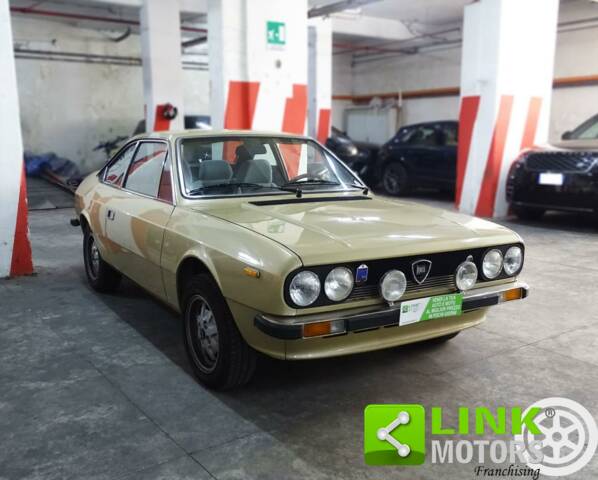
1979 | Lancia Beta Coupe 1600
LANCIA Beta Coupe 1.6 102cv
Lancia Beta listing references from Classic Trader
Below you will find listings related to your search that are no longer available on Classic Trader. Use this information to gain insight into availability, value trends, and current pricing for a "Lancia Beta" to make a more informed purchasing decision.
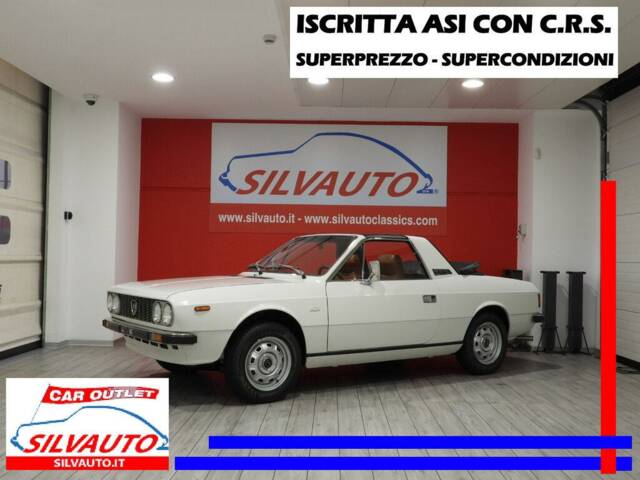
1977 | Lancia Beta Montecarlo Spider
LANCIA BETA 1600 SPIDER TIPO 828 BS0- ISCRITTA ASI CON C.R.S. – SUPERCONDIZIONI – SICURA RIVALUTAZIONE – SUPERPREZZO (1977)
History of the Lancia Beta
Launched in 1972 as the first model developed under Fiat’s leadership, the Lancia Beta represented a turning point in Lancia’s history. The Beta line was created on a budget and yet managed to integrate technical prowess and unique Italian styling across a broad range of variants. Its name followed Lancia’s tradition of Greek alphabet model designations. The Beta’s multiple body types—Berlina, Coupé, HPE, Spider and Montecarlo—were a testament to Lancia’s pursuit of versatility. Throughout its production, the Beta achieved technical advances and reached notable success in motorsport, securing the world championship title in sportscar racing in 1980 and 1981. The Beta series ultimately spanned nearly every market segment before production ended in 1984, replaced by the Lancia Thema.
Model History
After the 1969 Fiat acquisition, Lancia quickly moved to replace its older models, beginning with the Beta Berlina saloon in 1972. Successive introductions followed: the sportier Coupé in 1973, the practical and dynamic HPE (High Performance Estate) in 1974, the mid-engined Montecarlo by 1975, and finally the Targa-style Spider, with bodies built at Lancia and finished by Zagato. Updates throughout production included the switch from carburetted to injected engines, supercharged Volumex variants, and the Beta Trevi, a uniquely styled notchback saloon. The Beta series saw continuous technical upgrades and iterative design changes until replacement by the Thema in 1984.
Highlights and Special Features
Distinctive for its technical sophistication and breadth of variants, the Beta set benchmarks in its class: disc brakes all around, independent suspension, and standard five-speed gearboxes—ahead of many competitors. The Beta Berlina and Coupé balanced comfort and sportiness, while the HPE offered a blend of practicality and dynamic driving with a shooting-brake layout. The Spider implemented an innovative semi-convertible design with an integrated roll bar. Many models received design input from Pininfarina, Castagno, and Castagnero. Limited Volumex (VX) models featured a supercharged 2.0-litre engine. Motorsport involvement ranged from the Beta Montecarlo Turbo, a racing legend, to the rally-bred 037.
Market statistics: According to current listings data, Betas constitute about 72.1% of all classic Lancias on the market; the first and second series models account for 12.5% and 13.1% respectively. Demand statistics mirror this, with Betas attracting 67.1% of listing views for classic Lancias, affirming the series' key position among collectors and enthusiasts.
Technical Data
Special Editions and Collectible Models
The rarest and most sought-after Beta models are the Volumex (VX) variants, equipped with a Roots-type supercharger, delivering up to 139 PS. Only around 2,369 HPE VX models were made. Another standout is the Beta Montecarlo, a mid-engined sports car built in collaboration with Pininfarina, produced in about 5,775 examples over two series. The Beta Spider, converted by Zagato, stands out for its innovative Targa roof design and low production numbers (under 10,000, with only 9,390 built). In the USA, the Montecarlo Spider was sold as the Lancia Scorpion, fitted with a detuned 1.8-litre engine for emissions compliance. Motorsport specials such as the Beta Montecarlo Turbo and its derivatives are celebrated for their competition pedigree.
Weak Spots and Common Issues
Prospective Beta buyers should pay particular attention to rust protection and previous restoration quality, as corrosion was a persistent problem for all body styles, especially early examples. Timely replacement of timing belts and regular servicing of the double overhead cam engines are vital. The supercharged VX models require additional vigilance in supercharger and induction system maintenance. Interior fit and finish, while generally high, can suffer from age-related wear, particularly in rare trim materials. As with any classic Lancia, keep an eye out for full service documentation and manufacturer accessories, which greatly improve long-term reliability and value.
Engine and Performance, Transmission and Handling
The Beta series earned a reputation for agile handling and advanced chassis dynamics, thanks mainly to its fully independent suspension and precise rack-and-pinion steering. Most variants are front-wheel drive—aside from the rear-driven, mid-engined Montecarlo. Engines delivered responsive power: standard 1.6 and 2.0 variants provided brisk acceleration and impressive rev-hungry character, while the Volumex supercharged engines brought a substantial torque boost, especially in the HPE and Coupé VX. Gearboxes are predominantly five-speed manuals, crisp in operation, further enhancing the Beta’s sporting credentials. The Montecarlo, with its low centre of gravity and finely tuned balance, remains a favourite among driving enthusiasts for its rewarding rear-wheel drive dynamics. - Beta Coupé 2.0: 120 PS, 5-speed, sport chassis, often with alloy wheels.
- HPE VX: 2.0 supercharged (135–139 PS), practical shooting-brake format, high torque.
- Montecarlo: 2-seat, mid-engined, ca. 120 PS, excellent handling balance.
Interior, Comfort, Exterior and Design
Italian design identity defines the Beta throughout, with input from renowned designers like Pininfarina (Montecarlo, Spider) and Castagnero (HPE). Special attention to sportiness was achieved in details like dual round headlights (notably on the Coupé 2000), low-slung bodies and sporty interior layouts with bucket seats and driver-focused dashboards. Materials on higher-spec models ranged from Alcantara-trimmed dashes to luxurious Ermenegildo Zegna wool upholstery, especially in the HPE VX. OEM alloy wheels (often Cromodora), period-correct colour palettes like Rosso Racing and Bianco Saratoga, and rare comfort options (air conditioning, Recaro sports seats) underline the upmarket ethos. Accessories such as original toolkits and manuals are sought-after in the collector scene, and some Beta examples left the factory with exclusive Italian-market features.
Other Noteworthy Details
Complex production histories highlight the collaborative nature of Italian carmaking: for example, the Beta Spider’s partially Lancia-built, Zagato-finished body and the Pininfarina-built Montecarlo underline the custom, boutique routes of Beta production. Many examples qualify for historic vehicle status (ASI, FIVA) and have staged comebacks in enthusiast circles due to continuous interest in 1970s–1980s Italian engineering. Documentation such as service books and toolkits plays a significant role in the vehicle’s desirability on the market.
Summary
The Lancia Beta series stands as a showcase of Italian automotive innovation during the transitionary post-Fiat era, offering a remarkably broad palette of body styles, advanced engineering, and unique design statements. Its technical achievements—from double overhead cam engines to Volumex superchargers—and prominent motorsport connections lend it lasting appeal among enthusiasts. Market interest remains strong, as reflected in both supply and demand statistics, placing the Beta at the centre of Lancia classic car culture.