FIAT Ritmo Classic Cars for Sale
Produced from 1978 to 1988, the Fiat Ritmo represents one of the most innovative compact cars to come out of Italy. Known for its advanced design, broad engine range—including sought-after Abarth sports versions—and practical bodywork with both hatchback and cabriolet options, the Ritmo offers a unique blend of Italian engineering and period character. Models such as the 125 TC and 130 TC Abarth deliver impressive performance and stand out for their motorsport DNA. Discover the diverse world of Fiat Ritmo classics and explore their distinctive traits and history.
Search results
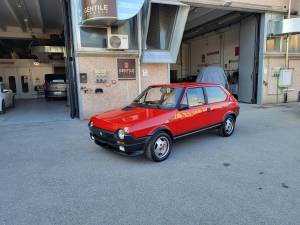
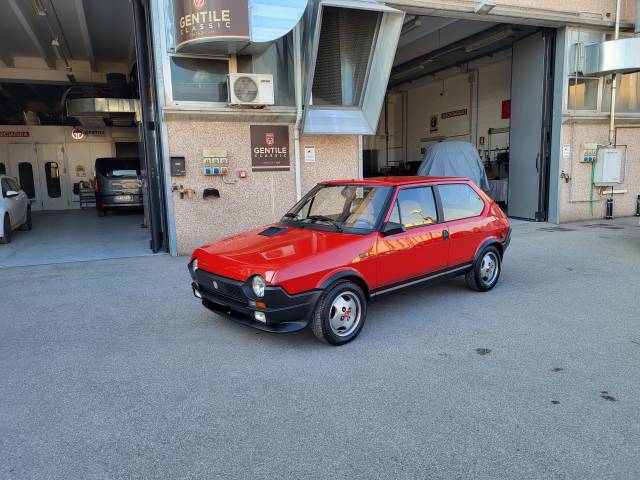
1982 | FIAT Ritmo 125 TC
ABARTH TUTTA ORIGINALE ! 1° SERIE RARISSIMA !

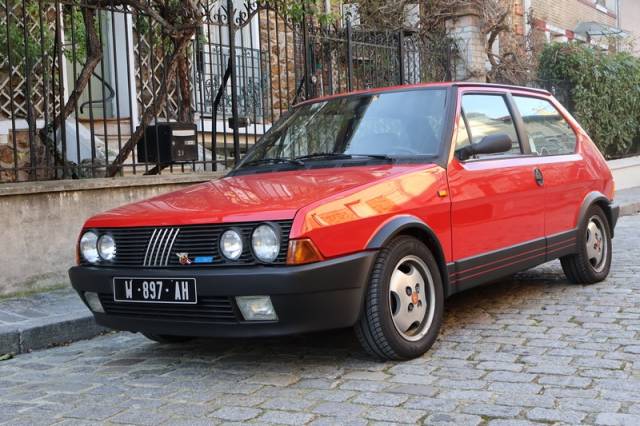
1984 | FIAT Ritmo 130 TC Abarth
Très belle restauration, (très couteuse…)

Auctions ending soon

Loading…
Loading…
Loading…
Loading…
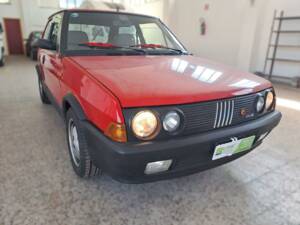
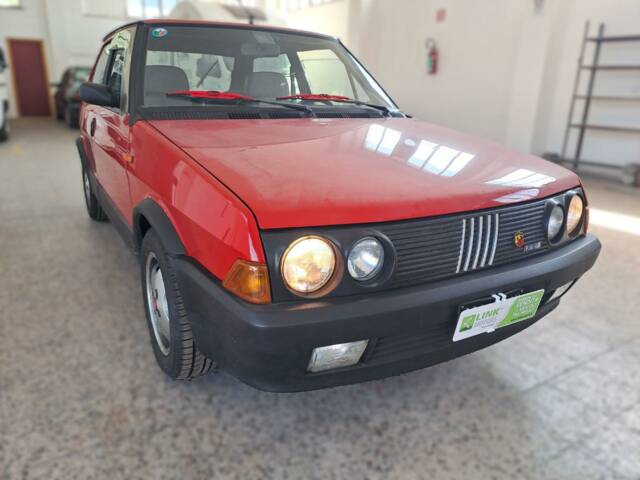
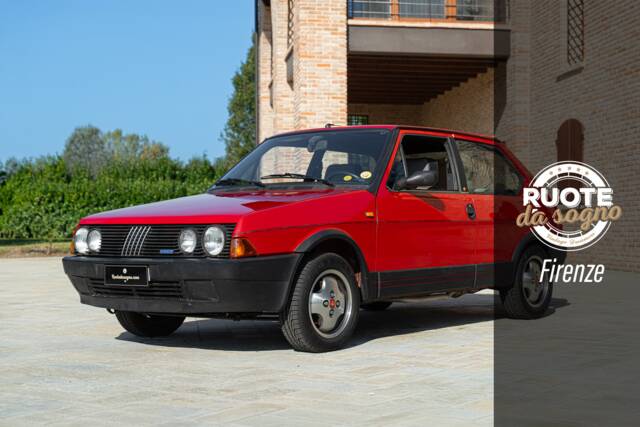
1990 | FIAT Ritmo 105 TC
Fiat RITMO 105 TC
Newsletter
The best FIAT listings, straight to your inbox
Get hand-picked FIAT listings, plus the best of cars, motorbikes, and auctions on Classic Trader — all in one place.
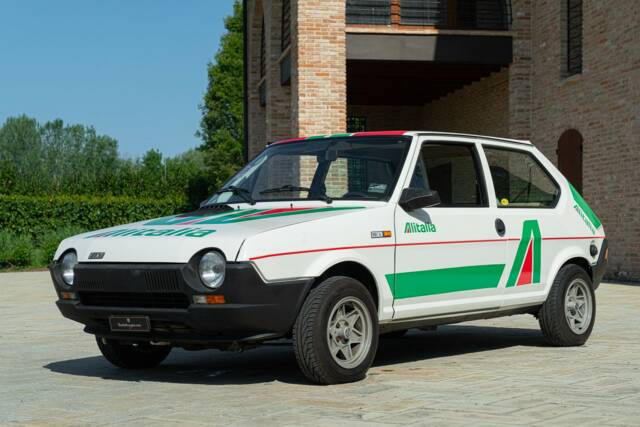
1980 | FIAT Ritmo 60
Fiat RITMO 60 L "REPLICA ALITALIA"
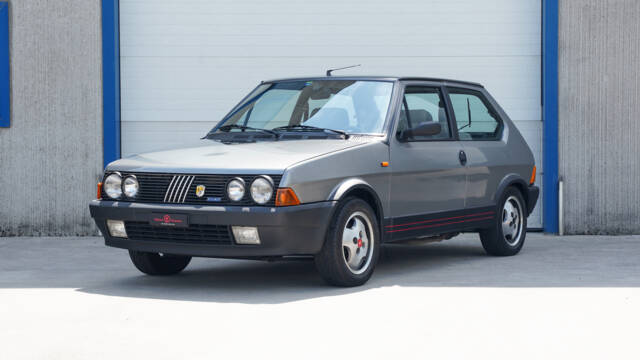
1984 | FIAT Ritmo 130 TC Abarth
Ritmo 130 TC
FIAT Ritmo listing references from Classic Trader
Below you will find listings related to your search that are no longer available on Classic Trader. Use this information to gain insight into availability, value trends, and current pricing for a "FIAT Ritmo" to make a more informed purchasing decision.
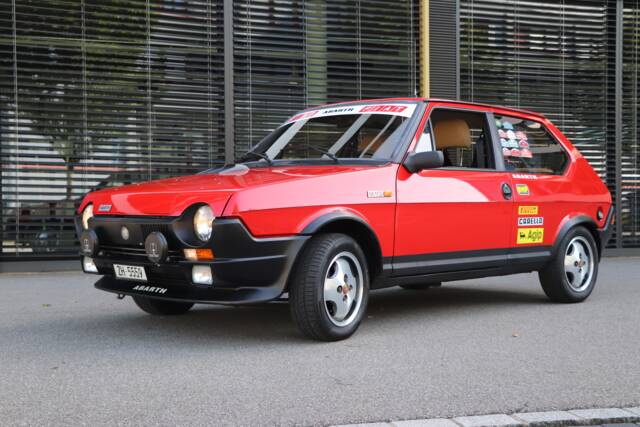
1982 | FIAT Ritmo 125 TC Abarth
Excellent condition; CH MFK Veteran 03.2026; documented maintenance history

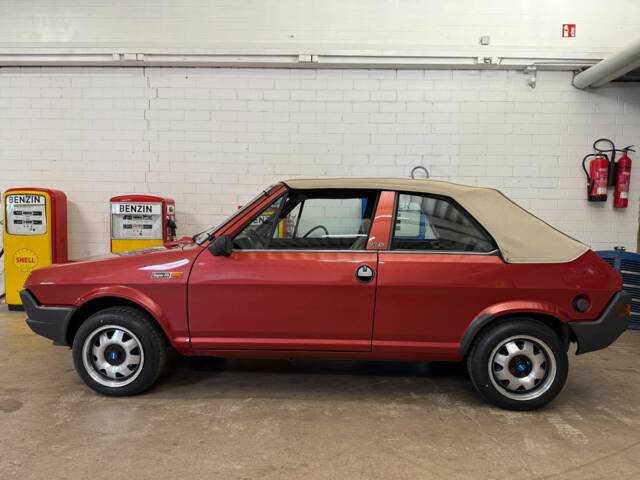
1982 | FIAT Ritmo Bertone
Fiat Ritmo

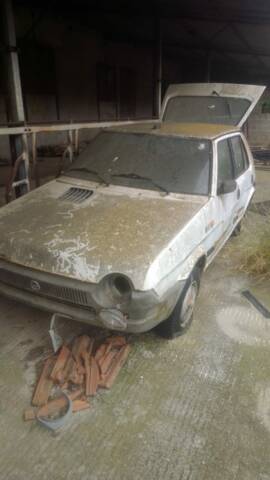
1981 | FIAT Ritmo 55 D
SEAT Ritmo Diesel

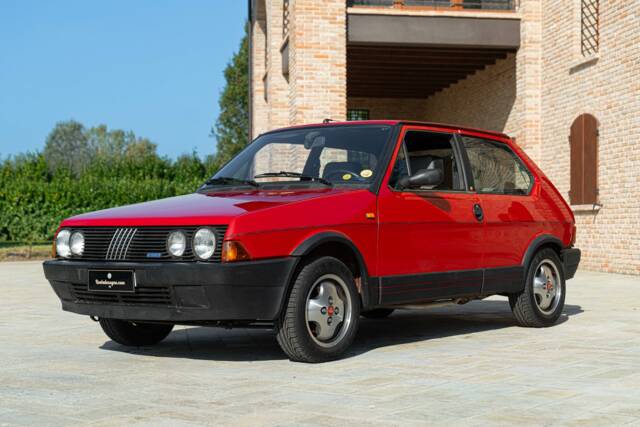
1990 | FIAT Ritmo 105 TC
Fiat RITMO 105 TC
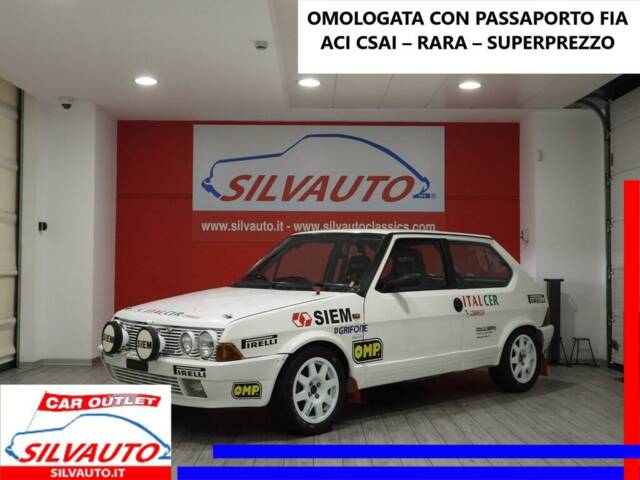
1984 | FIAT Ritmo 130 TC Abarth
FIAT RITMO ABARTH 130 TC GR.A (1984) OMOLOGATA CON PASSAPORTO FIA ACI CSAI – RARA – SUPERPREZZO
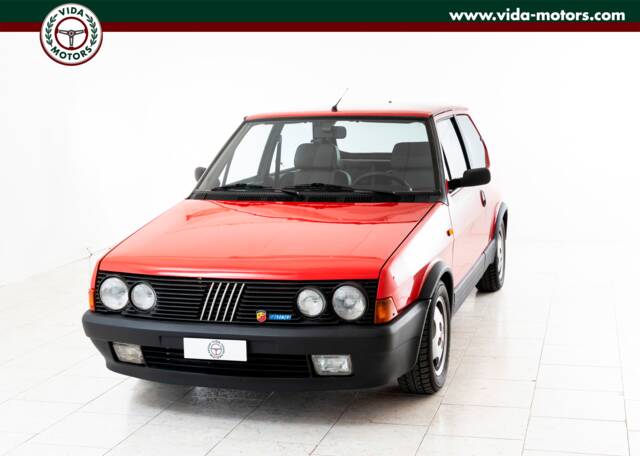
1984 | FIAT Ritmo 130 TC Abarth
4.000 KM * METICULOUS RESTORATION * 130 TC
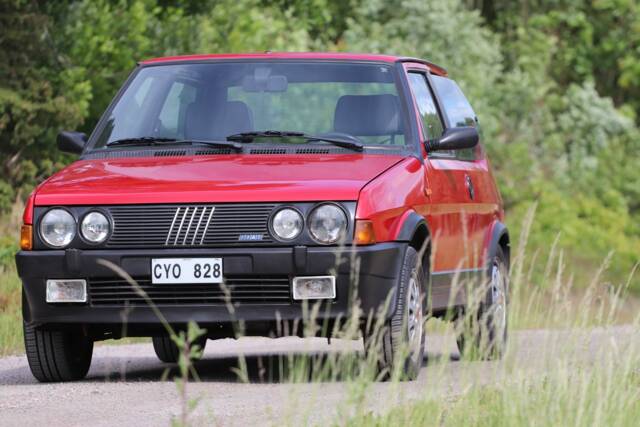
1984 | FIAT Ritmo 105 TC
Rare 105TC in perfect running condition

FIAT Ritmo Classic Cars: Prices & Market Values
The market value of FIAT Ritmo classic cars is primarily determined by technical condition, originality and mileage, as well as rarity, history and documentation. A well-maintained, largely original vehicle with low, verifiable mileage and complete history including appraisals and documentation typically achieves significantly higher prices than a comparable vehicle with deferred maintenance, many modifications or unclear provenance.
FIAT Ritmo: Market Prices & Value Trends
Based on sales data from the Classic Trader marketplace, the FIAT Ritmo market in Europe shows a broadly stable to gently rising trend over the period from January 2021 to January 2026, with most activity centred on Italy, plus occasional examples from Germany, the Netherlands, Switzerland and France. The strongest demand sits with the sporting derivatives, especially the 1983–1987 Ritmo 130 TC Abarth and 125 TC/125 TC Abarth: realistic asking values typically cluster around €17,000–€23,000, with well-presented cars sometimes stretching towards the high-€20,000s. More everyday variants sit notably lower, with Ritmo 105 TC often seen around €10,000–€13,000, Bertone-branded cars commonly in the €7,000–€12,000 bracket, and basic models like the Ritmo 60 generally closer to €3,000–€5,000 depending on condition. A few very low figures appear, but they look like outliers and should not be treated as representative market levels. Overall, the Ritmo’s values appear to be stabilising as 1980s hot hatches become harder to find in original, rust-free condition.
History of the Fiat Ritmo
Launched in 1978 as Fiat’s answer to the booming compact car market, the Ritmo (marketed as Strada in some countries) was designed to replace the Fiat 128. Developed throughout the ‘70s, the Ritmo introduced several technological advances, including robot-assisted assembly, which marked a new era for Italian car manufacturing. It featured a bold design, integrating plastic bumpers seamlessly into its bodywork, a first in Italy. Built until 1988, it paved the way for its successor, the Fiat Tipo. Over its ten-year production, over two million units were made, with the model enjoying particular success in southern Europe. Enthusiasts still meet annually for dedicated Ritmo gatherings, some bringing rare original paperwork and specification vehicles.
Model History
The Ritmo range debuted in 1978 with several versions, including the Ritmo 60, 65, and 75, and was developed further with significant facelifts in 1982 (Series II) and 1985 (Series III). It was always front-wheel drive, with either four- or five-speed manual transmissions. The Ritmo replaced the Fiat 128 and was in turn succeeded by the Tipo in 1988. Over its lifespan, it was available as three- or five-door hatchbacks and, from 1981, as a Bertone-built cabriolet. The sportier Ritmo Abarth models—125 TC and 130 TC—used twin-cam 2.0-litre engines and marked the pinnacle of the range, finding their own niche among hot hatch fans and rally drivers.
Highlights and Features
• The Ritmo was one of the first mass-market cars assembled using robots and featured an innovative body with integrated plastic bumpers, setting new standards for practicality and repair costs. • Wide range of engines from 55 to 131 PS, including notable diesel and the high-performance Abarth units. • Hatchback practicality with three- and five-door layouts, plus a Bertone cabrio option. • Abarth versions were factory prepared for motorsport, boasting features like ZF five-speed gearboxes, Weber carburettors, unique wheels, and signature badging. • Unique model-specific features such as Recaro sport seats, special colour options including 'Grigio Quarzo,' and optional LPG fuel systems for some variants. • Some examples possess ASI certification (Automotoclub Storico Italiano) or original Italian/German plates.
According to our current data, the Fiat Ritmo accounts for 100% of both supply and demand for this manufacturer code among classic Fiat models listed. This highlights the Ritmo's standout presence and enduring interest in the classic Fiat segment.
Technical Data
Special Editions and Collectible Models
The most sought-after Ritmos are undeniably the Abarth models:
- Fiat Ritmo 125 TC Abarth: 2.0L twin-cam engine, ~125 PS, advanced braking, motorsport-ready chassis, Weber twin carburettors.
- Fiat Ritmo 130 TC Abarth: 2.0L engine with 130 PS, ZF five-speed gearbox, extensive mechanical enhancements, final classic Abarth hot hatch developed in collaboration with motorsport departments. Group N-homologated versions came with strengthened axles and brakes.
- Bertone Ritmo Cabriolet: Open-top style, affordable compared with contemporaries, featured robust engines; rare in the current market.
Other highlights include rare early first-series models and vehicles with period accessories and paperwork, including ASI certificates and original registration plates.
Weak Spots and Common Issues
- Susceptibility to corrosion, particularly the tailgate and exterior panels; underbody rust is a common problem.
- Interior plastics and trim frequently fade and crack due to UV exposure; dashboards and bumpers are often affected.
- Electrical faults including erratic wiring and unreliable fuse boxes; ensure thorough inspection.
- Gearboxes (particularly non-Abarth models) can be imprecise, with stiff shifting.
- Overall material quality—especially on early models—can disappoint.
- Replacement parts may be scarce for certain trim and body components, especially for rare Abarth and cabrio versions.
- Unusual styling initially divided opinion, and complicates restoration for some owners.
- Regular attention to classic car rustproofing and diligent mechanical maintenance is required to preserve a Ritmo in good condition.
Engine and Performance, Transmission and Handling
Ritmo engines range from frugal 1.1-litre units to potent 2.0-litre twin-cams in Abarth versions. The 125 TC Abarth provides around 125 PS, while the 130 TC pushes 130 PS, enabling acceleration from 0–100 km/h in just eight seconds; among the fastest in its class during its era. The characteristic front-wheel-drive setup and independent suspension give handling that excels particularly in the sporty versions, notably improved dynamics and braking on Abarth variants with larger discs and performance chassis. Standard models focus on fuel efficiency and everyday use, whereas motorsport-prepared editions include reinforced axles and competition-ready details.
Popular models include:
- Fiat Ritmo 130 TC Abarth: 2.0L 130 PS, ZF 5-speed, rally and circuit roots.
- Fiat Ritmo 125 TC Abarth: 2.0L 125 PS, distinctive torque and acceleration.
- Ritmo 75 Cabriolet: Lifestyle open-top, lively 75 PS engine. All Abarth models feature trademark tuning and chassis upgrades from their racing lineage. • Fiat Ritmo 130 TC Abarth: Motorsport pedigree, 2.0L 130 PS. • Fiat Ritmo 125 TC Abarth: Sports tuning, distinctive twin-cam engine. • Ritmo Cabriolet: Affordable open-top motoring from Bertone.
Interior, Comfort, Exterior and Design
Penned in Turin and built to stand out, the Ritmo's styling is defined by sharp edges and distinctively integrated plastic bumpers—practical yet unmistakably period. Interiors range from utilitarian cloth on basic versions to sports seats in Abarth editions, some supplied by Recaro. The instrument panel is functional and boasts a clean, modular look typical for late ‘70s and ‘80s Italian cars. Unique exterior colours, including 'Grigio Quarzo' metallic and bright orangered, were available factory-fresh. Accessories included original alloy wheels (Speedline for Abarth), unique Abarth badges, and optional sports steering wheels. Cabriolet models by Bertone feature strengthened body tubs with classic soft tops and exclusive trim details.
Other Features
Ritmo owners’ clubs remain active in Italy, Germany, and Switzerland, organising rallies and festivals. Models with original documents, first registration plates, or ASI (Italian historic vehicle) certification are valued among collectors. Factory LPG options (notably on the 75 model) underline the range’s breadth and appeal for alternative fuel fans. Some cars are accompanied by comprehensive service books, two-key sets and original equipment delivered at sale; such details often contribute to desirability among serious Fiat collectors.
Summary
The Fiat Ritmo stands out in the classic segment as one of the most technologically advanced and characterful Italian compacts from the late 20th century. Its wide range, innovative production, and motorsport credentials—especially in Abarth trim—ensure it remains a fascinating subject for collectors and enthusiasts. As both supply and demand data show, the Ritmo claims a central spot within classic Fiat trading today. Condition and originality, especially on Abarth and cabriolets, are critical factors for enthusiasts and long-term preservation.