Ferrari 308 classic cars for sale
The Ferrari 308 series, produced from 1975 to 1985, set new standards for accessible V8-powered sports cars from Maranello. With distinctive models like the GTB (Berlinetta) coupé and the GTS Targa, as well as rare lightweight 'Vetroresina' versions, the 308 embodies the fusion of precise Italian design, robust mechanical engineering, and spirited driving. Explore the diversity and detailed history behind every 308 in our listings.
Search results
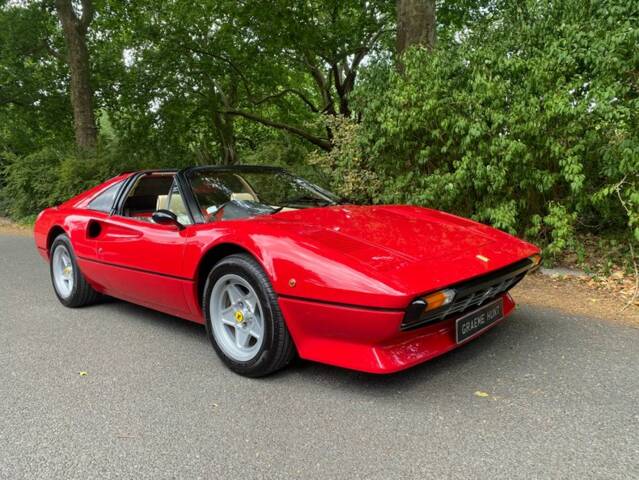
1978 | Ferrari 308 GTS
1978 Ferrari 308 GTS

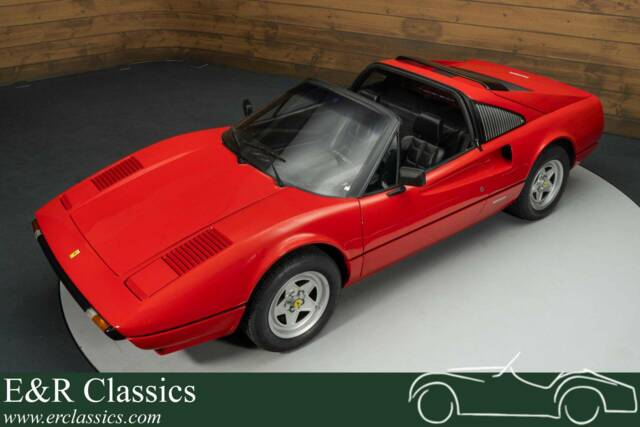
1982 | Ferrari 308 GTSi (US)
Ferrari 308

Auctions ending soon

Loading…
Loading…
Loading…
Loading…
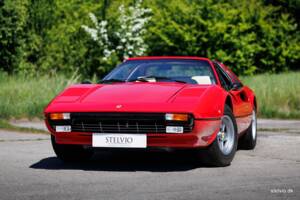
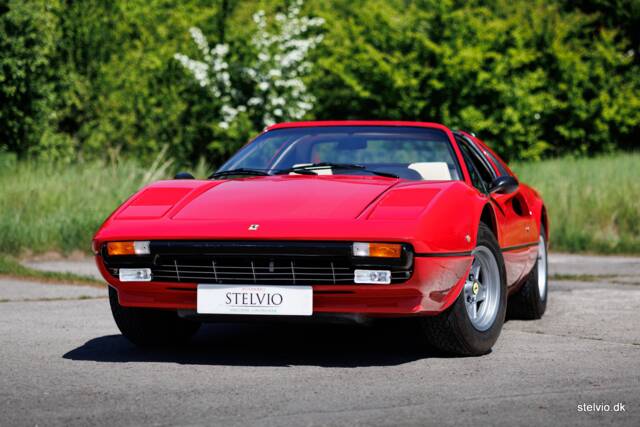
1978 | Ferrari 308 GTS
Original European carburator version

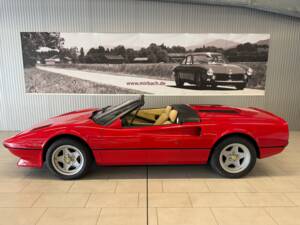
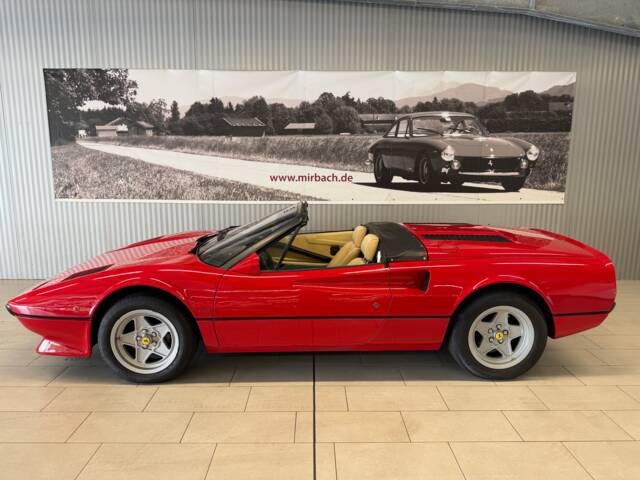
1982 | Ferrari 308 GTSi
308 GTSi Lorenz &Rankl Spider

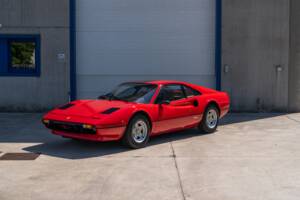
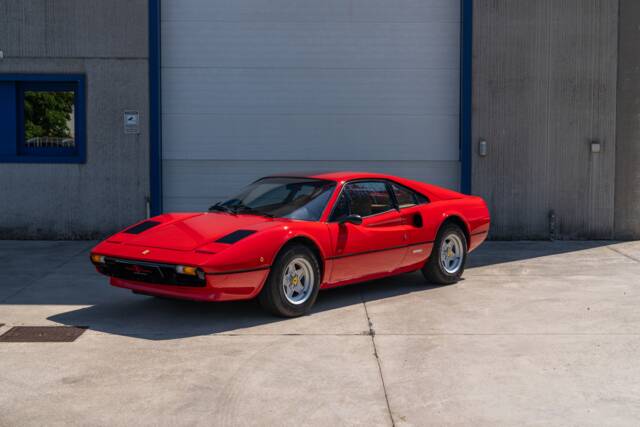
1977 | Ferrari 308 GTB
Carter Secco

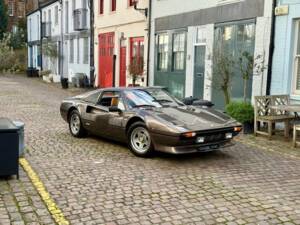
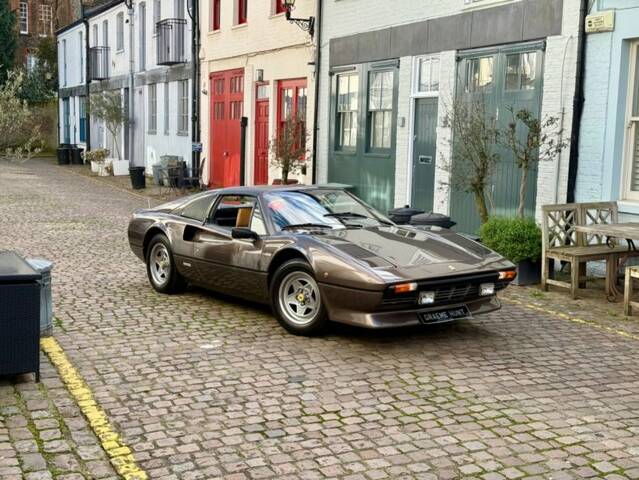
1980 | Ferrari 308 GTS
1980 Ferrari 308 GTS
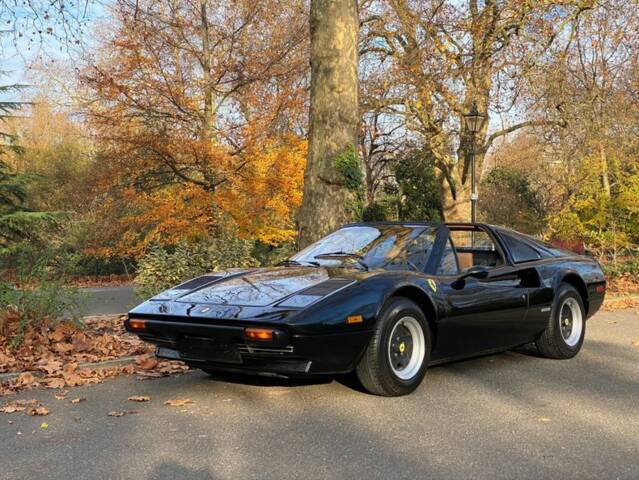
1978 | Ferrari 308 GTS
1978 Ferrari 308 GTS
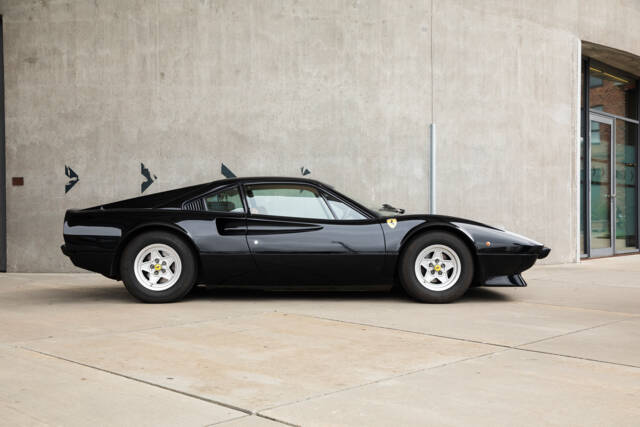
1977 | Ferrari 308 GTB
Dry Sump. Italian delivery. Matching numbers. Original colour. Classiche Certificate.
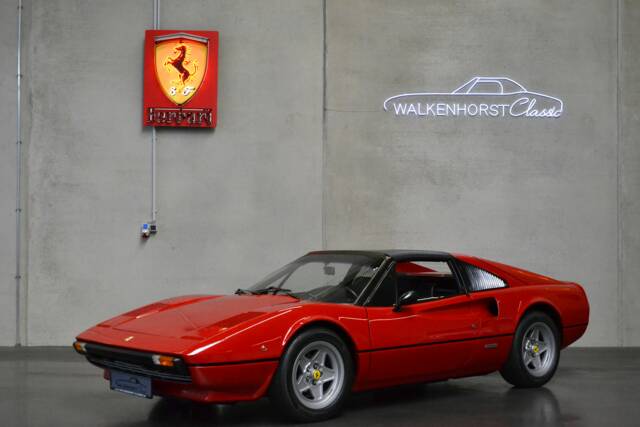
1980 | Ferrari 308 GTS
GTS Targa / 2Hd. / Restauriert
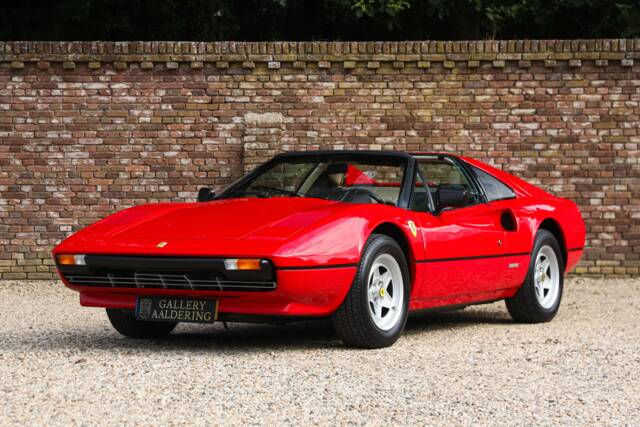
1981 | Ferrari 308 GTSi
Ferrari 308 GTSi "Rosso Corsa" Over the past few years the owner has put a lot of effort into it, A thorough overhaul - Both visually and technically, The engine and transmission were overhauled and rebuilt 3 years ago, In classic Ferrari style - "Rosso Corsa with black leather" - All Time Favorite,1981 was also Ferrari's first year in F1 with a turbocharged engine, With invoices and the Ferrari Service Book
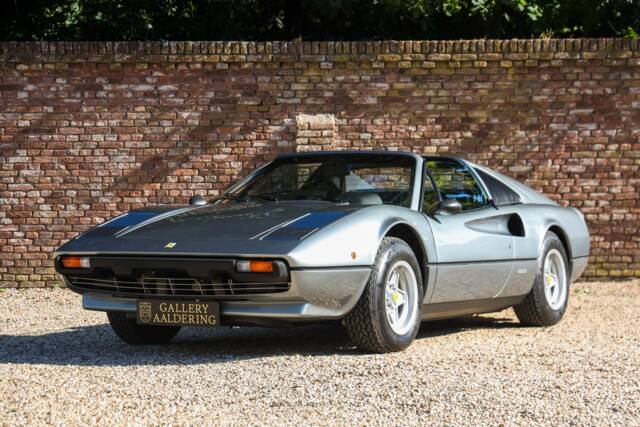
1978 | Ferrari 308 GTS
Ferrari 308 GTS "Rebuilt the way it should be" Fully restored and rebuilt by a Dutch Ferrari specialist - “Purely out of nostalgia on the part of the last owner”, No consideration was given to the costs,A timeless color scheme, Presented in Grigio Ferro - "The dark side of gray" - over pelle marrone, Lots of attention to the rebuilding mechanism, "You don't have to grow a mustache to drive a 308 GTS",
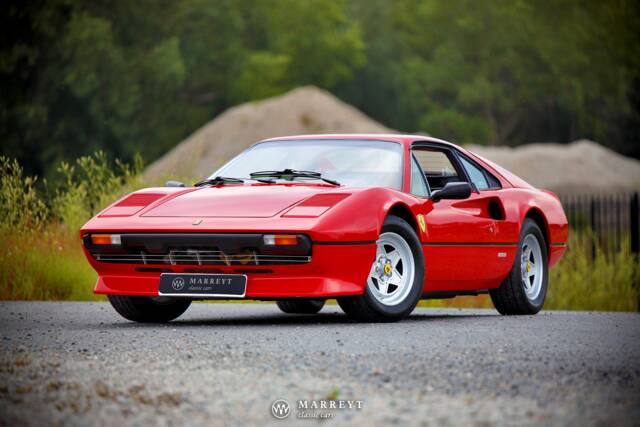
1981 | Ferrari 308 GTBi
Rosso Chiaro over Beige leather

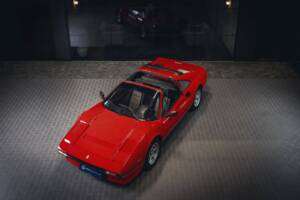
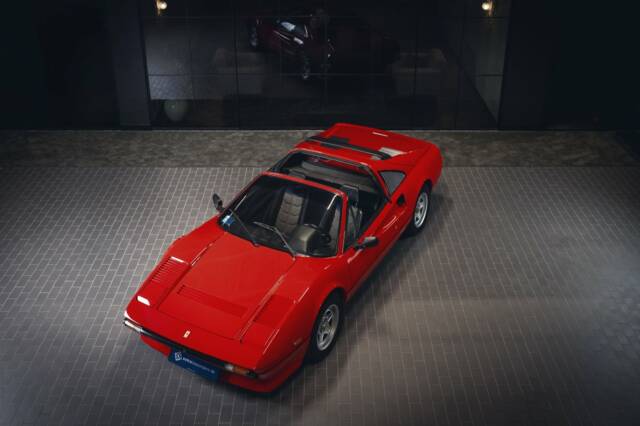
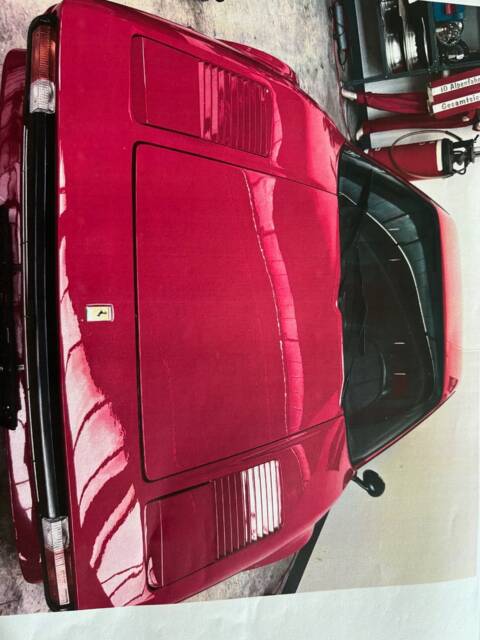
1976 | Ferrari 308 GTB
Vetroresina

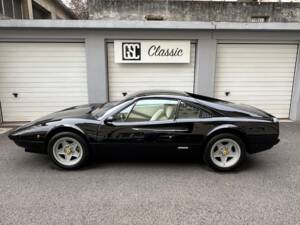
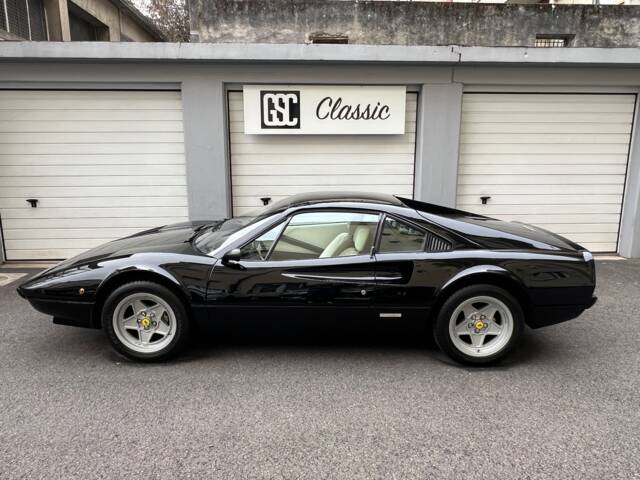
1979 | Ferrari 308 GTB
Etat d'origine exceptionnel. Voiture suisse. Carnet de service.

Ferrari 308 Classic Cars: Prices & Market Values
The market value of Ferrari 308 classic cars is primarily determined by technical condition, originality and mileage, as well as rarity, history and documentation. A well-maintained, largely original vehicle with low, verifiable mileage and complete history including appraisals and documentation typically achieves significantly higher prices than a comparable vehicle with deferred maintenance, many modifications or unclear provenance.
Ferrari 308: Market Prices & Value Trends
Based on sales data from the Classic Trader marketplace, the Ferrari 308 market in Europe has been broadly stable to slightly firmer over the period from early 2021 to January 2026, with most asking prices clustering in a consistent mid-band despite occasional highs for early GTB examples. Across 308 GTB/GTS and injected GTBi/GTSi variants (typically 1976–1986), a realistic current market range is around €75,000 to €115,000 for well-presented cars, with Quattrovalvole models and strong histories often sitting towards the upper end. German, Dutch and Belgian adverts frequently land in this bracket, while UK pricing in £ shows a comparable spread depending on specification and condition. Very high figures (well above €160,000) appear to be limited to standout early GTB cars and should be treated as outliers rather than the norm. For buyers, this suggests a mature market where provenance, service records and originality drive value, and the 308’s enduring design appeal and analogue driving character continue to support demand.
History of the Ferrari 308
The Ferrari 308 was introduced in 1975 as the direct successor to the Dino 246 GT, marking a new era for Ferrari’s road cars. Initially available as the GTB coupé and later as the GTS Targa, both models were developed with input from Pininfarina’s Leonardo Fioravanti and constructed by Scaglietti. Notably, the first GTBs featured fibreglass bodies (‘Vetroresina’), offering exceptional weight advantages until steel construction took over in 1977. The 308 replaced the Dino series and stood out with its transverse mid-mounted V8—a new configuration for Ferrari. Over its decade-long run, the 308 saw several updates in technology, output, and emissions compliance, remaining in production until it was ultimately succeeded by the Ferrari 328 in 1985.
Model History and Development
The 308 family began with the 308 GT4, originally badged as a Dino and designed by Bertone as a 2+2, before evolving into the sharper two-seat 308 GTB and GTS. These Pininfarina-styled variants embodied Ferrari’s move towards more agile, mid-engined V8 models, creating the blueprint for future Ferraris. After the breakthrough ‘Vetroresina’ GTB, Ferrari switched to steel bodies from mid-1977 due to rationalisation and production speed. The GTS, introduced in 1977, broadened appeal with a removable Targa roof. From 1980, fuel injection arrived (GTBi/GTSi) to meet new emission standards, albeit with reduced power. Power bounced back in 1982 with the 'Quattrovalvole' (QV) models—introducing four valves per cylinder, up to 240–241 hp, and bringing the series to its culmination. Production figures across all 308 versions approach 12,000 units.
Highlights and Noteworthy Features
The Ferrari 308 set itself apart with distinct design elements: a transverse mid-engine 2.9-litre V8, available in coupe and Targa configurations, and a focus on precise handling via double wishbone suspension and rear-wheel drive. Early Vetroresina cars stand out for their lightweight fibreglass bodies (approx. 1,050 kg), while later cars shifted to steel, increasing mass but maintaining structural prowess. Both driving experience and everyday usability made the 308 attractive as a 'first' Ferrari. Its fame was further boosted by appearances in film and TV, notably in 'Magnum, P.I.' with the red 308 GTS.
Technical Data
Special Editions and Collectible Models
The early 'Vetroresina' (fibreglass) GTB is especially sought after due to its low production (approx. 712–808 units) and notable weight savings. The Quattrovalvole (QV) series (from 1982) marked the last evolution of the 308, featuring four valves per cylinder for improved performance and easily recognised 'QV' badging. Racing derivatives like the 308 GT/M prototype were developed for Group B rallying, though series production was limited. GTB models equipped with dry-sump lubrication, particularly in European carburetted versions, are prized among collectors.
Weak Spots and Common Issues
Key considerations for 308 buyers include potential corrosion (especially post-Vetroresina steel-bodied models), timing belt replacement intervals, and the need for accurate carburettor or injection setup. Electrical gremlins can occur with age, and sections like the fusebox and window motors are known for failures. Originality (matching numbers, correct interior trim, proper maintenance records) is crucial to value. Many mechanical parts are robust, but expert service history and regular preventive maintenance (belts, cooling, fluids) remain essential.
Engine, Transmission & Handling
A classic mid-engined V8 Ferrari experience is at the heart of the 308: sharp steering, balanced chassis due to its transverse engine placement, and linear power delivery. The shift mechanism is Ferrari’s iconic open-gate five-speed, and double wishbone suspension provides agile handling with a compliant ride for period standards. Braking and steering assistance were all unassisted, heightening driver engagement. Acceleration to 100 km/h varies—around 6.2 s for most European carburettor GTB/GTS and 7 s for US/smogged or injected variants. Top speeds range up to 255 km/h for early carburettor models. • 308 GTB Vetroresina – sought after for its lightweight body and dry-sump V8 • 308 GTS – the Magnum, P.I. Targa variant, beloved for its removable roof • 308 Quattrovalvole (QV) – pinnacle of the series regarding performance and reliability
Interior, Comfort & Exterior Design
Pininfarina’s Leo Fioravanti sculpted the 308 with pronounced wedge-shaped styling, deep air intakes, and pop-up headlights. Vetroresina models are distinguished by minimalistic rear panels and unique trim details. Leather interiors (usually in beige, black, less common red, blue, or crema) come with low-slung bucket seats and Veglia instrument clusters. Early cars feature more classic dial arrangements, while later models adopt subtle updates in switchgear and climate controls. The classic gated shifter, Nardi or Momo sport steering wheels, 14"–16" Campagnolo/Cromodora wheels, and options like air-conditioning and electric windows enhance the period-correct ambience. Ferrari’s signature Rosso Corsa red remains prevalent, but original paint codes also include Nero, Blu Chiaro, Marrone Colorado, among others.
Other Features
All 308s are strict two-seaters, offering the driver-focused Ferrari cockpit feel. Practical features include a full-size spare wheel, tool kit, and jack as standard, with luggage space in the nose and behind the seats. Both LHD and RHD configurations were produced, with Euro and US-market differences mainly in bumpers, side indicators, and emission controls.
Summary
The Ferrari 308 series bridges classic Ferrari mechanical precision with everyday usability and Italian styling. With a production run spanning a decade, the 308 delivered a blend of performance, robust V8 engineering, and visual allure—especially in variants like the lightweight Vetroresina and advanced Quattrovalvole versions. Supply and demand data confirm the 308 as the leading representative of its model series in today’s classic Ferrari market. Comprehensive maintenance and attention to period details are pivotal in ensuring value and enjoyment for discerning collectors and enthusiasts alike.