- Motorcycle
- Piaggio
- Piaggio Vespa 50 R (3 offers)
Piaggio Vespa 50 R classic bikes for sale
The Piaggio Vespa 50 R is an unmistakable scooter in Piaggio’s portfolio, combining authentic Italian small-frame engineering with distinctive styling. Originally introduced for urban mobility, this model's charm lies as much in its practical simplicity as in its recognizable silhouette. For those searching for attractive, functional two-wheelers from the 'classic scooter' era, the Vespa 50 R remains a compelling choice.
Search results
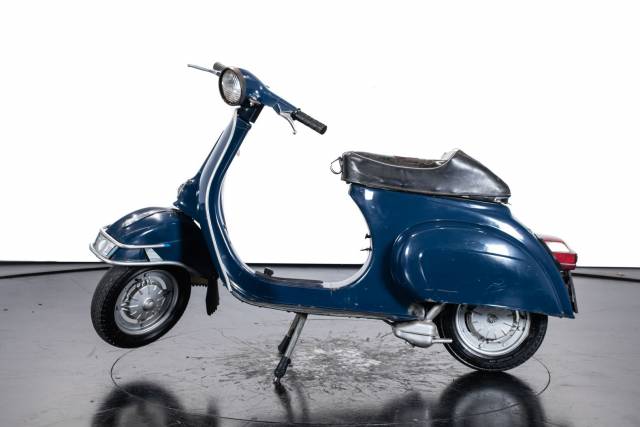
1976 | Piaggio Vespa 50 R
100% FIRST PAINT !!!!

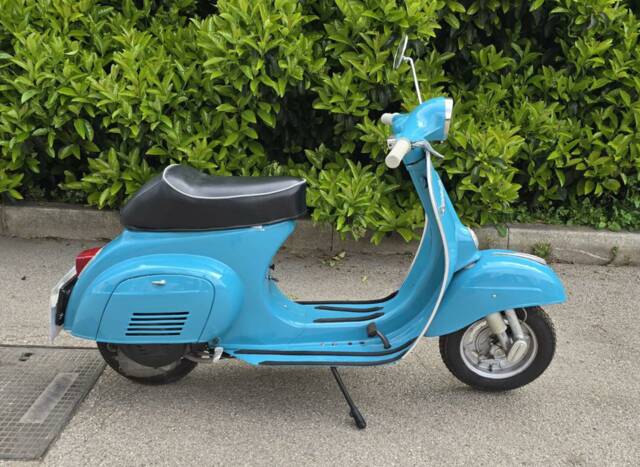
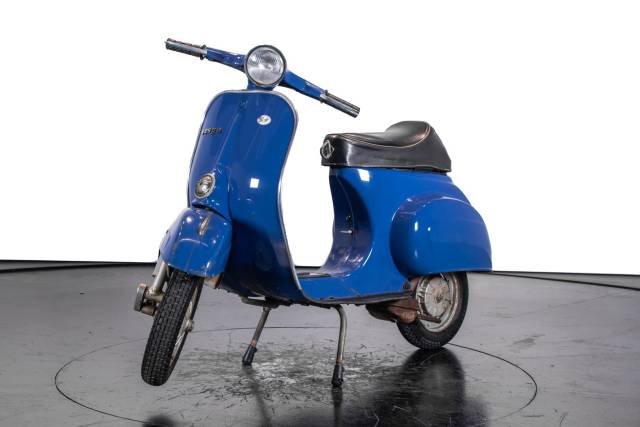
Piaggio Vespa 50 R listing references from Classic Trader
Below you will find listings related to your search that are no longer available on Classic Trader. Use this information to gain insight into availability, value trends, and current pricing for a "Piaggio Vespa 50 R" to make a more informed purchasing decision.
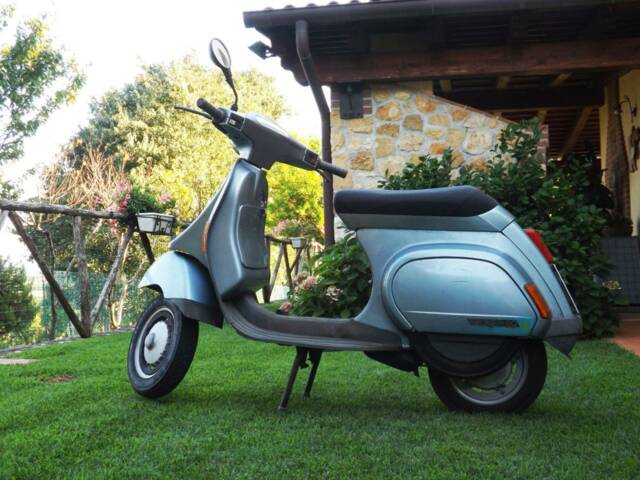
1995 | Piaggio Vespa 50 R
-
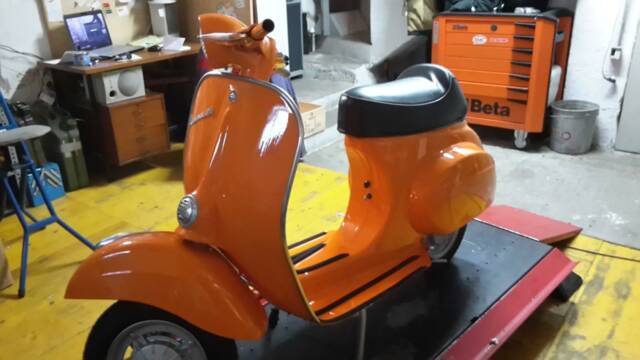
1973 | Piaggio Vespa 50 R
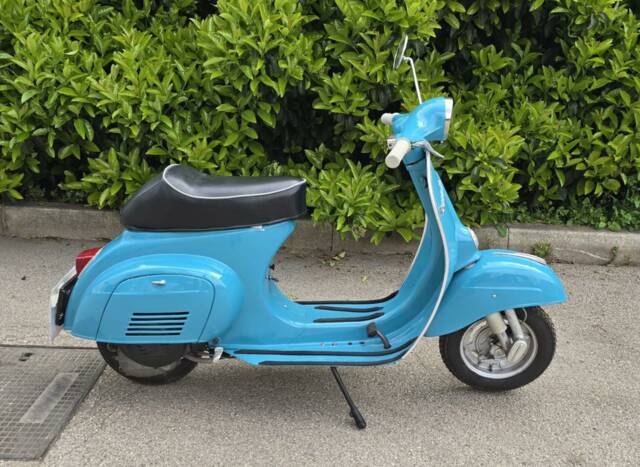
1971 | Piaggio Vespa 50 R
-
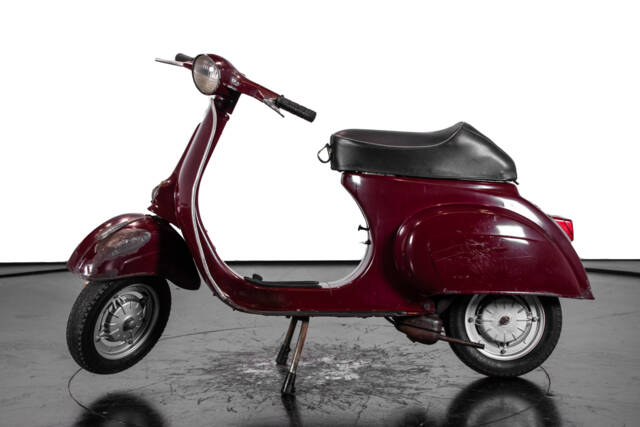
1974 | Piaggio Vespa 50 R
-
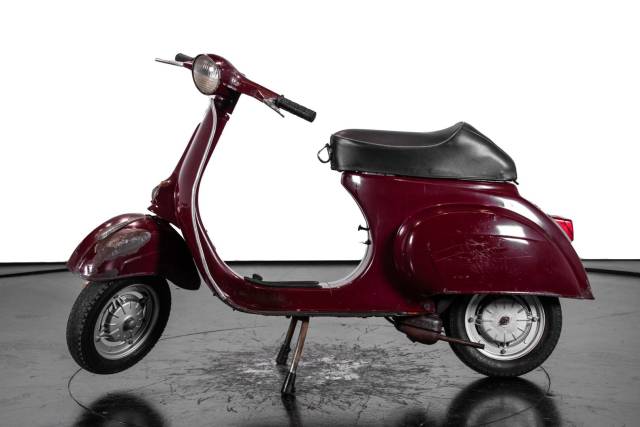
1974 | Piaggio Vespa 50 R
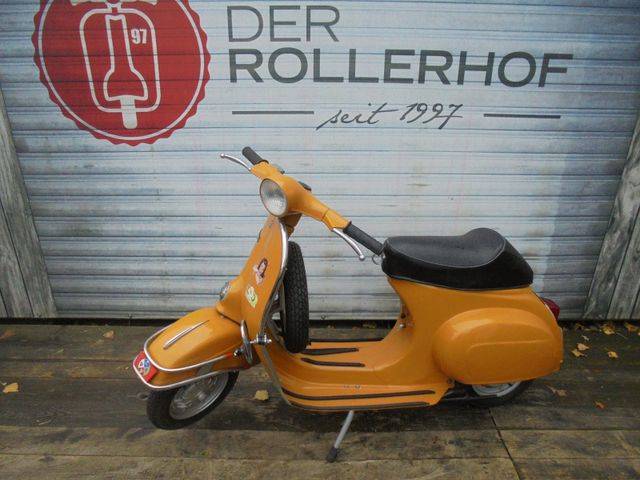
1974 | Piaggio Vespa 50 R
Vespa V 50 R Nr. 123

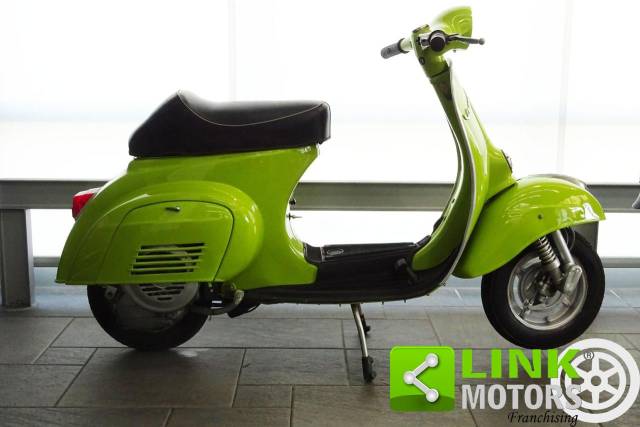
1969 | Piaggio Vespa 50 R
PIAGGIO Vespa 50 R vespa 50
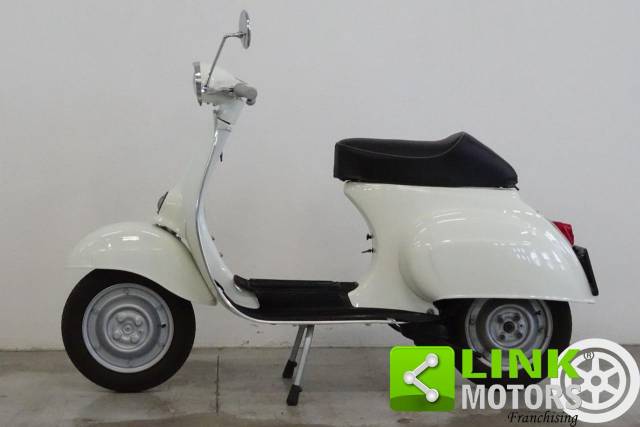
1963 | Piaggio Vespa 50 R
PIAGGIO Vespa 50 R 50 REVIVAL
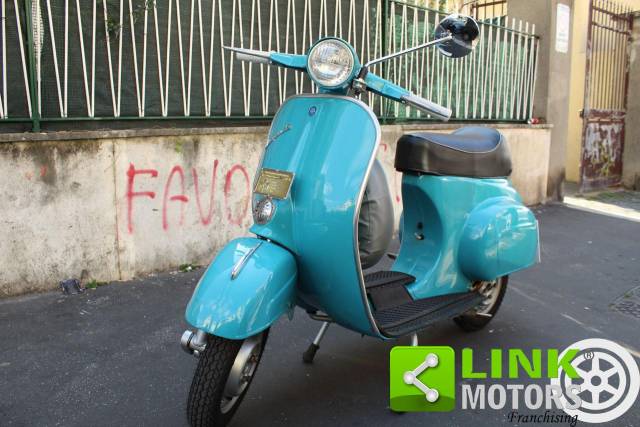
1970 | Piaggio Vespa 50 R
PIAGGIO Vespa 50 R Restaurata,ASI,1970
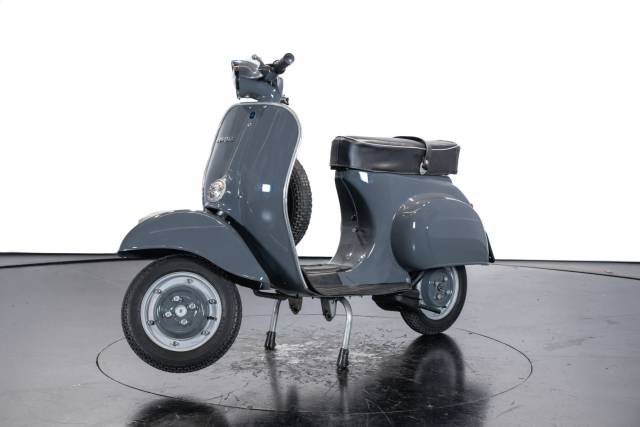
1974 | Piaggio Vespa 50 R
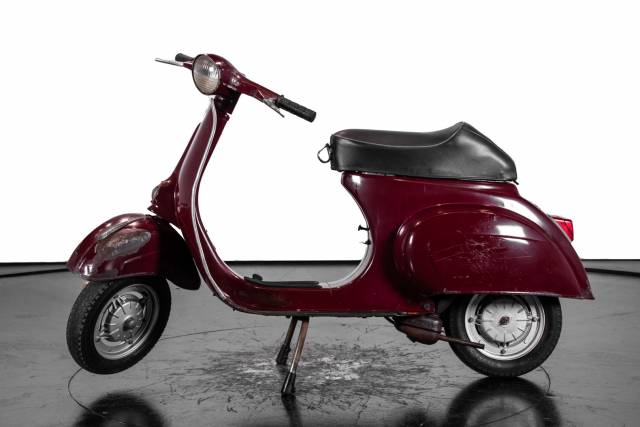
1974 | Piaggio Vespa 50 R
-
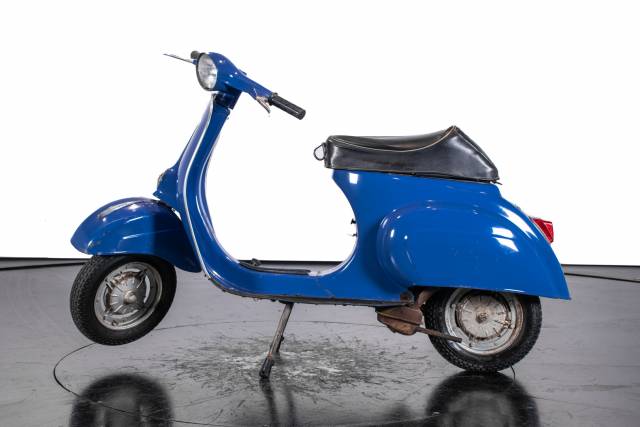
1973 | Piaggio Vespa 50 R
-
Piaggio Vespa 50 R Classic Motorbikes: Prices & Market Values
The market value of Piaggio Vespa 50 R motorcycles is primarily determined by technical condition, originality, and mileage, as well as rarity, history, and documentation. A well-maintained, largely original vehicle with low, verifiable mileage and a complete history including expert reports and documentation generally achieves significantly higher prices than a comparable vehicle with deferred maintenance, extensive modifications, or an unclear provenance.
Piaggio Vespa 50 R: Market Prices & Value Trends
Based on sales data from the Classic Trader marketplace, the Piaggio Vespa 50 R market in Europe shows a broadly stable-to-firm trend over the period from February 2021 to November 2025. Most recorded asking prices for these classic smallframes (typically 2–3 hp) cluster in the mid-£3,000s to low-£4,000s, with repeated results around £3,800–£3,900 in 2024–2025 suggesting steady demand rather than a sharp rise. A realistic current market range is approximately £2,500 to £4,400, reflecting typical rider-quality to very tidy examples, while values below £2,000 appear uncommon in this dataset and should not be over-weighted. Italian and German entries dominate the sample and sit at similar levels, indicating a relatively integrated European market for this model. For buyers, this points to predictable pricing with premiums for originality, documented restoration and clean cosmetics; for sellers, well-presented 1970s Vespa 50 R scooters (notably 1973–1976) continue to command consistent money rather than fluctuating heavily.
History of the Piaggio Vespa 50 R
The Vespa 50 R was developed by Piaggio as a continuation of the successful small-frame Vespa series, following the earlier 50cc models that were designed to address changing Italian moped legislation in the 1960s. With its debut, the Vespa 50 R represented Piaggio’s solution for a lightweight, highly accessible scooter ideal for urban environments, requiring no motorcycle license for young riders in many markets. As part of Piaggio’s ongoing refinement, the 50 R retained the reliable 49cc two-stroke single-cylinder engine, known for efficient city riding. Across its production period, the Vespa 50 R stood out not just for its mechanical dependability but also for shaping the identity of generations who sought independence and mobility on Italy’s crowded streets.
Model History of the Vespa 50 R
Within Piaggio’s Vespa line-up, the 50 R followed the original Vespa 50 N, continuing the tradition of compact, easy-to-handle designs. It introduced functional updates yet kept the essential small-frame Vespa architecture. The 50 R was often considered the standard bearer for the small-frame range until production gave way to later, more modernised models such as the Vespa PK series. There was no single direct successor, but its spirit lived on through several subsequent Vespa 50cc iterations.
Highlights of the Vespa 50 R
Key attractions of the Vespa 50 R include its lightweight chassis, straightforward two-stroke engine, and minimalistic controls. The three-speed manual gearbox, durable steel bodywork, and characteristic front mudguard made it particularly suitable for urban conditions. Its practicality—combined with low running costs—meant it was a daily partner rather than just a collector's item.
Technical Data
Special Editions and Collectible Models
Throughout its lifecycle, Piaggio focused on the core Vespa 50 R model, without factory-issued special or limited editions directly in this series. However, market-specific trim or period-correct accessories may be encountered, reflecting local preferences or dealer-installed options.
Weak Spots and Common Issues
Given its simplicity, the Vespa 50 R is mechanically robust. However, as with many vintage scooters, maintenance tasks often include addressing rust in the steel chassis, checking for wear in the three-speed gear selector, and ensuring the electrical system—originally 6V—is up to the demands of daily operation. Regular servicing of the carburettor and two-stroke lubrication system is advised to avoid running issues and to maintain original performance.
Engine and Performance, Transmission and Handling
The Vespa 50 R delivers manageable performance, prioritising ease of use and agility over outright speed. Its lightweight body paired with a 49cc engine makes it adept for stop-and-go city riding. Handling is enhanced by its compact wheelbase, permitting tight manoeuvres and stable behaviour at lower speeds. The three-speed gearbox is straightforward, though older examples can show transmission wear if not maintained. All-in-all, the Vespa 50 R performs as expected of a classic small-frame scooter: reliable, practical, and capable on urban routes. - Vespa 50 R: The principal variant in the classic Piaggio small-frame range, known for its straightforward mechanics and durable construction.
Interior, Comfort, Exterior and Design
The Vespa 50 R’s design draws on classic Italian scooter aesthetics—with curved legshields, a flat footboard, and integral side panels. The pressed steel monocoque provides both strength and distinctive appearance. Colour options historically ranged from vibrant pastels to period-correct neutrals, echoing contemporary Italian trends. Accessories such as chrome luggage racks, bespoke seats, and flyscreens were popular, allowing owners to personalise their scooters to individual taste. The basic instrument cluster, comfortable saddle, and high handlebar position contribute to a relaxed, upright riding posture.
Other Relevant Features
The Vespa 50 R is often favoured for its straightforward mechanicals, making it a favourite among hobbyists and those seeking a restoration project. The model’s widespread parts availability and active enthusiast communities further reinforce its suitability for ongoing maintenance or period-correct restoration.
Summary
Piaggio’s Vespa 50 R delivers an authentic classic Vespa experience: approachable mechanics, unmistakable aesthetics, and city-friendly performance. As the central model in Piaggio’s classic range on Classic Trader, it stands out for those who value originality and practical usability in a classic scooter.