- Motorcycle
- Piaggio
- Piaggio Vespa PX 200 E (1 offer)
Piaggio Vespa PX 200 E classic scooter for sale
The Piaggio Vespa PX 200 E stands for the raw, two-stroke riding sensation typical of Italian scooters. This model is noted for its robust construction, simple mechanics and its fanbase among enthusiasts searching for authentic scooter technology from Italy's late 1970s and 1980s.
Search results
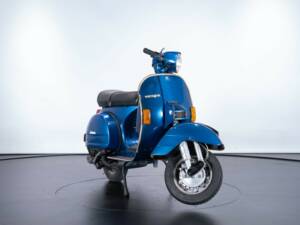
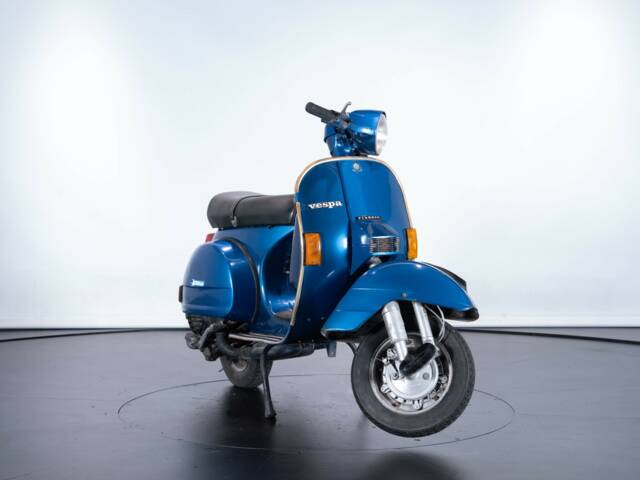

Piaggio Vespa PX 200 E listing references from Classic Trader
Below you will find listings related to your search that are no longer available on Classic Trader. Use this information to gain insight into availability, value trends, and current pricing for a "Piaggio Vespa PX 200 E" to make a more informed purchasing decision.
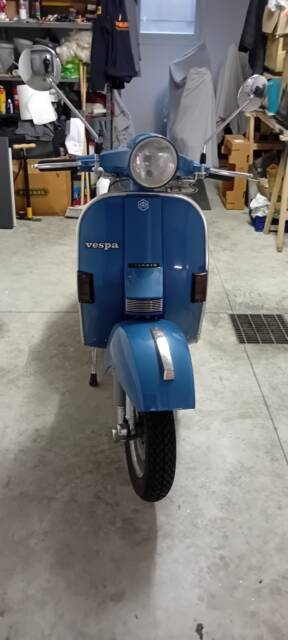
1983 | Piaggio Vespa PX 200 E
VESPA PX200 ARCOBALENO CON MISCELATORE
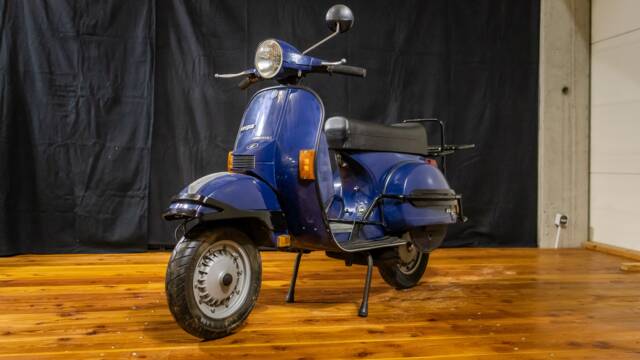
1978 | Piaggio Vespa PX 200 E
Powerful top model of the classic PX series

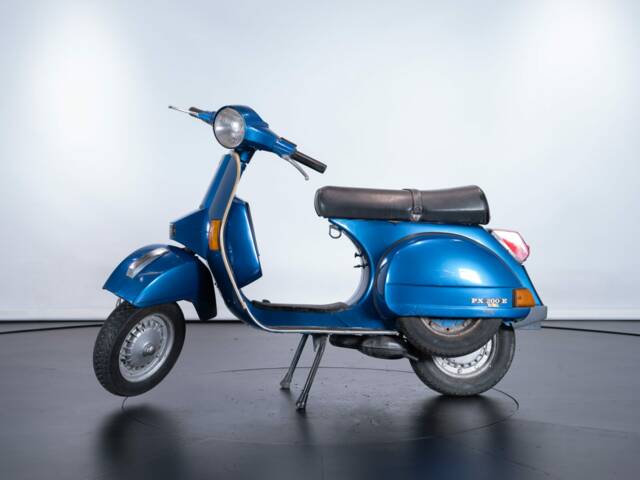
1984 | Piaggio Vespa PX 200 E
Piaggio VESPA P200 E
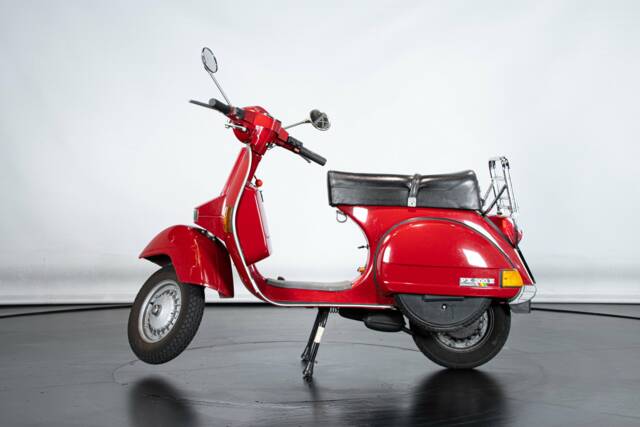
1985 | Piaggio Vespa PX 200 E
-
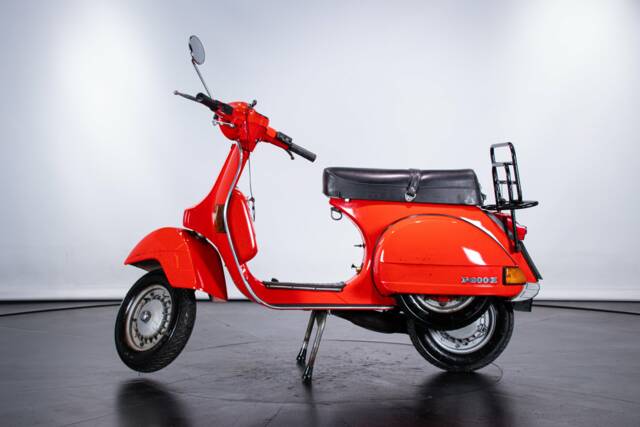
1982 | Piaggio Vespa PX 200 E
-
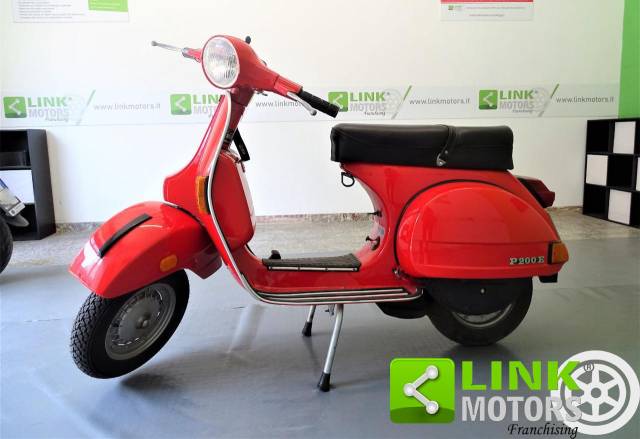
1984 | Piaggio Vespa PX 200 E
PIAGGIO Vespa 200 E America
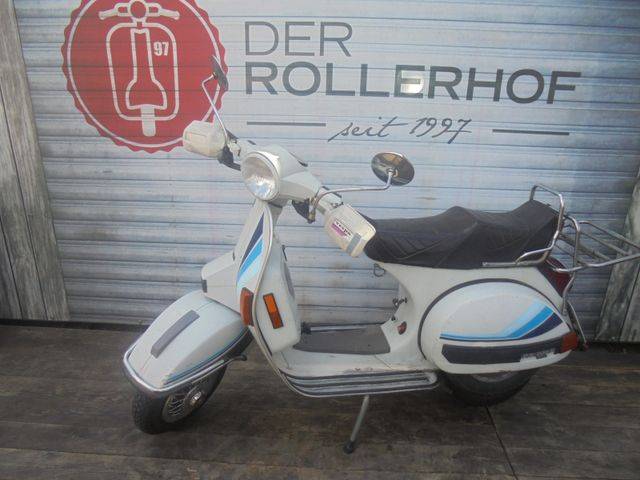
1984 | Piaggio Vespa PX 200 E
Vespa PX 200 P 200 X Lusso kompl. original Nr. 521

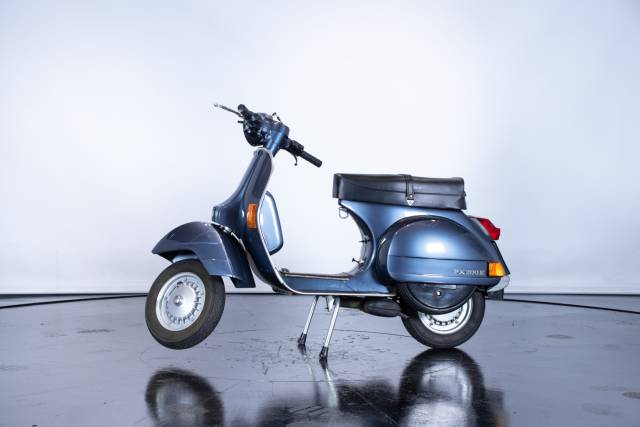
1982 | Piaggio Vespa PX 200 E
-
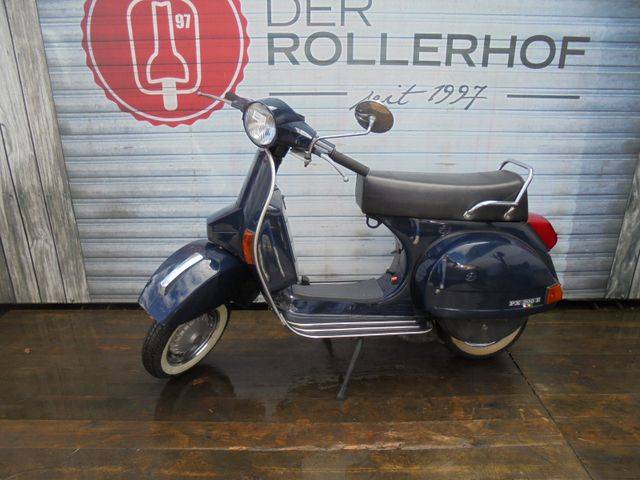
1987 | Piaggio Vespa PX 200 E
Vespa PX 200 P 200 X Lusso Nr. 87
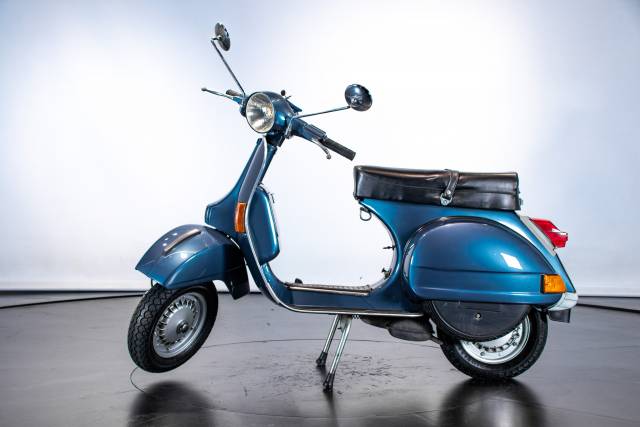
1985 | Piaggio Vespa PX 200 E
-
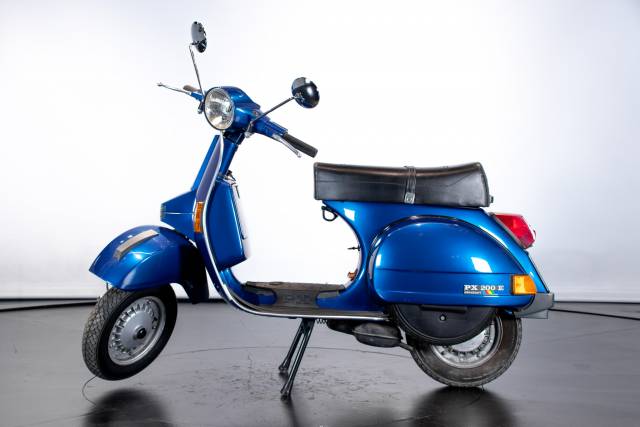
1995 | Piaggio Vespa PX 200 E
-
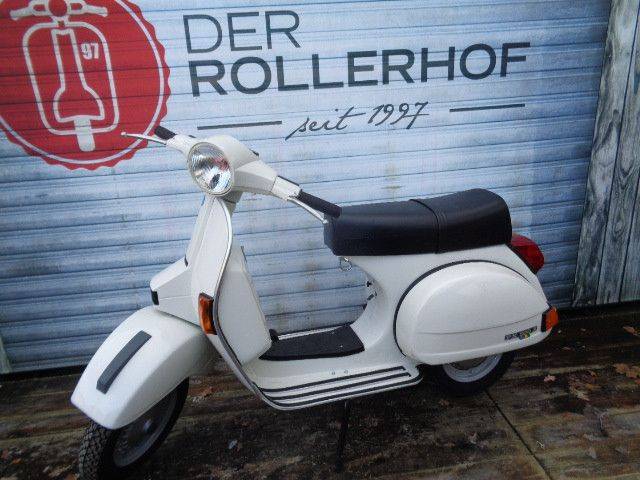
1984 | Piaggio Vespa PX 200 E
Vespa PX 200 P 200 X Nr. 87
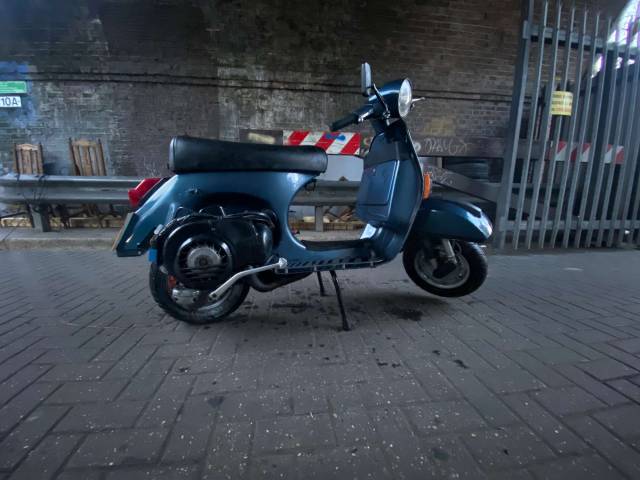
1998 | Piaggio Vespa PX 200 E
1998 Piaggio PX200 198cc

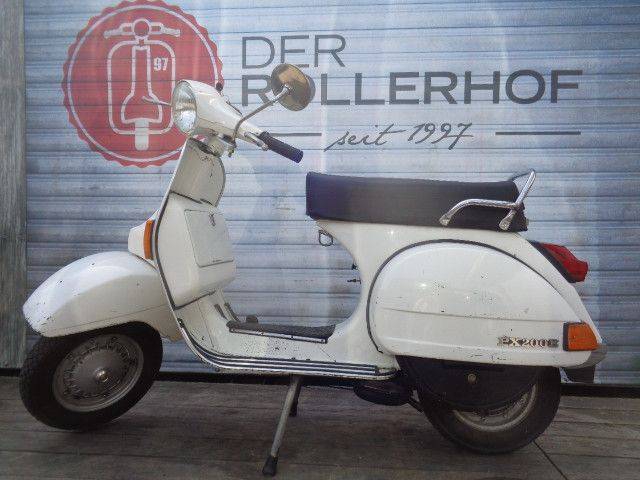
1985 | Piaggio Vespa PX 200 E
Vespa P 200 E PX 200 Nr. 454
Piaggio Vespa PX 200 E Classic Motorbikes: Prices & Market Values
The market value of Piaggio Vespa PX 200 E motorcycles is primarily determined by technical condition, originality, and mileage, as well as rarity, history, and documentation. A well-maintained, largely original vehicle with low, verifiable mileage and a complete history including expert reports and documentation generally achieves significantly higher prices than a comparable vehicle with deferred maintenance, extensive modifications, or an unclear provenance.
Piaggio Vespa PX 200 E: Market Prices & Value Trends
Based on sales data from the Classic Trader marketplace, the Piaggio Vespa PX 200 E market (covering February 2021 to December 2025) shows a clear upward drift after a relatively steady early period. In 2021–2022, most asking prices clustered around roughly £3,500–£4,900, with occasional stronger results around the mid-£6,000s. From 2023 onwards, the centre of the market moved higher, and by late 2025 several examples were advertised well above earlier norms, indicating firmer demand for good PX 200 E scooters. Excluding obvious highs and lows, a realistic current price band is typically about £4,500–£6,500, while very well-presented or particularly desirable years (commonly early-to-mid 1980s, around 10–12 hp) can reach beyond that. European supply dominates the dataset, with many entries from Italy and Germany, and the model’s continuing appeal is supported by its iconic design, strong parts availability, and the growing preference for usable, classic two-strokes rather than purely display-only collectibles.
History of the Piaggio Vespa PX 200 E
The Vespa PX 200 E was introduced in 1978 as the flagship of the PX series, produced by Piaggio in Pontedera, Italy. Unlike smaller siblings, the 200 E was designed to deliver more power for commuters and leisure riders who needed extra versatility both in urban and rural environments. Renowned for its steel frame, flat floorboard, and classic Vespa silhouette, the PX 200 E became the scooter of choice for those valuing reliability and a truly analogue riding experience. Production continued in various versions well into the early 2000s, notable for their resistance to the widespread shift toward automatic transmissions dominating the market. The model became a standard among European scooter clubs and remains a vital chapter in Vespa's lineage.
Model history of the Vespa PX series
The PX series replaced the earlier Vespa Rally models, modernising technical aspects while preserving much of the traditional Vespa appearance. The PX 200 E launched with a 198 cc engine and separate lubrication (in some markets). It sat above the smaller PX 125 and PX 150 in the line-up. The model stood out with increased output suitable for two-up riding and longer distances. Later updates included changes to electrical systems (12V), improved brakes, and different handlebar layouts. The PX 200 E eventually made way for the PX 200 E Disc in the late ‘90s, which featured a front disc brake for improved stopping power, marking the end of significant changes before production phased out.
Highlights of the Vespa PX 200 E
The PX 200 E is especially valued among classic Vespa riders for its robust rotary valve two-stroke engine and manual four-speed gearbox, elements largely unchanged from earlier Vespa traditions. Features such as the kick starter, traditional cable controls, and overall repairability make it highly accessible for home mechanics. The PX 200 E also allows for a high degree of personalisation, from original accessories like windshields and top cases to period-correct paintwork. Clubs throughout Europe and beyond gravitate towards the PX platform for both restoration projects and as reliable daily classics.
Technical data for the Piaggio Vespa PX 200 E
Special Editions and Collectible Models
Several limited editions of the PX 200 E were released, often identified by anniversary badges, commemorative paint schemes, or regional dealership specials. Notably, the 'Arcobaleno' (Lusso) version introduced technical improvements such as a better ignition system, separate oil tank for automatic lubrication, and slightly altered aesthetics. The 'Disc' edition brought a hydraulic front disc brake, combining vintage structure with modern safety features.
Engine and Performance, Transmission and Handling
The 198 cc engine produces approximately 12 horsepower, offering relaxed cruising at 90 km/h and enough torque for two-rider operation. Its manual gearbox requires precise shifting, rewarding experienced riders with direct mechanical feedback. The chassis, although not sporty in today's sense, is well suited to flowing city riding and country lanes, with the classic Vespa small wheels providing an engaging, unmistakable feel. The standard PX 200 E is most sought after; the PX 200 E Disc is notable for added safety and comfort. Both models are popular choices for enthusiasts seeking a classic scooter with the capability for longer trips, as well as ease of maintenance.
Design, Accessories and Equipment
The PX 200 E maintains the enduring Vespa silhouette: pressed steel monocoque frame, flat floor, and wide, upright handlebars. Typical design details include period-accurate chrome accents, various special edition colourways, and compatibility with a range of original accessories like front luggage racks, leg shields, and seat trims. Genuine Italian saddles, chrome wheel covers, and classic round headlamp shapes add to the model’s period-correct aesthetic. Optional features often included flyscreens or glove compartments, making practical improvements without detracting from originality.
Other notable features
Originality is a significant asset for PX 200 E examples, as modifications are common due to the model's popularity among tuners and club riders. Confirming matching numbers and period documentation increases collectability. Many PX 200 Es have been converted to accept modern fuels or have been retrofitted with additional safety equipment.
Summary
The Piaggio Vespa PX 200 E continues to represent traditional Italian scooter design, delivering tactile, hands-on motorcycling distinct from modern automatic alternatives. Its technical simplicity, broad spare parts support, and passionate following ensure its ongoing relevance among UK and European enthusiasts seeking a classic riding experience.