- Motorcycle
- Piaggio
- Piaggio Ciao (3 offers)
Piaggio Ciao classic bikes for sale
The Piaggio Ciao is one of the longest-running mopeds ever built, produced from 1967 to 2006. This lightweight two-wheeler became recognised for its durability, simple mechanics and practical urban usability. For over three decades, it shaped everyday mobility in Italy and beyond.
Search results
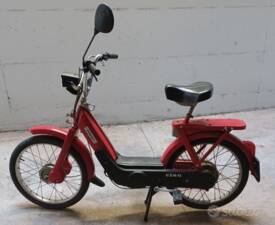
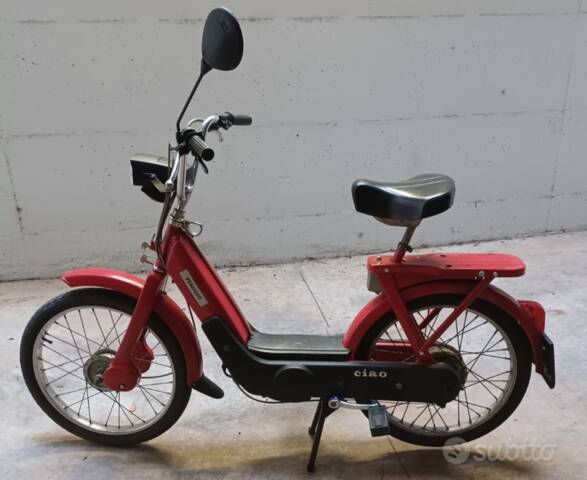
1978 | Piaggio Ciao
Piaggio Ciao del 1978 funzionante

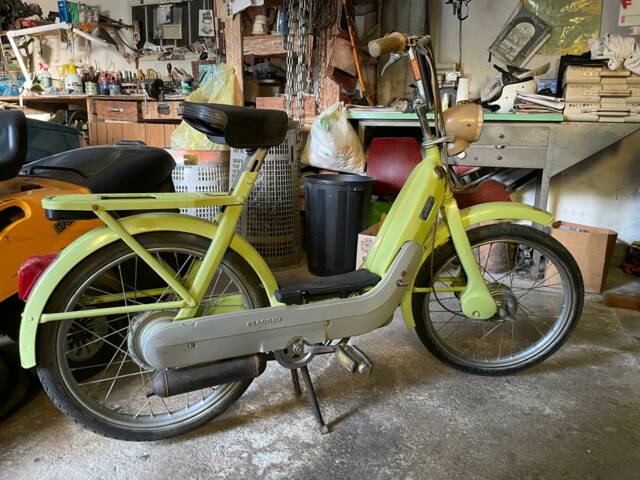
1968 | Piaggio Ciao
Ready to ride original motorbike italian style
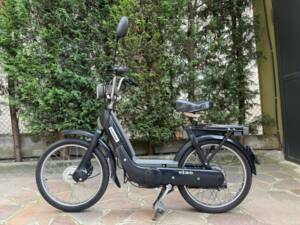
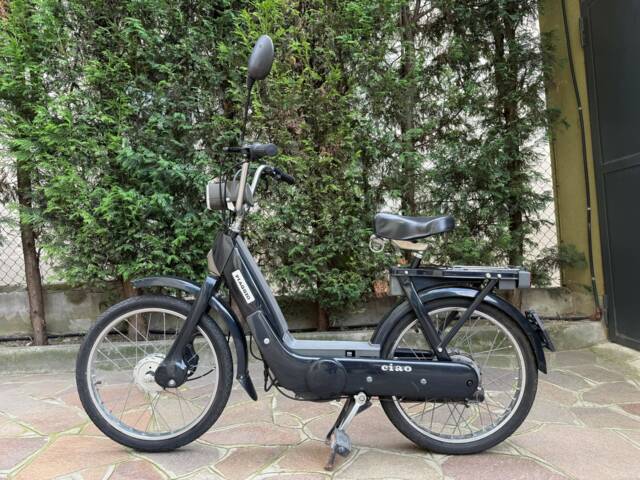
1990 | Piaggio Ciao
Completamente originale
Piaggio Ciao listing references from Classic Trader
Below you will find listings related to your search that are no longer available on Classic Trader. Use this information to gain insight into availability, value trends, and current pricing for a "Piaggio Ciao" to make a more informed purchasing decision.
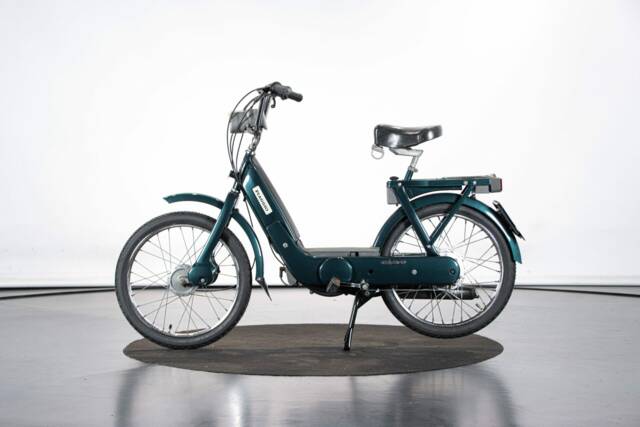
1987 | Piaggio Ciao
Piaggio CIAO PX
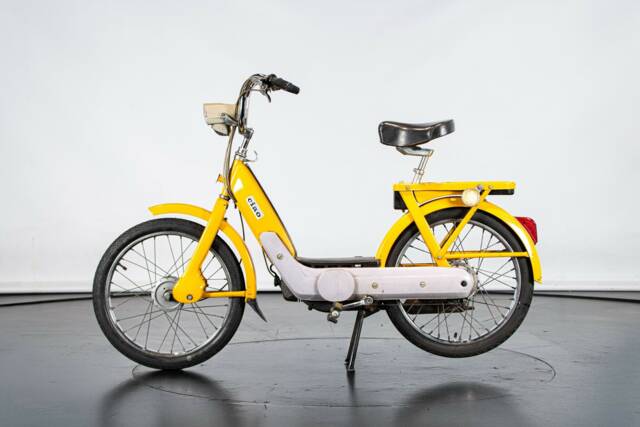
1973 | Piaggio Ciao
Piaggio CIAO SC
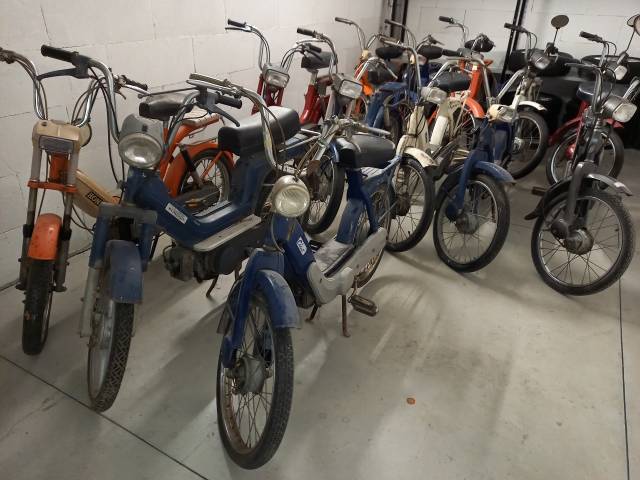
1968 | Piaggio Ciao
PIAGGIO Sammlung Ciao,Boxer,Bravo,Si
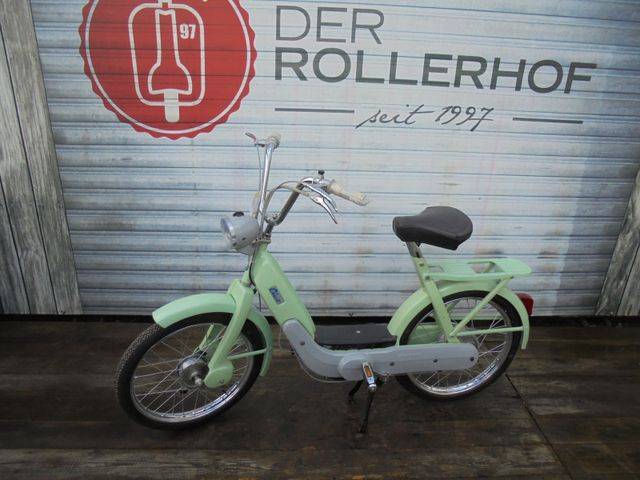
1977 | Piaggio Ciao
Piaggio Ciao 50 Special – Moped *kostenloser Versand* Nr. 6

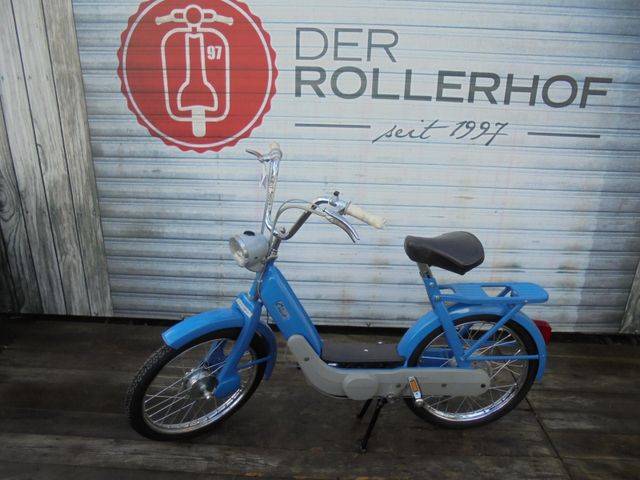
1968 | Piaggio Ciao
Piaggio Ciao 50 Special – Moped *kostenloser Versand* Nr. 57
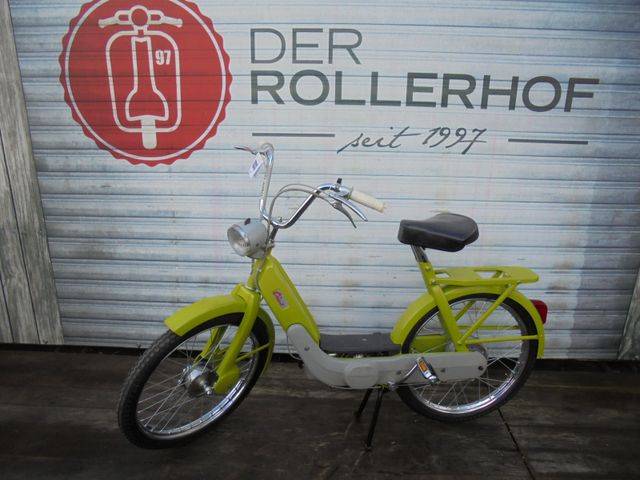
1968 | Piaggio Ciao
Piaggio Ciao 50 Special 19 Moped *kostenloser Versand* Nr. 39
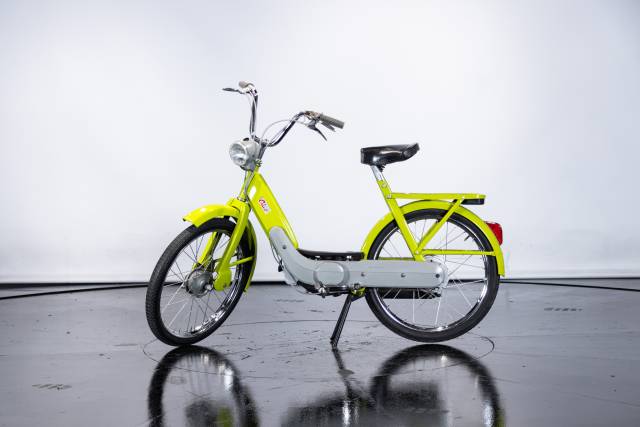
1967 | Piaggio Ciao
-
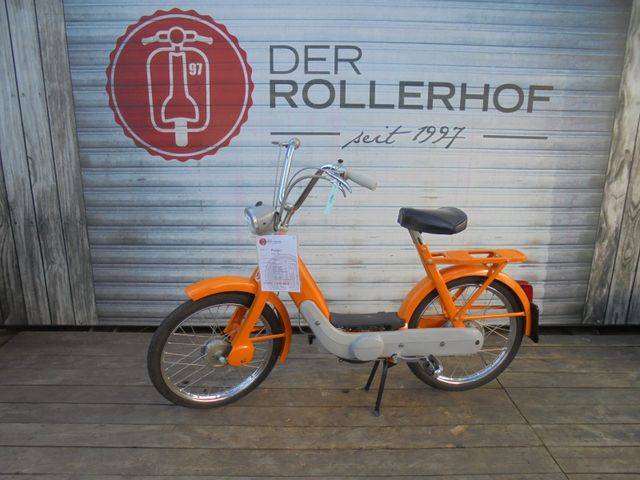
1968 | Piaggio Ciao
Piaggio Ciao 50 Special – Moped *kostenloser Versand* Nr. 360
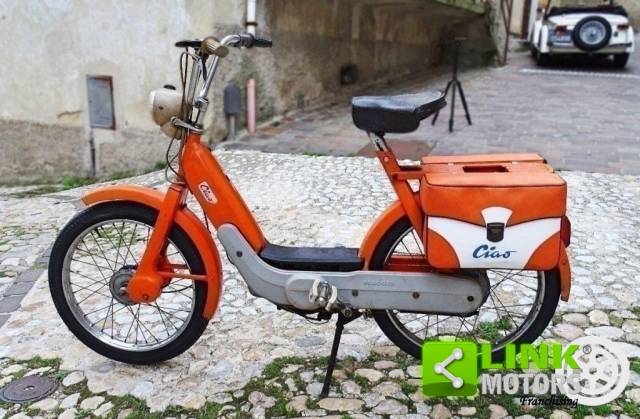
1969 | Piaggio Ciao
PIAGGIO Ciao C7E
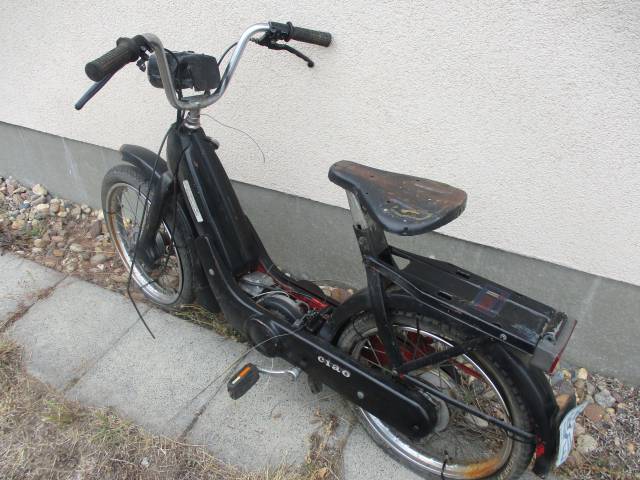
1990 | Piaggio Ciao
Piaggio Ciao
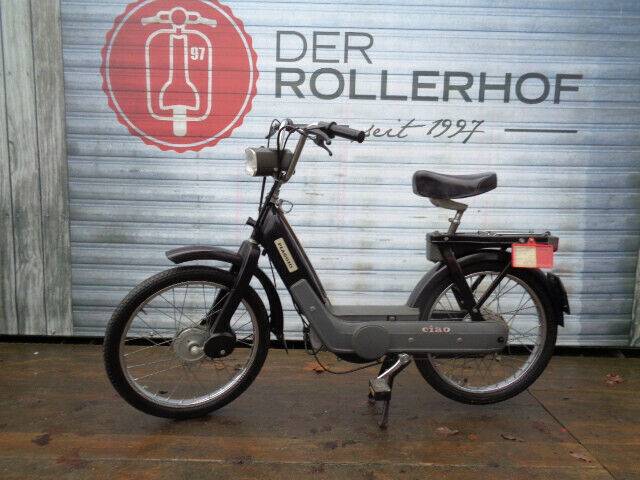
1981 | Piaggio Ciao
Piaggio Ciao 50 – Moped Nr. 42
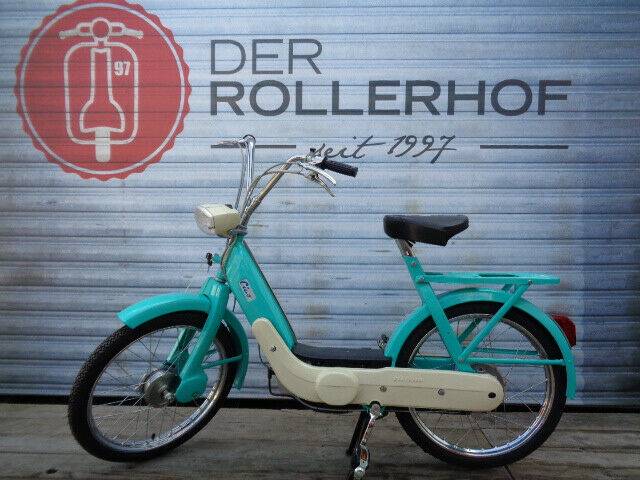
1969 | Piaggio Ciao
Piaggio Ciao 50 Moped Nr. 227
Piaggio Ciao Classic Motorbikes: Prices & Market Values
The market value of Piaggio Ciao motorcycles is primarily determined by technical condition, originality, and mileage, as well as rarity, history, and documentation. A well-maintained, largely original vehicle with low, verifiable mileage and a complete history including expert reports and documentation generally achieves significantly higher prices than a comparable vehicle with deferred maintenance, extensive modifications, or an unclear provenance.
Piaggio Ciao: Market Prices & Value Trends
Based on Classic Trader marketplace sales data from February 2021 to December 2025, the Piaggio Ciao market shows a broadly stable core with a gentle upward bias for tidy, collectible examples. Most recorded prices cluster around the £1,000–£2,400 band, which looks like the realistic going rate for usable, well-presented Ciaos from the late 1960s through the 1980s (typically around 3 hp). More affordable entries do appear, but isolated very low figures should be treated cautiously, as they often reflect non-running projects or incomplete mopeds rather than true market value. At the other end, occasional high points are visible, including a standout listing above £10,000, which reads as an outlier rather than a typical transaction. Recent 2025 activity around £2,186 suggests firm demand, particularly in European supply markets such as Italy and Germany. For buyers, this means budgeting roughly £1,000–£2,400 for a mainstream example, with premiums for earlier years, originality, and strong cosmetic condition.
History of the Piaggio Ciao
Unveiled in 1967, the Piaggio Ciao quickly found its niche as an accessible mode of transport, particularly in crowded city environments. With more than 39 years in production, the Ciao was a fixture on Italian streets and exported widely throughout Europe. Its innovative frame design, reliable belt drive and user-friendly maintenance routine made it a practical workhorse for countless users. Unlike many contemporaries, the Ciao’s continuous presence on the market allowed it to bridge generations of riders, both for utility and leisure purposes.
Model History and Series Development
The Piaggio Ciao was introduced without a direct predecessor and stood on its own in the Piaggio range. The initial Prima Serie (M7E1T) dominated production and remains the most common today, accounting for over 77% of Piaggio Ciao listings. The range continued with the Seconda Serie (M7E2T) and Terza Serie (M7E3T), each introducing minor mechanical improvements and subtle cosmetic changes. Updates usually targeted reliability, electrical components or emission standards, rather than affecting the core concept of this moped. There has not been a direct successor after the Ciao’s discontinuation in 2006, though the design influence lives on in Piaggio’s modern scooter range.
Highlights of the Piaggio Ciao
The Ciao’s defining features lie in its extremely lightweight construction, belt-driven transmission, and its unassuming, clear-cut frame design. Its low seat height, high handlebars and large wheels enable comfort and easy handling even over rough terrain. Maintenance is uncomplicated thanks to the easily accessible two-stroke engine and minimalistic electrics. The Prima Serie (M7E1T), in particular, is by far the most sought after in the market, representing almost three-quarters of listings (77.2%) and 74% of listing views among Piaggio Ciao models. Both later series—Seconda Serie and Terza Serie—show more limited market supply and demand, at 7–8%. These figures confirm the continued relevance and collectability of the earliest models.
Technical Data
Special Editions and Collectible Models
Over its nearly four-decade production run, the Piaggio Ciao was produced in basic trims with incremental upgrades between series. Limited editions are less documented, but certain colour variants and market-specific versions are occasionally more sought after, particularly early models in factory-original condition.
Engine, Transmission and Ride Characteristics
Powered by a compact two-stroke engine, the Ciao delivers a modest but responsive ride, perfectly aligned with urban commuting needs. Its belt transmission—less common in mopeds—ensures quiet and low-maintenance operation. The frame’s geometry, combined with the large wheels, absorbs minor bumps effectively and grants stability at moderate speeds. Although not designed for high performance, the Ciao excels at everyday functionality without unnecessary mechanical complexity. - Piaggio Ciao Prima Serie / M7E1T: Most prevalent and valued for its original mechanics.
- Piaggio Ciao Seconda Serie / M7E2T: Improved electrics and reliability tweaks.
- Piaggio Ciao Terza Serie / M7E3T: Subtle updates, fewer numbers.
Design, Interior and Accessories
With its open-tube frame, flat saddle and upright handlebars, the Ciao established a distinct and visually functional silhouette. Early models are recognisable by their simple yet practical approach to design: bare essentials, painted steel, and few decorative elements. The minimalistic dashboard contains only the fundamentals. Factory accessories were limited but often included rear racks and baskets, emphasising practicality. While the majority were produced in sober pastel colours, occasional special hues appeared for anniversary or export markets. The Ciao’s visual identity is deeply linked to Italy’s urban landscapes of the late 20th century.
Other Relevant Features
Despite its reputation for simplicity, the Ciao set new standards for mopeds in terms of user-friendliness, service intervals and robustness. Its construction technique—especially the use of stamped steel and the sealed belt drive—reduced exposure to dirt and prolonged service life compared to chain-driven rivals.
Summary
The Piaggio Ciao remains significant among classic mopeds, valued for its longevity, service-friendly engineering, and clear design language. Production spanned from the late 1960s to the new millennium, underpinning decades of daily mobility. Its dominance in classic listings is reflected in both supply and demand, making it a fixture for anyone interested in reliable, straightforward two-wheel mobility from Piaggio.