- Car
- Volkswagen
- Volkswagen 166 (0 offers)
Volkswagen 166 classic cars for sale
The Volkswagen 166, widely known as the Schwimmwagen, stands out among classic all-terrain vehicles for its amphibious capabilities and uniquely utilitarian design. Originally built for military use, these models showcase highly engineered mechanical solutions for land and water operation.
Search results
Currently, there are no matching listings for your search.
Create search alert
Let yourself be notified as soon as a listing is published that matches your search filters.
Create listing
Do you have a Volkswagen 166 that you want to sell? Then create a listing now.
Create listingVolkswagen 166 listing references from Classic Trader
Below you will find listings related to your search that are no longer available on Classic Trader. Use this information to gain insight into availability, value trends, and current pricing for a "Volkswagen 166" to make a more informed purchasing decision.
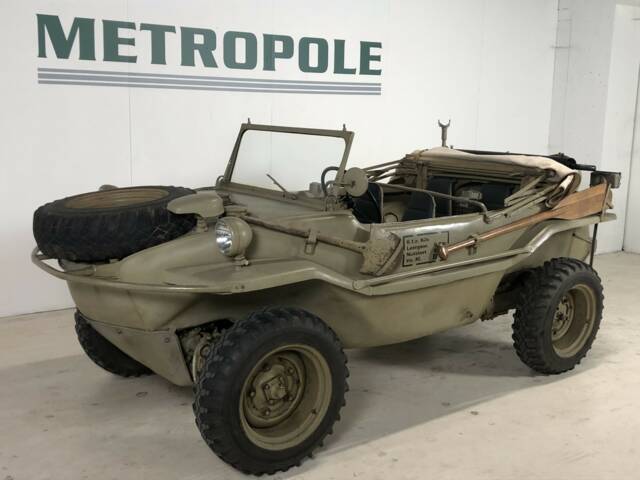
1944 | Volkswagen 166
Volkswagen Schwimmwagen Type 166 M1004

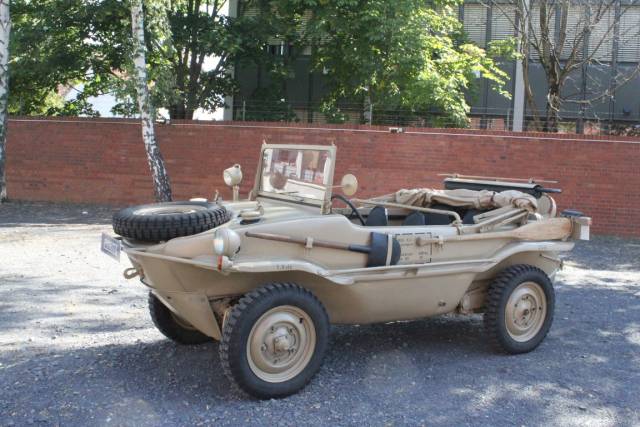
1944 | Volkswagen 166

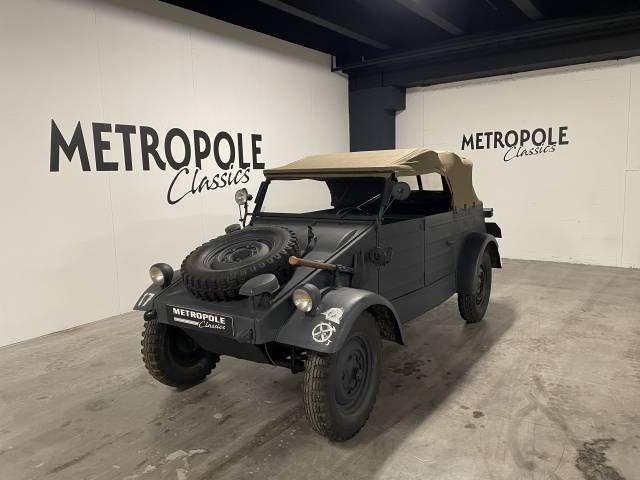
1942 | Volkswagen 166
Volkswagen type 82 kubelwagen M0562
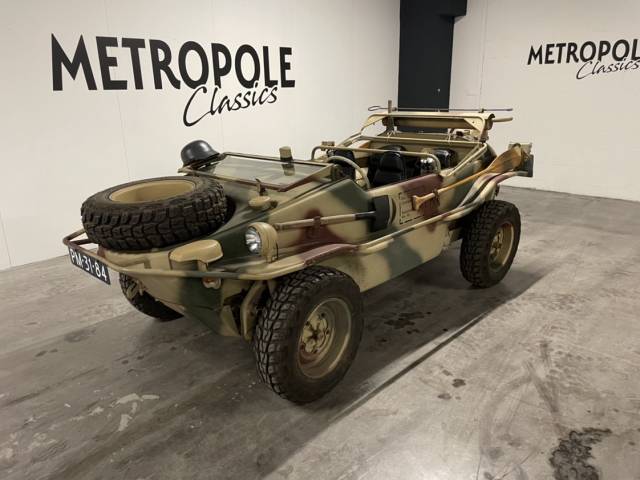
1968 | Volkswagen 166
Volkswagen 166 Schwimmwagen replica M0384
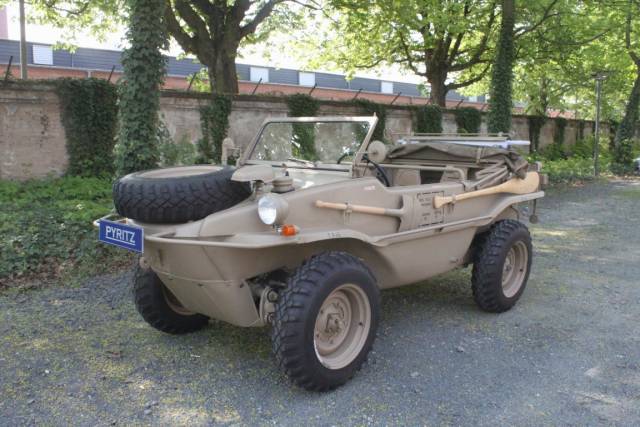
1944 | Volkswagen 166
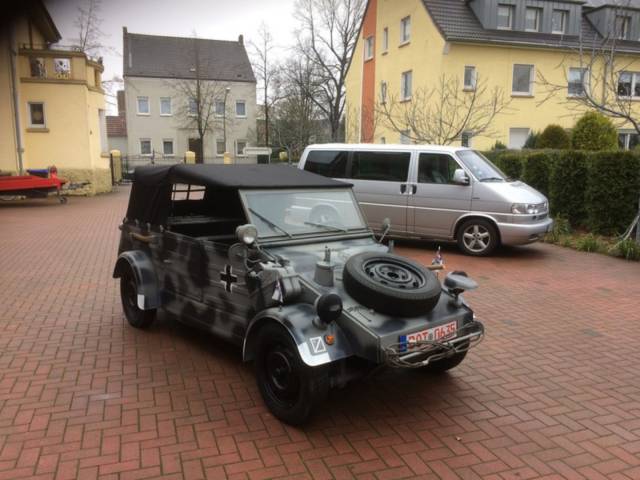
1984 | Volkswagen 166
Volkswagen VW Kübel-H-Zulassung-Typ 82 aus Bj.1941-nachbau.
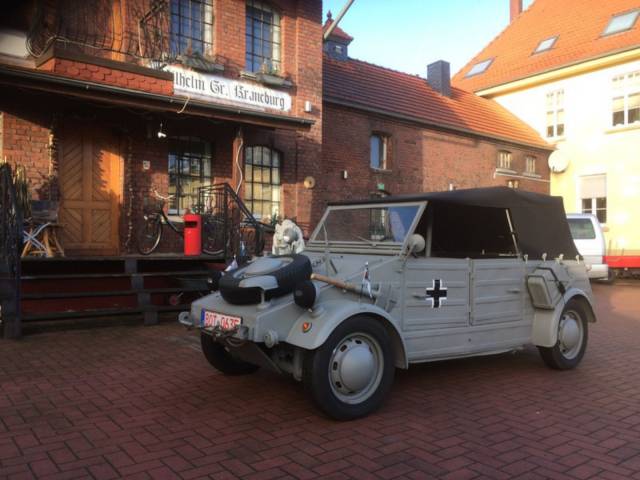
1984 | Volkswagen 166
Volkswagen VW Kübel-Legendäre Typ 82 aus Bj.44-nachbau.
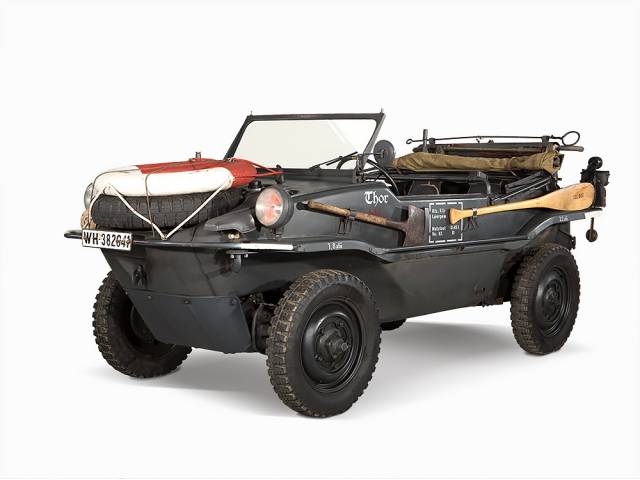
1944 | Volkswagen 166
This vehicle will be auctioned on 11/28/2014 at 6 pm
Create search alert
Let yourself be notified as soon as a listing is published that matches your search filters.
Create listing
Do you have a Volkswagen 166 that you want to sell? Then create a listing now.
Create listingVolkswagen 166 Classic Cars: Prices & Market Values
History of the Volkswagen 166
The Volkswagen 166, better recognised as the Schwimmwagen, was developed in the early 1940s to fulfil the German army's demand for a light, amphibious utility vehicle. Rooted in the mechanical underpinnings of the VW Kübelwagen (Type 82), the Type 166 integrated sealed bodywork and a retractable propeller, enabling effective operation both on roads and across water. Its production ran primarily between 1942 and 1944, with over 14,000 units built—making it the most-produced amphibious car in history. The Schwimmwagen served in various theatres of World War II, often praised for its versatility in adverse terrain, setting it apart as a technical milestone in military vehicle development.
Model History
The VW 166 evolved directly from the earlier Type 128 prototype, which had already experimented with amphibious mobility on a modified Beetle chassis. The shorter wheelbase and reinforced hull of the 166 provided increased manoeuvrability and water-tightness. After the war, Volkswagen did not produce a direct civilian successor to the Schwimmwagen, as postwar demand for amphibious vehicles dropped dramatically. However, its engineering lineage influenced several later light 4WD vehicles produced in the postwar years, especially in civilian and military off-road sectors.
Highlights of the Volkswagen 166
What sets the Volkswagen 166 Schwimmwagen apart is its genuine amphibious capability. Unlike most off-road vehicles of its era, it could traverse rivers and marshes thanks to a rear-mounted propeller and a water-sealed hull. A four-wheel drive system—with a lockable front differential—ensured traction in muddy conditions. The folding propeller mechanism could be engaged directly from the driver's seat, seamlessly transitioning from road to water operation. The removable soft-top and demountable windscreen also highlight its purposeful, modular design ethos.
Technical Data
Special Editions and Collectible Models
While the Schwimmwagen did not include official special editions during its military production run, some rare surviving units feature late-war adaptations such as camouflage paintwork or field-installed technical upgrades. Post-war, surviving Schwimmwagen restored for civilian use with preserved original details, or with documented provenance, are especially sought-after among collectors.
Weak Spots and Common Issues
Maintenance challenges for the Volkswagen 166 often result from its amphibious purpose: persistent water ingress may have affected the hull or mechanical fittings, leading to corrosion issues in the frame, bodywork, and running gear. The unique propeller drive system requires careful inspection to ensure all seals and couplings are functioning. Original spare parts for the specific transmission and amphibious components can be difficult to source and require specialised restoration.
Engine, Performance, Transmission and Handling
The rear-mounted, 1.1-litre VW flat-four engine provides modest power output, driving all four wheels via a conventional four-speed gearbox and a transfer case for off-road use. It can reach speeds of up to 80 km/h on land, while in water, propulsion is handled by the rear propeller at up to 10 km/h. Handling benefits from the lightweight chassis and independent suspension but requires attentive driving, especially during water transitions. The unique combination of road, off-road, and aquatic ability distinguishes the Schwimmwagen's driving experience from any other Volkswagen model. - Volkswagen 166 Schwimmwagen: 1.1L air-cooled flat-four, 23.5 PS, 4WD, amphibious system, weight approx. 910 kg.
Interior, Comfort, Exterior and Design
The design prioritises utility and waterproofing: tub-shaped bodywork, minimalistic interior with easy-to-clean surfaces, and externally mounted spare wheel. Characteristic features include military sand or camouflage finishes, a manually deployable folding propeller, and watertight hatches. Seats are typically basic, using weather-resistant materials. External equipment options often included a shovel, axe, and oar. The removable canvas roof could be quickly stowed to adapt to changing weather or operational needs. Accessories were strictly utilitarian, reflecting the vehicle's battlefield origins, but civilian-renovated examples might show additional comfort features.
Other Relevant Features
A unique aspect of the Schwimmwagen's design is its unsprung propeller mount, which allowed rapid engagement without leaving the driver's seat—an innovation rare even among modern amphibious vehicles. Some historical units are known to retain rare field modifications, such as flotation devices or local camouflage patterns, further distinguishing individual vehicles.
Summary
The Volkswagen 166 Schwimmwagen remains a technical marvel among classic automobiles, embodying the innovative engineering of wartime Germany. As the only amphibious model within Volkswagen's Type 82 lineage and with a database share of 100% for its code, the 166 stands as a unique find for collectors and connoisseurs. Its distinct mechanical sophistication, combined with historical provenance, makes every existing example a testament to creative automotive solutions under extraordinary circumstances.