- Car
- Volkswagen
- Volkswagen Scirocco (2 offers)
Volkswagen Scirocco classic cars for sale
The Volkswagen Scirocco combines the agility of a sports coupé with proven Volkswagen technology. Produced between 1974 and 1992 (first and second generations) and revived from 2008 to 2018, the Scirocco stands out with its distinct 2+2 coupe silhouette, front-wheel drive, and practical yet sporting touches. Its engineering, design lineage, and cult following make it a firm favourite among enthusiasts seeking a classic with both performance and personality.
Search results
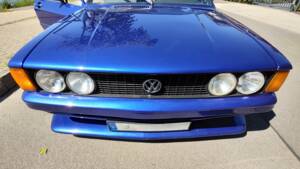
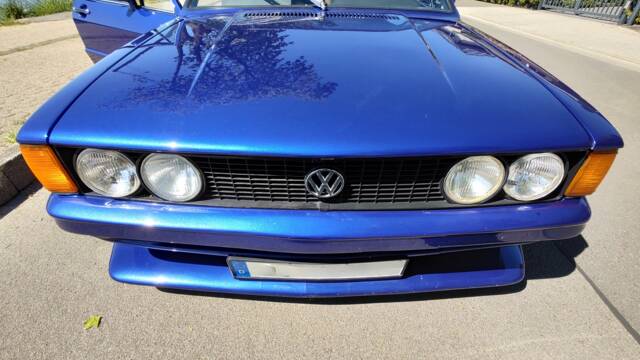
1979 | Volkswagen Scirocco I 1.6
One-off / one of a kind

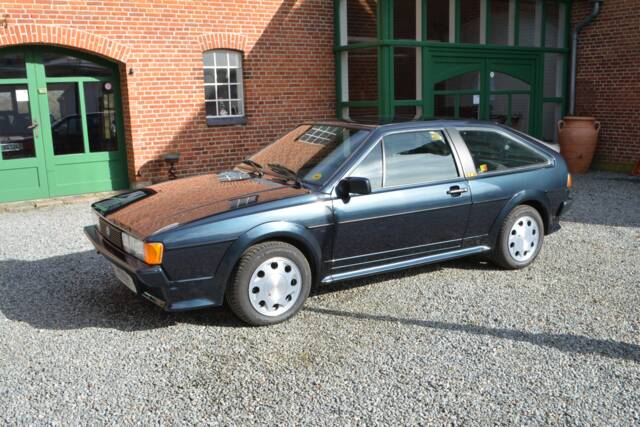
1990 | Volkswagen Scirocco II GT
Volkswagen Scirocco GT II (Catalyst) – Classic from the 1980s model series
Volkswagen Scirocco listing references from Classic Trader
Below you will find listings related to your search that are no longer available on Classic Trader. Use this information to gain insight into availability, value trends, and current pricing for a "Volkswagen Scirocco" to make a more informed purchasing decision.
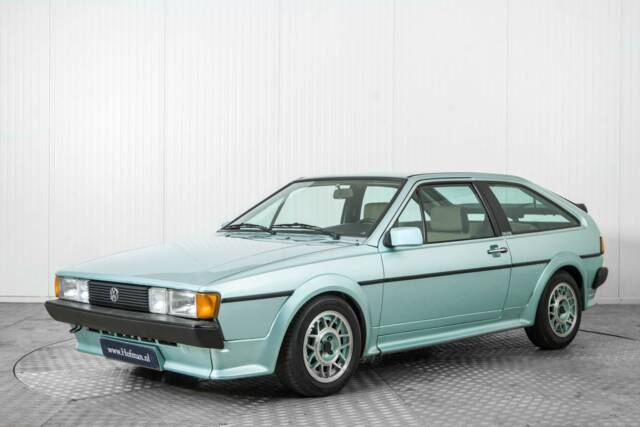
1986 | Volkswagen Scirocco II 1.8
Volkswagen Scirocco 1.8 GTX Tropic

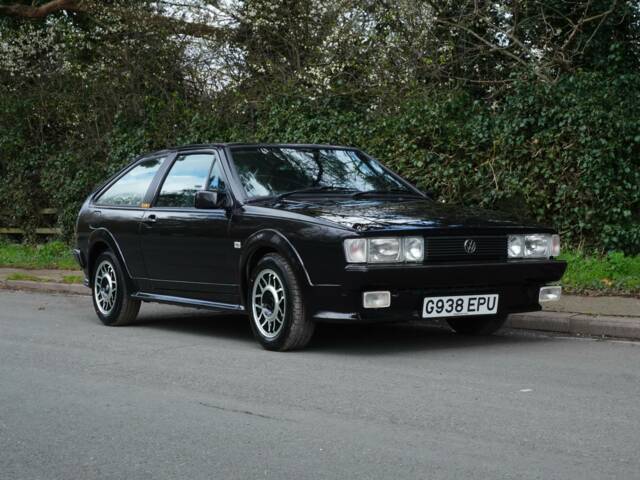
1990 | Volkswagen Scirocco II GT
1990 Volkswagen VW Scirocco GT Auto

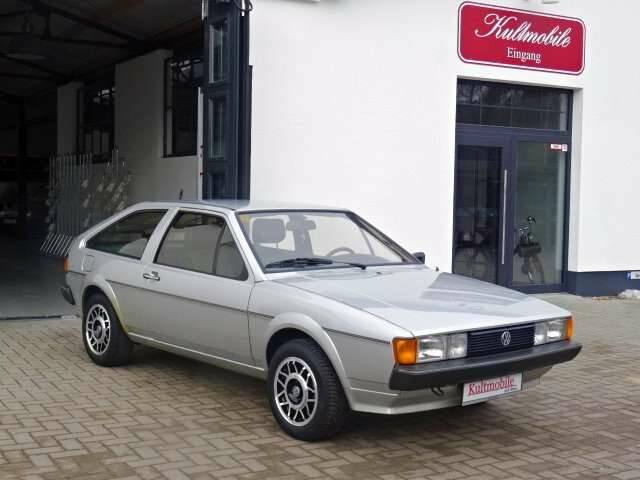
1981 | Volkswagen Scirocco II GTI 1.6
Volkswagen Scirocco
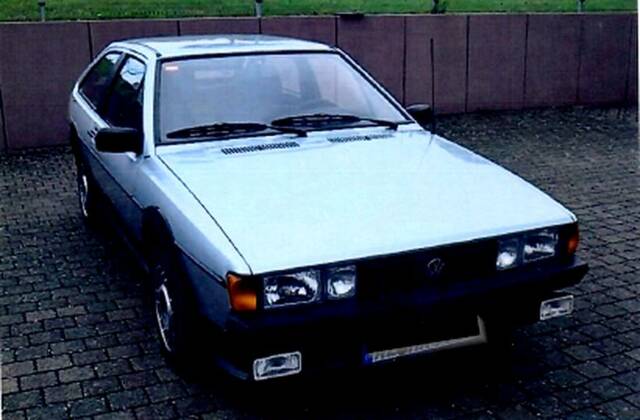
1986 | Volkswagen Scirocco II 1.8
Museum Vehicle • 21 Years Volkswagen AutoMuseum • Fully Documented VW Service History • Original Condition • Collector’s Car
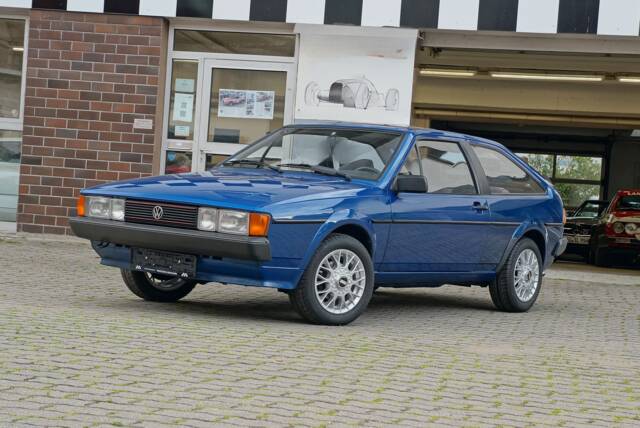
1984 | Volkswagen Scirocco II GT
Aero Blue Oldtimer H-Zulassung
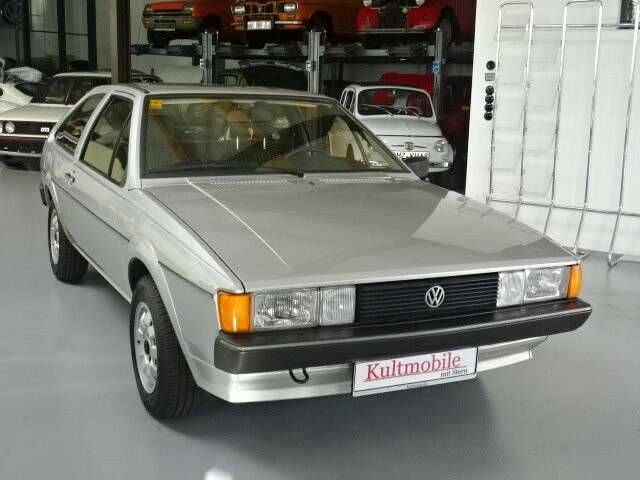
1981 | Volkswagen Scirocco II GLI 1.6
Volkswagen Scirocco GLI -1. Hand m. orig. 17.000 km !!!-
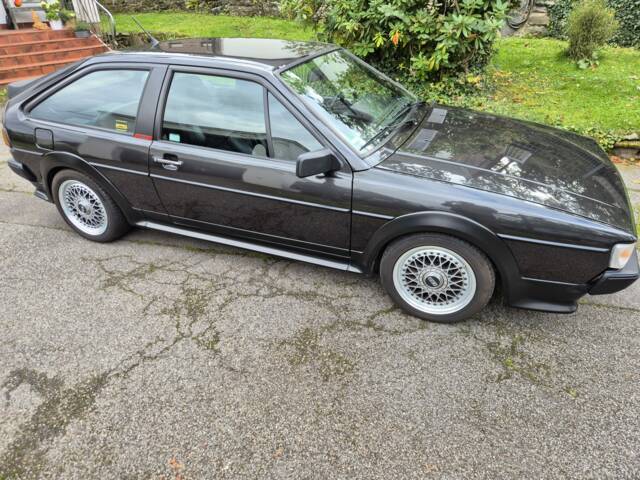
1986 | Volkswagen Scirocco II GTX 1.8
GTX, 1.8, 16V
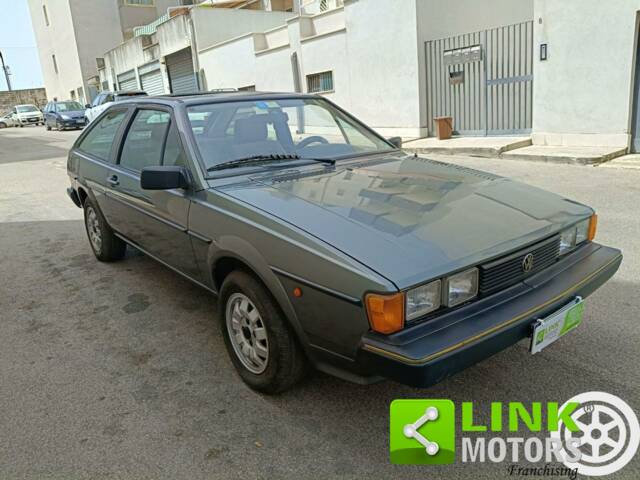
1984 | Volkswagen Scirocco II GTX 1.8
VOLKSWAGEN Scirocco 1800i GT

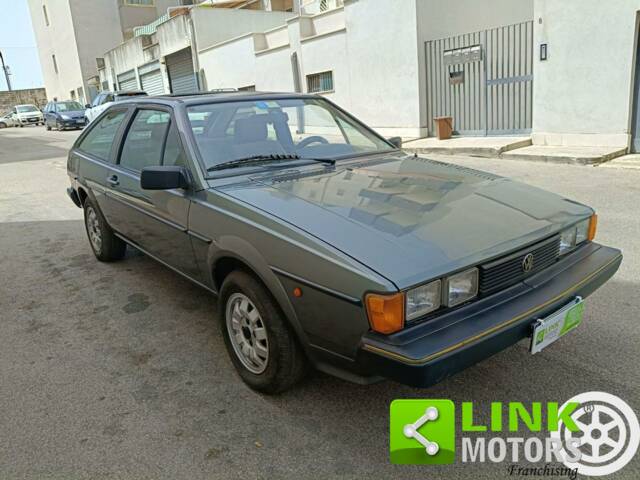
1984 | Volkswagen Scirocco II 1.8
VOLKSWAGEN Scirocco 1800i GT
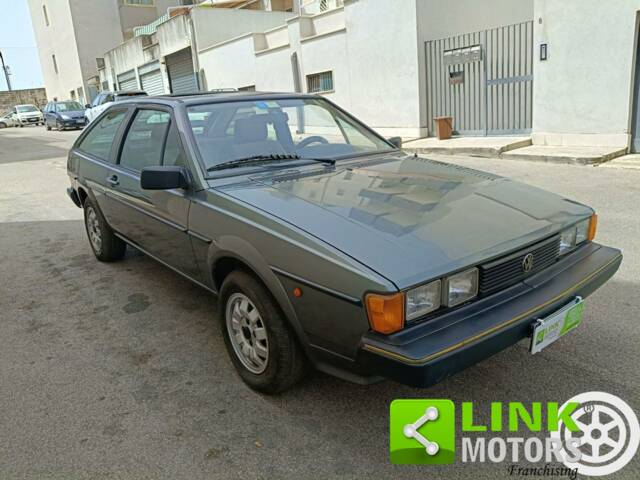
1984 | Volkswagen Scirocco II GT
VOLKSWAGEN Scirocco 1800i GT
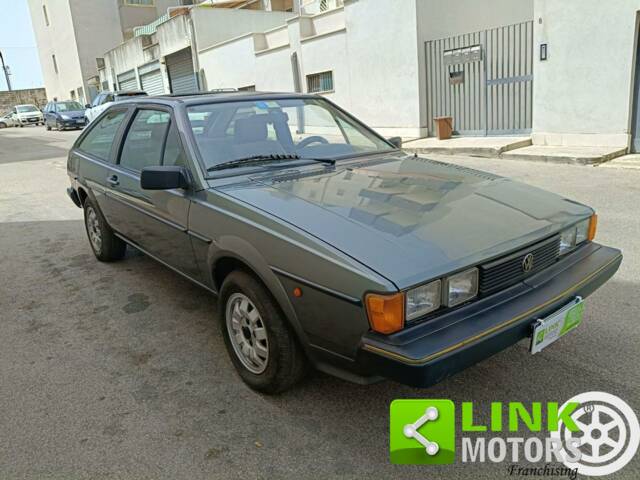
1984 | Volkswagen Scirocco II GT
VOLKSWAGEN Scirocco 1800i GT
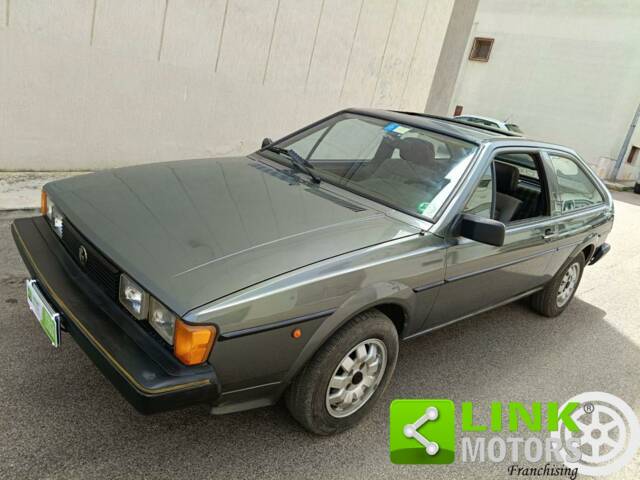
1984 | Volkswagen Scirocco II 1.8
VOLKSWAGEN Scirocco 1800i GT
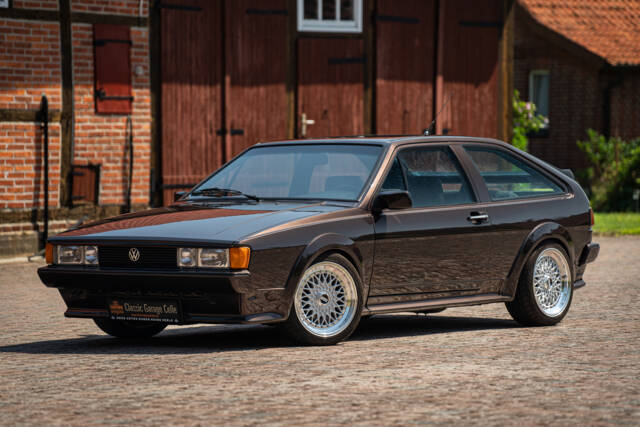
1983 | Volkswagen Scirocco II 1.8
Samoarot, Schiebedach, BBS Style, Topp Zustand
Volkswagen Scirocco Classic Cars: Prices & Market Values
The market value of Volkswagen Scirocco classic cars is primarily determined by the specific manufacturer code and variant, as well as technical condition, originality and mileage. Additional factors include rarity, history and documentation. A well-maintained, largely original vehicle with low, verifiable mileage and complete history including appraisals and documentation typically achieves significantly higher prices than a comparable vehicle with deferred maintenance, many modifications or unclear provenance.
Volkswagen Scirocco: Market Prices & Value Trends
Based on Classic Trader marketplace sales data from January 2021 to November 2025, the Volkswagen Scirocco market in Europe looks broadly stable with a slight firming for desirable Mk1 and higher-spec Mk2 cars. Most transaction/asking values cluster in the mid four-figures to mid-teens, with German and Dutch adverts particularly well represented and typically setting the tone for mainstream pricing. Realistically, a sound Scirocco II (early 1980s to early 1990s, including GT/CL/1.8) often sits around £4,500–£12,500 depending on condition, originality and rust history, while better-specced variants such as the Scirocco II GTX/GLI and 16V cars tend to trade nearer £12,000–£18,000. Earlier Scirocco I examples (mid/late 1970s to 1980) show a wider spread, and standout cars can sit higher, but these appear less frequent and should be treated as outliers rather than the norm. For buyers, this means good cars remain attainable, yet clean, well-documented survivors are increasingly the ones holding value.
Introduction and history of Volkswagen Scirocco
The Volkswagen Scirocco symbolises Wolfsburg's venture into sporty compact coupes, launched to succeed the beloved Karmann Ghia. First presented in 1974, the model was designed by Giorgetto Giugiaro and engineered on the Golf I platform, merging practicality with unmistakable coupé style. Early versions were built by Karmann in Osnabrück, featuring sharp lines and a sloping tailgate—a marked step from its predecessor. The name 'Scirocco' references the hot Mediterranean wind, reflecting the model’s dynamic intent. The initial production run (1974–1992) coincided with shifting market demands and the eventual introduction of the Corrado, intended as a successor but living alongside the Scirocco for several years due to diverging fan bases. In 2008, Volkswagen honoured this legacy by reintroducing the Scirocco, ensuring continued enthusiasm for the badge.
Model history
The Scirocco debuted as the Typ 53 in 1974, sporting four base trims: L, S, TS, and GT. Early engines ranged from a 1.1L (ca. 50 PS) to 1.5L units (70 PS/85 PS). From 1981, the second generation (Typ 53B) brought a roomier interior and further engine options (1.3L–1.8L, 44–112 kW). Distinctive models included the GTI, GTX, and the 16V. The total for Scirocco I was around 504,000 units, while Scirocco II production was slightly lower but included more powerful and cheaper alternatives. Notably, the Corrado attempted to take the Scirocco’s mantle after 1988, but only the 2008 Scirocco properly revived the sporting coupé for a new audience.
Highlights of the Volkswagen Scirocco
The Scirocco melds the handling characteristics of a front-wheel-drive hatchback with sports coupé aesthetics – compact dimensions, pronounced wedge-profile, and signature rear hatch. Model-specific features vary: from sports seats and halogen lights to body-hugging upholstery in tartan or velour. Mechanical highlights include a light kerb weight (800–900 kg) and a variety of four-cylinder petrol engines, matched with 4- or 5-speed gearboxes (occasional automatics). Advanced options like fog lights, electric mirrors and windows, and iconic alloy wheels (such as Pirelli P-Slot or ATS CUP) appealed to the enthusiast set.
Statistically, the Typ 53B dominates both supply (77.1%) and demand (77.6%) for Scirocco classics, reflecting its enduring relevance for collectors and drivers alike. The first generation’s share is far lower (20.5% supply, 21.7% demand), underscoring the stronger market footprint of the second iteration.
Technical data
Special Editions and Collectible Models
The Scirocco name covered several limited and collectible editions. Among the standouts: the GLi (introduced direct injection), OG GTI and later GTI 16V (16-valve cylinder head, up to 136 PS), GTS and GTX variants with factory-fitted body kits, enhanced suspension, special paint finishes, and exclusive interiors. The Bieber Cabrio conversion offered a rare open-air variant by specialist coachbuilder Bieber. Period-accurate accessories, rare upholstery and original alloy wheels further boost collectors’ interest, especially in models preserved with factory or special-edition items.
Engine and Performance, Transmission and Handling
Across its generations, the Scirocco’s personality has been defined by lively handling, thanks to its compact proportions, low kerb weight, and precise rack-and-pinion steering. Standard engines range from the sprightly 1.1L unit to the robust 1.8L 16V in GTI variants (up to 136 PS). Four- and five-speed manual transmissions are common, offering a direct and mechanical feel, with sports models benefiting from shorter-shift linkages. The combination of McPherson struts up front and a torsion beam rear leads to nimble responses, enhanced by stiffer anti-roll bars on performance versions. Brakes are typically discs front, drums rear; later/higher-performance models feature all-around discs.
Popular models:
- Scirocco GTI 16V (Typ 53B): Sought for its 16-valve 1.8L engine and sharper chassis setup.
- Scirocco GTX: Recognisable GT features – twin rear spoilers, side stripes, and tuned 1.8L.
- Scirocco GLi (Typ 53): Early direct injection, performance leap over carburetted models. undefined
Interior, Comfort, Exterior and Design
The Scirocco’s bold lines are courtesy of Giorgetto Giugiaro for the original and Herbert Schäfer for the second series. The coupé’s wedge-shaped body, upright tailgate, and flush glass elements scream 1970s–80s design. Interiors feature sports seats (some in chequered ‘Karo’), functional dashboards, and distinctive colour schemes (grey, blue, brown, beige, black). Pay attention to rare upholstery choices and period-correct details: original radios (often Blaupunkt), digital clocks, and factory wheels. Paint codes ranged from Alpin White to Viper Green Metallic and Azurite Blue, with unique decals on GTI/GTS/GTX editions. Popular accessories: tilt/sliding sunroof, halogen fog lamps, and, on some rarities, electric windows or central locking.
Other relevant features
Motorsport heritage is part of the Scirocco’s appeal—Volkswagen prepared factory racers for rally and circuit use. Homologated race cars are rare but highly prized. Few Sciroccos were converted to cabriolets by Bieber, and original dealer accessories (badges, floor mats, manuals) are keenly collected. Modern parts supply varies; some trim and panels can be hard to source, but key service items remain available. No factory air conditioning in most, basic sound insulation, and era-correct rustproofing (early models benefit from aftermarket treatments).
Summary
The Volkswagen Scirocco is a standout example of Volkswagen’s approach to affordable, stylish performance. With significant production numbers for both first and second generations, it blended German engineering with design flair, offering everything from economy coupés to sharp 16V GT variants. Today, the Scirocco enjoys a vibrant following, especially for Typ 53B models which account for the overwhelming majority of current listings and interest. Enthusiasts value the Scirocco for its unique styling, varied mechanical options, and rich motorsport history, ensuring its place as a classic worth preserving.