Triumph TR 250 classic cars for sale
The Triumph TR 250 is a two-seater roadster built exclusively for the US market between 1967 and 1968, blending Italian design flair by Giovanni Michelotti with classic British engineering. With only 8,484 units produced, this rare member of the TR family presents a unique mix of characterful six-cylinder performance and spartan driving pleasure.
Search results
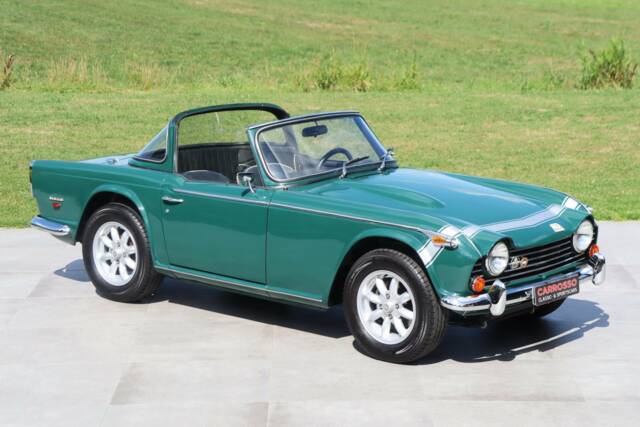
1968 | Triumph TR 250
Triumph TR250 Overdrive | Injection | Body-off Restored

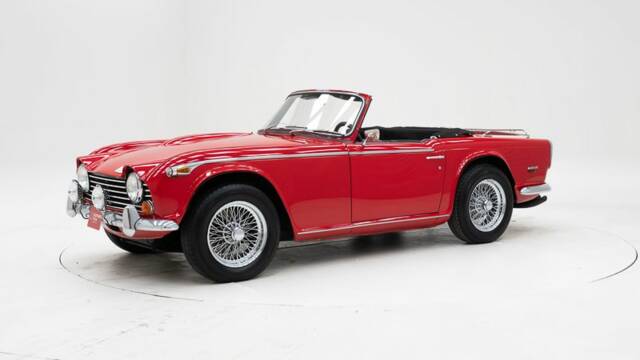
1968 | Triumph TR 250
1968 Triumph TR250 + Overdrive '68

Auctions ending soon

Loading…
Loading…
Loading…
Loading…
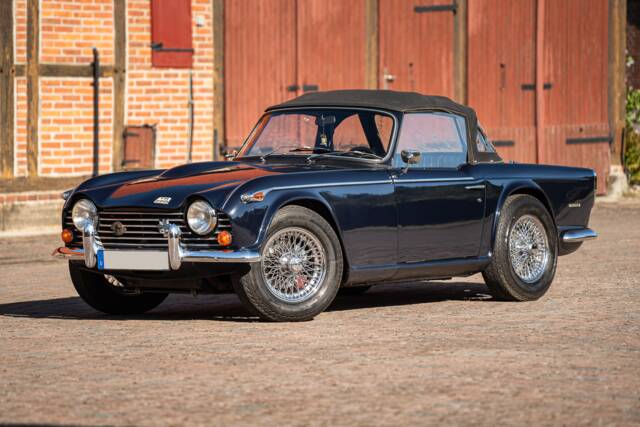
1968 | Triumph TR 250
5-Gang, Weber Vergaser, Fächerkrümmer

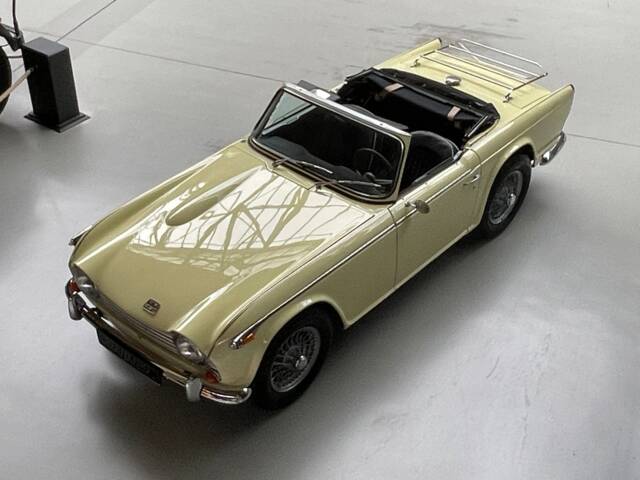
1967 | Triumph TR 250
Motorüberholung in 2025
Newsletter
The best Triumph listings, straight to your inbox
Get hand-picked Triumph listings, plus the best of cars, motorbikes, and auctions on Classic Trader — all in one place.
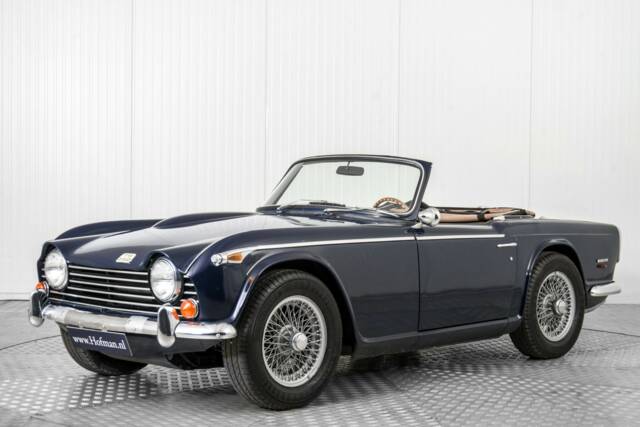
1968 | Triumph TR 250
Triumph TR5 TR250 overdrive spaakwielen
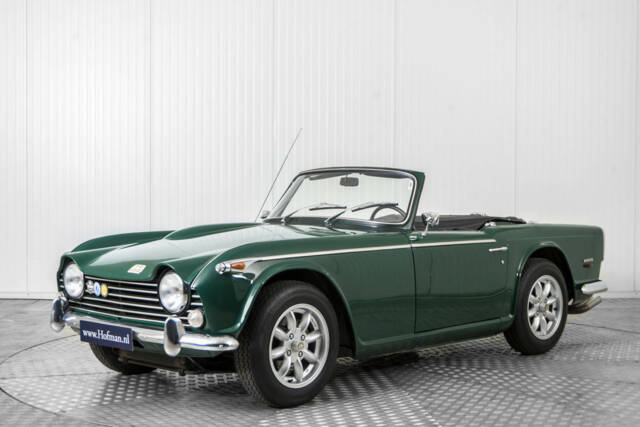
1968 | Triumph TR 250
Triumph TR5 TR250 Overdrive
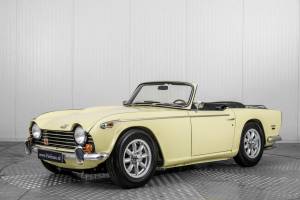
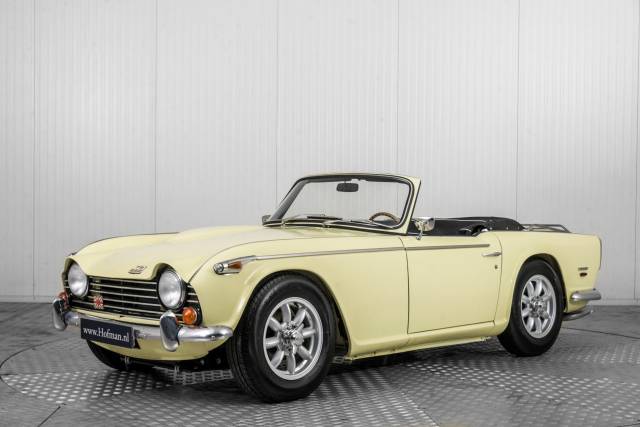
1968 | Triumph TR 250
Triumph TR5 TR250 overdrive .
Triumph TR 250 listing references from Classic Trader
Below you will find listings related to your search that are no longer available on Classic Trader. Use this information to gain insight into availability, value trends, and current pricing for a "Triumph TR 250" to make a more informed purchasing decision.
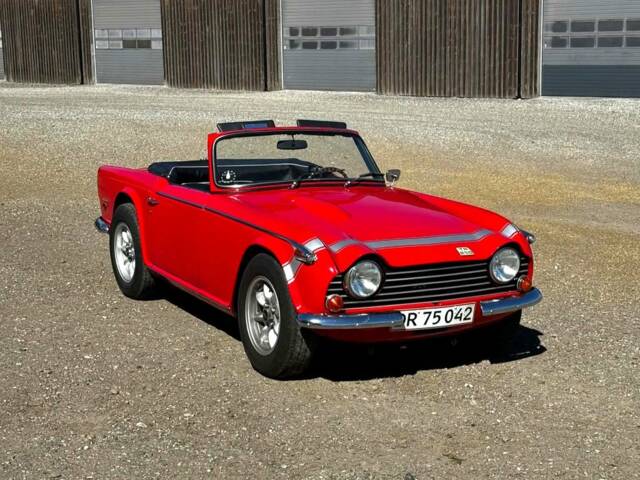
1968 | Triumph TR 250
Triumph TR250 | 1968 | Route 66 Auctions - For sale by auction. Estimate 10200 EUR
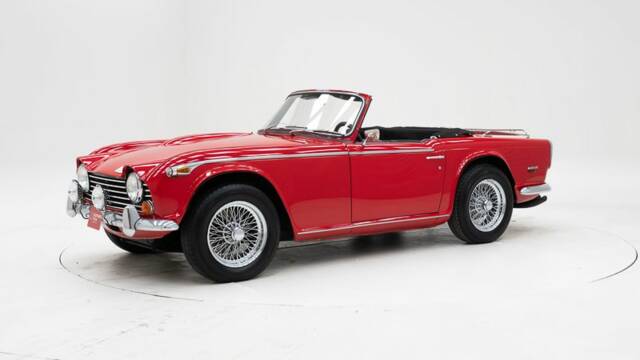
1968 | Triumph TR 250
1968 Triumph TR250 + Overdrive '68
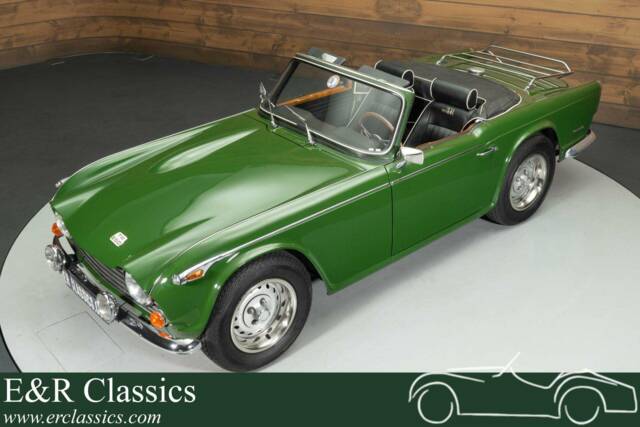
1967 | Triumph TR 250
Triumph
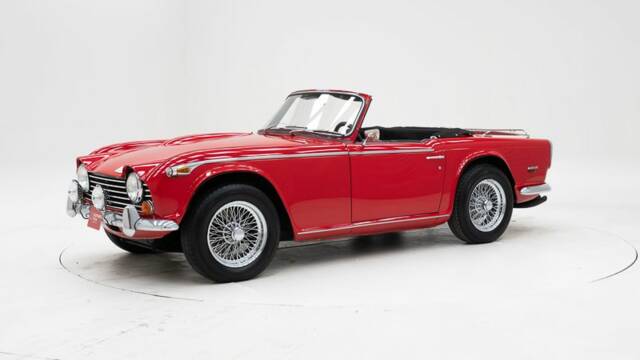
1968 | Triumph TR 250
1968 Triumph TR250 + Overdrive '68
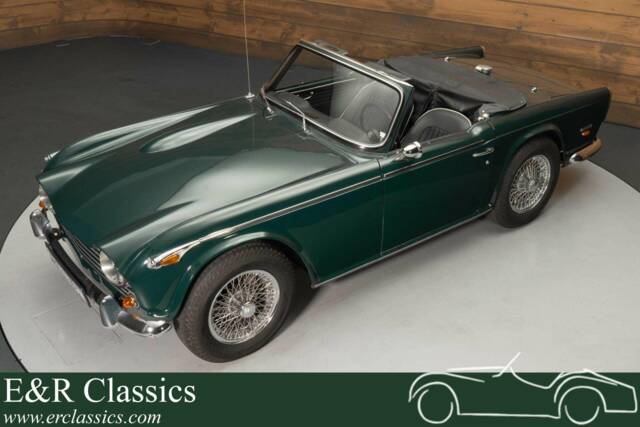
1968 | Triumph TR 250
Triumph TR250 | Historie bekend | Overdrive | 1968
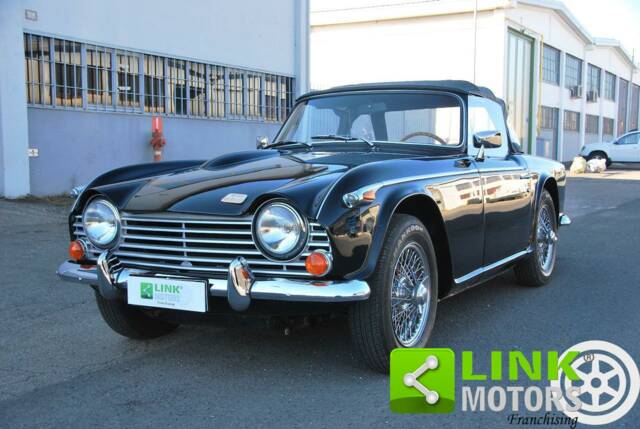
1968 | Triumph TR 250
TRIUMPH TR250 Roadster 1968 - RESTAURO TOTALE

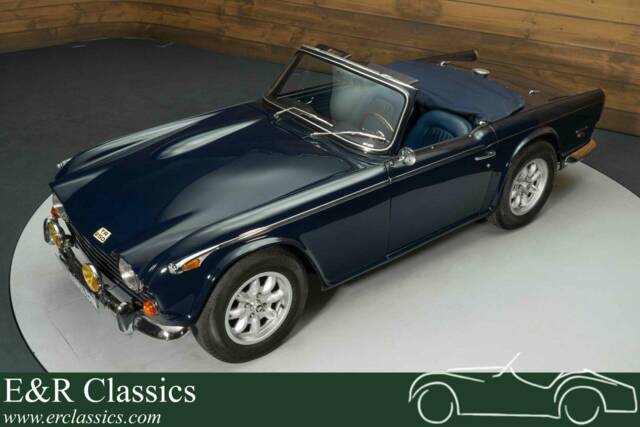
1968 | Triumph TR 250
Triumph TR250 | Uitvoerig gerestaureerd | Overdrive | 1968
Triumph TR 250 Classic Cars: Prices & Market Values
The market value of Triumph TR 250 classic cars is primarily determined by technical condition, originality and mileage, as well as rarity, history and documentation. A well-maintained, largely original vehicle with low, verifiable mileage and complete history including appraisals and documentation typically achieves significantly higher prices than a comparable vehicle with deferred maintenance, many modifications or unclear provenance.
Triumph TR 250: Market Prices & Value Trends
Based on sales data from the Classic Trader marketplace, the Triumph TR 250 market in Europe shows a broadly stable to gently rising trend over the period from January 2021 to January 2026. Most observed prices for 1967–1968 cars (typically around 103–110 hp) cluster in the mid-£30,000s to mid-£40,000s, suggesting steady demand for sound, correctly presented examples. A realistic current market range is approximately £30,000–£48,000, with the bulk of cars changing hands around £35,000–£45,000; very low figures (around £15,000) and the occasional high outlier above £50,000 appear to reflect condition, provenance, or exceptional specifications rather than the norm. Recent activity in Germany and the Netherlands sits close to this core band, while repeated Italian asking levels around the mid-£40,000s point to consistent retail positioning. For buyers, this means values are holding up well, likely supported by the TR 250’s relative rarity, classic roadster appeal, and overlap with TR5/TR6 enthusiast interest.
History of the Triumph TR 250
The Triumph TR 250 emerged in July 1967 as the successor to the much-loved Triumph TR4/TR4A, but it was tailored for the stricter emissions standards of the US market. Almost identical to the Europe-only TR5, the TR 250 swapped fuel injection for a pair of Zenith-Stromberg or SU carburettors to meet American regulations. Built in Coventry, its curvaceous body was penned by Italian designer Giovanni Michelotti, and distinguishing features included sculpted exhaust tips, wider side trims, a modified grille, and new badges. The TR 250 delivered British roadster dynamics packed in a body just 3.9 metres long and barely 1,060 kg, with the comfort and minimalism that marked the era.
Model history
The TR 250 is heavily based on the Triumph TR4A, continuing its chassis and suspension layout, but evolved with a 2.5-litre straight-six engine. Its predecessor, the TR4 (1961–1967), was famed for its independent rear suspension (IRS) and Italian styling. The TR 250 itself only lasted in production for about 15 months, being succeeded by the TR6 from 1968, which continued the straight-six engine tradition but with updated styling and improved handling. TR 250 production was strictly for North America, with all 8,484 examples exported, where they competed directly against homegrown convertibles and European rivals alike.
Highlights
Distinctive features of the TR 250 include the straight-six 2.5-litre engine, authentic rear-wheel drive dynamics, and unique carburettor setup distinguishing it from its TR5 sibling. Other trademarks are the robust 4-speed gearbox (usually with optional Laycock de Normanville overdrive), wood-trimmed dash, leather seats, and classic analog instruments. Externally, features like the surrey top (removable hard- and soft-roof sections), wire or Minilite alloy wheels, and chrome accents abound. Most cars arrived left-hand drive for the US, with matching commission numbers ("CD" prefix with "L" for LHD). Accessories such as full tonneau covers, period radios, and even factory air conditioning were available.
Technical data
Special Editions and Collectible Models
The TR 250 itself was produced in just one standard configuration for the US market. However, originality can be found in rarities such as cars fitted with factory overdrive ('O' in commission number), factory hardtops, or rare colour schemes like Royal Blue, British Racing Green, or Signal Red. Cars with original accessories, such as the surrey top or period Blaupunkt radios, are particularly sought after by dedicated collectors.
Weak Spots and Common Issues
Typical issues for the TR 250 include minor oil leaks from the engine, a trait shared with many British cars of the 1960s. Pay close attention to the health of carburettors and the condition of the chassis for rust, especially in cars re-imported after spending decades abroad. The clutch can be heavy, and the overdrive system requires regular maintenance. The brake servo and rear drum brakes should be checked for wear. As there is no electronic assistance or airbag, the car's spartan setup means owners should inspect all mechanical and hydraulic systems regularly.
Engine and Performance, Transmission and Handling
The 2.5-litre six-cylinder provides a throaty soundtrack and a robust power curve, delivering 104–111 PS to the rear wheels. Thanks to the relatively light curb weight, the TR 250 accelerates from 0 to 100 km/h in about 10.6 seconds. The independent rear suspension, introduced with the TR4A, yields precise handling and authentic cornering feel by today's classic standards. The overdrive transmission (where fitted) allows up to seven forward gears, enhancing both performance and relaxed cruising at higher speeds. The rack-and-pinion steering is direct but unassisted, and the braking system, with front discs and rear drums, provides period-correct stopping power. Popular variants to note include TR 250s fitted with the Laycock overdrive and those sporting period correct wire wheels, as well as examples in original factory colours and configurations.
Interior, Comfort, Exterior and Design
Designed by Giovanni Michelotti, the TR 250 presents clean lines, chromed bumpers, and a distinctive grille. Interior appointments typically feature leather seats, a walnut-veneered dashboard, and large, analog gauges for all crucial functions. The seat position is deliberately low, giving a cockpit feel, and provides enough head- and legroom for even tall drivers. Classic accessories such as the surrey top (separable hard and soft sections), Persenning (full tonneau cover in mohair or canvas), and wood-rimmed steering wheels are often found. Original equipment might include Blaupunkt radios and tartan fabric details. Externally, chrome wire or Minilite wheels, badgework, and vivid paint schemes set off the British-Italian collaboration.
Other Information
The TR 250's minimal luggage space is due to a full-size spare kept in the boot. Many examples have been re-imported to Europe after originally being sold in the US, sometimes resulting in unique restoration details. With no electronics, no driver assistance, and a mechanical ignition system, this is classic driving in its purest analogue form.
Summary
The Triumph TR 250 stands out as a rare, US-market-only roadster, combining the best of British engineering and Italian design for a brief but memorable production run. Its robust six-cylinder engine, chassis dynamics, and timeless styling continue to attract enthusiasts seeking an undiluted classic roadster experience.