Triumph 2000 Roadster classic cars for sale
Produced by Standard Motor Company from 1948 to 1949, the Triumph 2000 Roadster is a rare British four-seat cabriolet featuring a 2-litre engine, rear-wheel drive, elegant leather interior, and unique design details like 'dickey seats' and mohair roof. Its robust engineering and distinctive styling have long made it a favourite among classic British open-top cars.
Search results
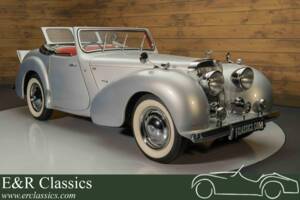
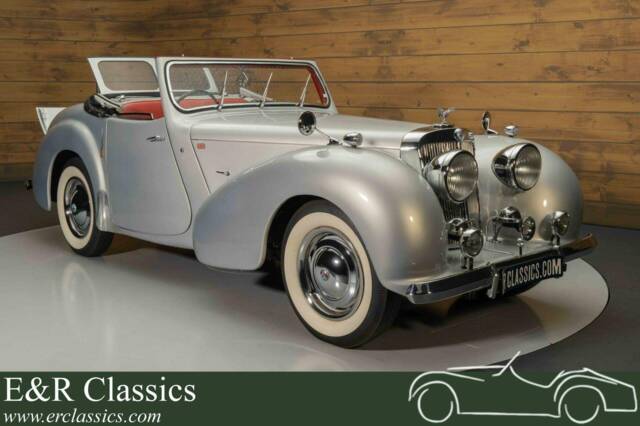
1949 | Triumph 2000 Roadster
Triumph

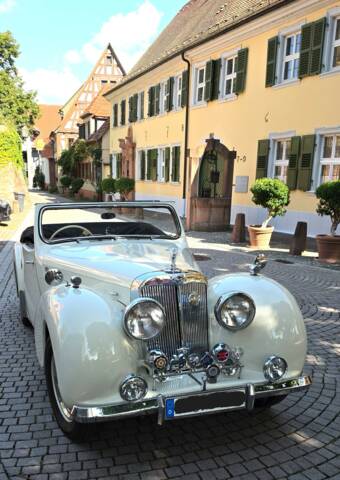
1949 | Triumph 2000 Roadster
1949 Triumph 2000 Roadster – Restored – Very Good Condition

Auctions ending soon

Loading…
Loading…
Loading…
Loading…
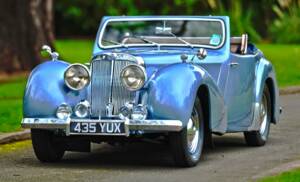
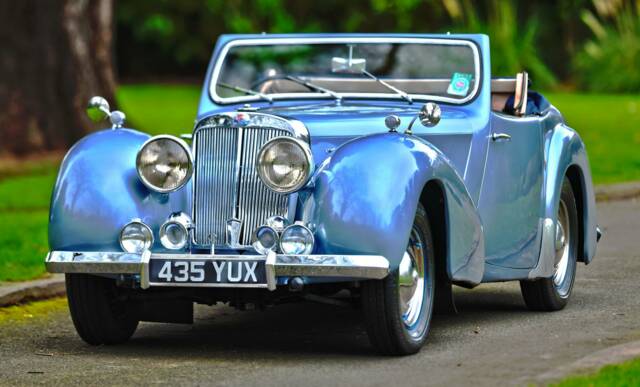

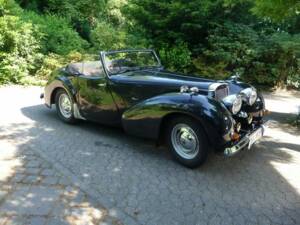
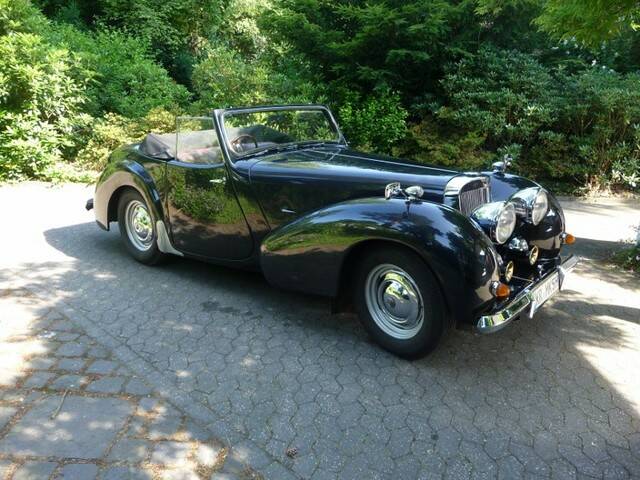
1949 | Triumph 2000 Roadster
– frame-off restored, condition grade 2-, rare collector’s car
Newsletter
The best Triumph listings, straight to your inbox
Get hand-picked Triumph listings, plus the best of cars, motorbikes, and auctions on Classic Trader — all in one place.
Triumph 2000 Roadster listing references from Classic Trader
Below you will find listings related to your search that are no longer available on Classic Trader. Use this information to gain insight into availability, value trends, and current pricing for a "Triumph 2000 Roadster" to make a more informed purchasing decision.
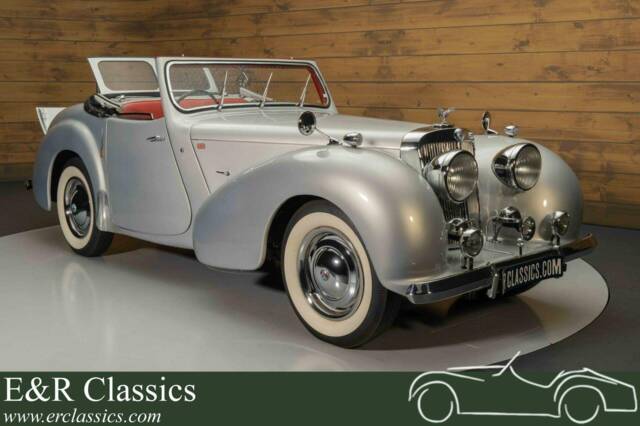
1949 | Triumph 2000 Roadster
Triumph
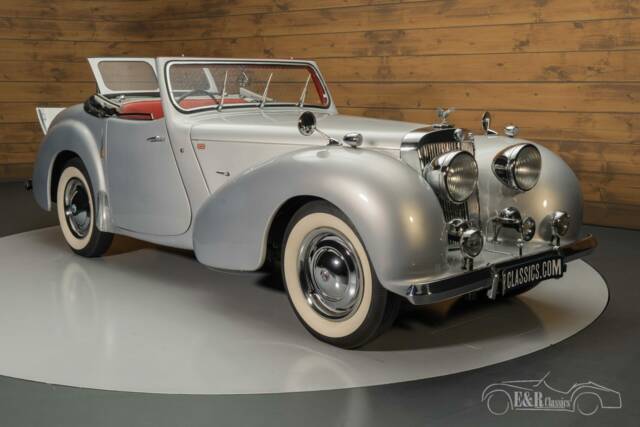
1949 | Triumph 2000 Roadster
Triumph Roadster 2000 | 1949 | Route 66 Auctions - For sale by auction. Estimate 32500 EUR
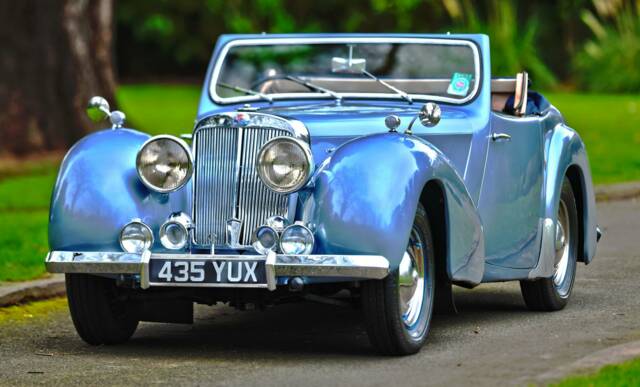
1949 | Triumph 2000 Roadster
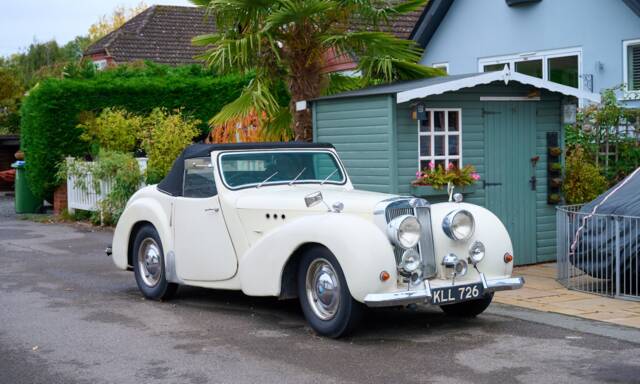
1949 | Triumph 2000 Roadster
1949 Triumph 2000 Roadster
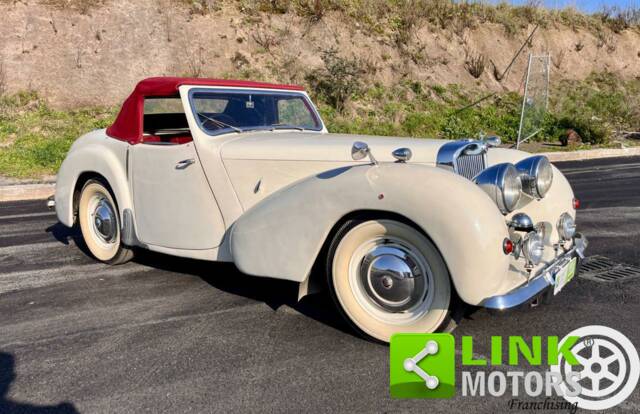
1942 | Triumph 2000 Roadster
TRIUMPH Roadster, Rarita d'epoca, Matching Numbers

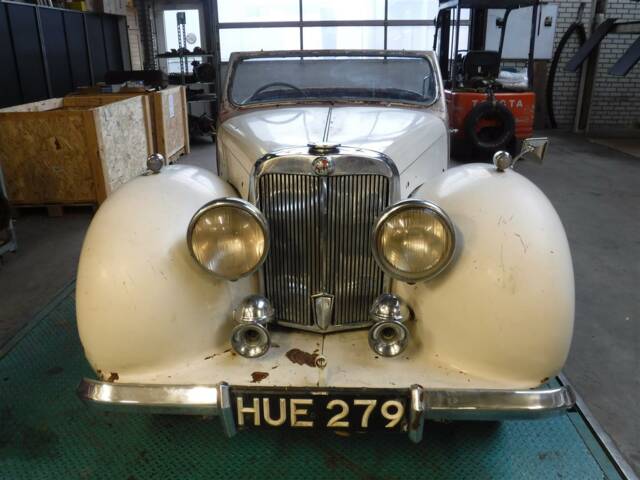
1948 | Triumph 2000 Roadster
Triumph-2000 Roadster RHD
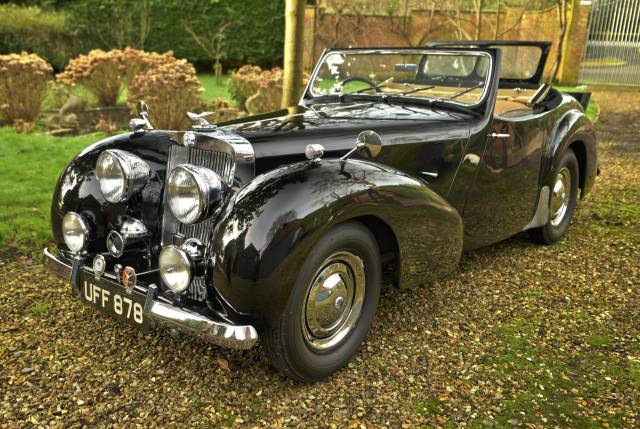
1949 | Triumph 2000 Roadster
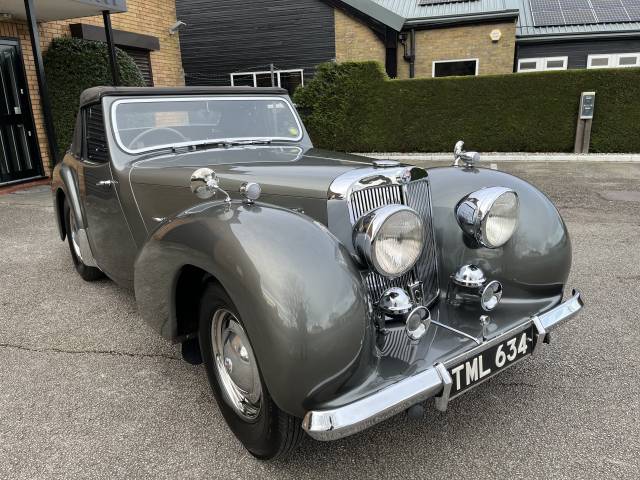
1949 | Triumph 2000 Roadster
Stunning 1949 Triumph Roadster 2000 with dicky seats
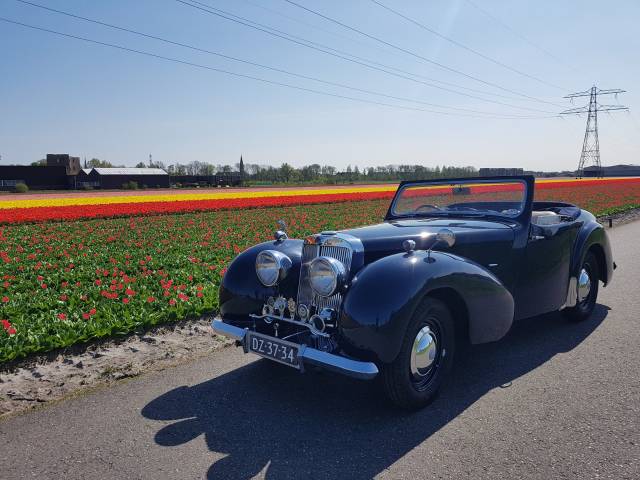
1949 | Triumph 2000 Roadster
Technisch volledig gerestaureerde Roadster met gewilde Standard Vanguard motor
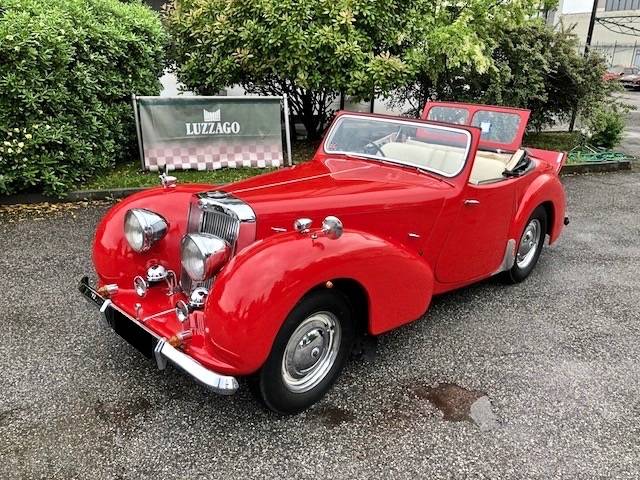
1949 | Triumph 2000 Roadster
Iscritta ASI - targhe nere
Triumph 2000 Roadster Classic Cars: Prices & Market Values
History of the Triumph 2000 Roadster
The Triumph 2000 Roadster emerged shortly after the Second World War, designed and produced by the Standard Motor Company between 1948 and 1949. Conceived as an upgrade to the earlier 1800 Roadster, the 2000 version introduced a larger engine and enhanced mechanicals. At the end of the 1940s, Triumph faced a market eager for open-top driving experiences with traditional British charm. The 2000 Roadster responded with hand-built coachwork, leather appointments, and an innovative seating arrangement including two rear 'dickey seats' accessed from the outside. With production numbers limited to just a single year and a half, the 2000 Roadster quickly became a rare sight, cherished for its blend of pre-war styling and post-war engineering. Its sturdy construction, featuring leaf spring suspension and rear-wheel drive, underlined Triumph's reputation for producing vehicles both durable and comfortable for longer grand touring journeys.
Model History
The Triumph 2000 Roadster was the last of the open-top roadsters built by Triumph in the immediate postwar era. Its direct predecessor, the 1800 Roadster (produced 1946–48), shared much of the same bodywork but used a smaller 1.8-litre engine. The 2000 Roadster upgraded to a 2.0-litre four-cylinder engine and improvements to the drivetrain, maintaining the rear-wheel drive configuration and three-speed manual gearbox. As the roadster segment faded in favour of more modern saloon cars by the early 1950s, the 2000 was succeeded by more conventional Triumph models and saloons, but remained a standout example of traditional British sports car engineering. Some examples were later fitted with engines from the Standard Vanguard or even six-cylinder Daimler units, showing the adaptability of the platform.
Highlights of the Triumph 2000 Roadster
The Triumph 2000 Roadster is recognisable for several technical and visual hallmarks: the 2.0-litre four-cylinder engine, rear-hinged 'dickey seats' at the back, genuine leather upholstery, wooden accents, and a mohair convertible roof. Early models mostly featured classic colours—deep blacks, blues, and metallic finishes. Technical evolutions, such as the adoption of semi-automatic preselect gearboxes and the occasional retrofit of disc brakes, demonstrate how the 2000 Roadster could be both authentic and updated. Imported both with left- and right-hand drive, these cars were also frequently restored or sympathetically upgraded for contemporary usability (electric ignition, alternators, stainless steel exhausts).
Technical Data
Special Editions and Collectible Models
Although no officially sanctioned special editions left the factory, uniqueness in the Triumph 2000 Roadster range comes mainly from later modifications and restorations. Some vehicles have been fitted with different engines (notably the 2.4-litre six-cylinder Daimler) or received sympathetic modern updates (electric ignition, improved cooling, stainless exhausts). Well-documented cars with original features or period upgrades are especially sought after, and provenance or individual restoration history can greatly influence a car's appeal. Limited production and the wide variance in restoration quality create significant differentiation among available vehicles.
Weak Spots and Common Issues
Potential buyers should pay close attention to rust—particularly in the chassis, floor panels, wheel arches, and underbody, as with most British classics of the era. Engines originally shared components with agricultural and other Standard Triumph products, which means spares for mechanicals are fairly accessible, though authenticity should be assessed in case of engine swaps. The semi-automatic gearboxes require careful maintenance, and electrical systems may reveal their age. Trim and unique bodywork elements, such as the mohair roof or wooden dashboard, may require specialist restoration skills. Many cars have been rebuilt or modernised, so detailed documentation is critical when evaluating a potential purchase.
Engine and Performance, Transmission and Handling
The original 2.0-litre engine produces roughly 99 PS, offering a period-appropriate mix of torque and relaxed cruising performance. Typical for the era, acceleration is steady but not brisk, with a focus on smooth power delivery rather than outright speed. The rear-wheel drive layout, leaf spring rear suspension, and relatively heavy body result in a comfortable, if somewhat boat-like, ride. Handling is predictable, though less sporty than later British roadsters. Upgraded brakes and electronic ignition systems can improve both safety and day-to-day usability, while the semi-automatic preselect gearbox offers a unique driving experience for those unfamiliar with it. - Triumph 2000 Roadster 2.0: Factory original, prized for authenticity and period-correct restoration.
- Triumph Roadster with 2.4-litre Daimler engine: Sought after for increased power and rarity among the breed.
- Restored Roadsters with modern upgrades: Favoured by those who enjoy classic styling with added reliability (e.g., alternator conversions, electric fans, stainless exhausts).
Interior, Comfort, Exterior and Design
The Triumph 2000 Roadster’s coachbuilt body is a celebration of late pre-war British design: flowing wings, tall chrome grille, hidden rear 'dickey seats', and chrome accents all contribute to its classic presence. Interiors are classically British—leather upholstery (brown, blue, or tan), colour-matched carpets, real wood dashboard and interior panels. The mohair convertible roof and matching side screens ensure year-round usability. Export cars sometimes featured unique colour schemes or left-hand drive specification. Accessories such as chrome wire wheels, period-correct radios, or fitted luggage enhance both value and usability. Distinctive design cues include flip-out headlamps, robust chrome bumpers, and the uniquely English profile that offers a visual nod to racing and touring cars of the 1930s.
Other relevant features
Many Triumph 2000 Roadsters on the market today feature extensive documentation, including restoration logs and often certifications from historical clubs. Some cars come with European (including Swiss) or British registration papers, which can influence export and registration options. Because many drivetrain and mechanical components cross over with other Triumph models or even agricultural equipment, spare parts are more readily available than for some other low-volume classics. Ongoing enthusiast club support helps owners access knowledge and community-driven parts networks.
Summary
The Triumph 2000 Roadster, produced only from 1948 to 1949, is a standout among British classics, offering a distinct blend of craftsmanship, individuality, and engineering rooted in a post-war context. Its blend of pre-war design with practical upgrades, coupled with rarity and specialist appeal, makes it a preferred choice for enthusiasts seeking an open-top British touring car with pedigree and real-world usability.