Triumph 1800 Roadster classic car for sale
The Triumph 1800 Roadster, introduced in 1946, stands out with its rare aluminium body, classic pre-war design cues, and distinctive mother-in-law seat. Its handcrafted quality, robust four-cylinder engine, and authentic British roadster flair attract collectors looking for originality and rarity.
Search results
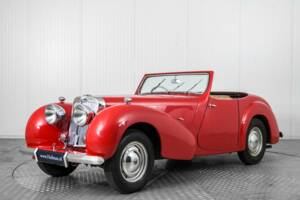
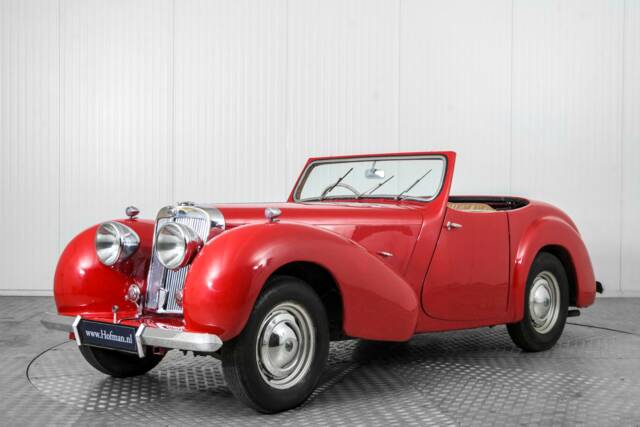
1947 | Triumph 1800 Roadster
Triumph 1800 Roadster 6 cilinder overdrive

Triumph 1800 Roadster listing references from Classic Trader
Below you will find listings related to your search that are no longer available on Classic Trader. Use this information to gain insight into availability, value trends, and current pricing for a "Triumph 1800 Roadster" to make a more informed purchasing decision.
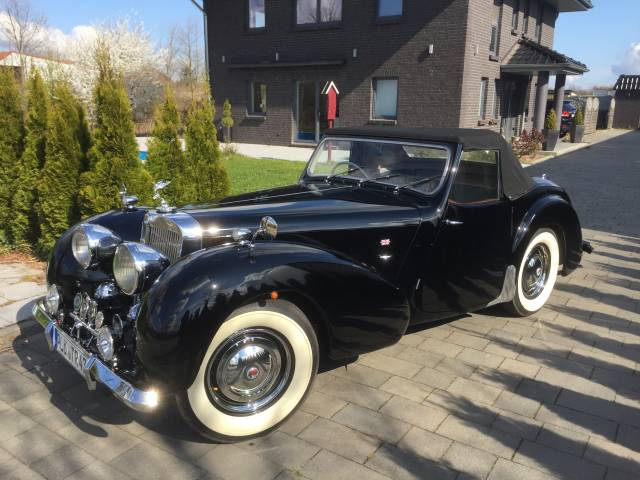
1948 | Triumph 1800 Roadster
Englischer Oldtimer: Triumph Roadster 1800

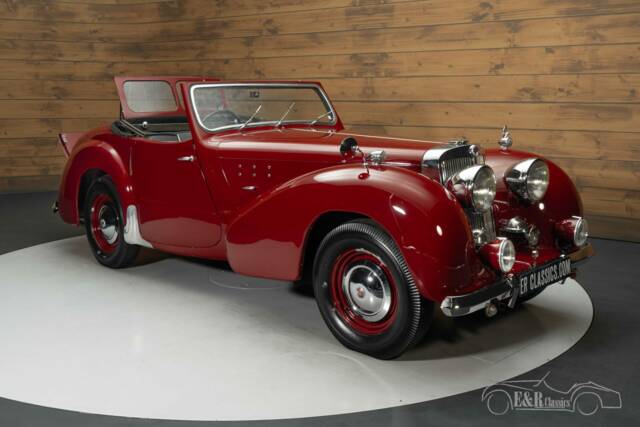
1947 | Triumph 1800 Roadster
Triumph Roadster 2000 | 1947 | Route 66 Auctions - For sale by auction. Estimate 20500 EUR
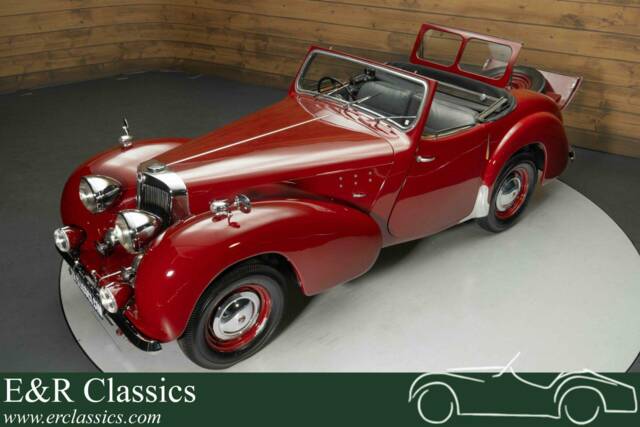
1947 | Triumph 1800 Roadster
Triumph Roadster 2000 | Gerestaureerd | Dicky seat | 1947
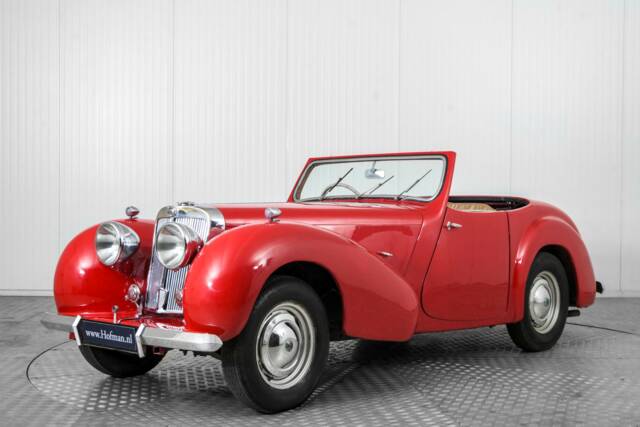
1947 | Triumph 1800 Roadster
Triumph 1800 6 cilinder overdrive
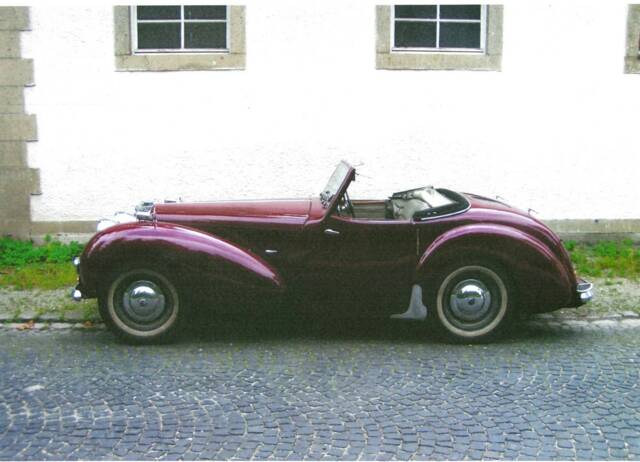
1946 | Triumph 1800 Roadster
Sammlerstück
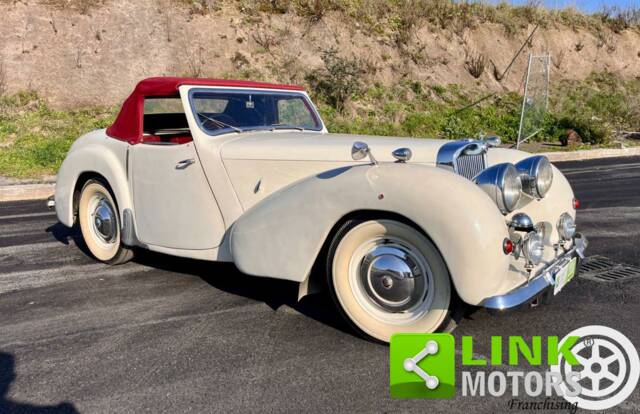
1942 | Triumph 1800 Roadster
TRIUMPH Roadster, Rarita d'epoca, Matching Numbers

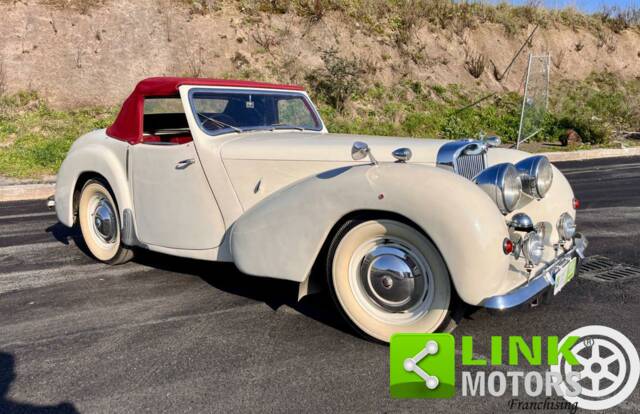
1942 | Triumph 1800 Roadster
TRIUMPH Roadster, Rarita d'epoca, Matching Numbers
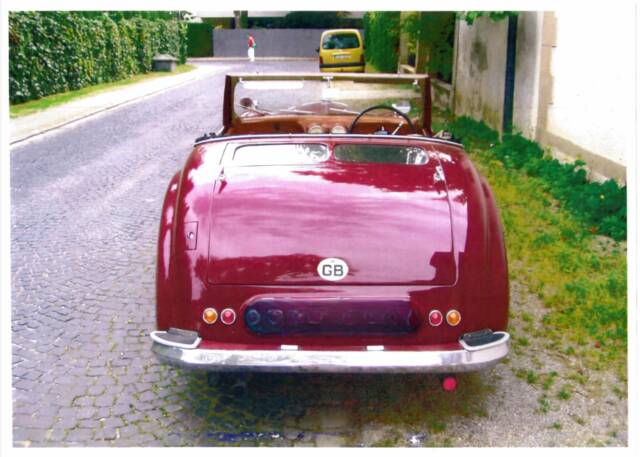
1946 | Triumph 1800 Roadster
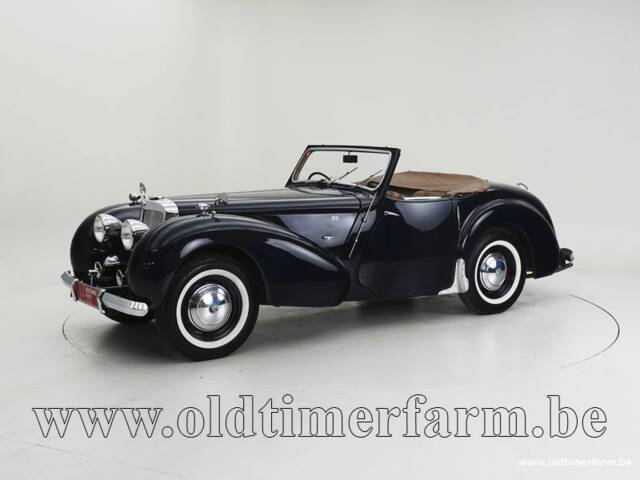
1946 | Triumph 1800 Roadster
1946 Triumph 1800 Roadster '46

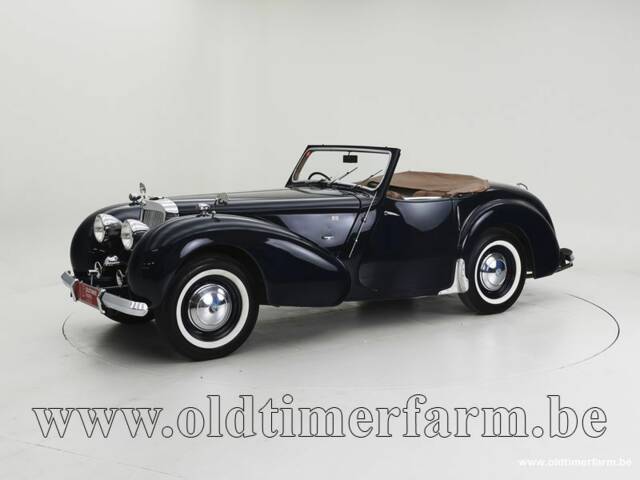
1946 | Triumph 1800 Roadster
1946 Triumph 1800 Roadster '46
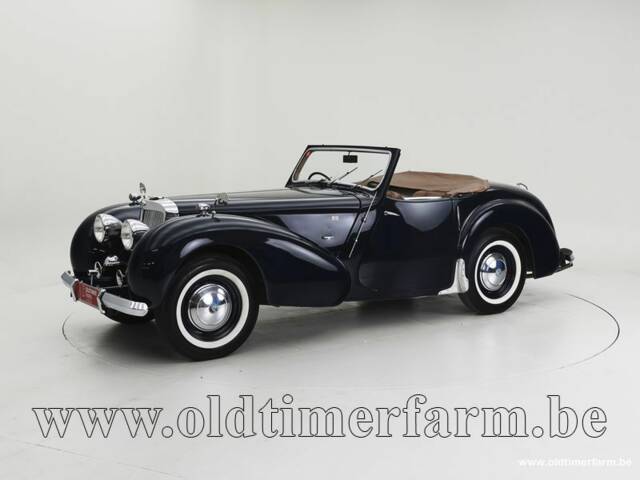
1946 | Triumph 1800 Roadster
1946 Triumph 1800 Roadster '46
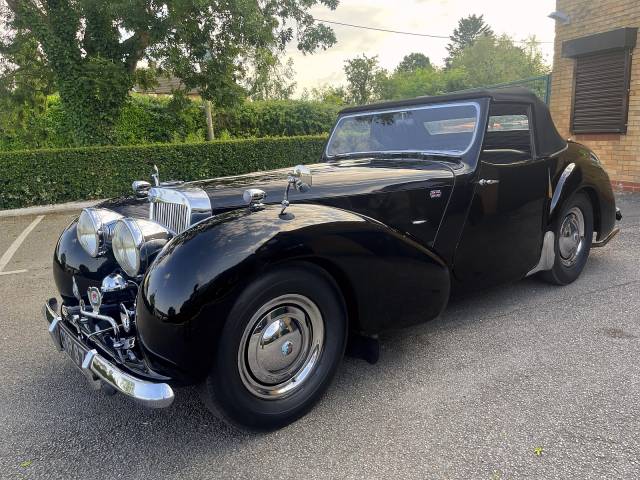
1948 | Triumph 1800 Roadster

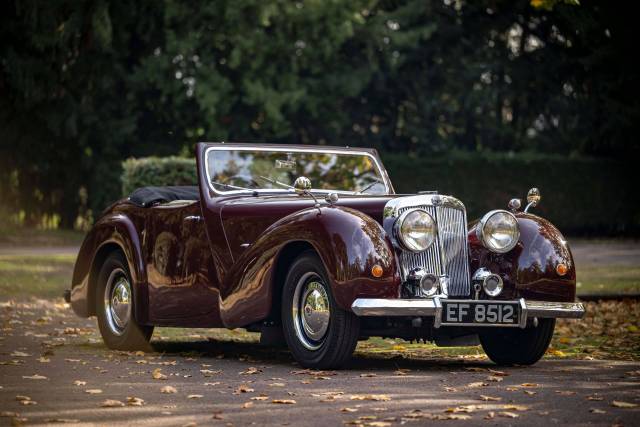
1948 | Triumph 1800 Roadster
Outstanding Restoration - Spares Package Included
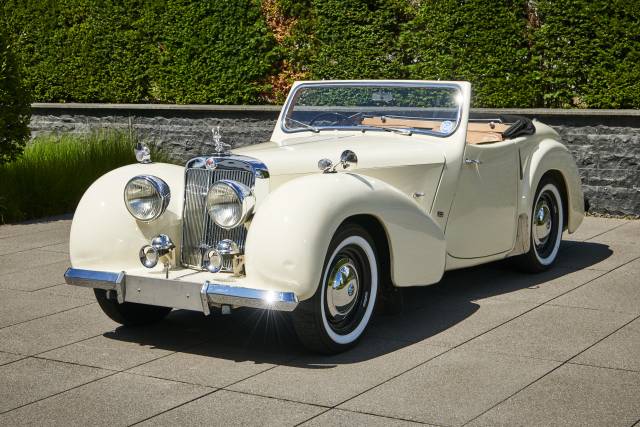
1948 | Triumph 1800 Roadster
Restauriertes Fahrzeug / Servicehistorie / Originalhandbücher
Triumph 1800 Roadster Classic Cars: Prices & Market Values
History of the Triumph 1800 Roadster
Following the end of World War II, Triumph introduced the 1800 Roadster as its first postwar model in 1946, designed to rival contemporaries from Jaguar. Development had already begun during the war, with Sir John Blake aiming for a sportier car for the revived Triumph brand. The body, shaped by Frank Callaby at the front and Arthur Ballard at the rear, was built mainly from aluminium due to postwar steel scarcity, using presses repurposed from aircraft manufacturing. Engineer Ray Turner oversaw the mechanics, assembling a chassis from steel tubing combined with an ash wood frame and mounting the hand-shaped panels. Production ran until 1948, with only 2,501 made, making surviving examples rare today.
Model History of the 1800 Roadster
The Triumph 1800 Roadster (18TR) succeeded pre-war Triumph sports cars as the brand’s flagship. It was in production from 1946 to 1948, succeeded briefly by the Triumph 2000 Roadster (TRA). Eventually, the Triumph TR1 took over in 1952, marking the end of the traditional roadster era at Triumph. The 1800 Roadster is also one of the last cars to feature the 'dickey seat' or mother-in-law seat.
Highlights and Market Presence
Distinctive elements of the Triumph 1800 Roadster include its three-abreast front seating, the rare external dickey seat at the rear, original Lucas headlamps, and an aluminium-over-ash body construction. The dashboard features genuine wood and extensive instrumentation, while leather interiors are standard, often in contrasting colours with the exterior. The 1800 Roadster’s unique look—complete with pre-war design influences—makes it recognisable. Its rarity is confirmed, with only 2,501 units built and an even smaller number surviving in original condition today. Originality, extensive documentation, and history are typical features of vehicles on the market. Restoration to a high standard, including the coveted 'body-off' restorations, are common. Stainless steel exhausts and whitewall tyres are usual contemporary upgrades.
Technical Data
Special Editions and Notable Variants
While there were no officially designated special editions of the 1800 Roadster, some restored examples feature period-correct or bespoke luxury enhancements, such as custom leather trim or upgraded exhaust systems. Professionally restored vehicles with a verified heritage and matching numbers are sometimes highlighted as 'collectibles' within classic car circles.
Maintenance and Known Issues
No factory-documented weak points were found in available records, but, as with many classic cars, potential buyers should inspect for wood frame rot under the aluminium panels and check for proper alignment or restoration quality. The aluminium panels can show signs of corrosion or stress if poorly maintained. Clubs and specialists, especially in the UK, offer good parts support and have extensive experience with the model. Many Roadsters have undergone full 'body-off' restorations, but authenticity and careful documentation are crucial, particularly when it comes to interior materials, original instruments, and Lucas lighting components. Regular inspection is advised for the steel chassis, and proper garage storage is vital for preservation.
Engine, Transmission and Handling
The 1800 Roadster’s 1.8-litre four-cylinder engine, derived from earlier Standard units, offers moderate performance by postwar standards—a top speed near 120 km/h and a four-speed manual with column shifter. The front bench seat accommodates three passengers, a necessity given the wide cockpit layout. Rear-wheel drive, a relatively narrow rear track compared to the front, and independent front suspension all contribute to a comfortable, if stately, drive. Hydraulically actuated brakes on all wheels provide effective deceleration for the period. Transmission upgrades (such as swapped 5-speed units) and modern exhausts are sometimes found on restored examples. Notable among surviving cars are right-hand-drive examples with original spec, especially those retaining their mother-in-law seat and complete Lucas lighting, as well as cars with high-grade documentation and authentic restoration. Vehicles imported from the UK often include historic registration and valuation certificates in continental Europe.
Interior, Exterior, and Design Details
Interior craftsmanship is a key part of the 1800 Roadster’s appeal: leather upholstery, wood trim, and comprehensive original instruments set the standard. The foldable windscreen and inclusion of three wipers—a feature later mirrored in Jaguar’s E-Type—stand out among roadsters of the era. The most visible trait is the protruding, setback grille and upright, individual headlights, recalling pre-war styling. Special equipment options were minimal, but period-correct accessories like whitewall tyres, authentic Lucas lighting, and additional chrome trim are appreciated among enthusiasts. Some models received replacement stainless steel exhausts for longevity. The use of aluminium for most panels made the body relatively light despite the car’s size.
Other Notable Features
The 1800 Roadster is one of the last series production vehicles with a rear dickey seat. Comprehensive documentation, handbooks, and club resources are commonly available, and the model enjoys strong community support via Triumph and Roadster clubs, especially in the UK. Vehicles restored for contemporary use are sometimes H-registration certified and roadworthy in Germany and across Europe.
Summary of the Triumph 1800 Roadster
The Triumph 1800 Roadster unites British postwar craftsmanship, rarity, and distinctive design with reliable mechanicals and unique details such as the mother-in-law seat. With strong parts support through enthusiast clubs and a history of thorough 'body-off' restorations, the model appeals to collectors focused on authenticity. Aluminium-over-ash construction, extensive original trim, and a strong classic car community round out its enduring appeal for those seeking a rare British roadster.