Porsche 962 Classic Cars for Sale
Developed to dominate endurance racing, the Porsche 962 shaped motorsport history with its incredibly robust twin-turbo flat-six engine, pioneering safety features, and design versatility. As the heart of Group C and IMSA GTP racing, it remains one of the most recognised race prototypes of the 1980s, offering collectors genuine competition pedigree.
Search results
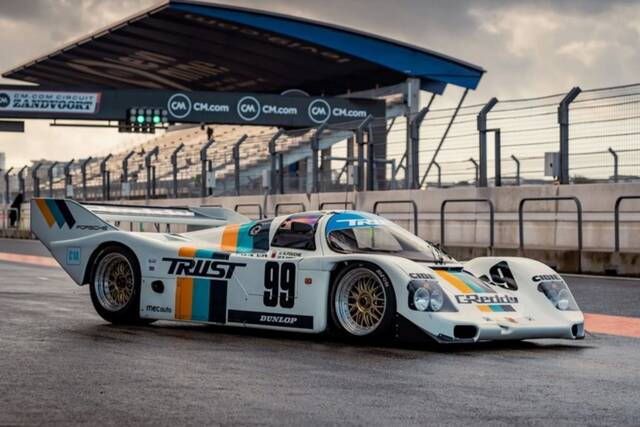
1991 | Porsche 962
Porsche 962C (962-166)

Porsche 962 listing references from Classic Trader
Below you will find listings related to your search that are no longer available on Classic Trader. Use this information to gain insight into availability, value trends, and current pricing for a "Porsche 962" to make a more informed purchasing decision.
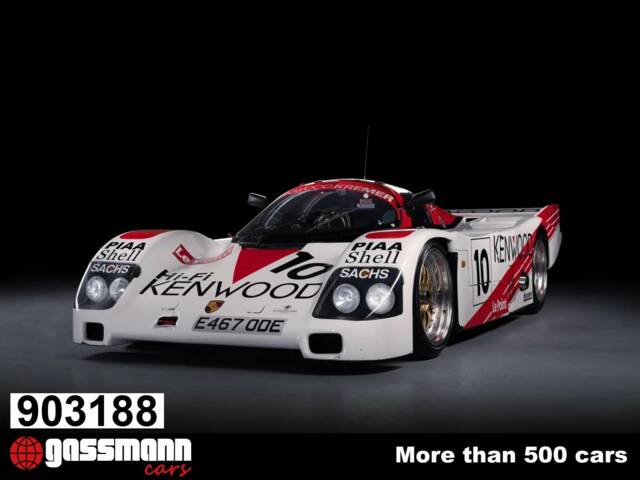
1988 | Porsche 962
Kremer 962 CK6 - RHD

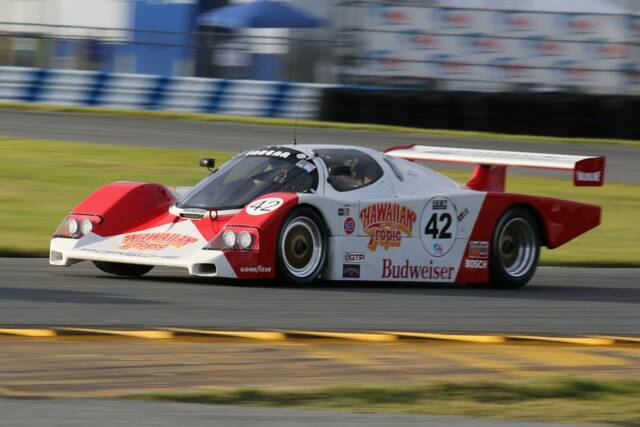
1986 | Porsche 962
Fabcar CL2
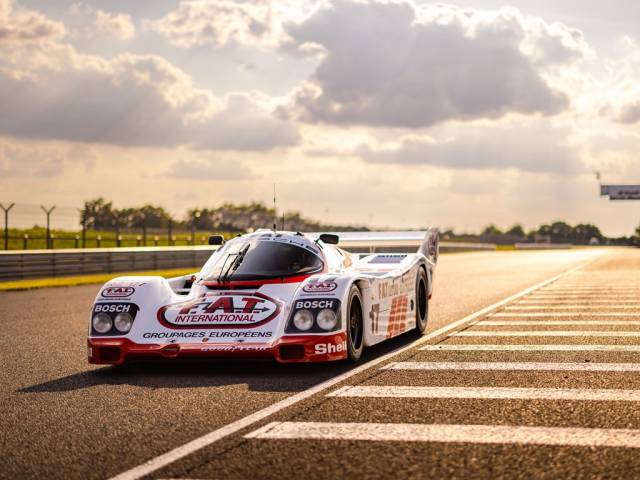
1991 | Porsche 962
1991 Porsche 962 C

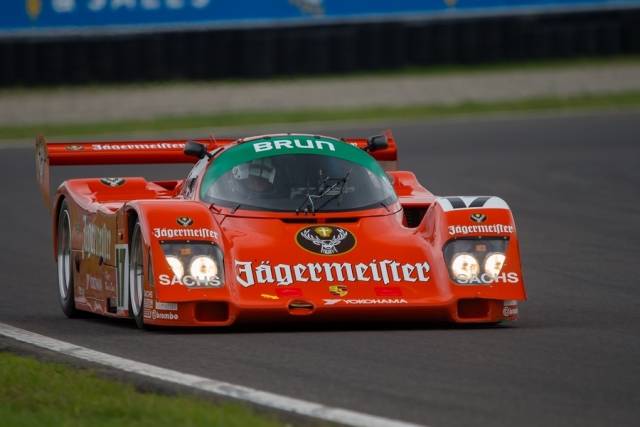
1990 | Porsche 962
Porsche 962C - Brun Motorsport
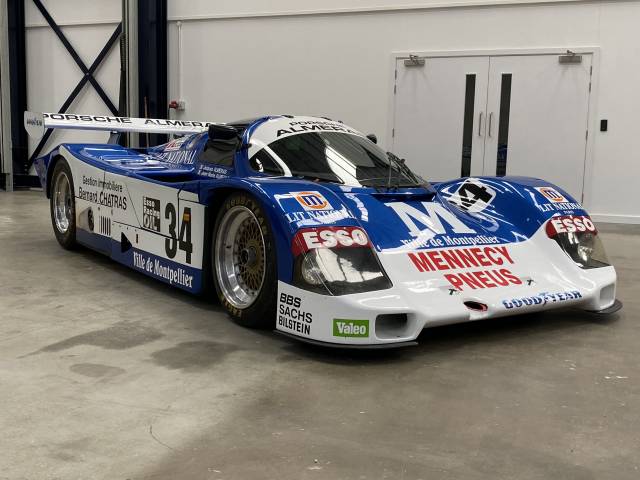
1987 | Porsche 962
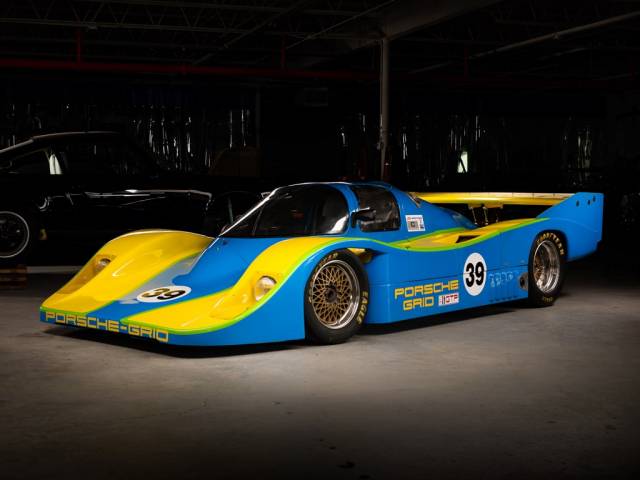
1983 | Porsche 962
1983 GRID-Porsche S2 Group C Prototype
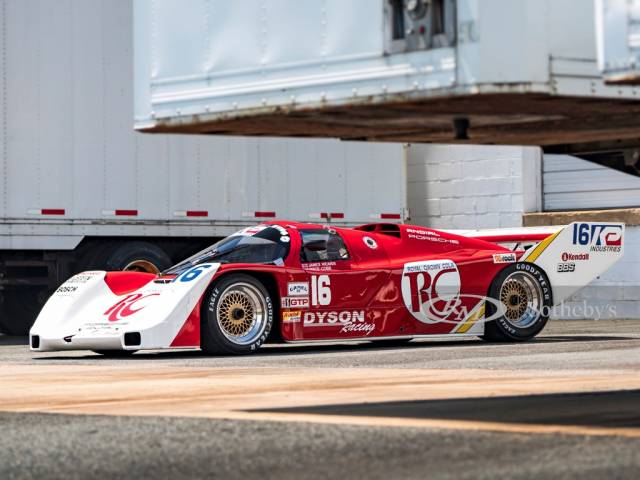
1986 | Porsche 962
1986 Porsche 962 IMSA GTP
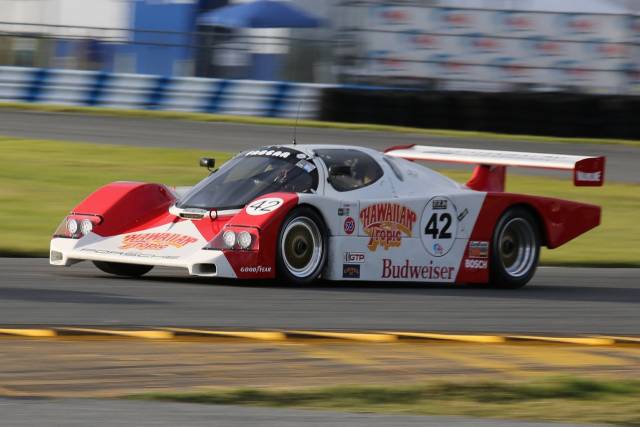
1986 | Porsche 962
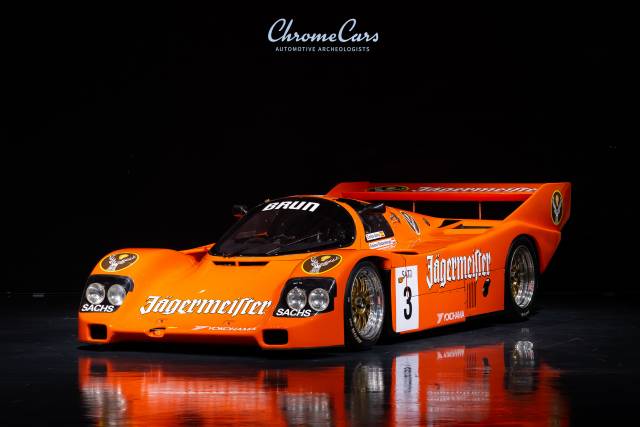
1989 | Porsche 962
Original Jägermeister 962 von BRUN Motorsport
Porsche 962 Classic Cars: Prices & Market Values
History of the Porsche 962
The Porsche 962 emerged at the close of 1984 to answer sweeping regulation changes in international motorsport, effectively replacing the trophy-hoarding 956. Its debut came at the 24 Hours of Daytona for the IMSA GTP class, followed soon after by racing in Group C. The 962's key leap forward came in the name of safety: events like Stefan Bellof’s tragic accident at Spa led to significant structural improvements. The 962 evolved well beyond its predecessor—bringing the pedals behind the front axle to meet new safety standards and introducing a more robust chassis. Across a decade-long campaign, the 962 clinched numerous victories, including two outright wins at the 24 Hours of Le Mans and nineteen constructor’s championship titles globally.
Model Development and Continuity
Successor to the Porsche 956, the 962 carried forward the core mechanicals but upgraded ergonomics and crash protection. Early customers included private racing teams, many updating their existing 956s to 962 specification due to transitional rulebooks, making for a diverse developmental path. The 962 remained competitive deep into the 1990s, culminating in the Dauer 962 Le Mans road-legal supercar variant, and was ultimately succeeded by the Porsche WSC-95—a car that lacked direct factory involvement but extended the 962 lineage into new regulations and racing eras.
Highlights and Features of the Porsche 962
With its monocoque chassis built from aluminium honeycomb panels and a glass-fibre reinforced body, the 962 stands out for technical endurance and innovation. The flat-six boxer engine, in turbocharged form, unleashed up to 700 HP in IMSA specification and 850 HP in its updated Group C version. Aerodynamics ranged from the original double-rail nose to later, high-downforce solid-nose variants. Unique sponsorships—such as the 1980s 'Miami Vice' blue/yellow livery—and participation in nearly every major endurance race (Le Mans, Monza, Brands Hatch, Spa) add to its status.
Technical Specifications
Special Series and Limited Editions
The Dauer 962 Le Mans stands out among special variants: only thirteen constructed, it adapted the Group C racing machine for road use with minimal changes to the original racing design. Other notable editions include race-entered cars with factory or high-profile sponsorship, such as those finished in the iconic blue/yellow Wildwood Racing 'Miami Vice' livery, and those entered by famous drivers and teams in races spanning Daytona to Spa. Each chassis often carried unique aerodynamic modifications and documentation, further distinguishing individual cars.
Engine, Transmission and Handling of the 962
Engine options covered both IMSA (3.2-litre turbo boxer) and Group C (2.649–3.0-litre, up to 850 HP). Drive was channelled through a Hewland five-speed manual with a rear limited-slip differential, and the entire drivetrain benefited from meticulous oil and intercooling systems. The suspension was constructed with aerospace-grade components for reliability, meeting the severe demands of 24-hour racing. Braking efficiency mirrored contemporary Formula 1 technologies, while aerodynamic packages—updated for each circuit and ruleset—enabled stable, high-downforce running at speed. The 962’s reputation in long-distance events such as the 24 Hours of Le Mans, the Miami Grand Prix and the 1000km of Monza attests to a balance of speed, durability, and tunability. Highlight models include the factory-entered Group C cars, IMSA GTP variants, the road-legal Dauer 962 Le Mans, and unique entries such as those with historic sponsorship liveries—each offering distinct technical and historic value.
Interior, Comfort and Design Features
Designed by ex-Lotus engineer Geoff Aldridge, the Porsche 962 managed to blend function and form to suit endurance racing—spacious and ergonomic for a prototype, featuring high-visibility cockpits, integrated roll cages, and advanced fire suppression. Bodywork ranged from early double-rail noses to later, high-downforce solutions, always executed in lightweight glass-fibre composites. BBS racing wheels, custom safety fuel cells, documented homologation, and race history underscore each car’s competitive provenance. Road conversions of the Dauer type retained almost all racing cues, retaining the stripped-down but purposeful interior with discreet adjustments for street legality.
Other Relevant Features
Extensive documentation is typical for surviving examples, with cars carrying original FISA or RAC homologation papers, evidence of period restoration and maintenance, and full race provenance. Participation in contemporary vintage racing events—Le Mans Classic and others—is both possible and encouraged due to its international recognition and ongoing parts support.
Summary
The Porsche 962 is a purpose-built legend of endurance racing, combining turbocharged power, pioneering safety revisions, and a flexible design exploited by private teams and the factory alike. With key victories at Le Mans, an adaptable chassis and drivetrain, and continuous demand in the classic car market, the 962 represents maximum performance, technical ingenuity and collectible appeal for competition-focused enthusiasts.