Porsche 935 classic cars for sale
Developed for uncompromising motorsport and responsible for some of the most distinctive racing victories, the Porsche 935 stands for radical engineering and pure driving performance. From the dominance on Le Mans to its resurrection as the modern 935/19, each variant pushes technological boundaries and captivates motorsport enthusiasts.
Search results
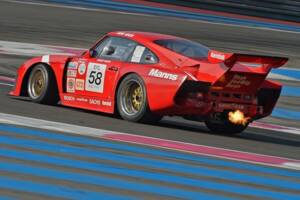
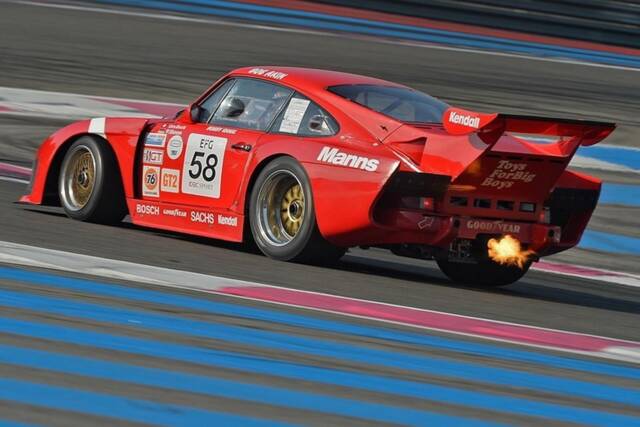
1979 | Porsche 935 K3 Kremer Racing
Porsche 935 K3

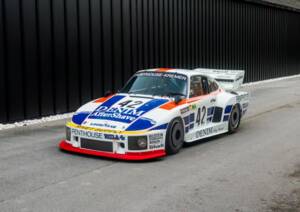
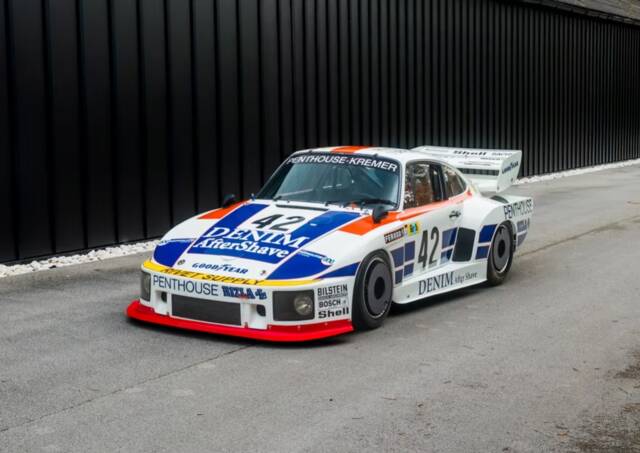
1977 | Porsche 935
935 K2 - Ex-Kremer, Le Mans, Daytona, double Benelux Champion

Porsche 935 listing references from Classic Trader
Below you will find listings related to your search that are no longer available on Classic Trader. Use this information to gain insight into availability, value trends, and current pricing for a "Porsche 935" to make a more informed purchasing decision.
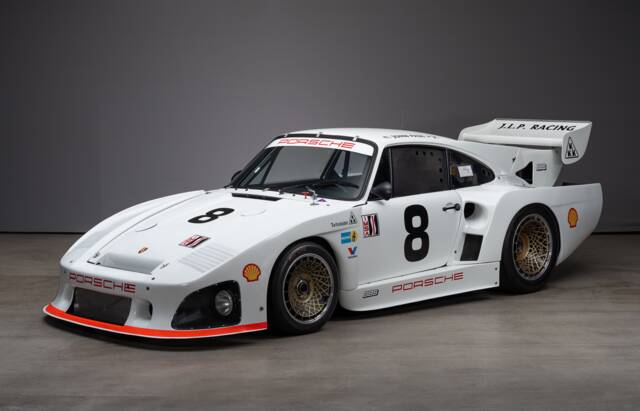
1980 | Porsche 935 K3/4 Kremer Racing
935 K3 - Ex JLP Racing USA -

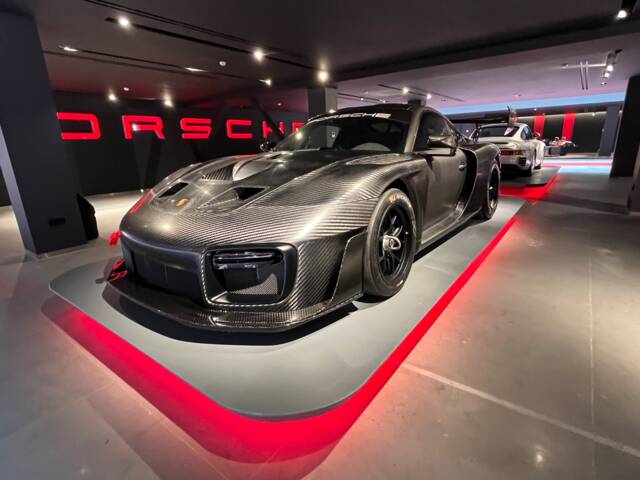
2019 | Porsche 935 Moby Dick
RACE CAR ONE OFF 77 ONLY STUNNING
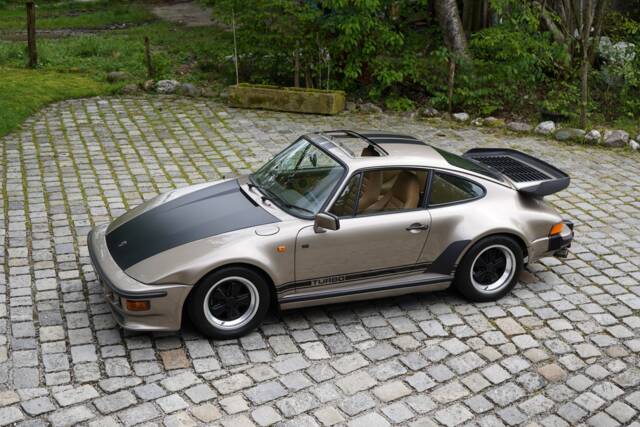
1982 | Porsche 935 dp II
1. Hand / erst 46.763 km! / 1 of 59
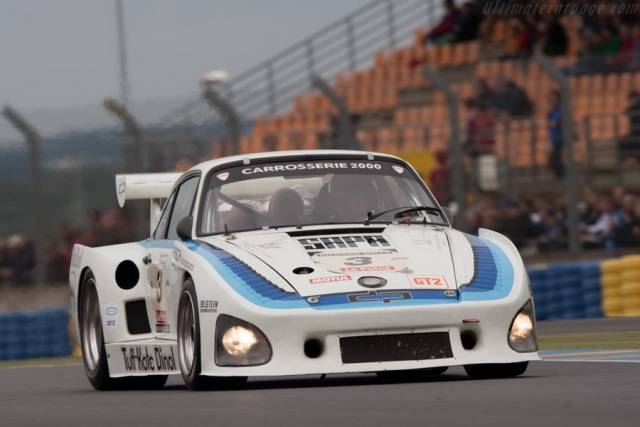
1980 | Porsche 935
Porsche 935
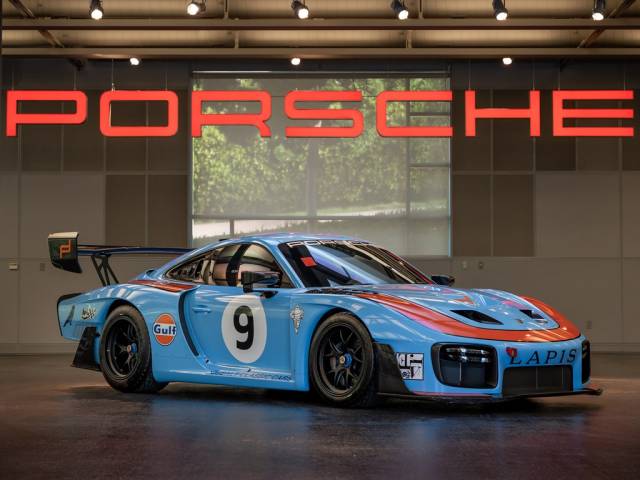
2019 | Porsche 935
2019 Porsche 935
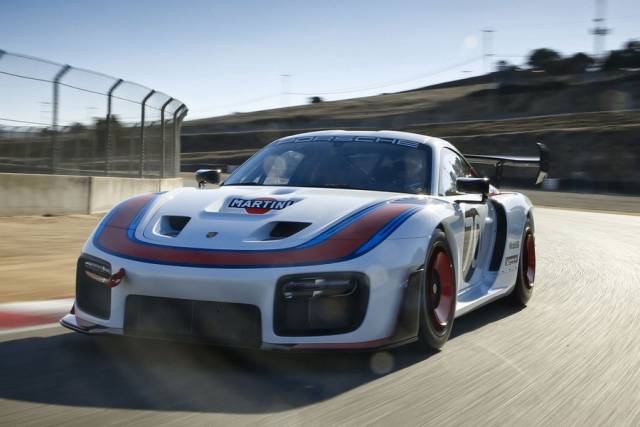
2019 | Porsche 935 Moby Dick
Porsche 935 Moby Dick
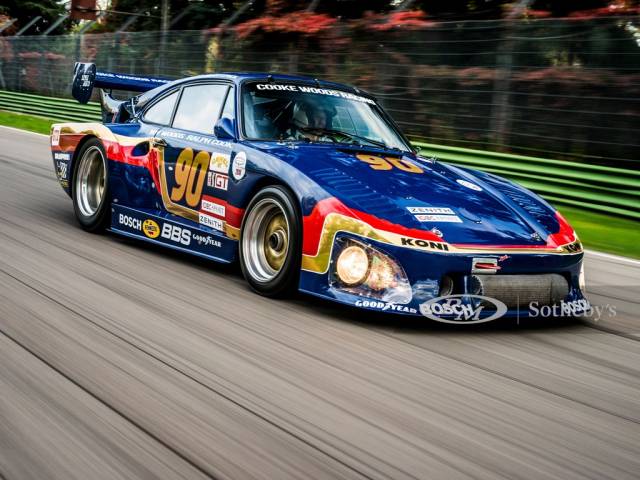
1977 | Porsche 935 K3 Kremer Racing
1977 Porsche 935 K3
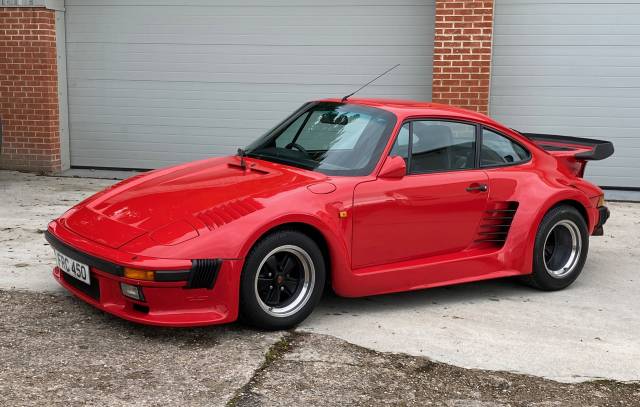
1986 | Porsche 935 dp II
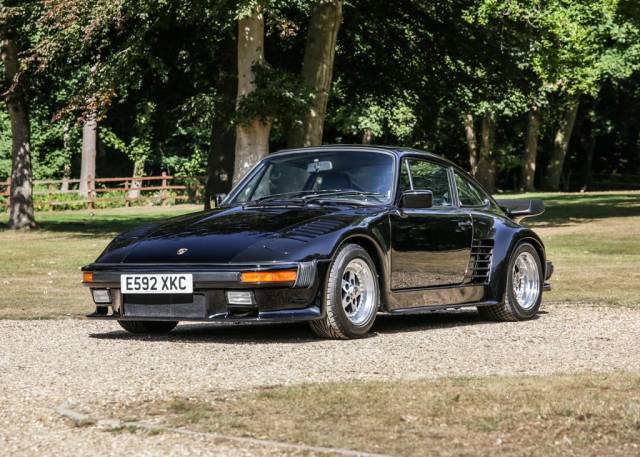
1987 | Porsche 935 dp II
Porsche 911 / 930 Turbo - DP Motorsport DP935
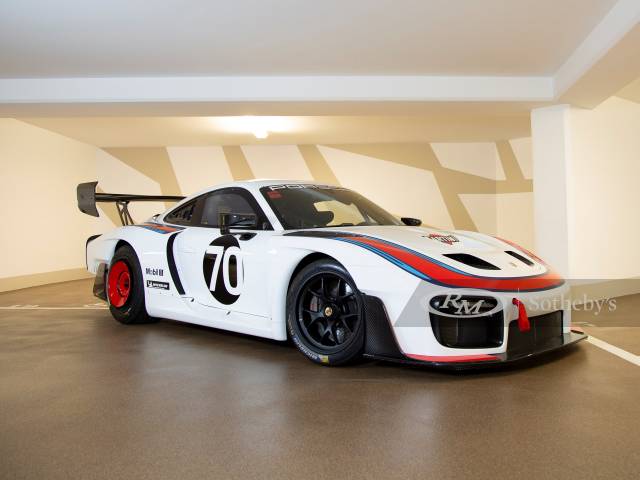
2020 | Porsche 935 "Martini"
RM | Online Only. Featuring THE PETITJEAN COLLECTION. 3rd - 11th June 2020
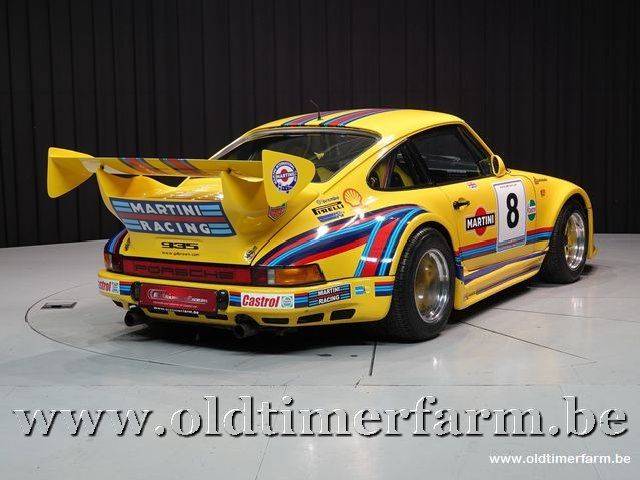
1973 | Porsche 935
1973 Porsche 911 935 '73
1973 | Porsche 935
1973 Porsche 911 935 '73
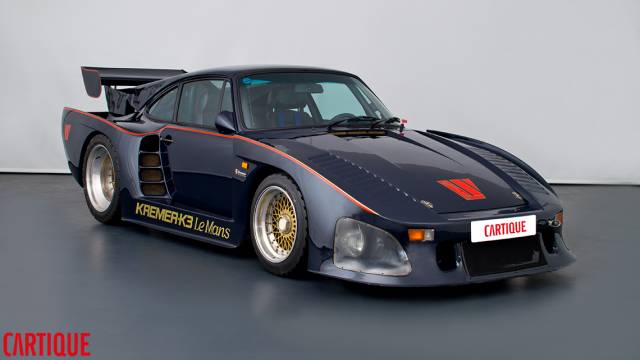
1979 | Porsche 935 K3 Kremer Racing
Porsche 935 Classic Cars: Prices & Market Values
History of the Porsche 935
The Porsche 935 debuted in 1976, engineered in direct response to FIA Group 5 regulations. Using the 911 Carrera RSR Turbo 2.1 as its base, Porsche’s engineers transformed the car’s body and technology to practically the edge of homologation boundaries. The aim: minimum weight, maximum power, and aerodynamic superiority. The 935 underwent constant revisions, swapping glass for plexiglass and refining aerodynamics relentlessly. This rigorous optimisation resulted in a formidable race machine: it dominated international circuits, including a famous overall victory at the 1979 24 Hours of Le Mans. The series ran until 1981, with numerous customer cars supplied and unique evolutions like the mighty 935/78, known as "Moby Dick" for its elongated body. The 935 was succeeded by the Porsche 961 in 1986, but its imprint on motorsport remains indelible.
Model History
The Porsche 935 sprung from the evolution of the 911 RSR Turbo prototype, integrating forced induction to meet the competitive edge in Group 5 categories. Early models retained visual links to the standard 911 Turbo with prominent fender-mounted headlights. As the model evolved, aerodynamics dominated, and weight minimisation became central, leading to radical forms like the 935/78. Distinct generations include the second-division-compliant 935/77 and the museum-preserved 935 Baby—a lightweight, high-revving experiment for lower classes. Production for customer teams began in 1977, with an introductory price of 140,000 DM. The final stretch of the original series was marked by the 935 BiTurbo 4x4 for rallycross, after which the 935 lineage closed. Decades later, the name returned with the 935/19, a limited homage built on the 911 GT2 RS Clubsport platform, drawing heavily from the Moby Dick aesthetic.
Highlights and Unique Features
The 935 fused lightweight construction with turbocharged power, introducing innovations that influenced racing tech for years. Signature features include a massive rear wing, reengineered transmission layout, and full plexiglass windows aside from the driver for safety. Its legacy was reimagined in 2018 with the 935/19, produced in only 77 units, featuring a 3.8-litre twin-turbo six-cylinder boxer engine, 700 hp, FIA-compliant roll cage, advanced fire suppression, and a cockpit detailed in carbon fibre and Alcantara. Motorsport safety technology—roof escape hatch, electric fire system—and a design echoing the original's longtail outline and massive aero surfaces are characteristic. Buyers could select from eight historic racing liveries, and exclusive features include 18-inch centrelock wheels, carbon ceramic brakes, and modern driver aids.
Technical Data
Special Editions and Collectible Models
The Porsche 935/19, presented in 2018 at Laguna Seca for Porsche’s 70th anniversary, is limited to 77 units. Based on the 991.2 GT2 RS Clubsport, this edition delivers extreme exclusivity by invitation only, with rapid sell-out upon offering. Earlier, notable special models included the 935/78 'Moby Dick'—the longtail, water-cooled head variant that became the most notorious of the original run, as well as 935 Baby for the 2-litre division and the competition-tweaked Kremer K3/80, winner of the 1979 Le Mans with advanced aerodynamic changes and improved output.
Engine, Transmission and Driving Dynamics
The 935 established new limits in turbo motorsport performance, with the original's flat-six turbo engines providing up to 750 hp in the 935/78. The inverted manual four-speed gearbox and lightweight construction facilitated extreme agility and top speeds up to 366 km/h for race-tuned versions. In modern times, the 935/19 pushes up to 700 hp with PDK transmission for seamless shifting and a 0–100 km/h sprint in just 2.5 seconds. Porsche implemented high-end racing chassis, centrelock wheels, and extensive aerodynamic tuning to produce maximum stability and effective downforce on the track. Top highlighted models include the 935/80—most viewed in demand stats (52% share), the standard 935 (25% share), and the K3/80 (Le Mans winner and technical showpiece). Each is notable for their specific technical advancements and motorsport achievements.
Interior, Comfort, Exterior and Design
Original 935s featured a stripped-down cockpit with minimal comfort amenities but optimal control for endurance racing environments. For the 935/19, the interior merges racing flair—full FIA roll cage, Recaro shell seat with six-point belts, carbon/Alcantara trim—with modern comfort like climate control. The exterior references the extended-tail and aero-heavy styling of the 'Moby Dick' 935/78, marked by a massive rear spoiler, LED lighting, bespoke wing mirrors, and aerodynamically covered wheels. Eight historical liveries were offered, a direct nod to Porsche motorsport history. Optional features included racing passenger seat, pit limiter, and precision race data systems.
Further Noteworthy Features
Technology in both eras pushed boundaries: the modern 935 features a pit limiter, quick-release steering wheel, and integrated fire suppression system. For track safety, a roof escape hatch is included. Materials selection prioritises weight, with carbon fibre for both strength and design flair. The standard central locking system and two-zone climate automatic are rare in such performance-focused vehicles.
Summary
The Porsche 935 is inseparable from the highest levels of competition technology and racing heritage. From Group 5 dominance in the late seventies, with continual innovation and bespoke customer editions, to its modern resurrection as the 935/19, it represents the zenith of Porsche’s motorsport ambitions. With high supply and demand ratios in the classic market, especially for the 935/80 and the Moby Dick, enthusiasts find in the 935 not just performance but a tangible link to racing’s most dramatic evolution.