Porsche 968 Classic Cars for Sale
The Porsche 968, produced from 1991 to 1995, marked the final chapter of Porsche’s front-engined, transaxle era. Available as coupé and cabriolet, it combined advanced engineering, sporting character and design details reminiscent of its predecessors. With only 12,776 units built, exclusivity and technical refinement define this Gran Turismo from Zuffenhausen.
Search results
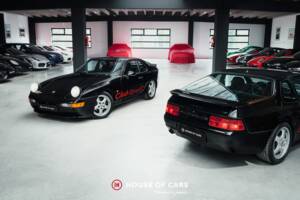
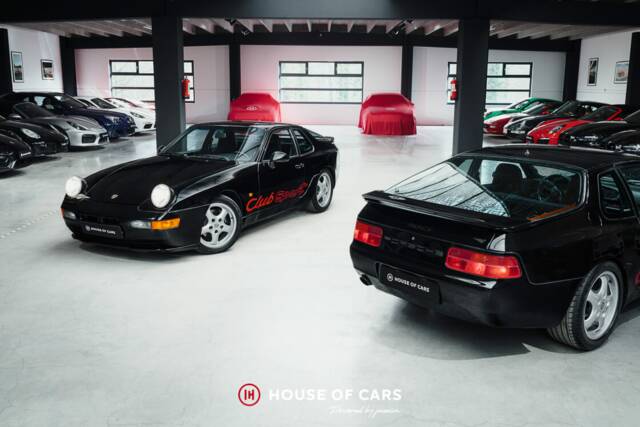
1994 | Porsche 968 CS
1994 – Belgian car – Matching – Just serviced

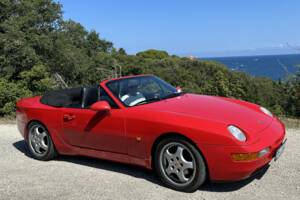
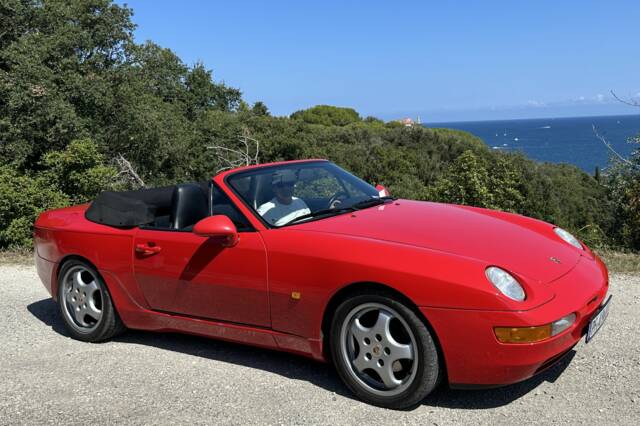
1992 | Porsche 968
Oft unterschätzt aber echt toll

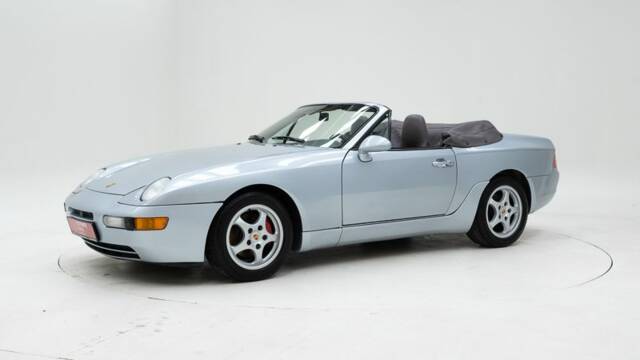
1995 | Porsche 968
1995 Porsche 968 '95
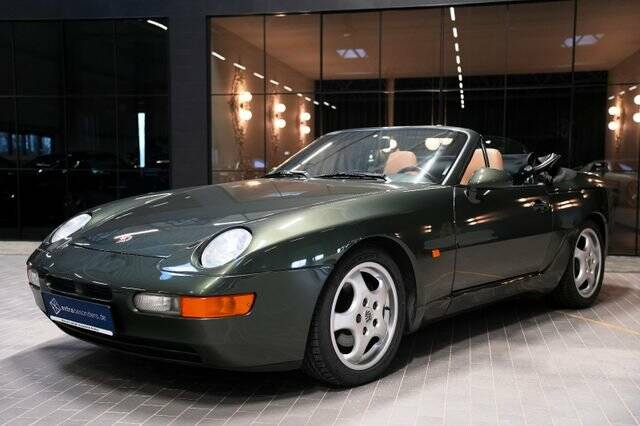
1994 | Porsche 968
968 Cabrio
Newsletter
The best Porsche listings, straight to your inbox
Get hand-picked Porsche listings, plus the best of cars, motorbikes, and auctions on Classic Trader — all in one place.
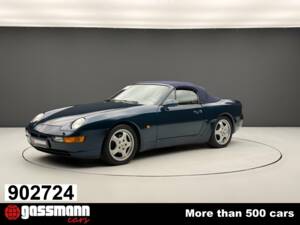
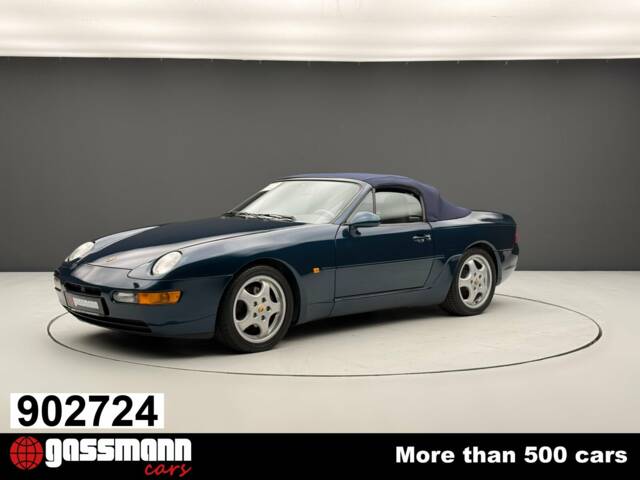
1992 | Porsche 968
968 Cabriolet
Porsche 968 listing references from Classic Trader
Below you will find listings related to your search that are no longer available on Classic Trader. Use this information to gain insight into availability, value trends, and current pricing for a "Porsche 968" to make a more informed purchasing decision.
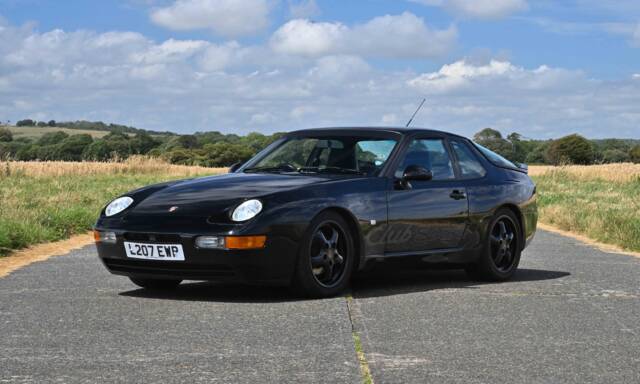
1994 | Porsche 968 CS
1994 Porsche 968 Sport

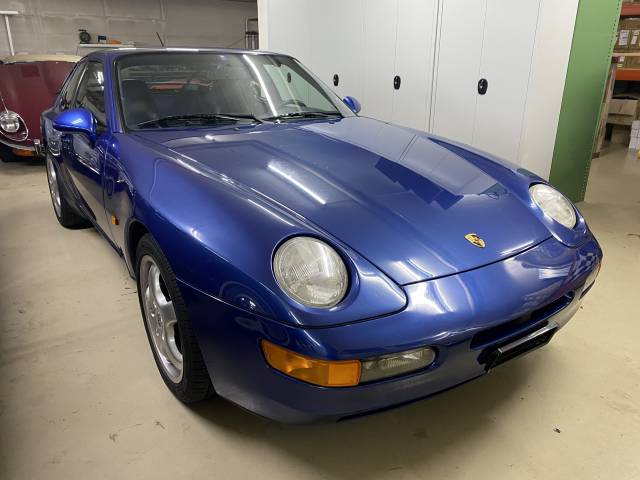
1992 | Porsche 968
Veteranfahrzeug nächste HU 2030

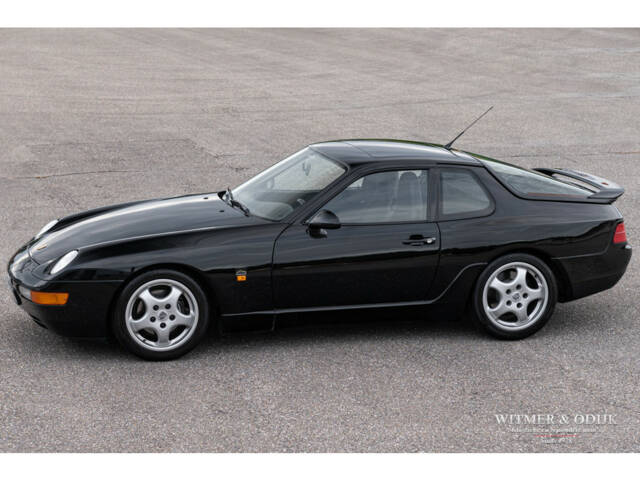
1994 | Porsche 968 CS
3.0 Coupé CS

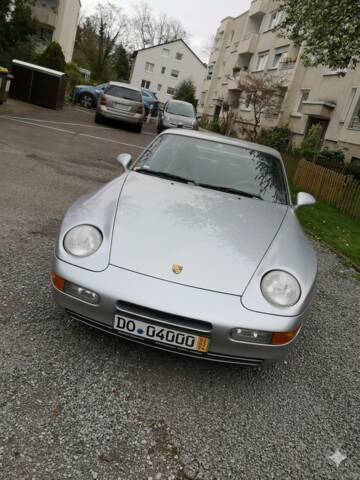
1993 | Porsche 968
Generalüberholt bei Mittelmotor Bochum · Vollständiges Sachverständigengutachten · Originallack ·
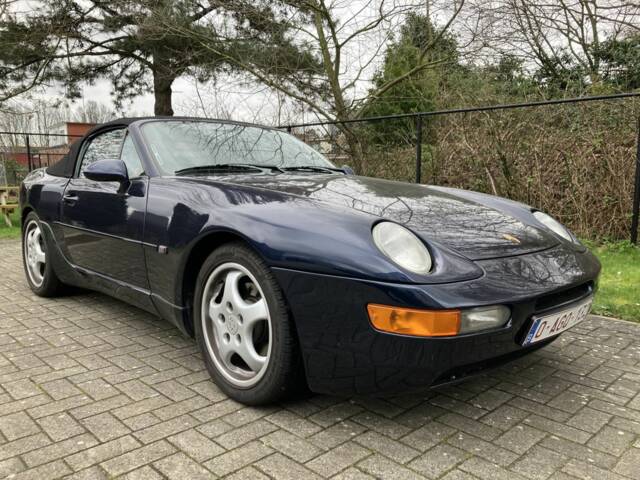
1992 | Porsche 968
Porsche 968 Cabriolet | 1992 | Route 66 Auctions - For sale by auction. Estimate 14500 EUR
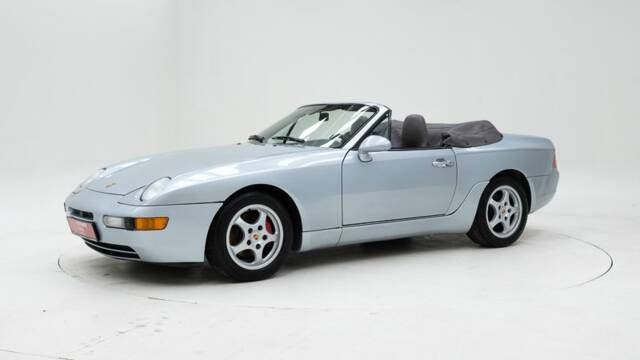
1995 | Porsche 968 CS
1995 Porsche 968 '95
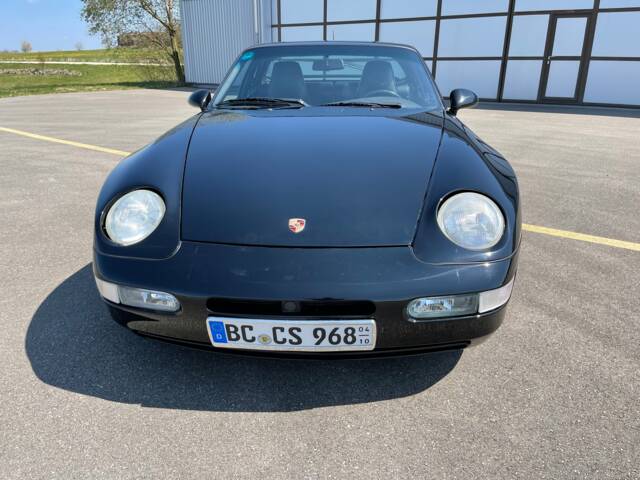
1994 | Porsche 968 CS
Austauschmotor 35000 km
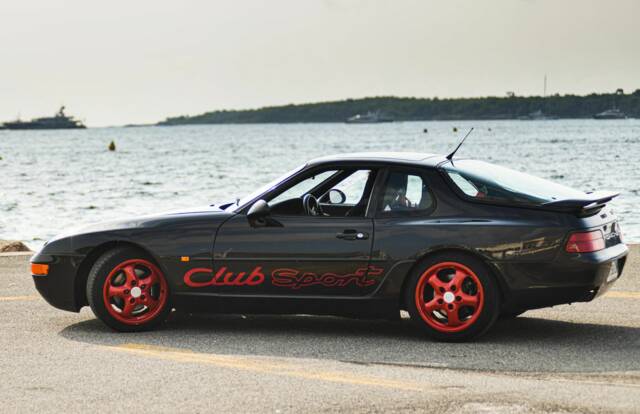
1995 | Porsche 968 CS
Porsche 968 Club Sport | 1995 | Route 66 Auctions - For sale by auction. Estimate 19500 EUR
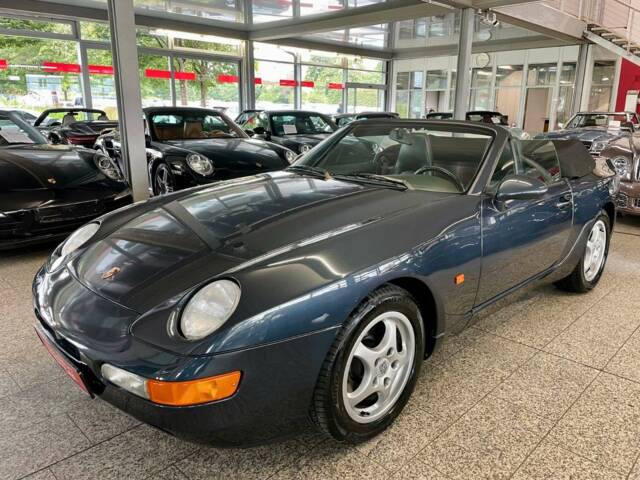
1992 | Porsche 968
Porsche 968 Cabrio Tip. - Klima -orig. 34tkm - neuwertig
Porsche 968 Classic Cars: Prices & Market Values
The market value of Porsche 968 classic cars is primarily determined by technical condition, originality and mileage, as well as rarity, history and documentation. A well-maintained, largely original vehicle with low, verifiable mileage and complete history including appraisals and documentation typically achieves significantly higher prices than a comparable vehicle with deferred maintenance, many modifications or unclear provenance.
Porsche 968: Market Prices & Value Trends
Based on sales data from the Classic Trader marketplace, the Porsche 968 market in Europe has firmed up over the period from January 2021 to January 2026, with asking prices generally trending upwards from the mid-€20,000s/€30,000s into the €30,000–€50,000 bracket for strong standard cars. Across recent activity (2024–2026), most “normal” 968 coupés from model years 1991–1995 cluster around roughly €28,000 to €45,000, depending on mileage, history and originality, with German and Dutch adverts often setting the tone. The lighter, more focused 968 Club Sport (CS) typically commands a premium, commonly sitting in the high-€30,000s to around €55,000, reflecting stronger collector demand. Very cheap entries (e.g. older UK adverts in £) and rare, exceptional variants such as the 968 Turbo S sit outside the realistic mainstream range and should not be treated as typical. For buyers, this points to a stable-to-appreciating market driven by limited supply, the 968’s “last transaxle Porsche” status, and growing interest in analogue 1990s performance cars.
The Development and Significance of the Porsche 968
The Porsche 968 was introduced in 1991 as the direct successor to the 944, closing the lineage of front-engined, transaxle Porsches that started with the 924 in the mid-1970s. At the time, Porsche faced significant financial challenges as the once high-volume transaxle models saw declining sales. The 968 was conceived as a technically advanced, sporting entry-level car, using the robust transaxle layout—with its gearbox at the rear for optimal weight distribution—paired to a water-cooled four-cylinder, three-litre engine. Designer Harm Lagaay gave the 968 a streamlined appearance, incorporating elements from the 928 along with distinctly updated front and rear ends, keeping costs manageable by reusing core 944 architecture. Between 1991 and 1995, just over 12,000 units were produced before the series was replaced by the mid-engine Boxster, making the 968 Porsche’s last new front-engined sports car for almost a decade.
Model History: From the 924 to the 968’s Final Bow
The Porsche 968 concluded Porsche’s two-decade experiment with front-engined, rear-transaxle sports cars. Its predecessor, the 944, provided the technical platform, but the 968 introduced improvements like a new 6-speed manual gearbox, more powerful 3-litre engine, and updated variable valve timing (VarioCam) for enhanced torque. Available as coupé and cabriolet, the model range later expanded to include the track-focussed Clubsport (CS) and ultra-rare Turbo S and Turbo RS editions. Production of the 968 ended in 1995, ushering in a new era with the Boxster.
Highlights and Features of the Porsche 968
The 968’s greatest distinction is its 3.0-litre inline-four—a record-breaking large-displacement four-cylinder at its time, producing 240 PS and 305 Nm of torque. The 6-speed gearbox and near-perfect weight distribution due to the transaxle layout deliver a purist driving feel. Cabriolet, coupé and Clubsport variants offer considerable diversity, each with nuances in weight, trim and intended use. Visual cues like the pop-up headlights, 928-inspired styling, and signature 16- or optional 17-inch wheels are hallmarks. The VarioCam system brought more flexible power delivery, while options like limited-slip differentials, bespoke paint, and sport suspension catered to enthusiast tastes.
Technical Data for the Porsche 968
Special Editions and Limited Models
Porsche offered several special variants of the 968: the Clubsport (CS), introduced in 1993, featured lighter weight, reduced luxury features, and a clear focus on driving dynamics. In the UK, a 'Sport' variant combined the Clubsport’s chassis with more comforts. The 968 Turbo S and Turbo RS—produced in minuscule numbers (17 and 4 respectively)—were developed for street and race use, with turbocharged engines delivering up to 350 PS. These models feature unique bodywork, suspension and interiors tailored to high-performance or motorsport applications.
Weak Spots and Maintenance for the Porsche 968
While robust overall due to platform synergy with the 944, attention must be paid to regular timing belt and balance shaft belt replacements, cam chain wear (VarioCam models), and the health of the transaxle bearings. Electrical systems, like window lifters and instrument clusters, may develop age-related faults. Look out for corrosion in chassis seams and check for documented service history. Maintenance parts availability is comparatively good owing to the model’s component sharing, though some rare trim and Clubsport-specific parts can be challenging and expensive to source.
Engine, Transmission, and Driving Dynamics
With a 3.0-litre, 240 PS four-cylinder and the Porsche transaxle layout, the 968 provides rear-wheel drive handling with near-50:50 weight distribution. 0–100 km/h is achieved in about 6.5 seconds (manual), with a top speed up to 252 km/h. The Clubsport model, lighter and fitted with a revised suspension, favours track environments and spirited B-road driving. Turbo S and RS variants, with forced induction and up to 350 PS, deliver supercar-level acceleration for their era. - 968 Coupé: Balanced GT, all-rounder for road trips and spirited driving.
- 968 Cabriolet: Open-air cruising with full chassis integrity retained.
- 968 Clubsport: Driver-focused, lighter and pared-down, a regular at trackday events.
- 968 Turbo S and RS: Ultimate rarity, built for racing and engineering purists.
Design, Cabin, and Equipment
Harm Lagaay’s design for the 968 modernised the 944 shape, with a more aerodynamic nose, exposed pop-up headlights, and revised rear lights. Standard wheels were 16-inch Cup alloys, with 17- and even 18-inch options on some specials. Textile, part-leather and full leather trims were available, with colourways ranging from classic black to Amazon Green Metallic and Guards Red. Accessories included Recaro sports seats (standard for Clubsport), air conditioning, central locking, premium sound, and optional targa/tilting sunroof. Clubsport models feature a minimalist interior, while Turbo editions are stripped for competition. Dashboard ergonomics reflect the early 1990s, mixing analogue instrumentation with Porsche’s signature switchgear.
Other Features and Notable Details
The 968 was assembled by Karmann with final production in Zuffenhausen. A full complement of documentation (toolkits, air compressor, service manuals) adds to collectibility. The car qualifies for historic vehicle registration in many countries and is well supported in the classic Porsche community. Airbags, ABS, and power steering became standard in most variants, and many cars were delivered with options like cruise control, heated seats, or advanced audio systems.
Summary: The Porsche 968 in Perspective
The Porsche 968 stands as the swansong of front-engine Porsche sports cars, blending engineering finesse, robust daily usability, and a touch of 1990s exclusivity. With its 3-litre four-cylinder, advanced transaxle chassis, and understated design, it appeals to those seeking a distinctive classic GT. Supply numbers are limited and enthusiast interest remains high, particularly for the Clubsport and ultra-rare Turbo models. For collectors and drivers alike, the 968 is a compelling chapter in Porsche's technical and cultural history.