Porsche 550 classic cars for sale
The Porsche 550 is considered the archetype of the mid-engine sports racer, produced from 1953 to 1956 in very limited numbers. With only around 90 units built, the 550 carved out its place in motorsport thanks to its razor-sharp handling, low weight, and distinctive design. Today, genuine 550s are rarely available, while high-quality replicas, often with Volkswagen running gear, attract enthusiasts worldwide. Discover the available Porsche 550s and learn about their unique story below.
Search results
Currently, there are no matching listings for your search.
Create search alert
Let yourself be notified as soon as a listing is published that matches your search filters.
Create listing
Do you have a Porsche 550 that you want to sell? Then create a listing now.
Create listingPorsche 550 listing references from Classic Trader
Below you will find listings related to your search that are no longer available on Classic Trader. Use this information to gain insight into availability, value trends, and current pricing for a "Porsche 550" to make a more informed purchasing decision.
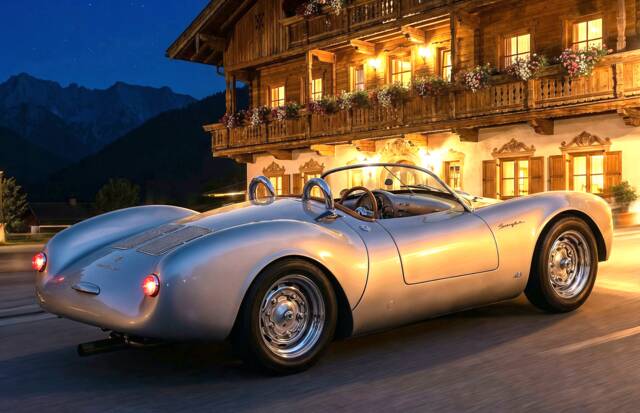
1954 | Porsche 550 Spyder RS 1500
The vehicle pictured is 100% identical to the original.

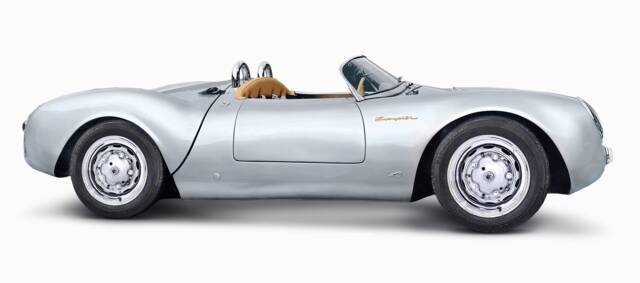
1954 | Porsche 550 Spyder RS 1500
NEU :einmaliger Nachbau Bj. 1987 mit Racing Motor .Aufwendig aus ALU +GFK für €234865.- €
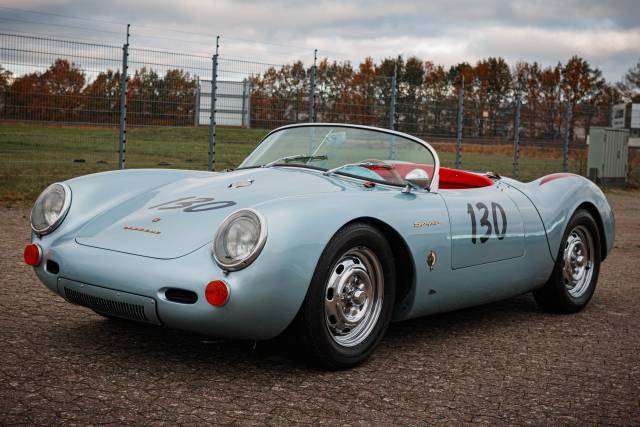
1955 | Porsche 550 Spyder RS 1500
1955 Porsche 550 Spyder Replica: Embrace the Spirit of Iconic Racing Heritage

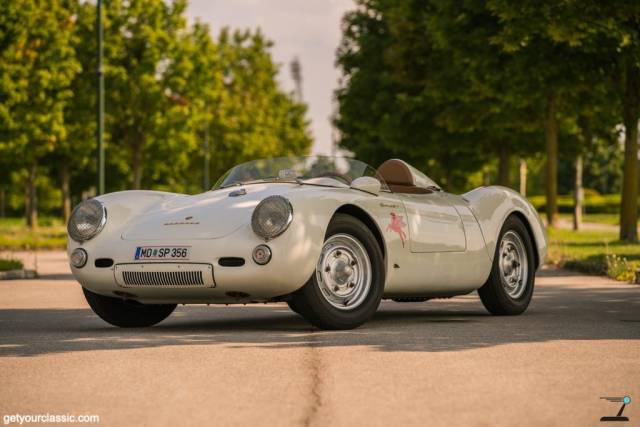
1955 | Porsche 550 Spyder RS 1500
+++ Chamonix Spyder +++ getyourclassic.com +++

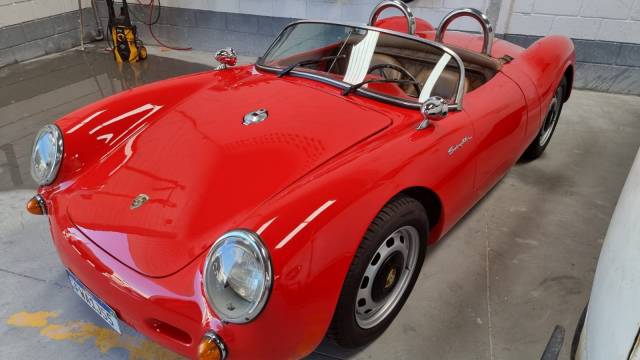
1955 | Porsche 550 Spyder RS 1500
Porsche Spyder 550 Replica Year 1978 FULL RESTORED!
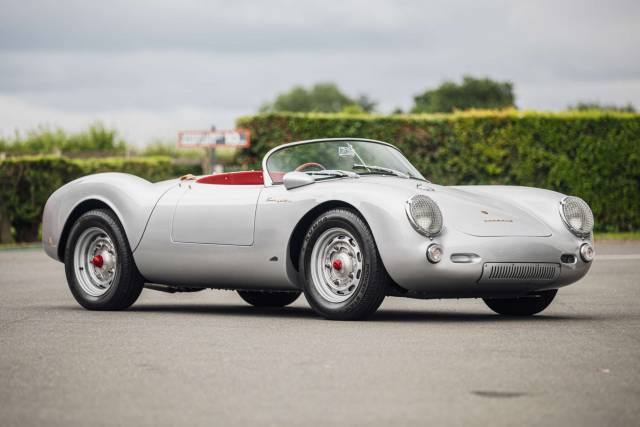
1955 | Porsche 550 Spyder RS 1500
1955 Porsche Chamonix 550 Spyder

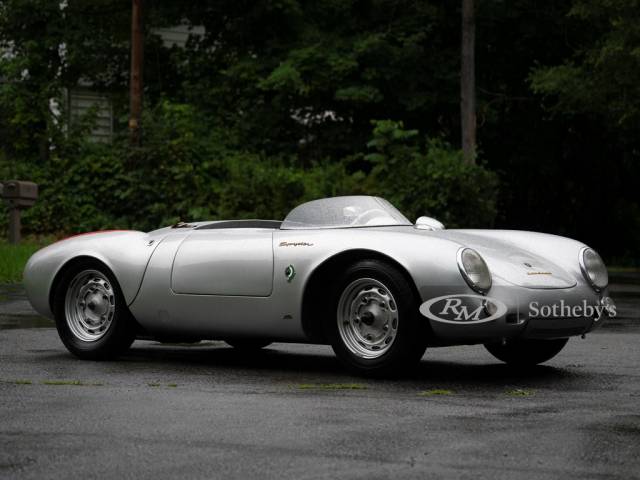
1955 | Porsche 550 Spyder RS 1500
1955 Porsche 550 Spyder
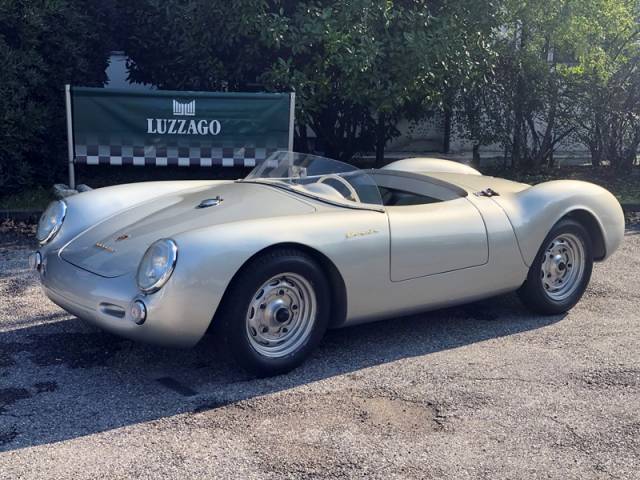
1955 | Porsche 550 Spyder RS 1500
REPLICA CON MOTORE VOLKSWAGEN 1600

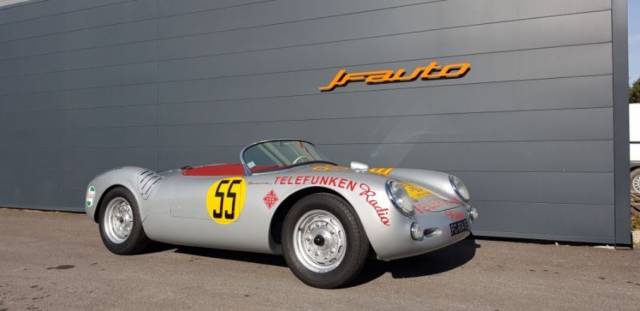
1957 | Porsche 550 Spyder A RS 1500

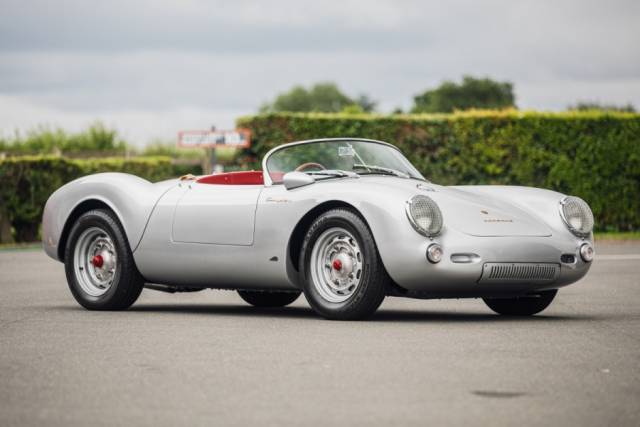
1955 | Porsche 550 Spyder RS 1500
Silverstone Classic Live Online Auction 2020; 31st July-1st August
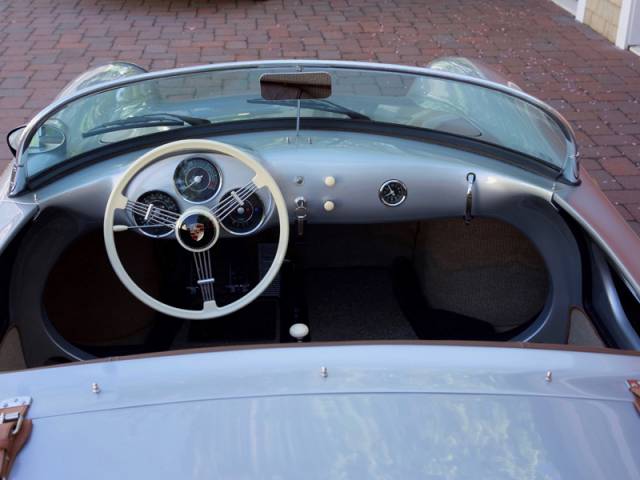
1955 | Porsche 550 Spyder RS 1500
Porsche 550 Spyder Replica 1955 Vintage
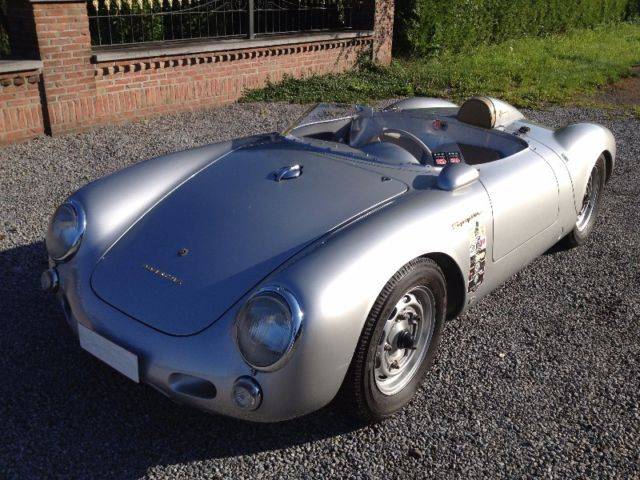
1955 | Porsche 550 Spyder RS 1500
15 year old perfect restauration
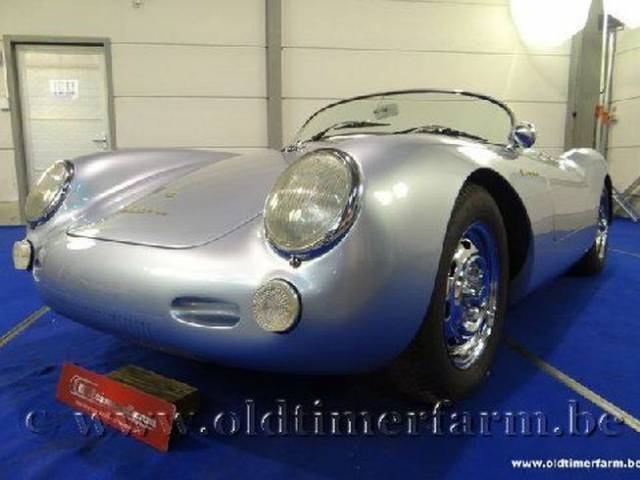
1955 | Porsche 550 Spyder RS 1500

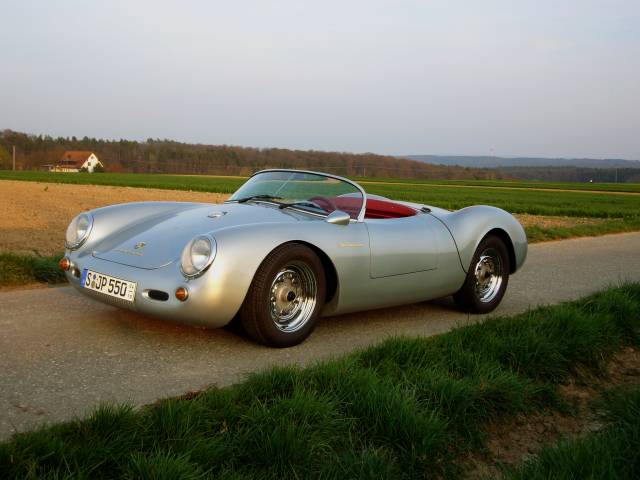
1992 | Porsche 550 Spyder RS 1500
James Dean Spyder
Create search alert
Let yourself be notified as soon as a listing is published that matches your search filters.
Create listing
Do you have a Porsche 550 that you want to sell? Then create a listing now.
Create listingPorsche 550 Classic Cars: Prices & Market Values
The market value of Porsche 550 classic cars is primarily determined by the specific manufacturer code and variant, as well as technical condition, originality and mileage. Additional factors include rarity, history and documentation. A well-maintained, largely original vehicle with low, verifiable mileage and complete history including appraisals and documentation typically achieves significantly higher prices than a comparable vehicle with deferred maintenance, many modifications or unclear provenance.
Porsche 550: Market Prices & Value Trends
Based on sales data from the Classic Trader marketplace, the Porsche 550 category shows a split market over the period from January 2022 to February 2026. Early 2022 entries range from roughly £22,500 to £233,400, indicating that condition, authenticity and specification can swing values dramatically. More recent European asking prices suggest a firmer top end: two 1954 Porsche 550 Spyder RS 1500 examples (Germany) sit around £219,000–£225,000 in late 2025 to early 2026, pointing to a stable-to-rising premium for highly desirable, correctly presented cars. However, a 1955 example listed in 2024 at about £56,000 highlights that lower-priced cars—often replicas, projects, or cars with less convincing provenance—still appear and should not be treated as direct comparables. With only a small number of data points, a realistic market band from approximately £55,000 to £225,000 is implied, with most buyer attention focused on well-documented cars at the upper end as demand for scarce 1950s Porsche competition icons remains strong.
History of the Porsche 550
The Porsche 550 was conceived explicitly for motorsport at a time when Porsche was gaining traction as a manufacturer dedicated to racing success. First debuted at the 1953 Paris Motor Show, the 550 quickly garnered attention for its mid-engine layout, lightweight construction, and impressive competition results. With a tubular steel frame, aluminium body, and a 1.5-litre four-cam engine, the 550 set new standards for agility and speed. Its initial triumph at the Nürburgring in 1953 was followed by numerous victories on prestigious circuits worldwide, including Le Mans and Targa Florio. One key feature was the 550's road legality—owners could drive to the racetrack, compete, and return home in the same vehicle. Its mix of engineering purity and practical usability made the 550 a sensation among privateers and professionals alike.
Model history: 550 and 550 A
The Porsche 550 evolved into two principal variants: the 550 Spyder and the improved 550 A Spyder. The early 550 Spyder used a flat frame and aluminium bodywork—and notably, a mere 550 kg curb weight, which influenced its model name. The later 550 A Spyder, introduced as a further development, switched to a spaceframe chassis for superior rigidity and even lower weight, while retaining much of the proven Porsche 356’s components. Engine specification remained a 1.5-litre air-cooled flat-four but power increased to 135 hp in the 550 A, alongside a 5-speed gearbox (compared to the 4-speed unit in the standard 550). With the introduction of the Porsche 718 in 1957, the successful run of the 550 family concluded, but its DNA continued on the racetrack.
Highlights and significance: Porsche 550
The Porsche 550 made its mark not just as a technological leap for the brand, but with memorable race victories worldwide. Well-known for defeating more powerful rivals—earning it the 'Giant Killer' nickname—the 550 also gained notoriety from its association with James Dean’s fatal accident. Private race entries were commonplace due to the car’s user-friendly maintenance and dual-purpose design. Available as a roadster or closed coupé, the 550’s lightweight chassis and four-cam boxer engine became benchmarks for subsequent sports cars.
Technical data of the Porsche 550
Special editions and collectible variants
Besides the transition from 550 to 550 A, a handful of 550 Coupé hardtops were produced for specific racing events, especially long-distance races like Le Mans. These closed variants are exceedingly rare and sought after. Period-correct 550 A cars are valued for their more advanced spaceframe, higher power output, and achievements in competitions like the 1956 Targa Florio. However, the majority of the surviving cars are Spyders, while modern replicas—often with fibre glass bodies and Volkswagen engines—are numerous, especially in North America.
Weak spots and common issues
With so few original 550s produced, finding genuine examples is difficult; many on the market are quality replicas. Original 550s require frequent attention to engine timing (because of the complex four-cam setup), chassis corrosion, and period-correct electrical and suspension restorations. Replica 550s typically use Volkswagen mechanicals and fibreglass bodies, so restoration work focuses on electrical systems, chassis maintenance, engines, and paintwork. Buyers should verify chassis identity, as true Porsche chassis numbers are rare and most replicas will not have factory 550 chassis numbers.
Engine, performance, transmission, and handling
The Porsche 550 excels in nimble handling due to its extremely light weight and mid-engine layout, providing balanced weight distribution. Both the 550 and 550 A are powered by a 1.5 L flat-four engine, the latter with additional power and a 5-speed gearbox for improved gear ratios. The quoted performance figures—0–100 km/h in under 10 seconds, top speeds above 200 km/h—were unmatched by period rivals of similar displacement. The steering and suspension transmit honest, immediate feedback, attuned to the demands of both street and circuit.
Popular models:
- 550 Spyder (110 hp, 4-speed, 200 km/h)
- 550 A Spyder (135 hp, 5-speed, 240 km/h)
Both models have a reputation among historic racing enthusiasts, with the 550 A notable for its improved chassis and competitive success. undefined
Interior, comfort, exterior and design
Designed in partnership with the University of Stuttgart, the aluminium-bodied 550 boasts minimalistic but purposeful lines, reflecting its pure racing intent. The flat, open cockpit is dominated by two spartan bucket seats and a functional, load-bearing dashboard. Accessories and creature comforts are virtually absent, replaced by essential gauges and spartan trim. Closed Coupé versions were tailored for endurance racing, while most 550s are open 'Spyder' roadsters. Paint colours historically ranged from silver to blue, emblazoned often with hand-painted racing numbers for private entrants. Modern replicas may feature custom paint finishes and unique trim, but original cars retain fidelity to the stripped-down, motorsport-driven roots of the model.
Other relevant features
The Porsche 550's appeal has fostered a vast replica industry, especially in the United States, using fibreglass bodies on Volkswagen-based chassis, typically fitted with 1600cc engines. These replicas are well-regarded for offering classic 550 style at a fraction of the cost of the rare originals, and can be registered for historic road use depending on local legislation. Restoration often focuses on chassis, electrical system, engine, and bodywork, and allocations for insurance as a historic vehicle are common.
Summary: Porsche 550 overview
With only around 90 units built between 1953 and 1956, the Porsche 550 stands as one of the purest expressions of mid-century racing technology. Whether as an original 550 or 550 A, or in the form of numerous replicas, the 550 continues to captivate both collectors and motorsport enthusiasts for its raw mechanical focus, uncompromising design, and remarkable motorsport heritage.