Opel Omega Classic Cars for Sale
The Opel Omega, built from 1986 to 2003, laid down a benchmark for German executive saloons. Known for its rear-wheel drive layout, aerodynamic body, and technical innovations like ABS and an on-board self-diagnosis system, the Omega remains a solid choice for enthusiasts seeking a blend of comfort, understated design, and robust engineering.
Search results
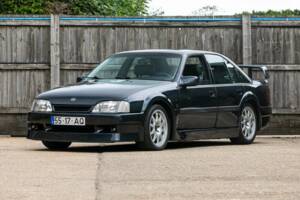
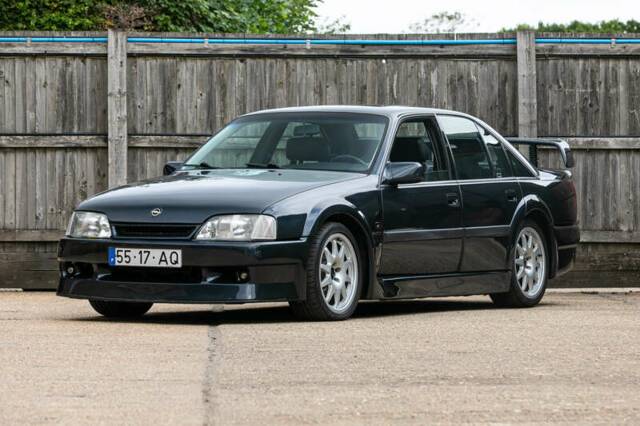
1992 | Opel Omega 3,0i 24V
1992 Opel Omega 3.0 24V Evolution 500 ♢

Opel Omega listing references from Classic Trader
Below you will find listings related to your search that are no longer available on Classic Trader. Use this information to gain insight into availability, value trends, and current pricing for a "Opel Omega" to make a more informed purchasing decision.
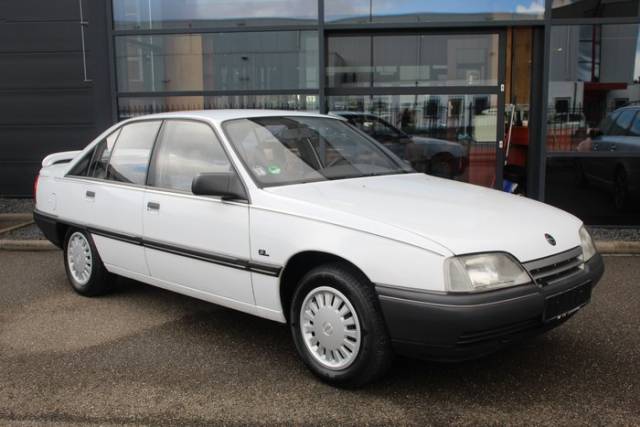
1991 | Opel Omega 2,0i

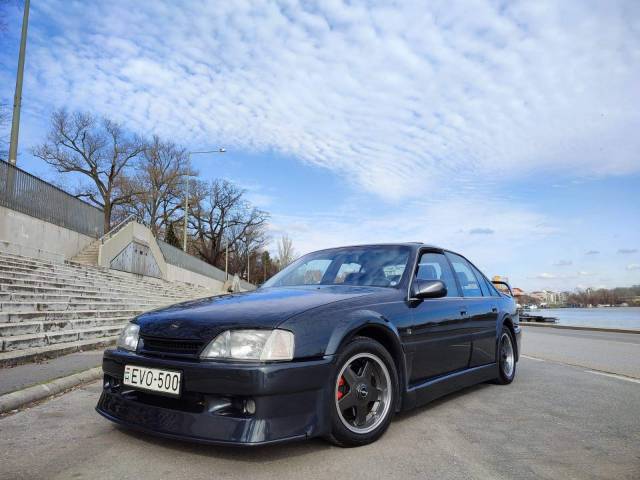
1992 | Opel Omega 3000 24V

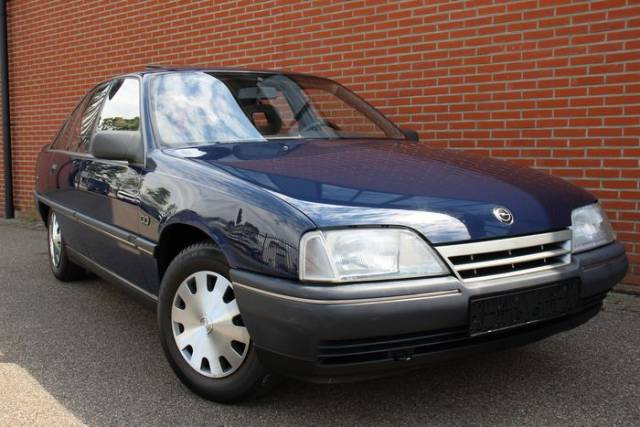
1988 | Opel Omega 2,0i
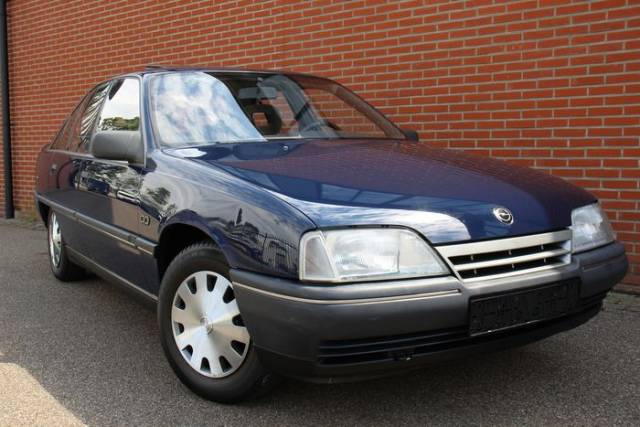
1988 | Opel Omega 2,0i
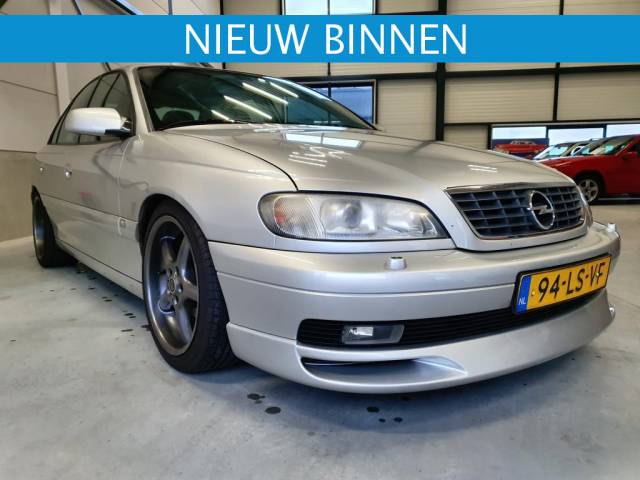
2003 | Opel Omega 2,2i 16V
Opel Omega R&M SPORT EDITION
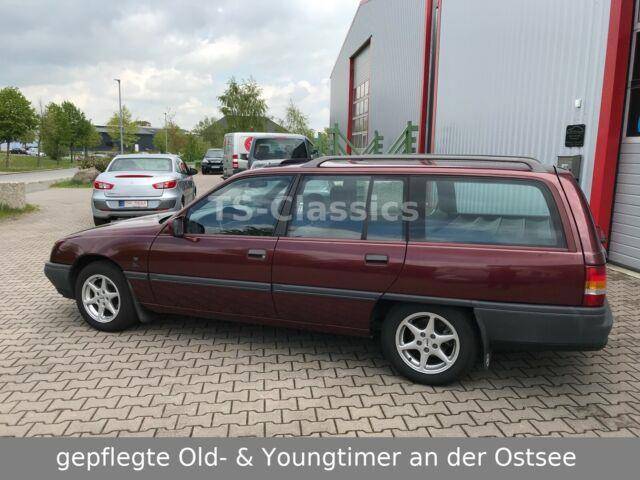
1988 | Opel Omega 2,0i
Opel Omega A Kombi GL Diamant 1.Hand Oldtimer

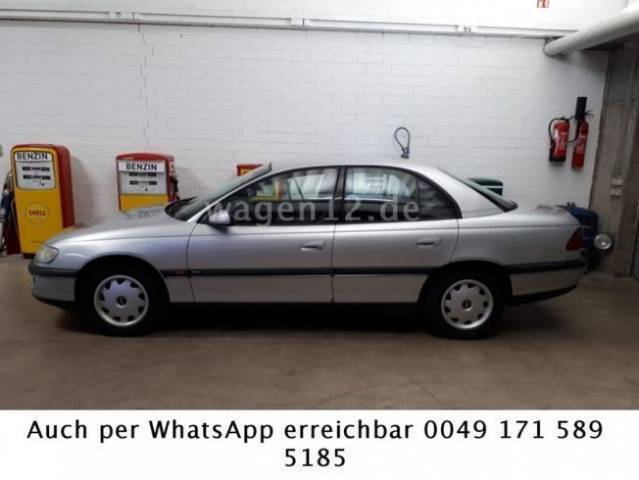
1996 | Opel Omega 2,0i 16V
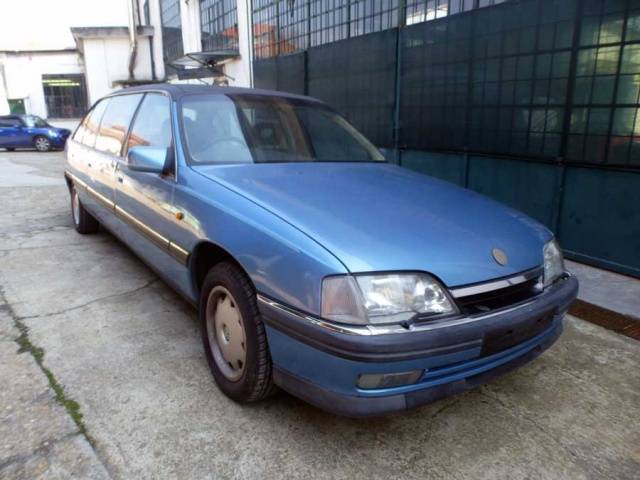
1992 | Opel Omega 2,0i
omega limousine Pullman

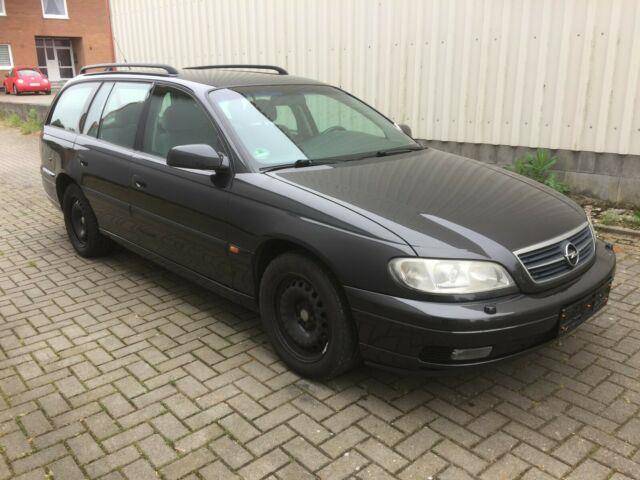
2000 | Opel Omega 2.2i 16V Caravan
Opel Omega 2.2 16V Club
Opel Omega Classic Cars: Prices & Market Values
History of the Opel Omega
Developed as the successor to the Rekord, the Opel Omega debuted in 1986, immediately setting a new standard in the upper midsize segment. The launch of the Omega A marked not only a fresh start for Opel, but a move into a more technologically advanced era. Earning the title of European Car of the Year 1987 confirmed Opel’s commitment to innovation in the segment. The model’s design placed strong emphasis on aerodynamics, supporting both efficiency and performance in a market increasingly focused on economy. Throughout its production run, Opel heavily invested in engineering advancements, introducing innovations like an onboard computer and a now-standard self-diagnosis system. In 1994, the Omega B arrived, offering updated safety standards, further improved engines, and refreshed styling. A facelift in 1999 (Omega B2) included modernised details such as ESP and revised exterior features. Production ceased in 2003, leaving the Omega without a successor, but firmly established in the industry’s memory as a technologically progressive executive car.
Model History of the Opel Omega
The Omega replaced the Opel Rekord E in 1986, entering the market as the Omega A and remaining through 1993. Offered as a saloon and estate, the Omega A had a wide range of engine choices, including 1.8 to 2.4-litre four-cylinder petrol engines, economical diesel options, and refined six-cylinders with up to 204 hp. The Omega B hit the roads in 1994 with nine engine variants, including a top-spec V6 with 211 hp. Its successor, the Omega B2, was essentially a facelift of its predecessor with modernised tech such as ESP and new design details. Across its generations, the Omega maintained its rear-wheel drive layout and was always positioned above the Vectra, targeting drivers seeking more space and subtle luxury. Production ended in 2003 with no direct aft-model.
Highlights of the Opel Omega
The Omega offered segment-leading comfort, advanced equipment for its time—including ABS and on-board computers—and a self-diagnosis system accessible to certified dealers. Build quality and body finish were above average, with many cars boasting largely original paint. The large boot (up to 830 litres in the estate) and up to 1,700 kg towing capacity underline its practical capabilities. Electrically adjustable mirrors and sunroofs, often found in models like the 2.0 CD, increased comfort for daily driving. Notable is the Omega’s combination of rear-wheel drive with executive amenities at a lower price entry point than contemporaries from BMW or Mercedes-Benz.
Technical Data
Special Editions and Collectible Models
Variants like the "Diamont 2.0 GL" and well-equipped 2.0 CD versions distinguish themselves with additional comfort features. Special equipment frequently includes electric mirrors and sunroof. Some rare models were delivered with unique trim levels and factory-fitted extras, while the facelifts (notably Omega B2) additionally gained technical upgrades such as ESP, making them sought-after among Omega connoisseurs.
Weak Spots and Common Issues
Overall, the Omega is known for its solid build, especially regarding bodywork and paint. Well-maintained cars typically show rust-free engine bays and underbodies. Still, prospective buyers should verify evidence of regular professional servicing, such as a stamped service book and valid TÜV (MOT) reports. Original interiors and undamaged mechanicals are common in models maintained by brand specialists. It is advisable to inspect for signs of previous paintwork or minor rust, especially in areas such as wheel arches and sills—classic security checks for German cars of this period.
Engine, Performance, Transmission and Handling
With a rear-wheel drive chassis, the Omega stands out in the upper midsize segment. The 2.0 CD, for example, achieves 206 km/h and 0–100 km/h in 11.5 seconds, thanks to its robust engine and well-matched 4-speed automatic. The most powerful variants feature six-cylinder engines with up to 211 hp, providing long-distance comfort and capable motorway performance. The Omega’s suspension and chassis tuning strike a balance between stability and comfort, making it suitable both for fast travel and daily tough use. - Omega 2.0 CD: Highlighted for its equipment (electric mirrors, sunroof), balanced driving characteristics.
- Omega Diamont 2.0 GL: Noted rarity, typically well-maintained and highly specified.
- Omega B V6: Top power (211 hp), smooth running, and high refinement.
Interior, Comfort, Exterior and Design
The Omega saloon’s elongate silhouette and proportions accent the car’s executive-class aspirations. Materials in the interior were selected for durability and comfort, with features like smoke-free upholstery commonly preserved in classic examples. Accessories often included a sunroof and electrically operated mirrors—features that raised cabin comfort above the segment norm in the late 1980s and early 1990s. Paintwork is typically original, although minor resprays are not uncommon. The boot space is generous, catering to touring or luggage-heavy use. The 1999 facelift (B2) brought a more modern grille, updated bumpers, and improved mirrors, reflecting Opel’s evolving design language of the era.
Other Relevant Features
Several Omega models on the market come with two original keys, documented history, and additional spare wheels or sets of good tyres. Vehicle documents are usually available, and in many cases, period accessories or spare parts come with the car. For owners intending to use the Omega regularly, the stable roof load (up to 100 kg) and high trailer capacities are of special value.
Summary
The Opel Omega, produced from 1986 to 2003, carved its reputation as a technically advanced, comfortable, and reliably engineered executive car. The strong focus on driver convenience, innovative features, robust mechanics, and a broad selection of body styles and engines continues to draw enthusiasts today. With a significant share of listings and demand focused on the earlier Omega A, interest in this model endures on the classic car market.