- Car
- MIAG (0 offers)
Buy MIAG Classics
MIAG tractors and utility vehicles are rare survivors from Germany’s industrial and agricultural past, built in very small numbers and now prized by specialist collectors. In Australia, they stand out even more: European tractors are uncommon here, and a MIAG can become the centrepiece of a serious vintage machinery collection.
Search results
Currently, there are no matching listings for your search.
Create search alert
Let yourself be notified as soon as a listing is published that matches your search filters.
MIAG listing references from Classic Trader
Below you will find listings related to your search that are no longer available on Classic Trader. Use this information to gain insight into availability, value trends, and current pricing for a "MIAG" to make a more informed purchasing decision.
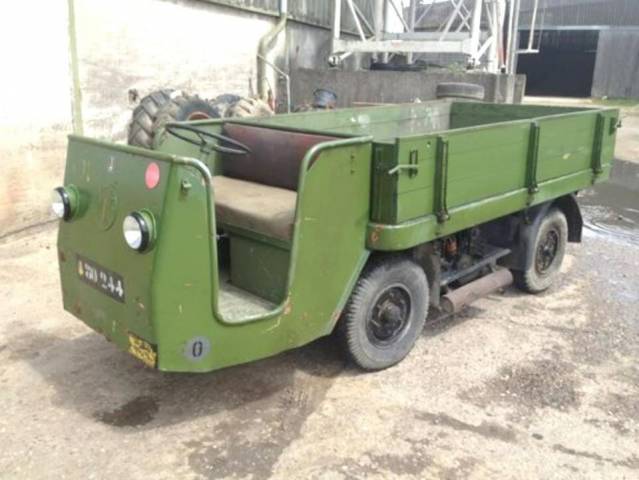
1953 | MIAG Motorkarren MK2000

Create search alert
Let yourself be notified as soon as a listing is published that matches your search filters.
History
MIAG is one of those marques that rewards patient collectors. The company emerged from Germany’s long industrial and milling tradition and later became known for a small but distinctive range of tractors, road tractors and utility vehicles built before and after the Second World War. For buyers today, that history matters because every surviving machine carries a story of scarce production, practical engineering and a short-lived but memorable place in European agricultural history.
The best-known MIAG vehicles for collectors are the LD20 and ID20 from the late 1930s, followed by post-war types such as the JD33, AD17, AD22 and AD33. The unusual MK2000 transport carrier, with its VW-based powerplant, is the outlier and one of the most interesting MIAG vehicles for specialist buyers. None of these machines were made in large series. That is why they are rarely seen in the mainstream classic market and why condition, originality and documentation matter so much.
From a collector’s point of view, MIAG sits in the same conversation as the smaller European tractor brands that never became mass-market names. That can work in the buyer’s favour: if you want something with real individuality, a MIAG has far more character than many more common post-war tractors. In Australia, that individuality is amplified. Our vintage tractor scene is strong, but it has traditionally centred on local favourites, British imports and the better-known American farm machines. A genuine MIAG is therefore an eye-catcher at any rally, swap meet or working day.
For Australian buyers, there is also a practical angle. European classics often arrive with a bigger paperwork story than domestic machines. Shipping, quarantine, customs clearance and inland transport all need to be budgeted properly. With MIAG, that’s especially relevant because the vehicles are uncommon and often sourced from Europe, where the best examples tend to be found in specialist collections or niche sales. If you are buying into the brand from Australia, you are not just purchasing a tractor — you are entering a small international market.
Highlights
What makes MIAG special is not brute power or glamour. It is the combination of rarity, honest engineering and unmistakable period character. These machines were built to work hard, not to impress at a concours lawn. Yet that working pedigree is exactly what appeals to many collectors.
Low numbers, high interest. MIAG production was limited across the board. That makes surviving tractors and utility vehicles scarce, and scarcity is the main reason prices can move sharply once a good example appears.
Distinctive German industrial design. MIAG machines have a chunky, purposeful look that reflects their agricultural and commercial use. They are not generic tractors; they have their own identity.
MWM diesel heritage. Many MIAG tractors used MWM engines, a name respected for durability and sensible engineering. That helps with long-term ownership, because engine know-how and parts support are often better than people expect.
Unusual utility variants. The MK2000 is especially appealing to collectors who like the unusual end of the market. A transport carrier with VW roots is not something you see every day, even at major European gatherings.
Strong show presence. In Europe, MIAG belongs to the world of working rallies, museum collections and specialist tractor clubs. In Australia, that rarity makes it even more desirable at vintage machinery shows, where collectors enjoy machines that spark questions and conversations.
Import appeal. For Australians, a MIAG can make sense if you want a very uncommon European tractor and are prepared for the extra cost and admin that come with importation.
Technical Data
Most MIAG tractors were built around simple, robust mechanicals: manual gearboxes, heavy-duty frames and working equipment designed for pulling, towing or yard transport. That simplicity is a strength today, but only if the machine is substantially complete.
Market Overview
MIAG is a niche within a niche. On the European market, the best tractors usually sell to knowledgeable collectors who understand the brand’s rarity. In Australia, the pool of buyers is even smaller, but that can work both ways: the right example can attract strong interest because it is so unusual, yet a rough project may take time to find the right owner.
For guidance, restored or well-sorted MIAG tractors commonly sit in the low five-figure euro bracket in Europe, while project machines can be far lower if they are incomplete or need full mechanical and cosmetic work. In Australian dollars, that means buyers should think in broad landed-cost terms, not just the overseas hammer price. A tractor bought for what looks like a modest sum in Europe can land in Australia at a much higher total once shipping, insurance, customs, GST, quarantine inspection, port charges, inland transport and any compliance work are added.
That landed-cost reality is important for Australian buyers. As a rough rule, classic vehicle imports may attract freight and insurance costs, then customs valuation, then 10% GST on the taxable import value. Depending on the exact classification and origin, duty treatment can vary, and a customs broker is worth the fee for a machine like MIAG. European tractors also need careful biosecurity preparation: soil, plant matter and oil contamination are common reasons for delays. A clean machine with proper documentation is always easier and cheaper to clear.
Australian collectors should also think about availability of help on the ground. MIAG is rare in local collections, so you may not have a neighbour with spare parts or hands-on experience. That means provenance, completeness and mechanical health carry extra weight. A cheaper project can quickly become expensive if you need to source sheet metal, castings, badges or correct engine components from Europe.
The upside is that rarity supports long-term interest. At vintage tractor shows, rally days and museum open weekends around the country, a MIAG will always draw attention next to more common tractors. In states with strong machinery culture — especially Victoria, New South Wales, Queensland and Western Australia — collector networks are active and highly knowledgeable. That matters because specialist machines often find their buyers through clubs, rallies and word of mouth before they appear in broad public circulation.
Buyer tip: if you are importing from Europe, ask for detailed photos of the chassis, engine tags, serial numbers, clutch housing, steering gear and any missing tinwork before committing. The cost of replacing rare MIAG-specific pieces can easily exceed the gap between a nice driver and a rough project.
Driving Feel
Driving a MIAG is about pace, torque and patience. These are not tractors that flatter a heavy right foot. They are slow, deliberate machines with a mechanical honesty that modern equipment has long since abandoned.
The LD20 feels compact but serious. Its engine note is deep and steady, with that unmistakable old-diesel cadence that tells you the machine is working rather than performing. Steering is unassisted and the controls are mechanical, so every movement feels direct. Once underway, the tractor settles into a rhythm that is more about traction than speed. That is exactly what many collectors want: a machine that still feels like a working tool.
The ID20 is the road-going sibling, and it suits buyers who want something with more of a utility presence. As a road tractor or tow vehicle, it has a purposeful feel that makes sense in a collection focused on transport history, commercial use or agricultural servicing. It is the kind of vehicle that looks at home outside a machinery shed or on a vintage haulage display.
The MK2000 is the most surprising to drive because its VW-based powertrain gives it a lighter, more familiar character. It is still a period machine, but it has a more automotive feel than the agricultural tractors. For some buyers, that makes it the most usable of the MIAG family.
In Australia, where many collectors already understand the appeal of slow, heavy, mechanically simple machines, MIAG fits naturally into the vintage machinery mindset. The difference is that it brings a European edge. On a rally field or at a tractor pull display, it looks and sounds like something you had to actively seek out — because you did.
Design
MIAG design is functional, but not anonymous. The tractors have a strong industrial presence, with broad metal surfaces, simple panel shapes and proportions that emphasise toughness over polish. The visual language is very much that of pre- and post-war engineering: practical, honest and built around service access.
The LD20 is probably the most characterful of the group. Its enclosed bonnet and heavy stance give it a compact, almost architectural look. The lines are straightforward, but there is enough individuality in the front end, mudguards and proportions to make it memorable at a glance. This is not a tractor that disappears into a row of similar machines.
The ID20 and its variants introduce a more commercial tone. As road tractors, they have a utilitarian presence that reflects their intended use in towing and short-haul work. The cab variants add useful practicality, and they also make the machine more appealing for display because they suggest a specific work history.
The post-war AD and JD models continue the same design philosophy with less ornament and even more emphasis on function. That pared-back look matches the realities of the period: materials were tight, priorities were practical, and engineering had to earn its keep.
The MK2000 stands apart because it bridges the worlds of agricultural utility and transport machinery. Its VW connection gives it a slightly softer, more familiar profile, but it still reads as a serious work vehicle.
For Australian collectors, design matters because it affects how a machine sits in a local collection. Many Australian tractor collections already include home-grown icons, imported British tractors and American iron. A MIAG adds a rarer European layer and broadens the story a collection tells about agricultural technology and post-war mobility.
Other
MIAG ownership is rewarding, but it is not a casual purchase. The best examples are usually the ones with the most complete paper trail, the most original equipment and the least amateur modification.
Inspection points:
- Check the engine block, head and cooling system for cracks, corrosion and evidence of poor storage.
- Inspect the clutch, gearbox and final drive for noise, wear and any signs of incomplete rebuilds.
- Look closely at the frame, axle mounts and steering gear for repairs, cracks or bad welding.
- Verify that badges, instruments, tinwork and serial plates are present and original where possible.
- Confirm whether the tractor is complete enough to source missing parts economically.
Documentation:
Original paperwork is valuable anywhere, but especially on an obscure make. A MIAG with history, import documents, restoration photos and prior ownership detail will always be easier to sell later. For Australian buyers, that documentation also helps with customs clearance and future registration or club-plate conversations.
Parts and support:
Expect engine parts to be easier to source than MIAG-specific body or trim items. That is normal for a rare make. If you are considering a project, ask early about donor machines, reproduction parts and specialist suppliers in Europe.
Australian ownership context:
Australia has a deep vintage tractor culture. From working weekends and field days to museum parades and club gatherings, there is a strong appetite for machines with a story. That is why MIAG can work so well here: it is rare enough to be special, but mechanically old-school enough to suit the local hobby. In states with active machinery clubs, a MIAG will often be welcomed as a talking point and a demonstrator of European tractor history.
Summary
MIAG classics are for buyers who like rarity with substance. The marque’s tractors and utility vehicles are not common, not cheap to restore and not easy to source in Australia — but that is exactly what gives them appeal.
If you want a machine that stands apart from the usual collector tractors, the LD20, ID20, JD33, AD series and MK2000 are compelling choices. They offer real mechanical character, strong historical interest and serious show presence. For Australian buyers, the key is to budget properly for shipping, customs, GST, quarantine and any specialist restoration work.
Search carefully, buy the most complete example you can afford and prioritise originality. Do that, and a MIAG can become one of the most distinctive classics in your shed.