Honda N 600 classic cars for sale
The Honda N 600 stands as a milestone in automotive history, marking Honda's first major push into the global small car market. Lightweight, agile, and engineered for urban efficiency, the N 600 continues to capture attention with its unique place among Japanese cars of the 1970s.
Search results
Currently, there are no matching listings for your search.
Create search alert
Let yourself be notified as soon as a listing is published that matches your search filters.
Create listing
Do you have a Honda N 600 that you want to sell? Then create a listing now.
Create listingHonda N 600 listing references from Classic Trader
Below you will find listings related to your search that are no longer available on Classic Trader. Use this information to gain insight into availability, value trends, and current pricing for a "Honda N 600" to make a more informed purchasing decision.
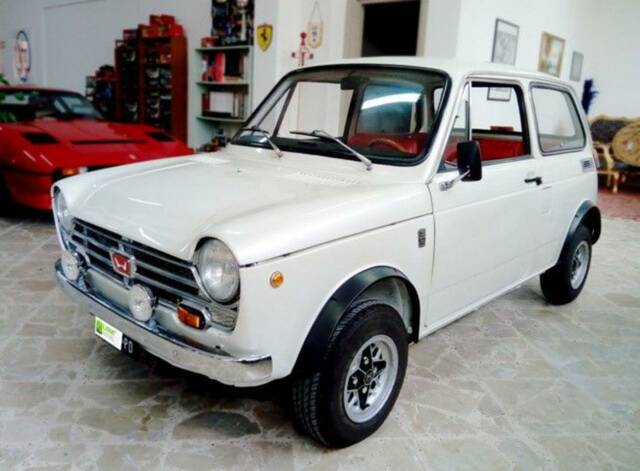
1971 | Honda N 600 Touring
HONDA e N360

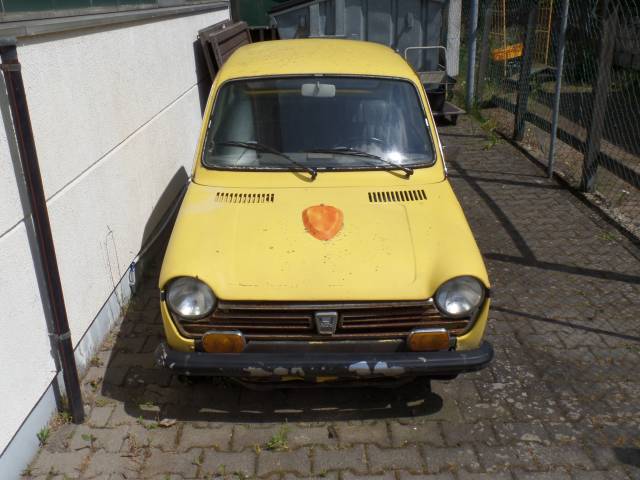
1972 | Honda N 600 Touring

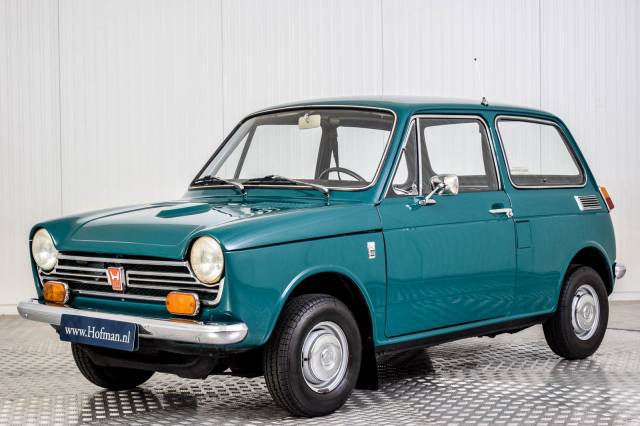
1971 | Honda N 600 Touring
Honda N600 Touring

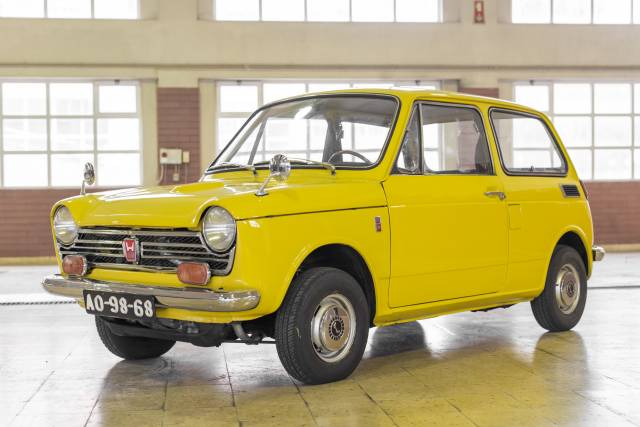
1973 | Honda N 600 Touring

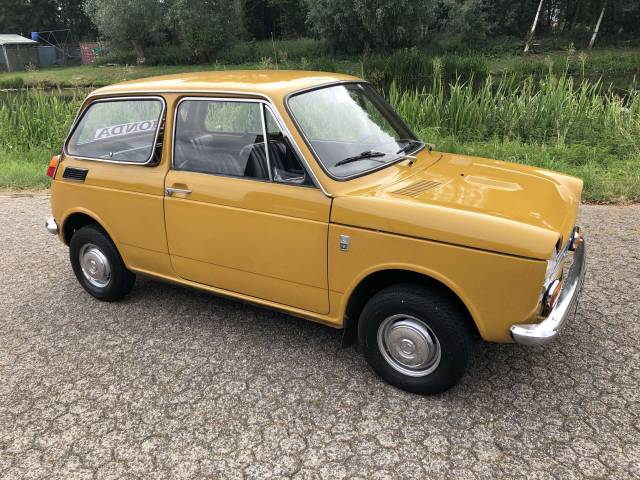
1973 | Honda N 600 Touring
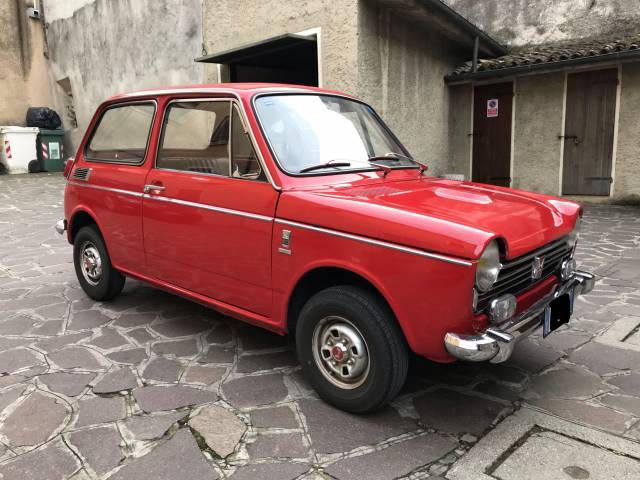
1972 | Honda N 600 Touring
N600 Hondamatic (N600AT)
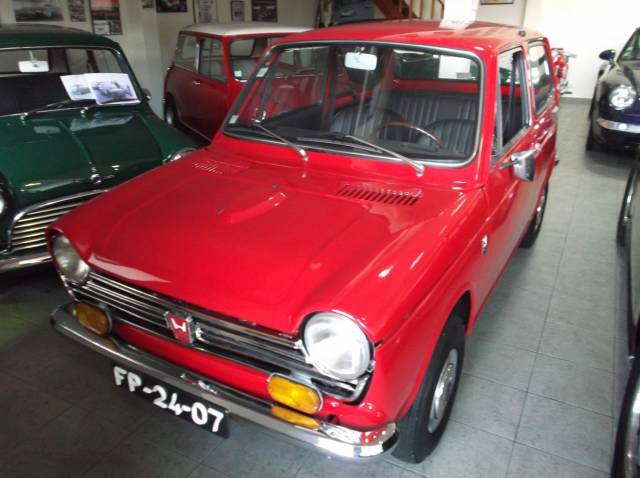
1973 | Honda N 600 Touring
Honda 360 N 600
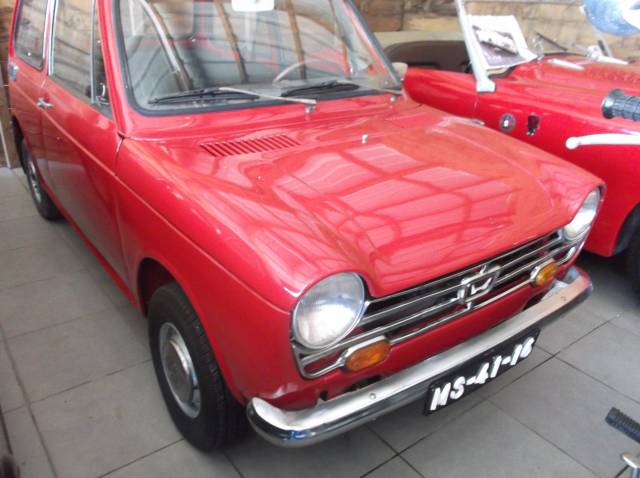
1970 | Honda N 600 Touring
Honda N600 N360
Create search alert
Let yourself be notified as soon as a listing is published that matches your search filters.
Create listing
Do you have a Honda N 600 that you want to sell? Then create a listing now.
Create listingHonda N 600 Classic Cars: Prices & Market Values
History of the Honda N 600
Launched in the early 1970s, the Honda N 600 was Honda’s answer to the increasing demand for compact, fuel-efficient city cars outside Japan. Developed from Honda’s experience with motorcycles and the domestic N360, the N 600 was specifically adapted for export markets with a larger 598 cm³ air-cooled two-cylinder engine. This tiny four-seater arrived at a time when the European market was dominated by heavier, thirstier vehicles, making the N 600's blend of lightweight construction and advanced technology stand out. Honda’s precise engineering, including front-wheel drive and a four-speed manual transmission, laid the foundation for its later global success in the automotive arena.
Model history
The Honda N 600 evolved from the Japanese N360 microcar, but was equipped with a larger 0.6-litre engine to meet export requirements, especially in Europe and North America. Produced from 1973 to 1975 in this configuration, it preceded the wider-known Honda Civic. Its immediate predecessor, the N360, was suited for the kei-car class in Japan, while the N 600 paved the way for Honda’s future in the global small car market. After its short production run, the Honda N 600 was succeeded by the Civic, which built on its innovations but offered improved comfort, space, and safety features.
Highlights of the Honda N 600
The N 600 stands apart with its tiny footprint, robust engineering, and agile driving characteristics. The lightweight construction (544–565 kg) and high-revving air-cooled twin-cylinder engine make it lively in city traffic. Its four-speed manual gearbox and front-wheel-drive setup ensured nimble handling by contemporary standards. The vehicle’s emissions (Euro 0, 150 g/km CO₂) reflect period technology. With 100% of Honda N-Series classic car listings dedicated to the N 600 on Classic Trader, it remains a significant representative of Honda’s early export models.
Technical data
Special editions and collectible models
No factory special editions of the N 600 are documented; however, early models and well-preserved, unrestored examples are particularly valued by collectors for their originality and documentation.
Weak spots and common issues
Due to the absence of specific data on weak spots, standard issues with early '70s compact Japanese cars may apply, such as vulnerability to rust, age-related deterioration of electrical systems, and wear on the original air-cooled engine. Prospective buyers should look for history of regular preventive maintenance and careful storage, as replacement parts may require sourcing from specialist suppliers.
Engine and Performance, Transmission and Handling
The N 600's 0.6-litre two-cylinder engine, paired with a four-speed manual transmission, offers a unique and brisk driving experience by the standards of its era. The front-wheel drive and lightweight build translate into nimble urban handling and good fuel efficiency, which was innovative among small cars in the early 1970s. Although modest in outright performance, the characterful powertrain rewards rev-happy driving, echoing Honda’s motorcycle heritage. Among N 600s, early-production specimens with complete documentation or unrestored original condition are most notable. Their authentic mechanical components and preserved interiors count heavily for enthusiasts.
Interior, Comfort, Exterior and Design
The exterior design of the N 600 is functional, with compact proportions maximised for city use. Its spartan but well-thought-out interior, with minimal instrumentation and basic seating, reflects a focus on efficiency and ease of repair. Notable design elements include the pivoting front quarter windows and simple, chrome-accented bumpers. Original accessories were limited, but period-correct options occasionally appear, such as roof racks or period radios. The colour palette was concise, typically in whites, greens, or yellows, echoing 1970s Japanese automotive design trends.
Other relevant features
The Honda N 600’s engineering and design philosophy anticipate many features of later Honda vehicles, such as efficient use of space, reliability, and the front-engine/front-wheel-drive layout which would become hallmarks of the brand. Its rarity in the current market makes correct identification and verification of authenticity especially important for buyers.
Summary
The Honda N 600 represents Honda’s first commercial entrance into the Western car market with an export-minded city car. Lightweight, efficient, and innovative in its drive layout, it laid critical foundations for later generations of Honda vehicles. On Classic Trader, it stands out as the primary representative of Honda’s early N-Series, with preserved examples attracting attention from collectors and enthusiasts alike.