Opel Rekord Classic Cars for Sale
The Opel Rekord stands for German engineering in the upper mid-size segment, offered between 1953 and 1986 in numerous body styles, engine variants and trim levels. Recognised for its everyday practicality, robust mechanics and classic rear-wheel drive, the Rekord finds admirers among enthusiasts seeking originality, authenticity and usability.
Search results
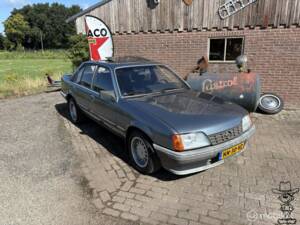
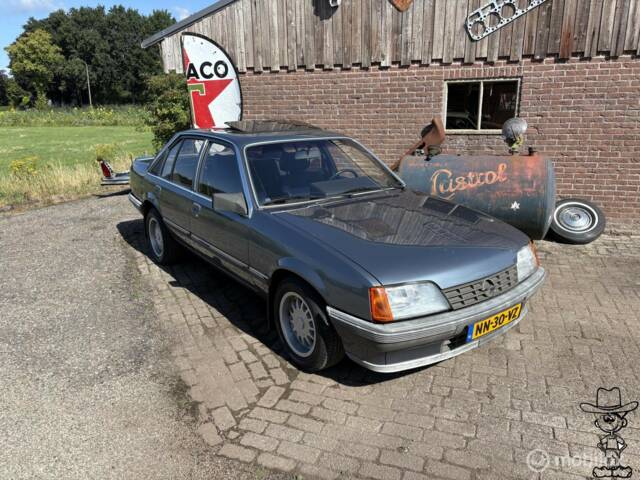
1985 | Opel Rekord 2,0 E
Opel Rekord 2.0 S

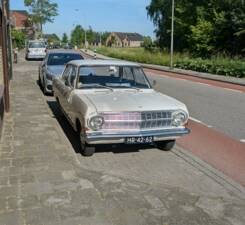
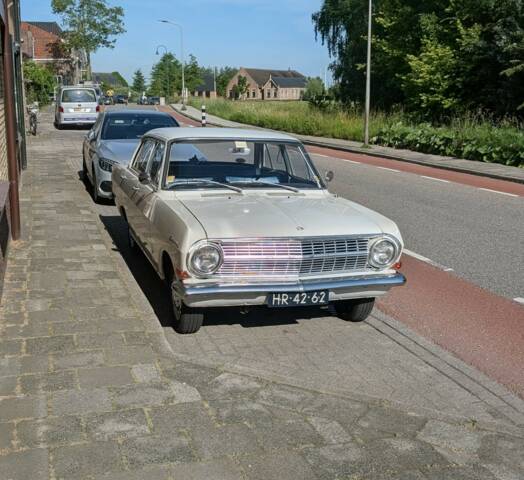
1964 | Opel Rekord 1700
Opel Rekord A 1700 Limousine 94500 km orig., Bordbuch
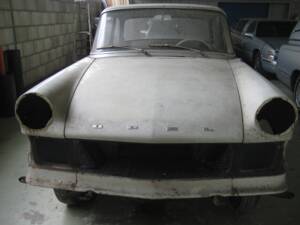
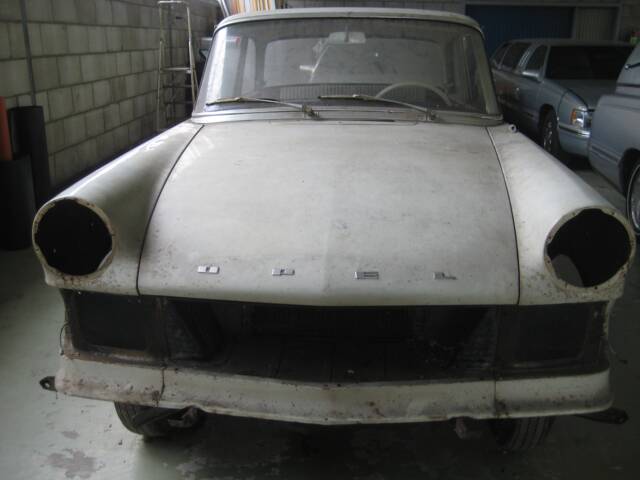
1963 | Opel Rekord 1500
For Sale - Opel Rekord Olympia 1963
VAT is reclaimable
Opel Rekord listing references from Classic Trader
Below you will find listings related to your search that are no longer available on Classic Trader. Use this information to gain insight into availability, value trends, and current pricing for a "Opel Rekord" to make a more informed purchasing decision.
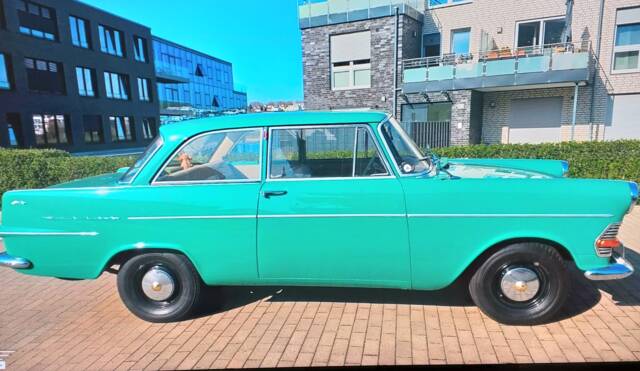
1962 | Opel Rekord 1700

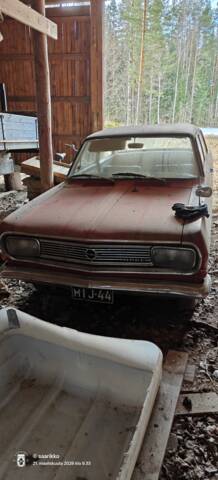
1966 | Opel Rekord 1700 S
Opel Rekord 2D OLYMPIA REKORD B-11-1700/2640

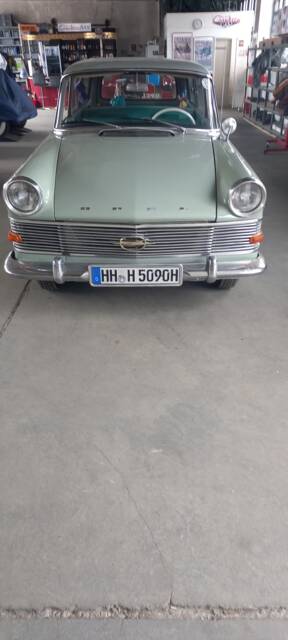
1961 | Opel Rekord 1700 Caravan
"Rüsselsheimer"
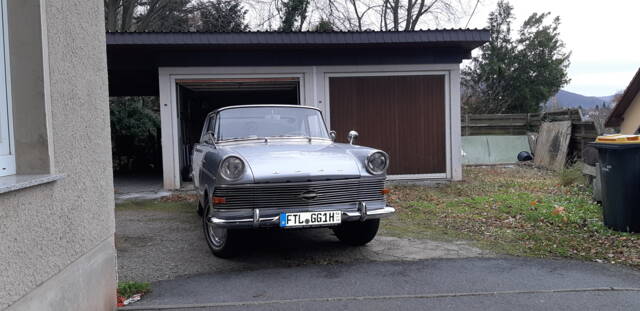
1962 | Opel Rekord 1700
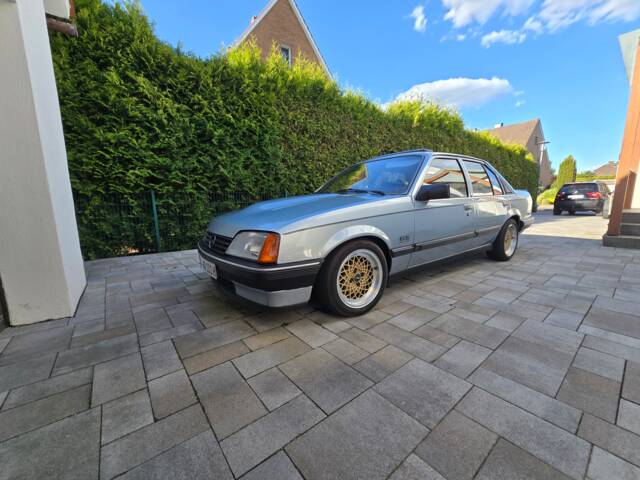
1986 | Opel Rekord 2,3 TD
Schöner und seltener Rekord mit der einzigartigen Motorhaube!
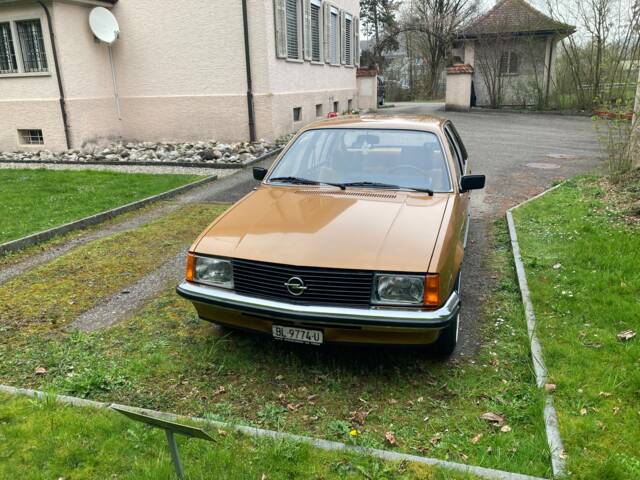
1982 | Opel Rekord 2,0 S
Sehr schöner und gepflegter Rekord E

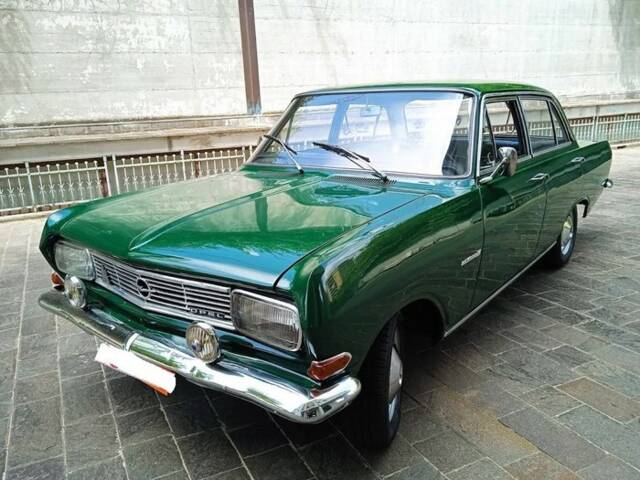
1976 | Opel Rekord 1700
Opel - Rekord L 1.7 - 1976
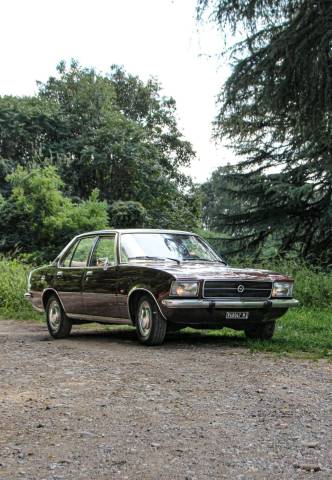
1972 | Opel Rekord 1900 SH
Benzina, Climatizzatore, gancio di traino, autoradio blaupunkt FM

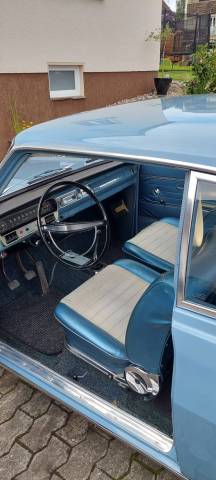
1964 | Opel Rekord 1700S
Coupe Sondermodell exklusive Austattung ,Blaupunkt Röhrenradio,Scheibenbremsen
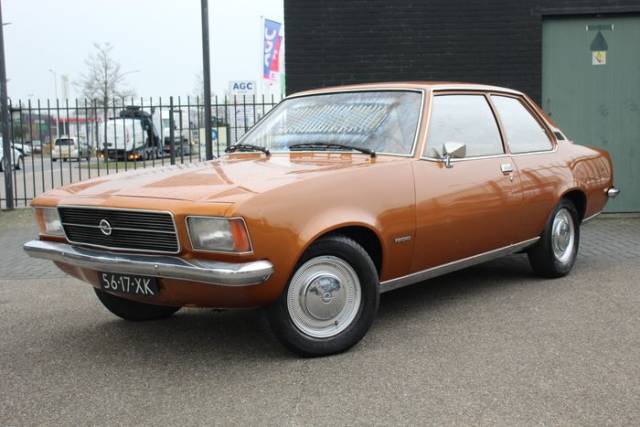
1973 | Opel Rekord 1700 S
Opel - Rekord 1700 - NO RESERVE - 1973
Opel Rekord Classic Cars: Prices & Market Values
The market value of Opel Rekord classic cars is primarily determined by the specific manufacturer code and variant, as well as technical condition, originality and mileage. Additional factors include rarity, history and documentation. A well-maintained, largely original vehicle with low, verifiable mileage and complete history including appraisals and documentation typically achieves significantly higher prices than a comparable vehicle with deferred maintenance, many modifications or unclear provenance.
Opel Rekord: Market Prices & Value Trends
Based on Classic Trader marketplace sales data from February 2021 to October 2025, the Opel Rekord market in Europe looks broadly stable, with a mild upward bias for the best early cars and well-specified estates. Most observed prices cluster in the mid four-figure to mid five-figure range, while year, body style and condition drive large differences: later Rekord variants from the 1980s (such as the 2.0 S/2.0 E and 2.2i, typically 1980–1986) frequently sit around £3,500–£10,500, reflecting their greater supply and more “usable classic” positioning. By contrast, earlier 1960s models (for example Rekord 1700/1900S, 1962–1968) commonly trade closer to £11,000–£22,000, suggesting stronger collector demand for chrome-era design and increasing scarcity. A small number of very high asking prices appear in the dataset, so a realistic overall market range for most Opel Rekord purchases is approximately £4,000–£22,000. For buyers, this points to a steady market where originality, documented restoration and rare trims (Caravan, Sprint) can justify the upper end.
History of the Opel Rekord
The Opel Rekord made its debut in 1953, becoming a key model for Opel for more than three decades. Developed as a large family car, the Rekord was available in saloon, coupé and estate (Caravan) forms and evolved through eight generations until 1986. The Rekord series marked Opel’s move toward modernity: the Olympia Rekord brought the brand into the era of ponton styling, while later generations consistently responded to new consumer demands, technological change, and competition from rivals like Ford. With production ending in 1986, replaced by the Omega, the Rekord had sold about ten million units, reflecting not only its popularity but also its importance to post-war German automobility.
Model History and Series Evolution
The Rekord lineage began with the Olympia Rekord, moving quickly to the P1 and P2 models of the late 1950s and early 1960s, which introduced panoramic windows and fully synchronised gearboxes. The Rekord A (1963–65) marked the shift to more angular designs, while the short-lived Rekord B (1965–66) introduced a new overhead-cam engine. The Rekord C (1966–71) became the series’ biggest seller with its updated look and technical enhancements. The Rekord D (1972–77) responded to the oil crisis by offering Opel’s first passenger car diesel engine. The final Rekord E (1977–86) refined luxury, safety and technical options before the line was replaced by the Omega.
Highlights and Features of the Opel Rekord
The Opel Rekord stands out in the upper mid-size classic car segment thanks to its variety of body styles – saloon, coupé, and Caravan (estate) – and its reputation for technical longevity and usability. Notable technical features across the most popular generations included fully synchronised manual transmissions, robust four- and six-cylinder engines (from the 1.5 to the 2.2L, with outputs up to 115 hp), and the availability of comfort equipment such as velour seats, power windows, and central locking especially in the Berlina and GLS trims. Common design characteristics include rear-wheel drive layouts, the availability of automatic and manual transmissions, and star-axle rear suspensions. With an average weight around 1,100–1,200 kg and lengths between 4.60 and 4.80 m, the Rekord fits well as a practical classic car with genuine family-car credentials.
Technical Data
Special Editions and Collectible Models
Collector attention often focuses on limited runs and premium trims. The Rekord Sprint featured sportier styling and equipment, while the Berlina emphasised luxury with enhanced materials and amenities. The Rekord L-6 offered an in-line six-cylinder engine for higher performance and prestige. Cabriolets and the rare Coupé versions – especially in their original configuration and with period accessories – command heightened interest. Some export and luxury variants also included extras like air conditioning (AC Delco), electric windows, and specific upholstery.
Weak Spots and Common Issues
No significant model-specific weaknesses are documented; however, buyers should be aware that, due to age, attention to corrosion protection (rust prevention), condition of the star-axle rear suspension, and the proper functioning of period electrical accessories is advisable. Maintenance history, originality of paperwork, and completeness of accessories, such as tool sets and wheel covers, add confidence for prospective owners.
Engine Performance, Transmission, and Handling
The Rekord delivered classic rear-wheel drive dynamics with a durable chassis. Manual gearboxes (3–5-speed) and, from the mid-1960s, optional automatic transmissions, made the Rekord flexible for its class. Engine options spanned from economical 1.5L petrol to the performance-oriented 2.2L units and the notable introduction of a diesel (60 hp) in the D-series. Fuel consumption averaged 8–10 L/100km. Suspension design – independent at the front, star-axle at the rear – proved reliable and serviceable. Towing capacities reached roughly 1,250–1,500 kg, a strong point for family and utility use. - Rekord C (1966–71): Most prominent in both supply and demand; valued for its updated body, reliable technology, and availability in multiple body styles.
- Rekord D (1972–77): First diesel Rekord, practical and robust, especially in the Caravan variant.
- Rekord E (1977–86): Final evolution, with substantial comfort and safety improvements, larger engine options, and increased electronic sophistication.
Interior, Comfort, Exterior and Design
Rekord models reflected their eras in styling, from the soft 1950s curves of the Olympia Rekord to the clear lines of the Rekord A and the angular, aggressive forms of the Rekord D and E. Interiors varied with the trim: high-end variants featured velour upholstery, heated seats, central locking, original Blaupunkt radios, and – in some export versions – air conditioning. Coupés and Caravans exhibit unique window and seat configurations. Notable extras include roof sunroofs, headlamp washers (in Swedish versions), and original accessories ranging from tool kits to spare wheels. Paint options and detailed trims (chrome, period hubcaps) are sought by enthusiasts aiming for authenticity.
Other Relevant Features
The Rekord suits a variety of roles: daily driver, family classic, tradesman’s vehicle, or long-distance cruiser. Cars often come with comprehensive documentation (service books, original registration, maintenance records), and the parts market remains favourable. Many Rekords retain period features like patina and original interiors, highlighting their contemporary character.
Summary
The Opel Rekord stands across generations as a benchmark for German upper-middle-class vehicles, favoured for its technical robustness, straightforward mechanics, and varied body and trim options. Especially popular as family, business, and long-distance vehicles, many Rekords are still supported by a good parts supply and active communities. Lovers of authentic, practical classics appreciate the Rekord for its unmistakable look and use-value, while specialist variants – Sprints, Coupés, and L-6 – attract enthusiasts and collectors alike.