- Motorcycle
- Yamaha
- Yamaha YZF 1000 R1 (2 offers)
Yamaha YZF 1000 R1 Classic Bikes For Sale
The Yamaha YZF 1000 R1 reshaped the sport bike landscape with its radical performance, distinctive four-cylinder engine and aggressive look since 1997. Characterised by explosive power delivery, lightweight construction and focused ergonomics, it became Yamaha’s supersport flagship and set new engineering standards.
Search results
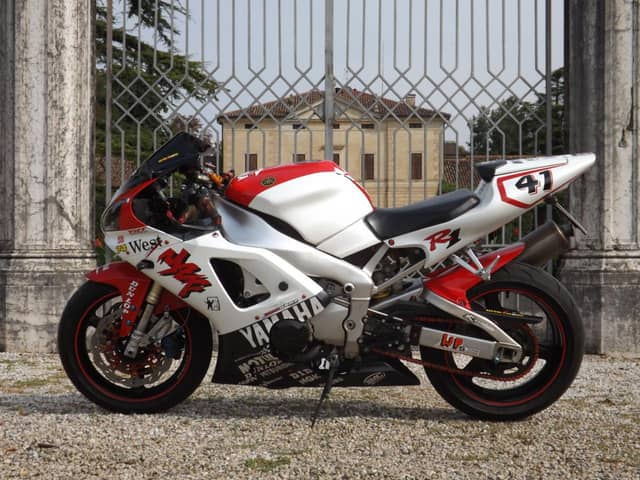

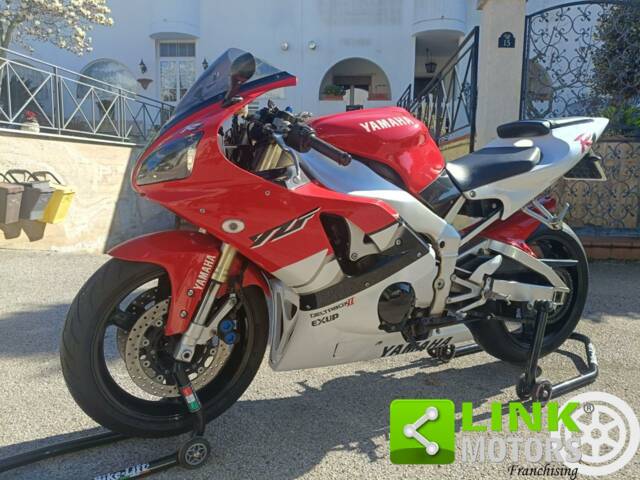
1999 | Yamaha YZF 1000 R1
YAMAHA YZF R1 CON ABS
Yamaha YZF 1000 R1 listing references from Classic Trader
Below you will find listings related to your search that are no longer available on Classic Trader. Use this information to gain insight into availability, value trends, and current pricing for a "Yamaha YZF 1000 R1" to make a more informed purchasing decision.
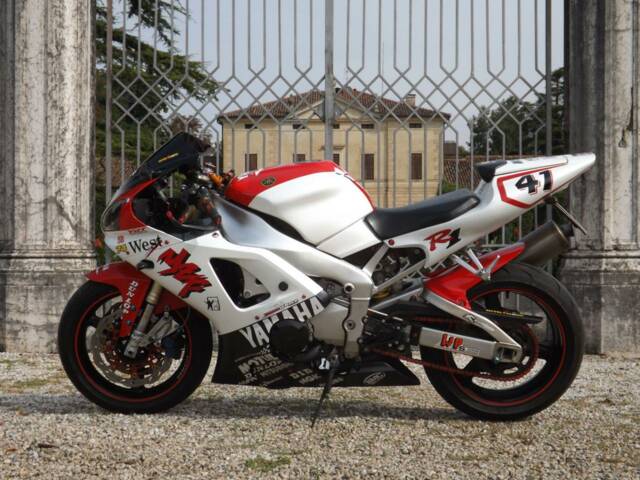
1998 | Yamaha YZF 1000 R1
-
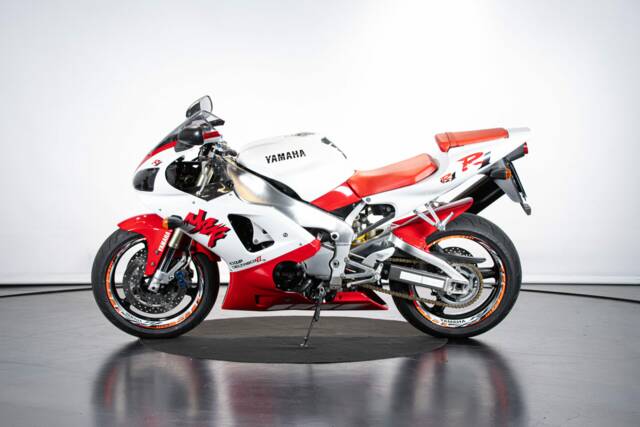
1998 | Yamaha YZF 1000 R1
Yamaha R1
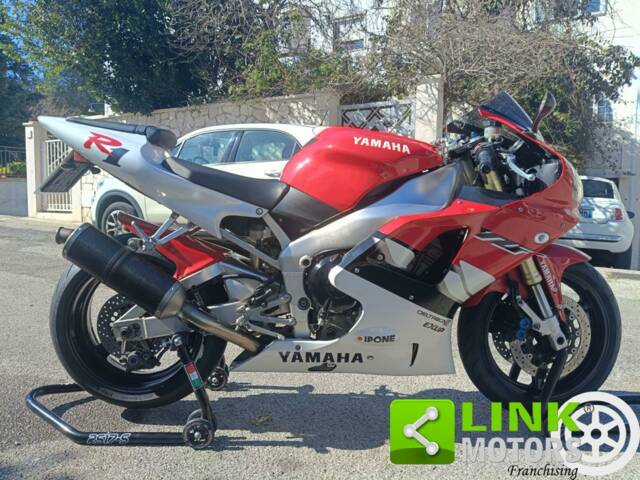
1999 | Yamaha YZF 1000 R1
YAMAHA YZF R1 150CV
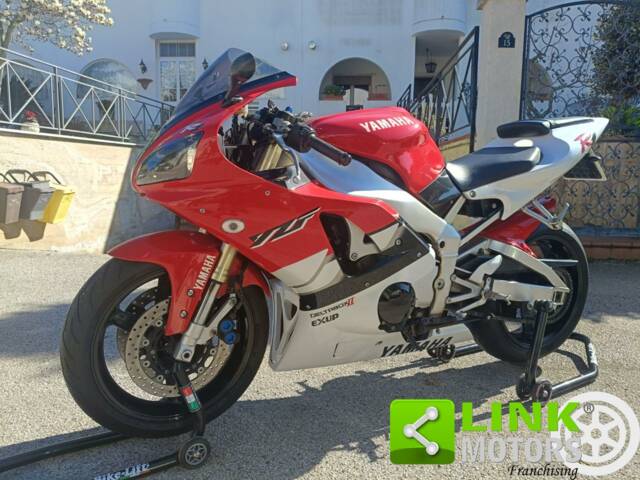
1999 | Yamaha YZF 1000 R1
YAMAHA YZF R1 CON ABS
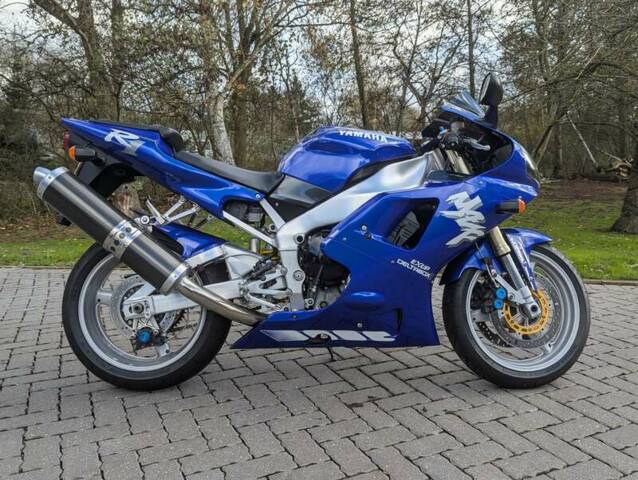
1999 | Yamaha YZF 1000 R1
1999 Yamaha YZF-R1 998cc

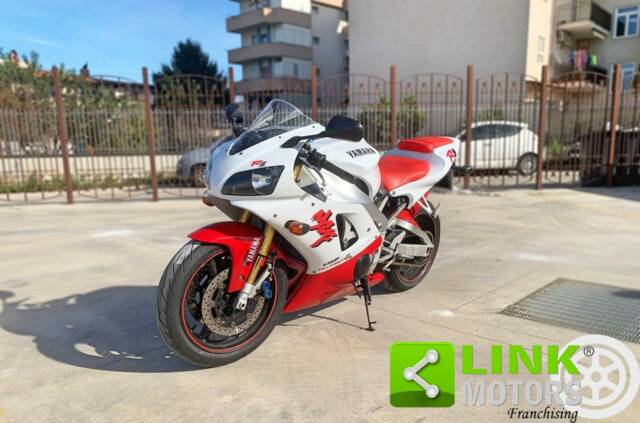
1999 | Yamaha YZF 1000 R1
YAMAHA YZF R1 ISCRITTA ASI perfetta
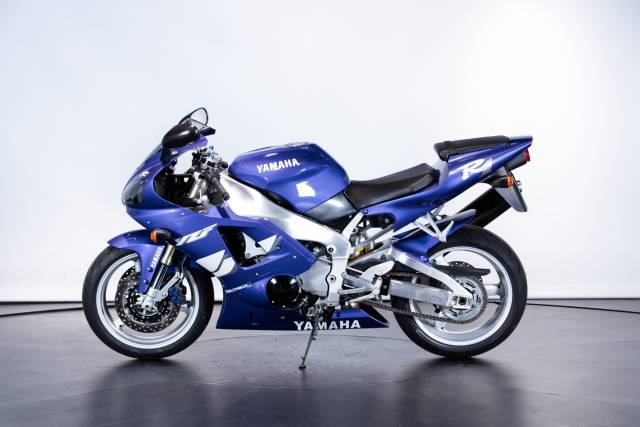
1999 | Yamaha YZF 1000 R1
-
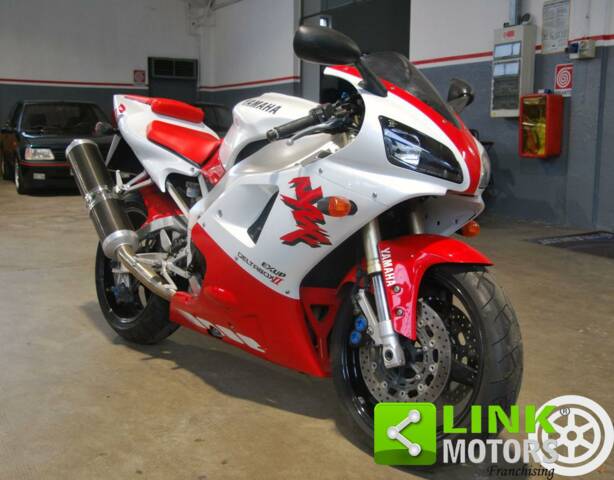
1998 | Yamaha YZF 1000 R1
YAMAHA YZF R1 1998 - UNIPROPRIETARIO - 23.000KM ORIGINALI
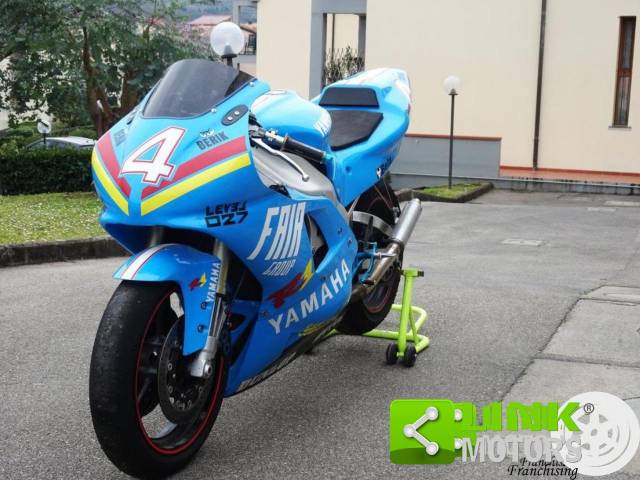
1999 | Yamaha YZF 1000 R1
YAMAHA YZF-R1
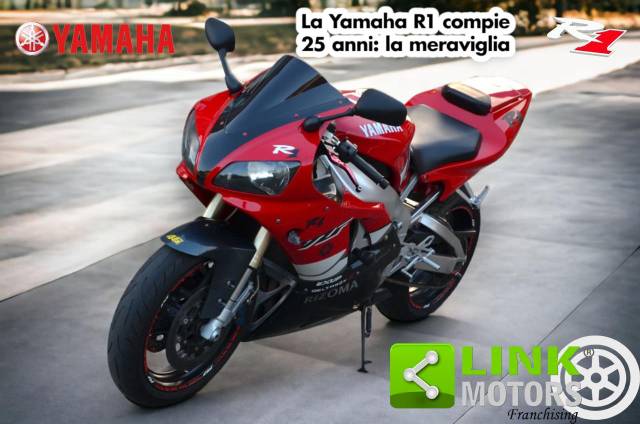
1999 | Yamaha YZF 1000 R1
YAMAHA YZF R1 99
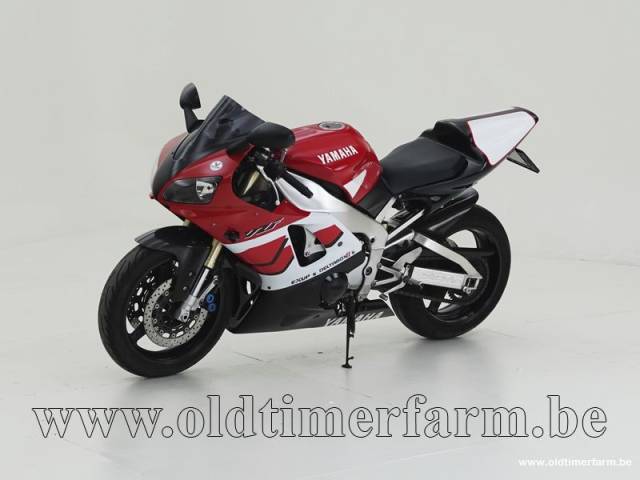
1998 | Yamaha YZF 1000 R1
1998 Yamaha YZF R1 '98

Yamaha YZF 1000 R1 Classic Motorbikes: Prices & Market Values
The market value of Yamaha YZF 1000 R1 motorcycles is primarily determined by technical condition, originality, and mileage, as well as rarity, history, and documentation. A well-maintained, largely original vehicle with low, verifiable mileage and a complete history including expert reports and documentation generally achieves significantly higher prices than a comparable vehicle with deferred maintenance, extensive modifications, or an unclear provenance.
Yamaha YZF 1000 R1: Market Prices & Value Trends
Based on sales data from the Classic Trader marketplace, the Yamaha YZF 1000 R1 (particularly early bikes from 1998–1999 with the quoted 150 hp output) shows a firming market over the period from mid‑2021 to early‑2026. Earlier observations commonly sat in the mid‑£4,000s to mid‑£5,000s, while more recent results increasingly cluster higher, suggesting a gradual upward trend rather than a sudden spike. Across the dataset, most realistic market activity sits at roughly £4,700 to £9,500, with cheaper outliers appearing occasionally (for example a low 2002 price point) and the strongest pricing linked to desirable first‑generation examples. In European classifieds (many entries are from Italy, with some from the UK, Belgium and Germany), the spread largely reflects condition, originality, and provenance. For today’s buyers, this points to a market where well-kept, standard early R1s are increasingly treated as modern classics, supporting stable-to-rising values; for sellers, strong presentation and documentation can materially influence achievable price.
History of the Yamaha YZF 1000 R1
Launched in 1997 and available to the public from 1998, the Yamaha YZF 1000 R1 signalled a dramatic leap in supersport motorcycle development. Yamaha designed the R1 to outclass its competitors, focusing on a minimum dry weight and an engine that could deliver unprecedented power for its size. The initial R1 featured a 998cc four-cylinder inline engine and marked a turning point by heavily influencing both the design and technological direction of high-performance motorcycles at the end of the 1990s. The YZF 1000 R1 became an embodiment of Yamaha’s 'Kando' philosophy, aiming to deliver deep satisfaction and cutting-edge performance to the most demanding riders. Updates and refinements have followed over the years, with significant overhauls—such as the 2008 update—each time underlining its dominant position on the market.
Model History
The YZF 1000 R1 replaced earlier Yamaha supersport models by offering a completely new aluminium frame and a compact, powerful four-cylinder engine. Early versions used carburettors, transitioning to fuel injection in later generations. Yamaha continually refined the R1, introducing chassis and electronic updates that responded to both racing and road performance demands. Each major model revision brought improvements to engine output, handling, and electronic rider assistance, yet the core DNA of aggressive, responsive performance has remained. As the flagship of Yamaha’s supersport range, the R1’s development has always pointed towards the cutting edge of racing technology, with the first generation still highly regarded for its significance and unique character.
Highlights of the Yamaha YZF 1000 R1
Key features of the original YZF 1000 R1 include a true 998cc inline-four engine with output figures around 139 bhp (manufacturer specification) and a dry weight of roughly 177 kg—a combination that set the bar for litre-class superbikes. Yamaha’s innovative frame geometry and extensive use of lightweight materials allowed for a much more compact and agile machine than its contemporaries. Factory colour combinations like Blue/White became synonymous with Yamaha’s performance heritage. Many examples left the factory with practical features such as a steering damper, racing seat units, and comprehensive documentation, while later models are often upgraded with immobilisers, alarms, and high-performance exhausts.
In terms of market share, according to our supply and demand data, the YZF 1000 R1 represents 100% of Yamaha listings in this model series on Classic Trader, reflecting absolute dominance and focus within the segment. Similarly, it accounts for all user demand within the Yamaha supersport category on our marketplace, underlining its continued relevance among collectors and enthusiasts.
Technical Data
Special Editions and Collectible Models
Factory blue/white colour schemes are the most distinctly associated with the early R1. There were no widely publicised limited editions for the initial model years, but many owners opted for period upgrades and accessories, and some markets saw dealer-specific editions with special graphics or equipment. Individual collectability often comes from provenance, originality, or historically significant race-conversions.
Engine and Performance, Transmission and Handling
The R1’s 998cc four-cylinder is renowned for its rapid throttle response, free-revving nature and robust torque across the rev range. The compact chassis, combined with a stiff aluminium frame and aggressive steering geometry, made for immediate direction changes and secure high-speed behaviour. The default set-up offers a deeply sport-oriented experience, with an uncompromising riding position that enhances control at speed. Many R1s have been retrofitted with racing exhausts and suspension upgrades to further emphasise performance, and early carburetted bikes are noted for their direct connection between throttle and rear wheel. The original 1998-1999 models are of special interest to collectors and track day riders for their pure mechanical feedback and unique carburetted power delivery. Subsequent major updates (such as 2008-on) brought improved electronics and increased power, but the early R1 retains a singular appeal for purists.
Interior, Comfort, Exterior and Design
Design traits of the YZF 1000 R1 include a sharply styled front fairing, slim silhouette and distinctive dual-headlamp layout that established Yamaha’s new design language. Special paint (notably blue/white), minimalist rear seating and a purposeful, track-bred ergonomics make comfort secondary to control and aerodynamic stability. Most factory R1s came with detailed instrumentation, and high-grade finishes for frame and swingarm. Popular accessories include racing screens and bespoke levers, while period alarms and immobilisers were fitted for security.
Other Features
Many early Yamaha YZF 1000 R1s were supplied with original user manuals, service handbooks, and two sets of keys. Security enhancements, such as upgraded locks, alarms and immobiliser systems, are commonly retrofitted. Aftermarket sport exhausts from established brands are a frequent addition, reflecting the model's continuous appeal to both tinkerers and riders who use their machines on track.
Summary
The Yamaha YZF 1000 R1 stands as the definitive Yamaha supersport classic, famed for its balanced combination of power, lightness, and precision handling. Its striking design, enduring engineering and presence in both historic and current market data confirm its unique position within the world of performance motorcycles.