- Motorcycle
- Yamaha
- Yamaha XT 500 (1 offer)
Yamaha XT 500 Classic Motorcycles for Sale
The Yamaha XT 500 is recognised among motorcycle enthusiasts for its robust single-cylinder engine, classic steel frame, and well-balanced performance on both road and dirt. Its unmistakable kickstart and purist design set it apart from other enduro bikes of the same era. With strong supply and consistently high demand, the XT 500 stands as the quintessential Yamaha classic in our marketplace.
Search results
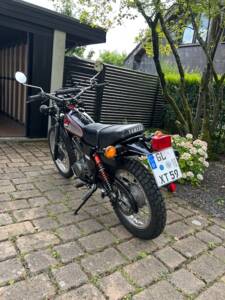
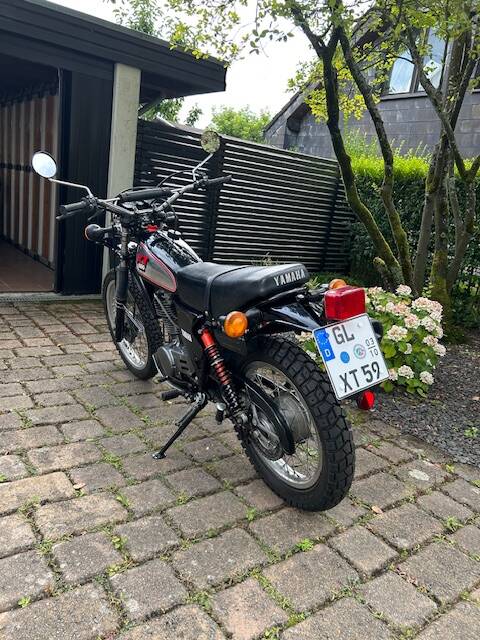
1988 | Yamaha XT 500
Special model XT 500S

Yamaha XT 500 listing references from Classic Trader
Below you will find listings related to your search that are no longer available on Classic Trader. Use this information to gain insight into availability, value trends, and current pricing for a "Yamaha XT 500" to make a more informed purchasing decision.
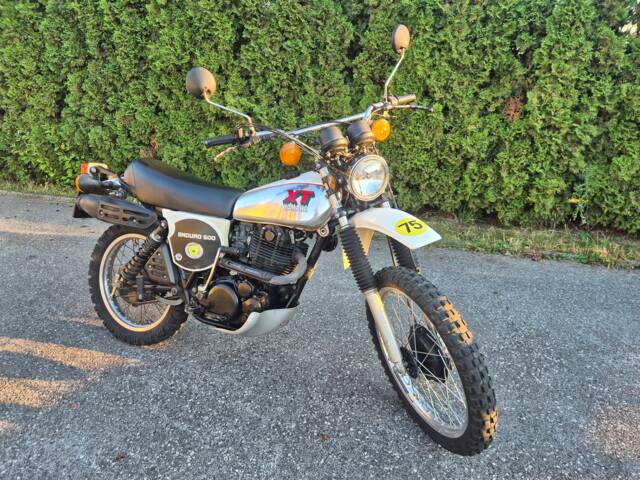
1979 | Yamaha XT 500
Yamaha XT500 1E6 - 1979 - Unrestored Survivor
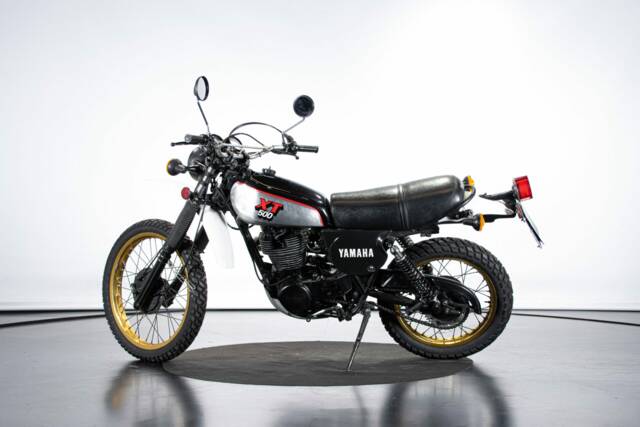
1982 | Yamaha XT 500
Yamaha XT 500

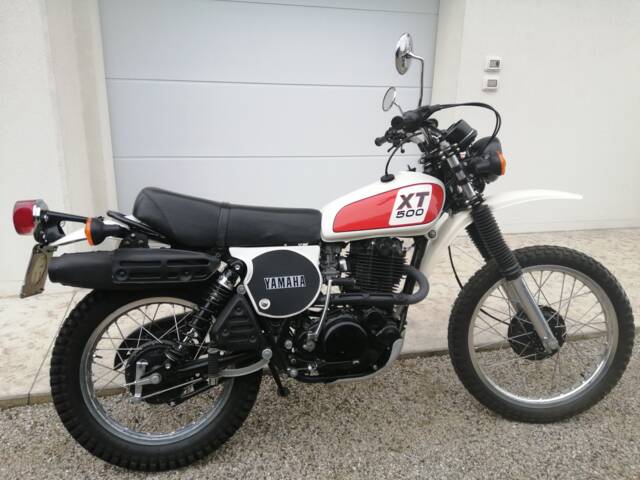
1979 | Yamaha XT 500
YAMAHA XT 500 1979
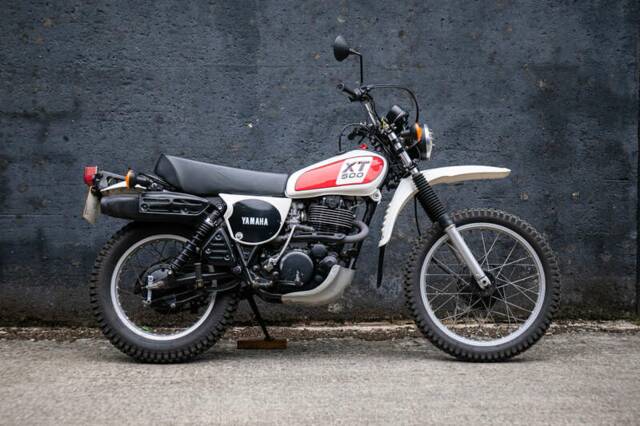
1979 | Yamaha XT 500
1979 Yamaha XT500 497cc - Offered Directly From Harry Metcalfe

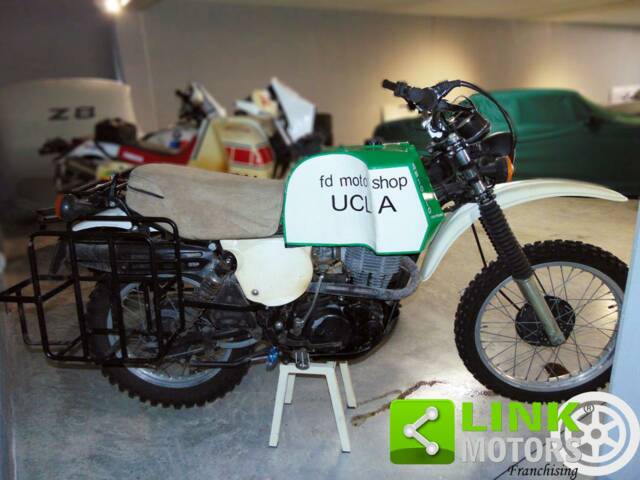
1980 | Yamaha XT 500
YAMAHA XT 500 Replica Parigi/Dakar Cyril Neveu, conservata
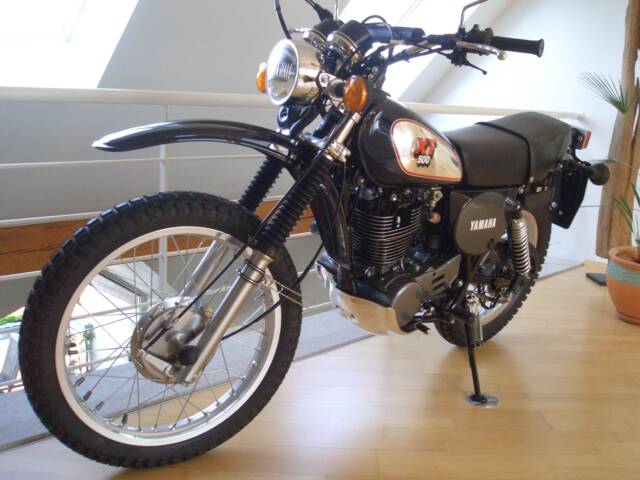
1989 | Yamaha XT 500
+++ Rarität für Sammler, Yamaha XT 500 S, 0 Km, Neu mit Tageszulassung +++
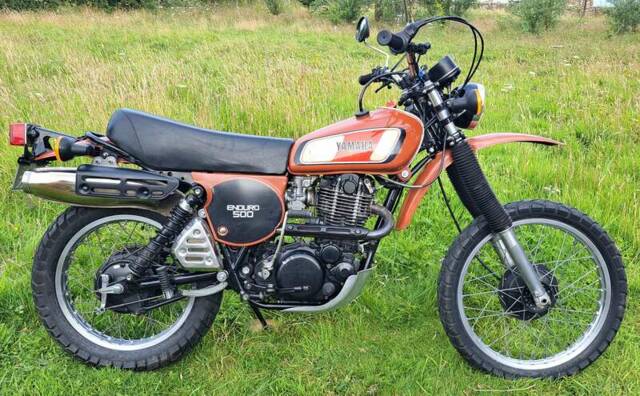
1977 | Yamaha XT 500
1977 Yamaha XT500 499cc
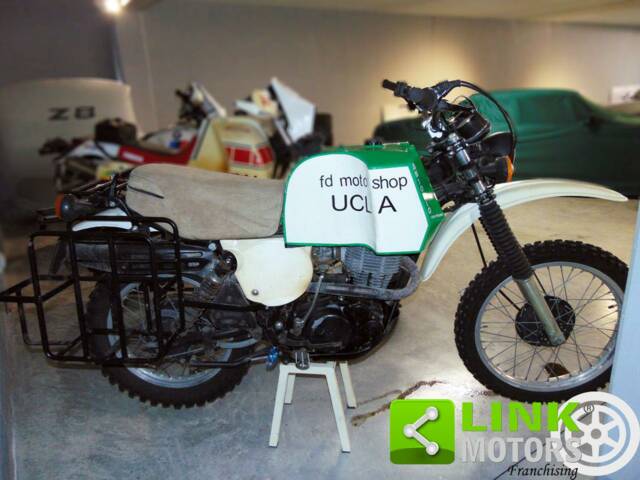
1980 | Yamaha XT 500
YAMAHA XT 500 Replica Parigi/Dakar Cyril Neveu, conservata
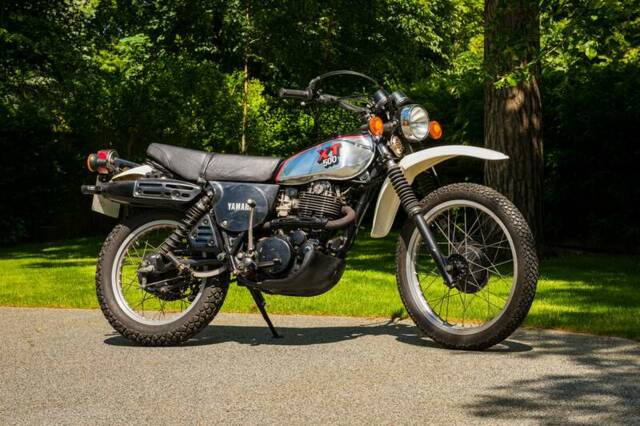
1985 | Yamaha XT 500
1985 Yamaha XT500 499cc
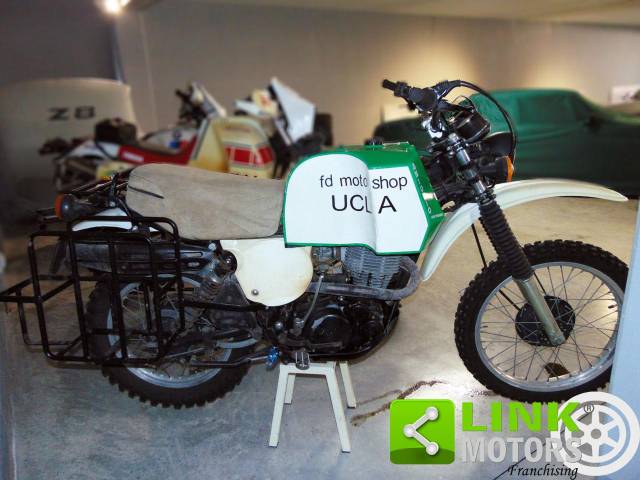
1980 | Yamaha XT 500
YAMAHA XT 500 Replica Parigi/Dakar Cyril Neveu, conservata
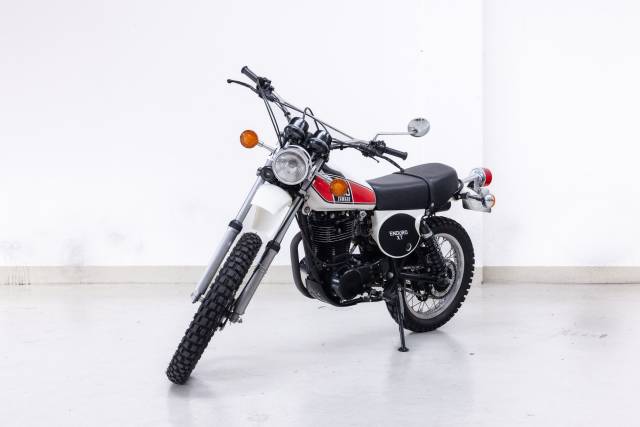
1976 | Yamaha XT 500
Dutch Delivered - Nut & Bolt Restored

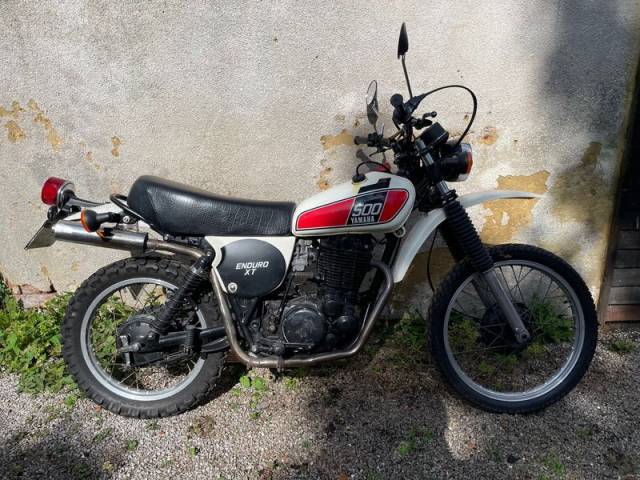
1976 | Yamaha XT 500
1976 Yamaha XT500 499cc
Yamaha XT 500 Classic Motorbikes: Prices & Market Values
The market value of Yamaha XT 500 motorcycles is primarily determined by technical condition, originality, and mileage, as well as rarity, history, and documentation. A well-maintained, largely original vehicle with low, verifiable mileage and a complete history including expert reports and documentation generally achieves significantly higher prices than a comparable vehicle with deferred maintenance, extensive modifications, or an unclear provenance.
Yamaha XT 500: Market Prices & Value Trends
Based on Classic Trader marketplace sales data from August 2021 to January 2026, the Yamaha XT 500 market looks broadly stable, with most asking prices clustering in a fairly consistent band despite a few clear outliers. Across Europe (with many ads from Italy and some from Germany and the Netherlands), the bulk of 1978–1983 bikes sit around £4,800 to £7,000, suggesting that clean, usable examples are trading in a well-established range. A realistic market span for most buyers and sellers is therefore roughly £5,000–£7,000, with condition, originality and documented restoration work being the main price drivers. Higher figures do appear (for example, a late-year bike advertised at £18,361 and a 1976 example around £12,678), but these are best treated as exception pricing rather than the norm. For 2024–2026 in particular, repeated price points around the mid-£6,000s indicate a steady market, likely supported by the XT 500’s iconic status, simple engineering and enduring demand among classic trail and enduro enthusiasts.
History of the Yamaha XT 500
Yamaha introduced the XT 500 in 1975, capitalising on the emerging popularity of enduro and adventure motorcycles. Designed as a true dual-purpose bike, it combined reliable off-road capability with everyday usability. The twin-valve single-cylinder engine, paired with an uncomplicated chassis and enduring components, contributed to the XT 500’s reputation as a trailblazer of its segment. Its simple mechanics and purposeful aesthetic made it a favourite throughout Europe and beyond, especially during the height of enduro riding in the late 1970s and early 1980s. Production continued until 1989, during which time the XT 500 established a loyal and active following that persists to this day.
Model History
The Yamaha XT 500 drew much of its technical foundation from the Yamaha TT 500 (off-road focus) and the SR 500 (road focus). All models shared the signature four-stroke, single-cylinder engine. The XT 500 underwent subtle evolutionary updates throughout its production, with the core features remaining unchanged: air-cooled engine, kickstart, and drum brakes. No immediate true successor with the same cult following emerged after production ceased in 1989, although the XT nameplate continued with different displacements and modernisations.
Highlights of the Yamaha XT 500
Key elements of the XT 500 include its robust and straightforward kickstarter, carburettor engine known for durability, classic round headlight and minimalist instrumentation, as well as a reliable steel tube frame. The model’s simple construction results in easy maintenance and encourages restoration projects. Off-road capabilities are a core strength, with characteristics making it popular for rally events and long-distance rides. Enthusiast clubs and comprehensive spare parts availability further set the XT 500 apart from most classics.
Technical Data
Special Editions and Collectible Models
Throughout its run, Yamaha released country-specific variations and limited runs with cosmetic differences, often focused on tank or trim colours. Some early production bikes and those with original paint and factory accessories (like high-mounted front fenders) are especially prized by collectors. However, the XT 500 did not feature high-volume factory special editions.
Engine and Performance, Transmission and Handling
The air-cooled SOHC four-stroke engine produces ample torque and is valued for its reliability and ease of maintenance. The manual kickstarter is characteristic; while reliable, it does demand correct starting technique. The chassis, with its long-travel suspension and steel frame, delivers steady off-road behaviour and manageable road performance. Drum brakes are period-typical and require occasional adjustment. The XT 500 is suitable for both short rides and extended adventures, with a riding experience praised for its mechanical honesty and control. In the XT 500 series, models from the late 1970s, in particular the 1979 variant, stand out among collectors for their mechanical purity. With their simple instrument cluster and rugged construction, these models define the breed and remain highly visible in rally events and restoration projects.
Interior, Comfort, Exterior and Design
Yamaha kept the XT 500 design function-oriented: the bike features a slim, comfortable single or dual saddle, a classic round headlamp, straightforward steel handlebars, and a clear, analogue instrument cluster. Drum brakes and wire-spoke wheels are standard. The paint scheme was often two-tone with bold Yamaha logo graphics. Factory accessories, such as luggage racks or unique seat covers, add both utility and individuality. The robust kickstarter lever, rubber knee grips on the tank, and purposeful switchgear remain hallmarks of this series.
Other Relevant Features
The XT 500 has inspired a lasting enthusiast scene, with specialist clubs, forums, and events dedicated to the preservation and enjoyment of the model. Aftermarket parts and upgrade kits are widely available, and restoration projects are frequent, thanks to the motorcycle’s simple and solid construction. The XT 500’s enduring appeal on both road and trail continues to attract new generations of riders.
Summary
The Yamaha XT 500, produced from 1975 to 1989, remains the linchpin of classic Yamaha motorcycles. With 100% of supply and demand in our marketplace centring on this model, it is unbeatable in terms of focus and presence. Straightforward engineering, excellent spare parts supply, and ongoing club support make it a robust choice for collectors and riders alike. Whether as an enduring workhorse or a collector’s project, the XT 500 defines the classic enduro experience.