- Motorcycle
- Testi (0 offers)
Buy Testi Motorcycles
Testi turned small-capacity motorbikes into something sharper, lighter and more distinctive than most of its rivals. For UK buyers, that rarity is part of the appeal: these are collector machines with real Italian character, but a market that still offers sensible entry points.
Search results
Currently, there are no matching listings for your search.
Create search alert
Let yourself be notified as soon as a listing is published that matches your search filters.
Testi listing references from Classic Trader
Below you will find listings related to your search that are no longer available on Classic Trader. Use this information to gain insight into availability, value trends, and current pricing for a "Testi" to make a more informed purchasing decision.
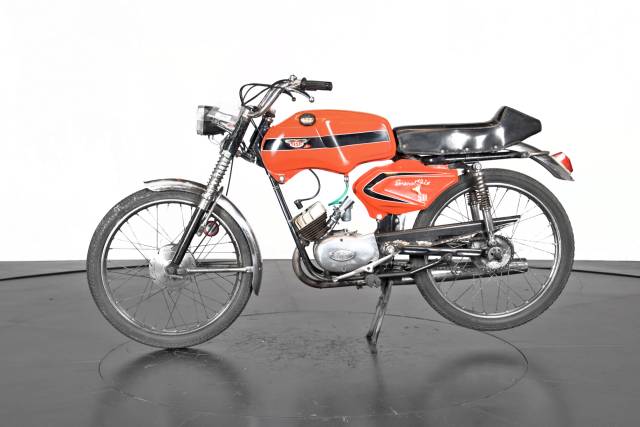
1968 | Testi Grand Prix
-

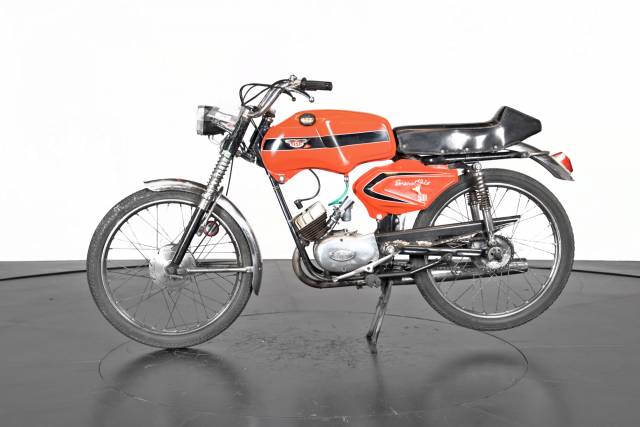
1968 | Testi Grand Prix
-
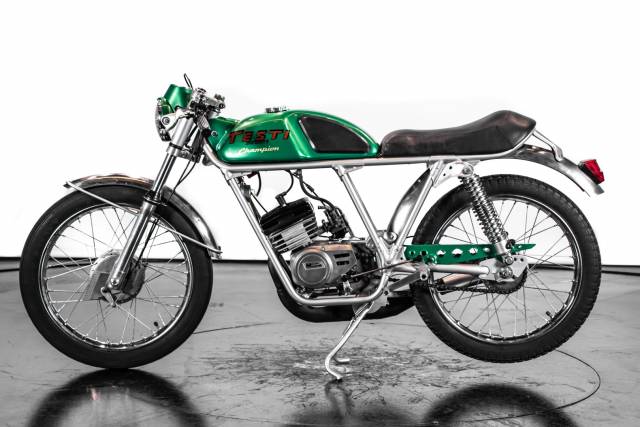
1971 | Testi Champion
-
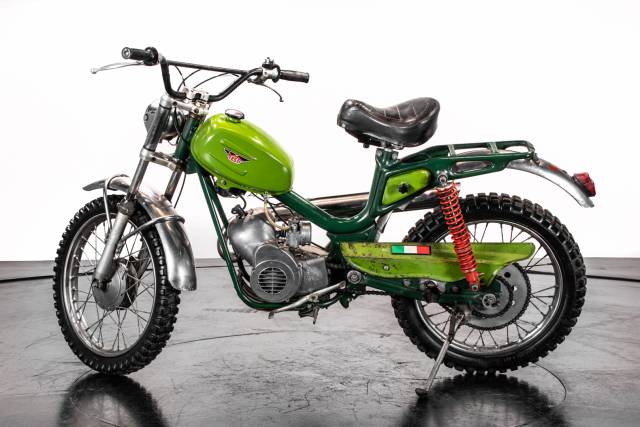
1971 | Testi Trail King
-
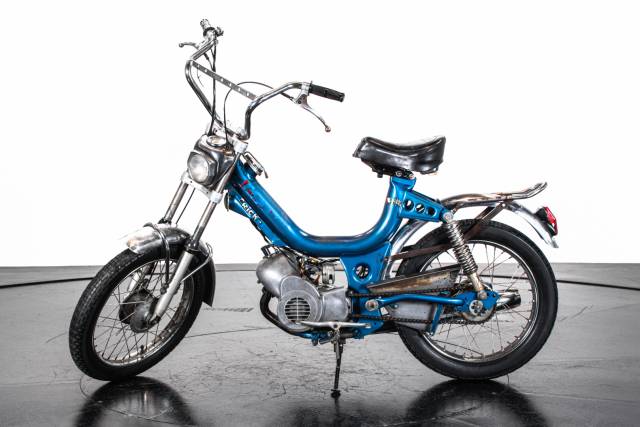
1970 | Testi Cricket 50
-
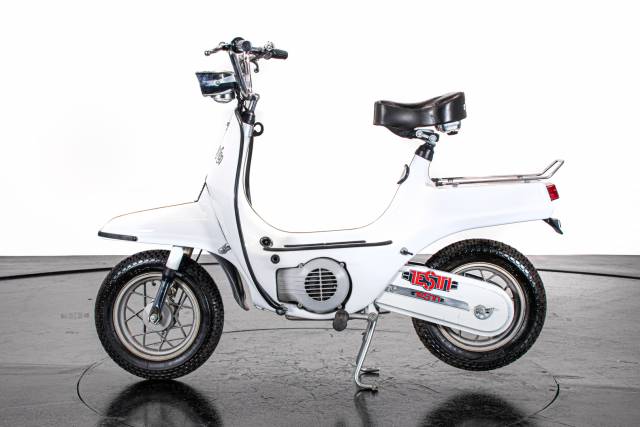
1976 | Testi Amico
-
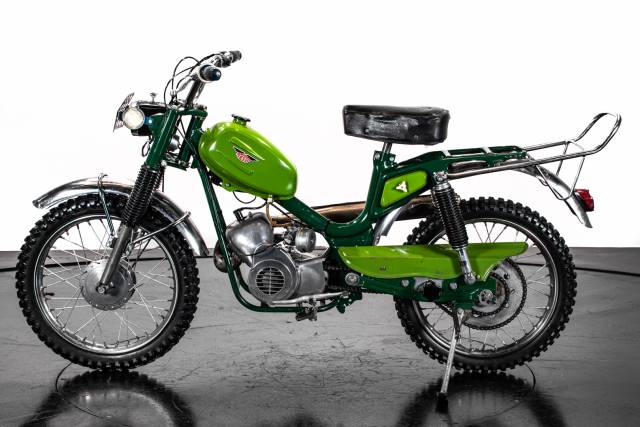
1970 | Testi Trail King
-
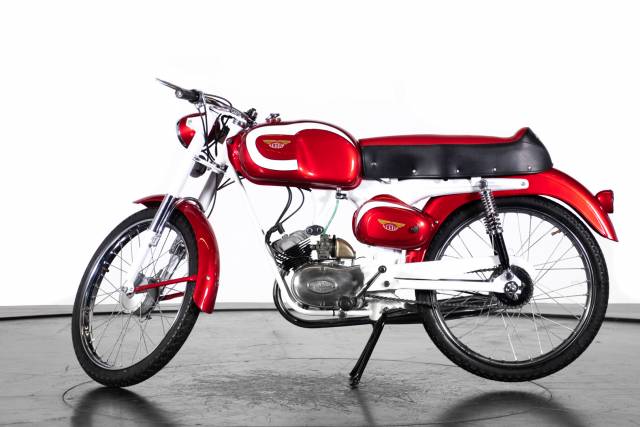
1966 | Testi Champion
-
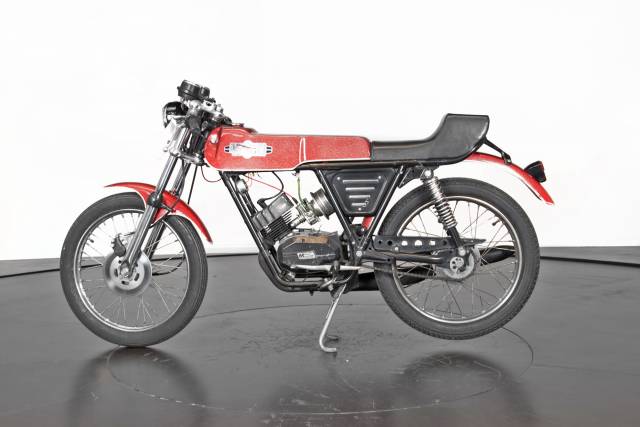
1974 | Testi Champion P4
-
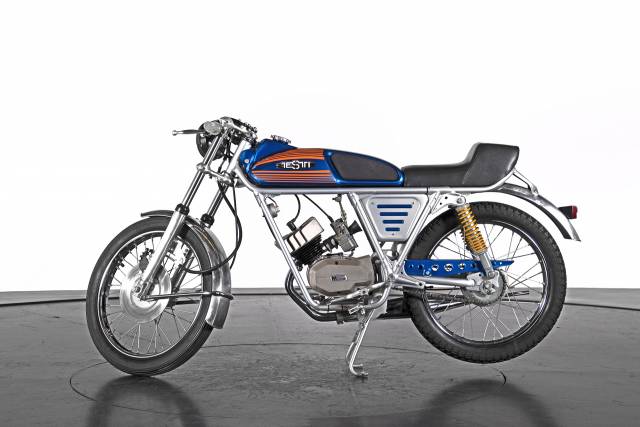
1976 | Testi Champion P4
-
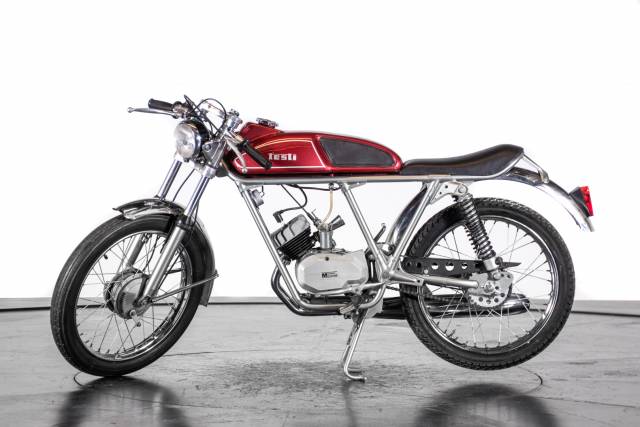
1973 | Testi Champion P4
-
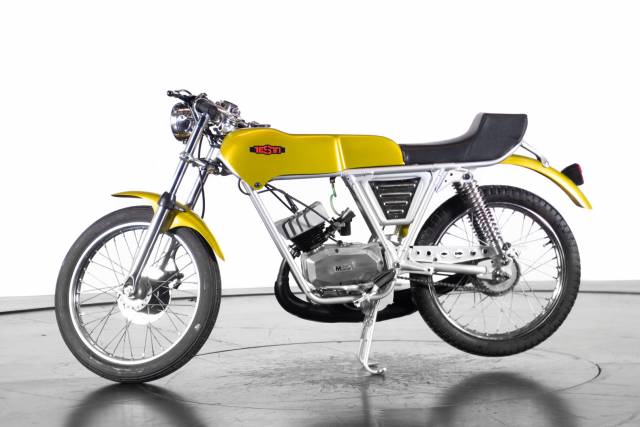
1971 | Testi Champion P4
-
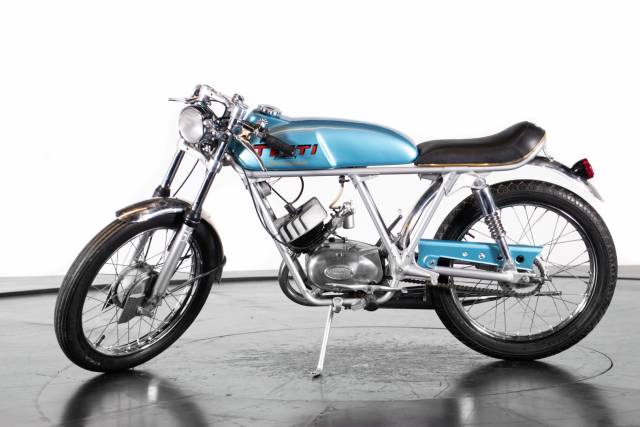
1970 | Testi Champion
-
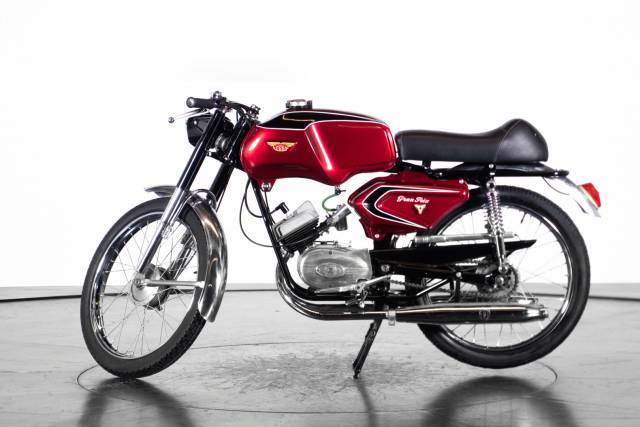
1971 | Testi Grand Prix
-
Create search alert
Let yourself be notified as soon as a listing is published that matches your search filters.
History
Testi is one of those Italian marques that rewards buyers who look beyond the obvious names. The company’s roots go back to Bologna in the interwar years, when Umberto Testi opened a workshop for bicycles in 1934. That origin matters, because the brand’s later motorbikes always carried a cyclist’s sense of lightness and purpose: compact frames, clean lines and a practical eye for everyday use, even when the machines were clearly aimed at spirited riders.
After the Second World War, the transition from bicycle maker to two-wheeled manufacturer followed the wider Italian story. The country needed transport that was affordable, economical and easy to live with, and Testi responded by adding motors to proven bicycle architecture before moving into proper moped and lightweight motorcycle production. By the early 1950s, the brand was already experimenting with small-displacement engines from established suppliers, and that habit of collaboration would define Testi for decades.
The decisive phase came under Erio Testi, Umberto’s son, who took the brand forward with more ambition and a stronger design identity. Erio’s approach was not simply to build another small bike; he wanted vehicles that looked purposeful, felt agile and stood apart from the many anonymous commuters flooding the European market. That philosophy produced the models now most closely associated with the name: the Trail King, the Week End, the Champion family and the Carabo.
For collectors, the Champion is the pivotal Testi line. Introduced in the late 1960s, it gave the brand a sportier image and became the model most often associated with Testi’s best-known export years. The Champion Lusso added a more premium specification, while the Champion Veloce pushed the concept further with more advanced cycle parts and a more integrated body style. Alongside it, the Carabo served riders who wanted the same lightweight engineering with a more off-road or regularity-racing flavour. The Trail King remains one of the most interesting early expressions of the marque’s adventurous streak.
Testi also travelled well. In France, models appeared as Gitane-Testi, connecting the Italian designs to a broader European youth and cycling culture. In Germany, the name Horex-Testi surfaced through licensing and rebranding, a reminder that Testi’s influence extended well beyond its own badge. That export footprint matters today because UK buyers often discover Testi only after exploring these continental variants and their shared mechanical DNA.
By the late 1970s and early 1980s, however, the market was changing fast. Bigger capacities, stricter expectations and a more competitive scooter and motorcycle scene made life difficult for small specialist makers. Testi’s later years were less secure, but the core of the brand’s reputation had already been made: inventive, well-proportioned small bikes with a clear personality.
Highlights
What makes Testi interesting for UK collectors is not just rarity, but the way the machines balance form and function. Many small Italian bikes of the era were competent; Testi was often more expressive.
The Champion family is the most important talking point. These bikes have a compact, sporty stance, a distinctive tank profile and enough visual tension to look faster than they were. That is part of the charm. In period, the Champion felt like a miniature café-racer or sport moped, depending on trim, and that styling has aged well. The later Champion Special and Champion Lusso variants are especially appealing because they offer more equipment and a stronger collector identity.
The Champion Veloce is the outlier in the best possible sense. With its more integrated bodywork and more advanced chassis thinking, it shows how far Testi was willing to push the category. For buyers who like engineering stories, it is the kind of machine that sparks long conversations at shows and club meets.
The Carabo adds a different flavour. It is less about polished road presence and more about dirt, trail work and amateur competition. That matters because UK buyers increasingly value honest, usable classics rather than only pristine restorations. A good Carabo has a tougher, more practical appeal than a highly polished showpiece.
Then there is the Trail King, an early reminder that Testi understood the appetite for light off-road fun long before that became a broad trend. It may not be the fastest or rarest Testi, but it is one of the most historically interesting for collectors who like the first versions of an idea.
From a market perspective, Testi stands out because it is still underpriced relative to its originality. It is not a mass-market Japanese classic, and it is not a widely reproduced Italian mainstream name. That creates a sweet spot: enough scarcity to feel special, but not so much brand heat that every bike is priced beyond reach. For the right buyer, that is exactly where the best opportunities often sit.
Technical Data
Testi built across a range of small-capacity two-strokes and lightweight frames, with much of the interest centred on 49-50 cc machines. The mechanical variety is useful to know because the brand’s collector value often depends on specification as much as badge.
Testi’s technical appeal lies less in raw output and more in packaging. These were light machines with modest horsepower, but the chassis, gearing and general layout aimed to make the most of every rev. On the road, that means they feel eager rather than strained when correctly set up.
The engine supply is important too. Many Testi bikes used Minarelli power units, which helps with parts availability compared with some truly obscure one-off motors. That does not make restoration easy, but it does make ownership more realistic. Standard service components, consumables and some engine parts can be sourced more readily than the model-specific bodywork, badges and cycle parts.
For buyers in Great Britain, one further technical point is worth noting: originality matters more than peak specification claims. On a small classic like a Testi, a machine with the correct engine family, frame details and period-correct components is usually more valuable than a heavily modified example with uncertain provenance.
Market Overview & Buying Tips
The UK market for Testi is thin, but that is exactly why these bikes attract attention when they do appear. They are unusual enough to stand out at auction, yet still accessible enough to tempt collectors who want something different from the usual Italian classics.
Recent UK-market references help define the picture. At H&H’s July 2024 sale at the National Motorcycle Museum, a 1960 Testi Sport was estimated at £2,000-£2,500. At the higher end of the market, Car & Classic listings have shown a 1969 Champion at £4,495 and a 1980 Champion at £4,500. Looking ahead, Bonhams’ 2026 estimate for a c.1980 Champion Special sits at £400-£800, which underlines how condition, completeness and sale context can move values sharply.
That spread tells buyers two things. First, Testi is not a single-price brand: model, condition and originality matter enormously. Second, UK pricing can be inconsistent because the market is small. A presentable rider may sit in the low thousands, while a more desirable or better restored example can push higher if the right buyer is present.
The strongest buying advice is to focus on completeness. Missing Testi-specific parts can be difficult and expensive to replace. Fuel tanks, body panels, lights, model-specific trim, correct badges and proprietary hardware all matter more than they might on a more common classic. Even when mechanical parts are shared with Minarelli-based machines, the cosmetics and cycle parts often decide whether a bike is a good purchase or a time-consuming restoration.
UK registration and V5C checks
For British buyers, the paperwork deserves close attention. A Testi offered with a V5C, matching frame and engine numbers, and a clear trail of prior UK registration is much easier to buy with confidence. If the bike arrives without paperwork, you should assume extra time and cost for identity checks, age verification and registration work.
That is especially important for imported classics and auction bikes. A missing V5C does not automatically kill the deal, but it increases risk. Check whether the machine has been correctly identified as a historic vehicle, whether the numbers are legible and original, and whether the seller can provide supporting documents. On rare Italian bikes, incorrect descriptions can linger for years, so frame and engine numbers should always be treated as primary evidence.
If the bike has been off the road for decades, expect the usual UK administrative questions: does it still qualify as an historic vehicle, are the numbers genuine, and do the documents match the machine? On a Testi, those questions are worth answering before you fall in love with the styling.
What to inspect
- Frame integrity: look for corrosion, old repairs and poorly aligned brackets.
- Engine numbers: confirm they match the paperwork where possible.
- Electrical system: tired wiring, weak charging and improvised repairs are common.
- Bodywork: Testi-specific panels and trim can be the hardest items to source.
- Fasteners and fittings: originality is often lost in small parts, not just big components.
- Engine condition: a Minarelli-based motor may be serviceable, but only if not neglected.
Parts and ownership reality
The good news is that the Minarelli connection helps. The less good news is that Testi itself was a small manufacturer, so brand-specific parts are still the bottleneck. For a UK buyer, that means budgeting for patience. Some jobs can be solved through specialist Italian parts networks, clubs and collector contacts; others will require restoration skill and fabrication.
The UK does have a documented collector following, and that matters. Online comments and enthusiast discussions show there is at least a small but active community tracking the marque, comparing notes and keeping bikes in circulation. In a niche market, that community support can be more valuable than glossy brochures.
Performance
Riding a Testi is less about outright speed and more about the feel of a well-proportioned lightweight machine. These bikes were built to be alert, compact and responsive, and that is exactly what they still deliver when properly restored.
At modest speeds, a good Testi feels neat and lively. The steering is typically light, the riding position purposeful, and the whole bike seems designed to make small roads feel engaging. That is one reason these machines still appeal to riders who want a classic that can be enjoyed rather than merely displayed.
The Champion is probably the best example of this personality. It has enough sport styling to feel exciting at a standstill, but on the road it is the balance of chassis and engine response that matters most. A well-sorted bike will pull cleanly through the gears and feel happy in town or on quiet B-roads, where its compact dimensions make it easy to place.
The Champion Veloce adds a more sophisticated sense of control. Its stronger spec and more integrated form make it one of the most appealing Testi rides for a buyer who wants a machine with both show value and genuine road interest.
The Carabo and Trail King sit closer to the utility and light off-road side of the spectrum. They suit riders who enjoy an upright, slightly rougher-edged classic experience. These are not big-power machines, but they can still feel satisfying because they are honest about what they are.
On the road, the key is to avoid expecting modern acceleration or braking. Testi’s charm lies in its period-accurate response: mechanical, light, direct and slightly intimate. If you want a classic that rewards a smooth rider, a Testi can be immensely engaging.
Design
Testi design is where the brand becomes memorable. Even the more modest models have a clear visual identity, and the best ones look as though the styling brief was written by someone who understood both bicycles and competition machines.
The most successful Testi bikes share a low, agile silhouette. Tanks are often sharply shaped, seats are slim, and bodywork is used sparingly but intelligently. There is very little visual bulk, which helps the machines look quicker than they are. That is particularly true of the Champion range, where the proportions create a miniature performance-bike effect without falling into caricature.
The Champion Lusso and Champion Special broaden that appeal with more equipment and more of a finished, premium look. They are the versions UK buyers tend to respond to most strongly because they combine rarity with a usable level of specification.
The Carabo takes the opposite route and leans into rugged intent. Its more outdoor-minded details give it a practical charm, and the design reads as function first rather than ornament. For some collectors, that is the more authentic Testi story.
One of the strongest design themes across the marque is restraint. Testi rarely overdecorated its machines. Instead, it used line, proportion and stance to communicate the idea. That makes original examples particularly appealing, because even small changes in trim or paint can alter the bike’s personality.
For UK collectors, this is where restoration choices become critical. A sympathetic repaint can be acceptable, but heavy customisation often erases what makes a Testi worth owning. If you want the bike to feel right, keep the factory logic intact.
Other
Testi’s wider story is also a reminder that small Italian makers often lived through partnerships, exports and badge variations. The Gitane-Testi connection in France is a strong example: the same basic engineering found another audience through a different national identity. For collectors, that opens an interesting question. Do you want the Italian original, or are you equally happy with one of the export variants that tell the same story in a different accent?
The Horex-Testi link in Germany is equally important. It shows how a respected old name could be revived around imported or licensed small-capacity machines, and it gives Testi another layer of European collector relevance. UK buyers who like the history of badge engineering, licensing and cross-border model life will find this especially rewarding.
There is also a broader mod-culture appeal in Britain. Lightweight Italian two-strokes and sporty small bikes fit naturally into the same social world that values style, individuality and mechanical expression. Testi is not a mainstream British mod icon in the way some scooters are, but it has the right visual cues: compact stance, crisp detailing and enough edge to stand apart from standard commuter fare.
That makes it a credible choice for someone who wants a show bike with subculture credibility, not just a museum piece. At events, a Testi tends to start conversations precisely because it is unfamiliar. In a crowded field of Honda, Yamaha and Vespa classics, that difference has real value.
Summary
Testi is a niche make, but a serious one. For UK buyers, the attraction lies in the combination of rarity, Italian design intelligence and a market that still offers usable entry prices if you buy carefully. The brand’s best-known machines — the Champion, Champion Lusso, Champion Special, Champion Veloce, Carabo and Trail King — each represent a different side of the same story: light, distinctive, mechanically honest and unmistakably individual.
The British market evidence is encouraging. Auction and listing data show that values exist from the low thousands into the mid-£4,000s depending on model and condition, while the 2026 Bonhams estimate suggests that some examples remain surprisingly affordable. The key is not simply to find a Testi, but to find the right one: complete, correctly documented and as original as possible.
If you are buying in the UK, pay close attention to the V5C, the frame and engine numbers, and the availability of model-specific parts. A good Testi can be a rewarding collector purchase, but a badly incomplete one can quickly become a parts hunt. Choose carefully, and you get a rare Italian small bike with genuine character and a market personality all of its own.
Buy Testi motorcycles on Classic Trader and discover rare UK-market opportunities now.