- Motorcycle
- Kawasaki
- Kawasaki Z 900 (1 offer)
Kawasaki Z 900 classic bikes for sale
The Kawasaki Z 900 stands as a true big-bore inline-four from the 1970s, renowned for its impressive performance, robust engineering, and status as a sought-after collector’s bike. Produced from the early to mid-1970s, the Z 900 combined tourability with power, making it a technical milestone and a favourite among enthusiasts today.
Search results
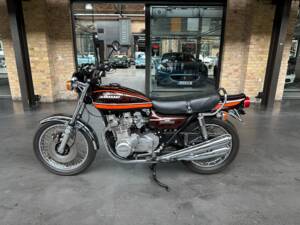
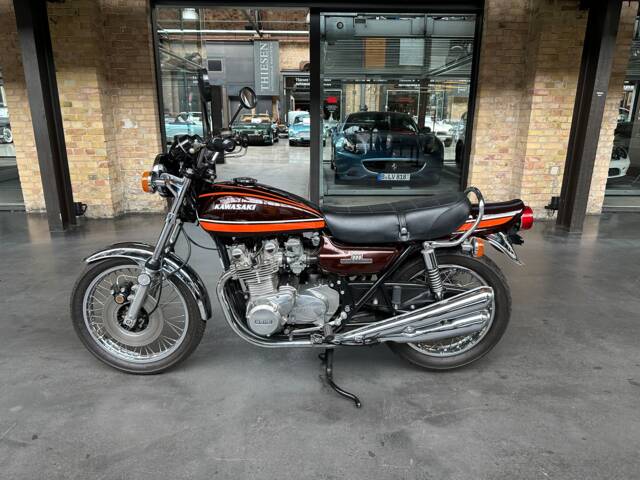
1975 | Kawasaki Z 900
collection condition

Kawasaki Z 900 listing references from Classic Trader
Below you will find listings related to your search that are no longer available on Classic Trader. Use this information to gain insight into availability, value trends, and current pricing for a "Kawasaki Z 900" to make a more informed purchasing decision.
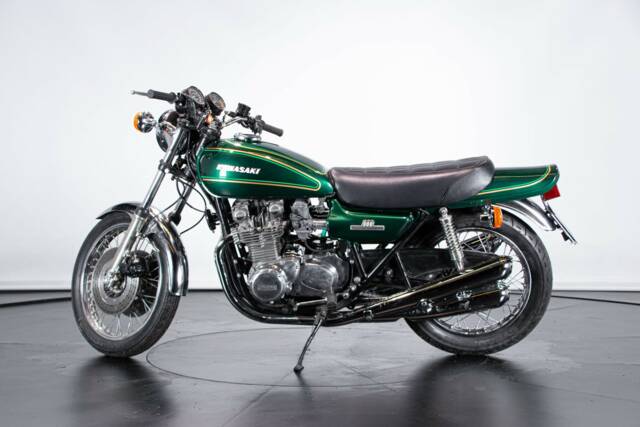
1976 | Kawasaki Z 900
2025-02-17 15:50:49 | Kawasaki Z900

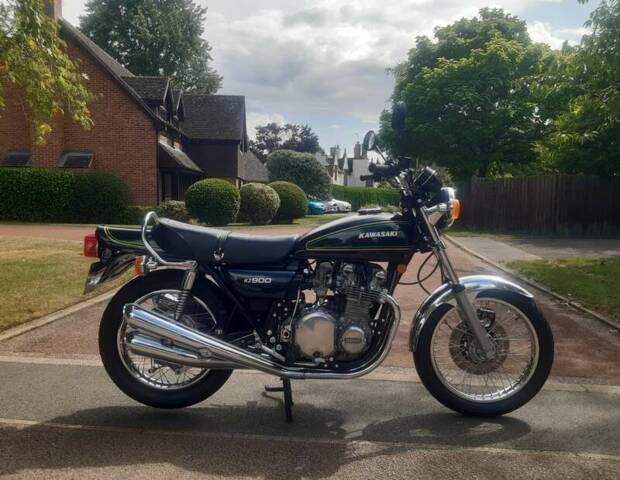
1977 | Kawasaki Z 900
1977 Kawasaki KZ 900 A4 903cc

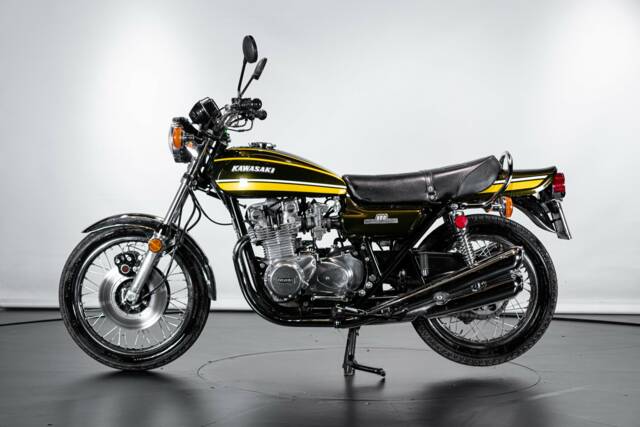
1975 | Kawasaki Z 900
-
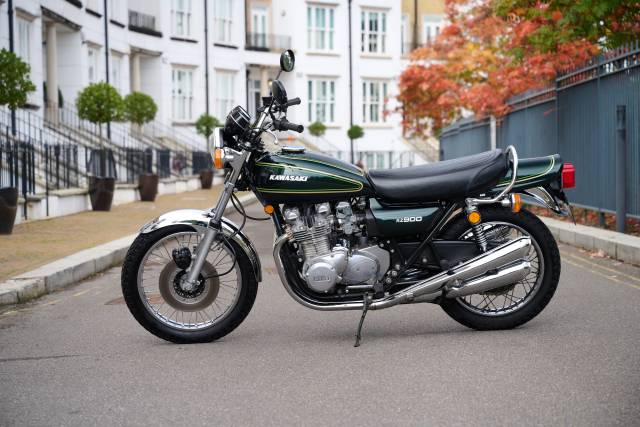
1975 | Kawasaki Z 900
Stunning KZ900 stunning Bike
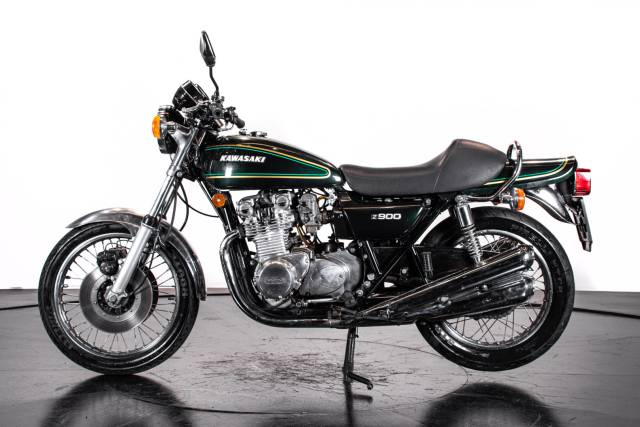
1976 | Kawasaki Z 900
-
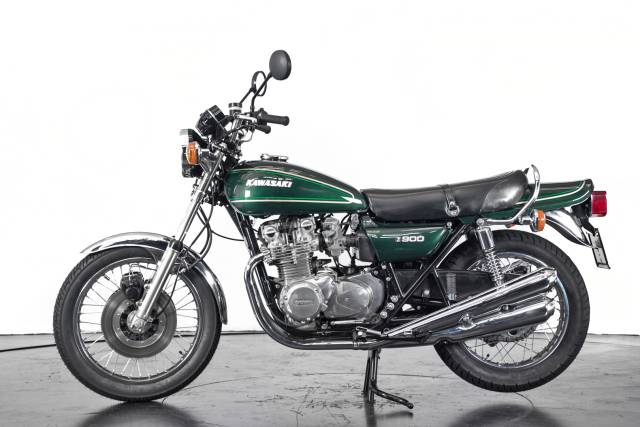
1977 | Kawasaki Z 900
-
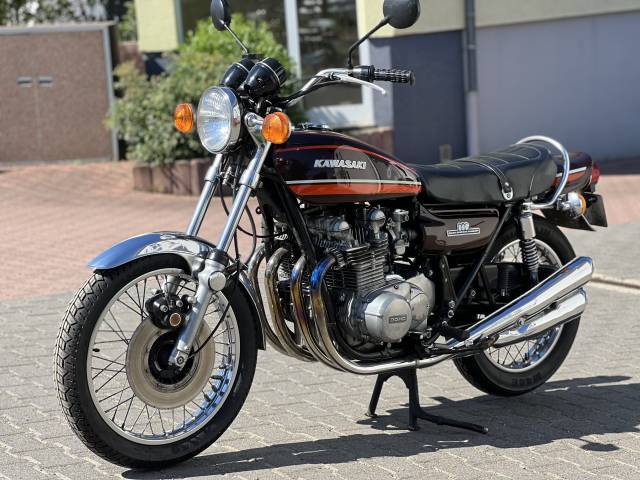
1974 | Kawasaki Z 900
Unrestored Z1A
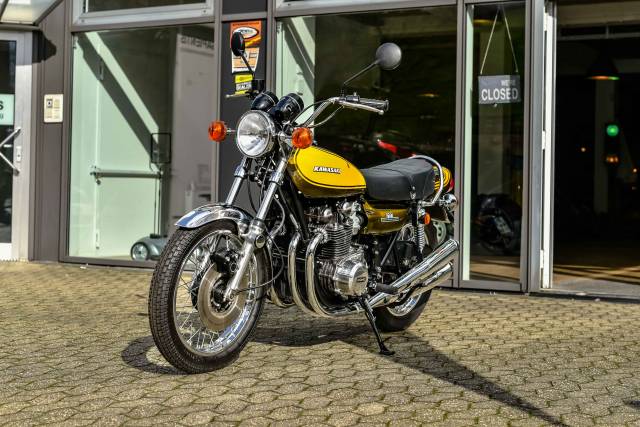
1973 | Kawasaki Z 900
Kawasaki Z 1 900 kompletter Neuaufbau mit 0 km Laufleistung aus 2. Hand einzig
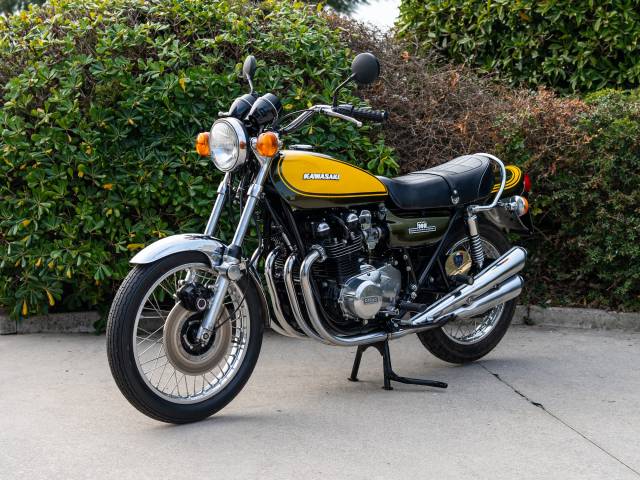
1973 | Kawasaki Z 900
Gold ASI Bike, concours condition
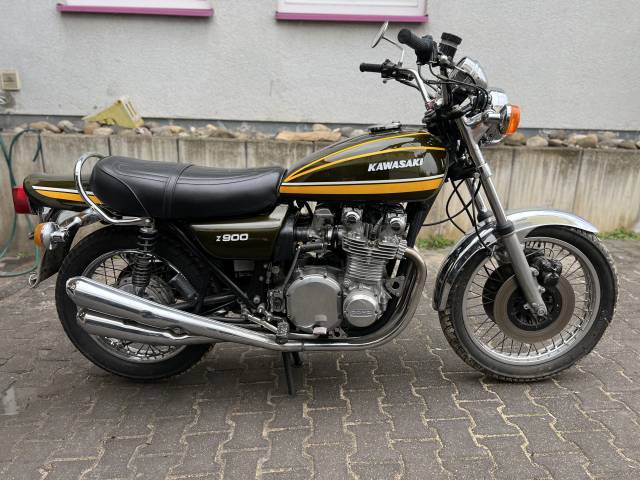
1976 | Kawasaki Z 900
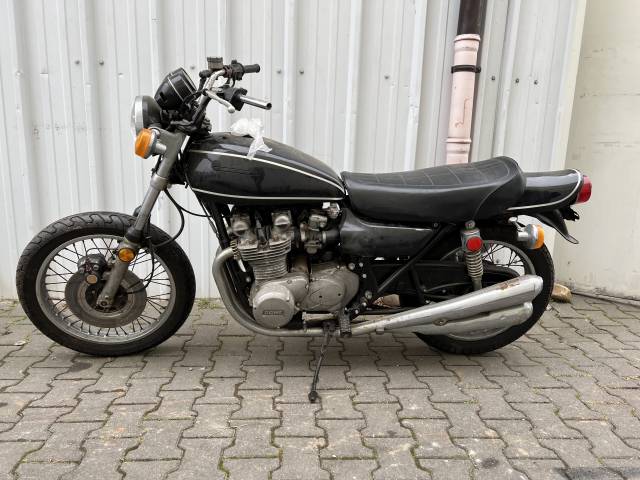
1975 | Kawasaki Z 900
Z1B Project
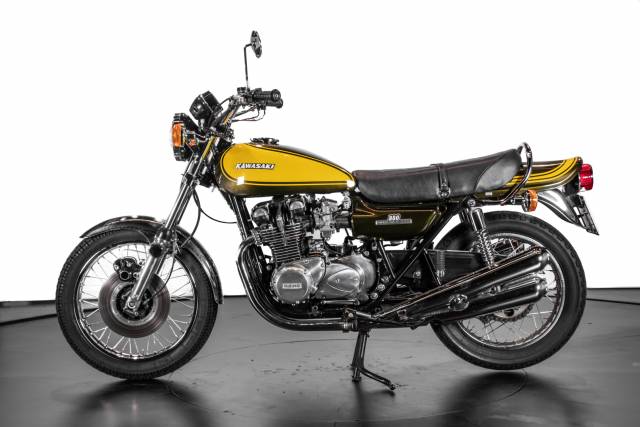
1973 | Kawasaki Z 900
-
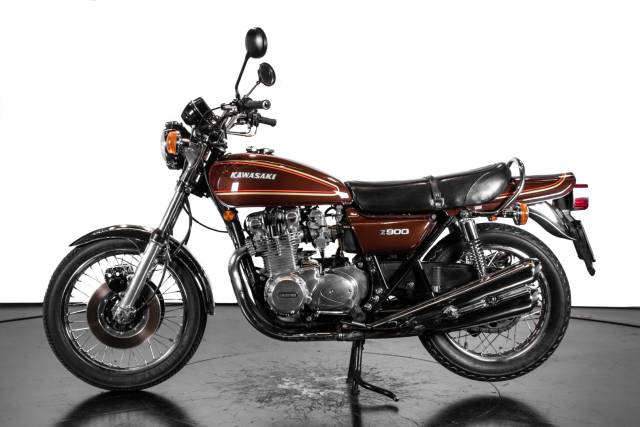
1976 | Kawasaki Z 900
-
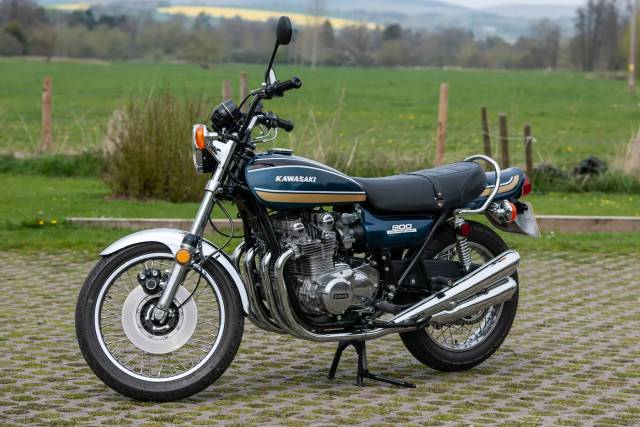
1975 | Kawasaki Z 900
Legendary - Just 60 Miles!
Kawasaki Z 900 Classic Motorbikes: Prices & Market Values
The market value of Kawasaki Z 900 motorcycles is primarily determined by technical condition, originality, and mileage, as well as rarity, history, and documentation. A well-maintained, largely original vehicle with low, verifiable mileage and a complete history including expert reports and documentation generally achieves significantly higher prices than a comparable vehicle with deferred maintenance, extensive modifications, or an unclear provenance.
Kawasaki Z 900: Market Prices & Value Trends
Based on sales data from the Classic Trader marketplace, Kawasaki Z 900 prices (mainly 1973–1977 bikes around 79–85 hp) have shown a generally firm to rising trend over the period from early 2021 to late 2025. Early data points include several lower-priced examples around £4,000–£6,000, but these appear to be the exception rather than the norm. Across recent years, most market activity clusters in the mid-teens to low-£20,000s, with stronger 2024–2025 results frequently landing above £16,000 and reaching the mid-£20,000s. A realistic current market range is therefore roughly £12,000 to £22,000, with top-condition, well-documented early bikes (notably 1973–1975) occasionally stretching higher. In Europe, repeated German and Italian entries indicate steady cross-border demand. For buyers, this suggests a comparatively tight market where originality, restoration quality and provenance drive price more than small year-to-year specification differences, supporting continued stability and selective appreciation.
History of the Kawasaki Z 900
The Kawasaki Z 900 owes its development to a bold engineering strategy in the late 1960s. Under the codename “New York Steak,” Kawasaki’s ambitions were fuelled by the emergence of the Honda CB750, which had set new benchmarks in the motorcycle world. Determined to outclass its competitor, Kawasaki developed an air-cooled, inline-four engine with a displacement exceeding 750cc, ultimately settling at 903cc. Ben Inamura, who brought experience from Meguro, oversaw the design. Production began with the Z1 series around 1972/1973, and these models quickly became synonymous with both reliability and cutting-edge technology at the time. The Z 900 series played a foundational role in establishing the era of the 1970s superbike and has left a lasting mark on the motorcycle landscape.
Model History
The Z 900 debuted as the Z1 and continued through several iterations until 1976. After 1976, it evolved into the KZ900, recognisable by changes such as a new carburettor bank. Earlier focus at Kawasaki had been on two-stroke engines, but the Z 900’s success established Kawasaki’s reputation in four-stroke engineering. Chassis numbers often began with 'Z1F'. The Z 900’s international presence, including significant import volumes into markets like the USA and Italy, further cemented its worldwide legacy. The model’s direct successor was the KZ1000, which took the big-bore Kawasaki tradition even further.
Highlights and Features
The Kawasaki Z 900 impressed the motorcycle world with its air-cooled, inline-four, four-stroke engine producing substantial power and superb reliability. It catered to riders seeking both strong straight-line performance and mile-eating touring capability. The classic tank shape and minimalistic cowling remain distinguishing traits. The Z 900 was also among the first motorcycles globally recognised as a true 'superbike,' celebrated not only for speed but also robustness and longevity.
Technical Data
Special Editions and Collectible Models
While the primary run includes the early Z1 (1972/1973) and subsequent Z 900 KZ iterations, some limited export editions and early chassis numbers featuring distinctive colour schemes or minor equipment variations are particularly sought after by collectors. Restored and first-paint examples, as well as those still retaining their factory configurations, can fetch higher market values due to their authenticity.
Engine, Performance, Transmission and Handling
Driven by its robust four-cylinder double overhead cam engine, the Z 900 was renowned for smooth yet muscular acceleration. With a 5-speed transmission, the bike provided flexibility for both touring and dynamic road use. Suspension and chassis were advanced for the time, delivering stable yet responsive handling, especially considering its weight and aims as a superbike. Many surviving machines remain accident-free and are praised for their reliability even today. Key models include the initial Z1 from 1972/1973, Z 900 models from 1974 and 1976, and the transitional KZ900. Each model carries distinct appeal—early Z1s for historic significance, later KZ900s for technical updates.
Design, Comfort and Equipment
Tank and bodywork styling embody the 1970s motorcycle aesthetic with a focus on clear lines, minimal fairings, and ergonomic seating. The Z 900 featured high-quality materials for its era, chrome detailing, and classic Kawasaki liveries in signature paint schemes. Dealer and aftermarket accessories ranged from fairing packages to luggage, often aimed at boosting comfort for long-distance rides while preserving the machine’s mechanical purity. Original switches, instruments, and badges are especially prized during restoration.
Other Features
Parts supply remains good due to dedicated aftermarket production, but original components such as carburettors and tinware are becoming increasingly rare and are more desirable among purists. Most examples available for sale today are TÜV approved and road-ready, making them attractive for riders and collectors alike.
Summary
The Kawasaki Z 900 represents the zenith of 1970s superbike engineering, blending raw performance with the endurance needed for long runs. Its status as a market-defining motorcycle—supported by dominant supply and demand figures—ensures enduring fascination among motorcycle enthusiasts. With a solid reputation for reliability, ample spares support, and a design that exemplifies its era, the Z 900 is a staple in any serious classic motorcycle collection.