- Motorcycle
- Kawasaki
- Kawasaki H1 500 Mach III (0 offers)
Kawasaki H1 500 Mach III classic motorbike for sale
The Kawasaki H1 500 Mach III, fitted with a robust 500cc triple two-stroke engine, set benchmarks in the 1970s for power and acceleration. Its distinct paintwork, authentic Japanese chrome, and standout technical features give this bike an unmistakable character, making it a highlight for connoisseurs and collectors alike.
Search results
Currently, there are no matching listings for your search.
Create search alert
Let yourself be notified as soon as a listing is published that matches your search filters.
Create listing
Do you have a Kawasaki H1 500 Mach III that you want to sell? Then create a listing now.
Create listingKawasaki H1 500 Mach III listing references from Classic Trader
Below you will find listings related to your search that are no longer available on Classic Trader. Use this information to gain insight into availability, value trends, and current pricing for a "Kawasaki H1 500 Mach III" to make a more informed purchasing decision.
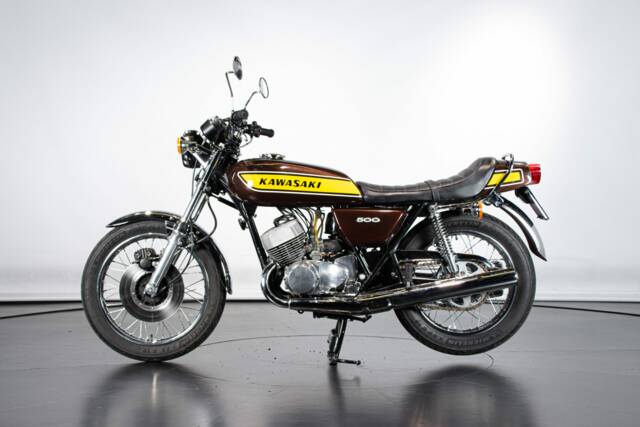
1976 | Kawasaki H1 500 Mach III
Kawasaki H1 500 MACH III

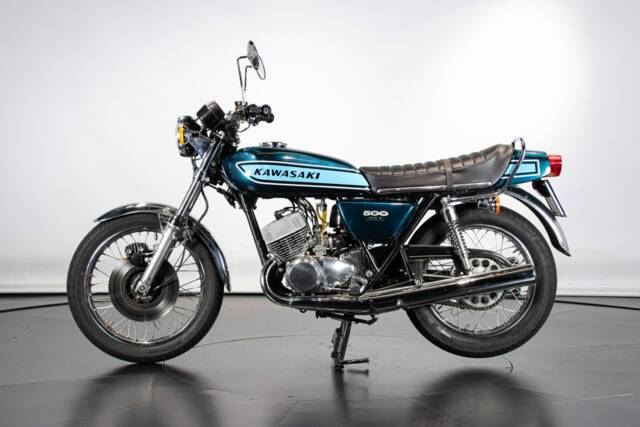
1976 | Kawasaki H1 500 Mach III
Kawasaki H1 500 MACH III
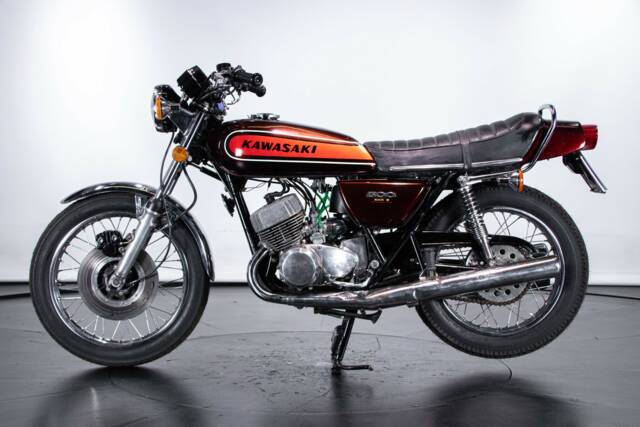
1975 | Kawasaki H1 500 Mach III
Kawasaki H1 500 MACH III
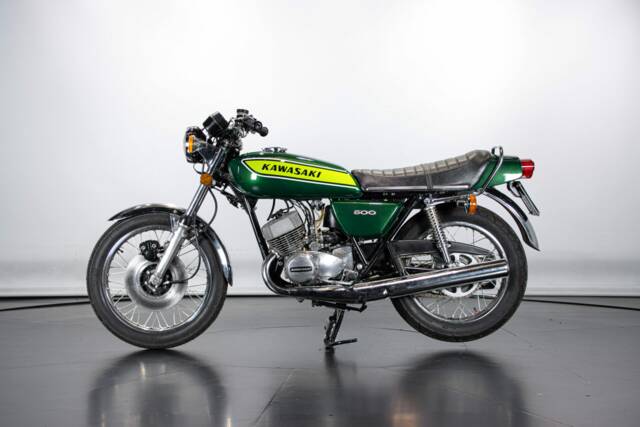
1973 | Kawasaki H1 500 Mach III
Kawasaki H1 500 MACH III
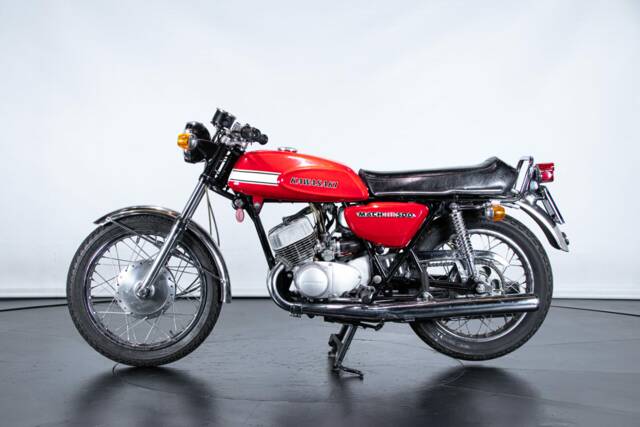
1970 | Kawasaki H1 500 Mach III
Kawasaki MACH III 500
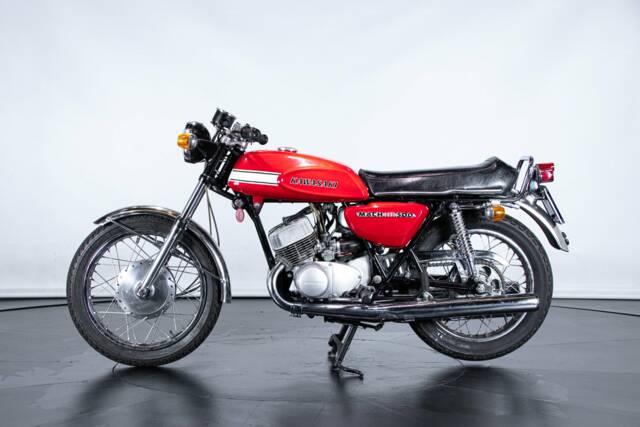
1970 | Kawasaki H1 500 Mach III
-
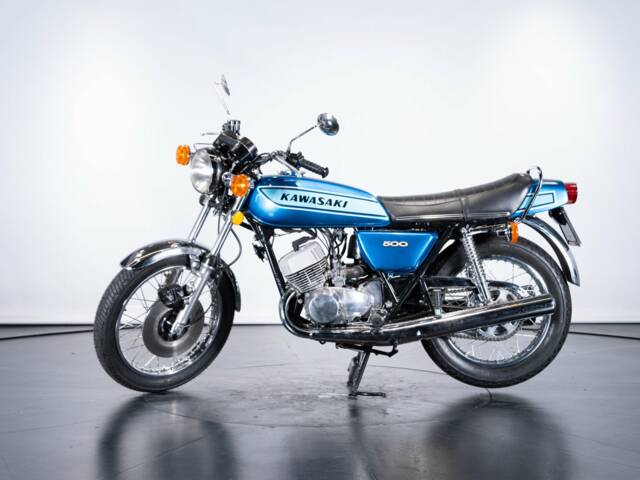
1975 | Kawasaki H1 500 Mach III
<p>PRESENTE PAD. 12 STAND D 06 - FIERA MILANO AUTOCLASSICA - 15-16-17 NOVEMBRE</p>
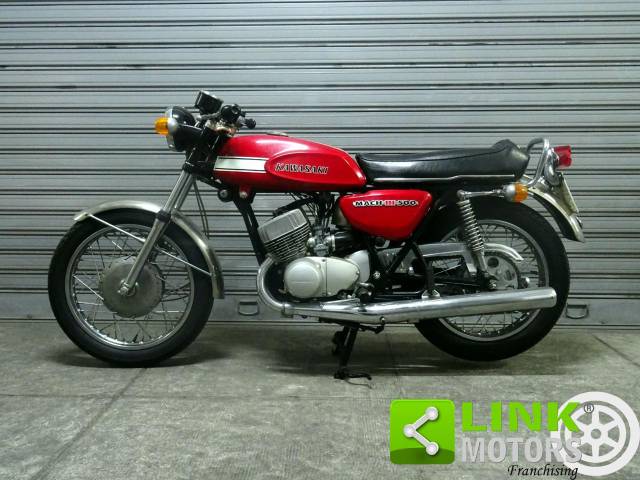
1970 | Kawasaki H1 500 Mach III
KAWASAKI 500 H1 MACH III (1970) PIRMA SERIE
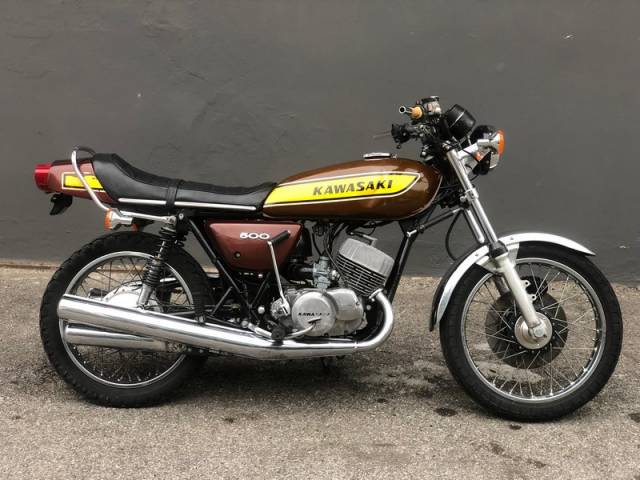
1970 | Kawasaki H1 500 Mach III
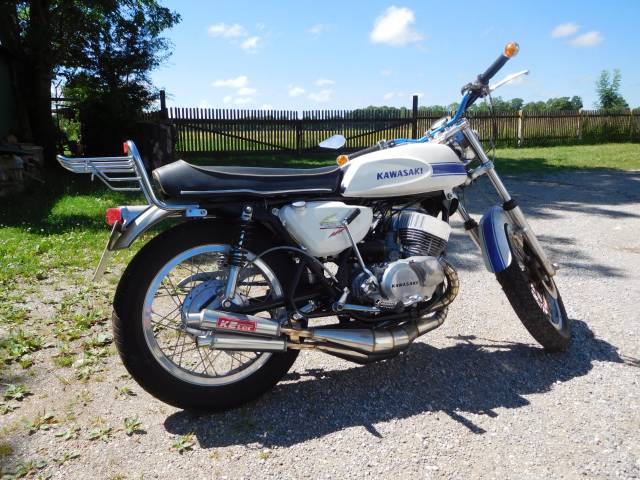
1969 | Kawasaki H1 500 Mach III
Restauriertes Motorrad

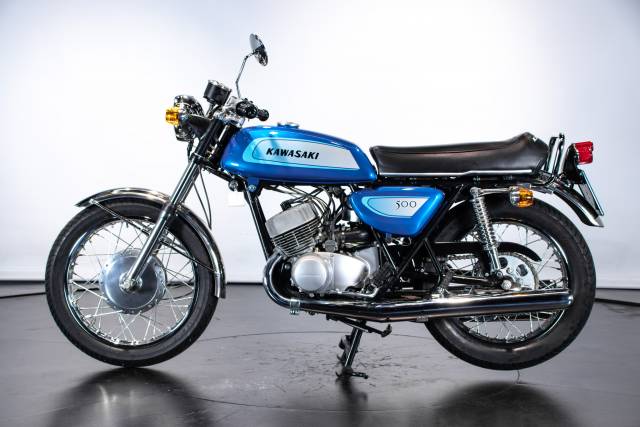
1971 | Kawasaki H1 500 Mach III
-
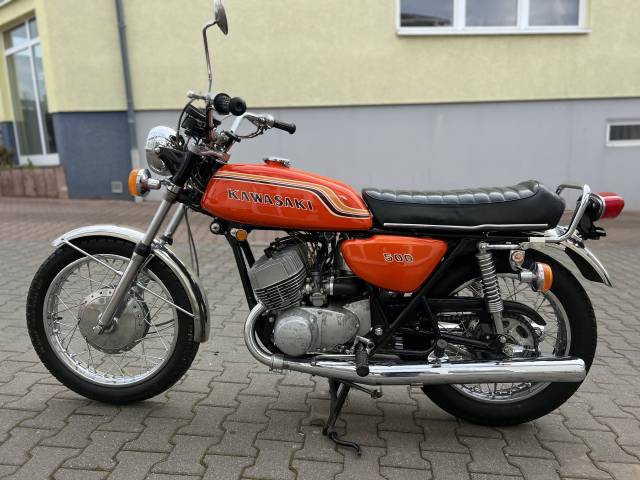
1972 | Kawasaki H1 500 Mach III
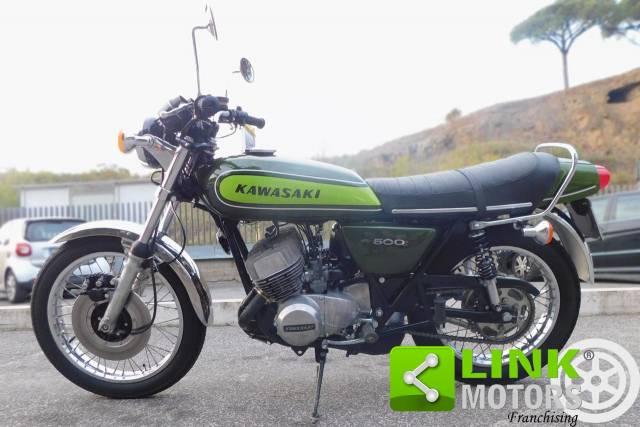
1974 | Kawasaki H1 500 Mach III
KAWASAKI H1E 500 Mach III Anno 1974 FMI
Create search alert
Let yourself be notified as soon as a listing is published that matches your search filters.
Create listing
Do you have a Kawasaki H1 500 Mach III that you want to sell? Then create a listing now.
Create listingKawasaki H1 500 Mach III Classic Motorbikes: Prices & Market Values
The market value of Kawasaki H1 500 Mach III motorcycles is primarily determined by technical condition, originality, and mileage, as well as rarity, history, and documentation. A well-maintained, largely original vehicle with low, verifiable mileage and a complete history including expert reports and documentation generally achieves significantly higher prices than a comparable vehicle with deferred maintenance, extensive modifications, or an unclear provenance.
Kawasaki H1 500 Mach III: Market Prices & Value Trends
Based on Classic Trader marketplace sales data from February 2021 to December 2025, the Kawasaki H1 500 Mach III (typically 1969–1976, around 60 hp) shows a broadly stable market with a slight firming at the upper end in the most recent observations. Most recorded prices cluster in the mid-four-figure to low-five-figure bracket, suggesting consistent demand for usable, correctly presented bikes rather than sharp boom-and-bust swings. Excluding the occasional high outlier close to £18,800, a realistic current market range is roughly £7,500 to £13,500, with the strongest money generally associated with earlier H1 examples, higher-quality restorations, and more complete provenance. Recent European entries (notably Italy, plus some Germany, the Netherlands and the UK) underline the model’s cross-border appeal. For today’s buyers, that means good bikes remain attainable, but standout machines command a clear premium as collectors continue to value the H1’s iconic two-stroke character and period performance.
History of the Kawasaki H1 500 Mach III
Launched at the tail end of the 1960s and continuing into the 1970s, the Kawasaki H1 500 Mach III marked a turning point in Japanese motorcycle engineering. Kawasaki developed the H1 series as a direct response to the growing demand for high-performance street motorcycles. The model gained immediate attention due to its 500cc three-cylinder two-stroke engine, which surpassed most contemporaries in terms of sheer acceleration and mid-range punch. The H1 was born in a period of transition, as global motorcycle manufacturers were shifting from traditional four-stroke configurations to embrace the more aggressive performance potential of two-stroke engines.
Model history of the Kawasaki H1 500 Mach III
The original H1 500 Mach III was introduced in 1969. Early European models, until 1970, were equipped with contact break points instead of electronic ignition, while American H1C versions from 1971 onwards featured a CDI ignition system for more reliable spark generation. The H1 500 would soon set the groundwork for larger capacity triples like the H2 750 Mach IV. Manufacturing refinements through its production period included improvements to frame design, suspension, and brakes. The Mach III was eventually succeeded by more advanced models, yet retains its unique place in Kawasaki's lineage as the first genuinely high-performance Japanese superbike.
Highlights of the Kawasaki H1 500 Mach III
The H1 500 Mach III stands out through its raw engine power, especially at a time when most motorcycles delivered significantly less torque and horsepower. The triple-cylinder two-stroke layout gave riders explosive acceleration and a thrilling riding experience. The frame is powder coated for durability, and the model is frequently found with original or period-correct Mikuni carburettors, factory-correct paint schemes such as Candy Red and Candy Sky Blue, and authentic chromed Takasago rims. Restorations often maintain original Stanley lighting and period brake setups, including both the classic drum and later upgraded double-disc brakes. Its share in both supply and demand statistics stands at 100% within our Kawasaki listings, confirming it as a focal point for enthusiasts seeking this model.
Technical Data
Special Editions and Collectible Models
Among the production range, notable differentiation exists between early European models and the US-spec H1C from 1971 onwards due to ignition upgrades and market-specific paint schemes. Collectors value bikes with original Candy Red or Candy Sky Blue finishes, correct Mikuni carburettors, and original Stanley lighting and Takasago wheels. Rare, unrestored bikes with complete original specification or comprehensive professional restorations in the authentic 'factory look' are particularly sought-after within the small, dedicated enthusiast community.
Weak Spots and Common Issues
Frequent points of inspection for the H1 500 Mach III centre around the ignition system—early Euro models without CDI are more maintenance-intensive. The original drum brakes require careful adjustment and inspection, and ageing wiring may demand expert repair to stay safe and reliable. Modern upgrades have often replaced steering ball bearings with tapered roller items and drum shocks with contemporary replicas for improved handling. Check for corrosion or pitting on chromed parts, particularly on Takasago rims and exhausts, and ensure the carburettors have been properly ultrasonically cleaned with genuine replacement parts.
Engine and Performance, Transmission and Handling
The 500cc engine delivers exceptional power characteristics for a two-stroke triple—rapid throttle response, strong midrange, and a notable surge in acceleration when the revs climb. Combined with a lightweight frame and sharp geometry, the H1 delivers a highly agile yet demanding ride, typical of high-powered 1970s two-strokes. Performance is contingent on precise carburation and ignition timing. Original drum brakes on early examples provide moderate stopping power; many have been retrofitted with twin front discs for more confident braking. Original Dunlop TT100 tyres contribute to period-correct handling traits. - H1 500 Mach III early 'Euro' with points ignition
- H1C US-spec with CDI ignition All variants share the 500cc triple engine, powder-coated frame and period-specific technical specifications, making them distinct and memorable riding machines for experienced enthusiasts.
Interior, Comfort, Exterior and Design
Distinctive Japanese 1970s styling defines the Mach III: a narrow candy-coated fuel tank, short seat with period-correct upholstery, and original Stanley headlight and taillight. Much of the chrome trim, including guards and chaincase, has been restored or carefully reproduced. Accessories such as Takasago chromed rims with stainless spokes and cockpit with original clocks add to the authentic look and feel. Bright-period graphics and meticulous restorations to factory paint standards set this model apart visually. Comfort remains basic, reflecting the athletic intentions of this motorcycle.
Other relevant features
Numerous examples have undergone full or partial mechanical overhauls, including new or restored exhausts, rebuilt carburettors, new brake systems, and professional reupholstery of seats. Many H1s are offered with professional cleaning of the tank interior, fuel taps, and fully restored looms. Detailed maintenance records and exacting attention to originality—from instrument dials to period handles and cabling—are characteristic for well-maintained examples.
Summary
The Kawasaki H1 500 Mach III redefined what was possible for production motorcycles in the early 1970s. Its explosive power delivery, advanced (for the period) two-stroke technology, and singular design ensure it remains a compelling choice among classic motorcycle aficionados. With a full share of both supply and demand in Classic Trader's database, the H1 500 Mach III enjoys continued attention from genuine enthusiasts, making it a focal point in the world of vintage Japanese motorcycles.