- Motorcycle
- Kawasaki
- Kawasaki GPz 900 R Ninja (0 offers)
Kawasaki GPz 900 R Ninja classic motorcycles for sale
The Kawasaki GPz 900 R Ninja shook up the world of sports motorcycles in the late 1980s, boasting a water-cooled DOHC inline four-cylinder engine, a distinctive full fairing, and robust mechanical components. Today, enthusiasts value the model for its technical innovations and potential for classic vehicle registration.
Search results
Currently, there are no matching listings for your search.
Create search alert
Let yourself be notified as soon as a listing is published that matches your search filters.
Create listing
Do you have a Kawasaki GPz 900 R Ninja that you want to sell? Then create a listing now.
Create listingKawasaki GPz 900 R Ninja listing references from Classic Trader
Below you will find listings related to your search that are no longer available on Classic Trader. Use this information to gain insight into availability, value trends, and current pricing for a "Kawasaki GPz 900 R Ninja" to make a more informed purchasing decision.
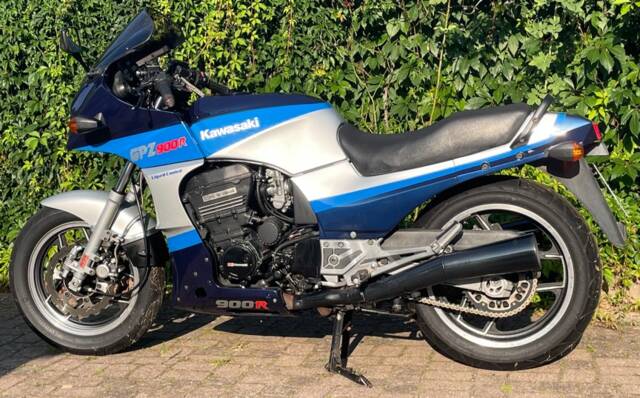
1987 | Kawasaki GPz 900 R Ninja
Du willst fahren dann genieße die TOP GUN NINJA

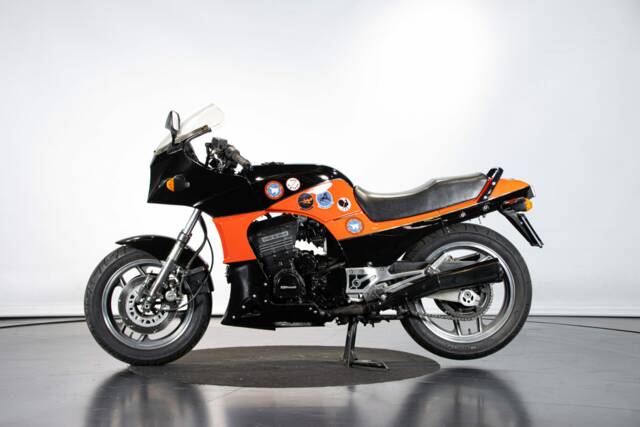
1984 | Kawasaki GPz 900 R Ninja
Kawasaki GPZ 900 REPLICA "TOP GUN"

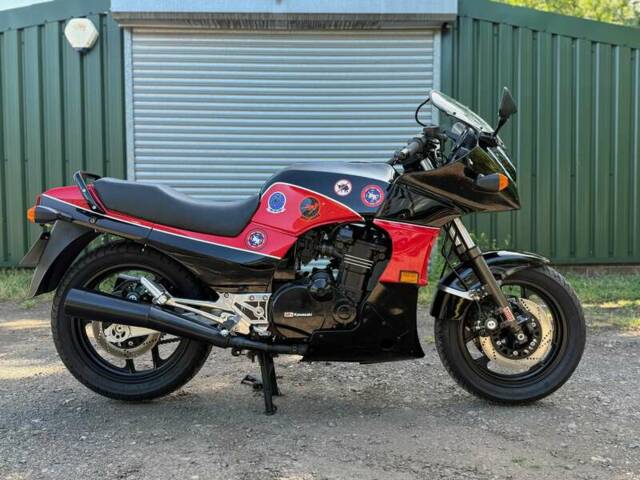
1984 | Kawasaki GPz 900 R Ninja
1984 Kawasaki GPZ900 'Top Gun' Replica 908cc

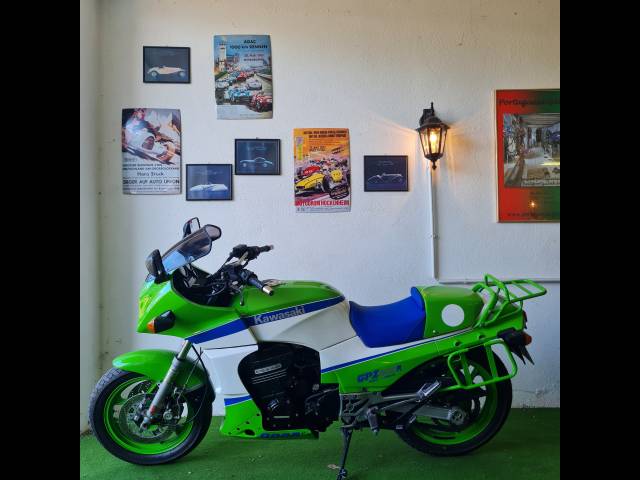
1986 | Kawasaki GPz 900 R Ninja
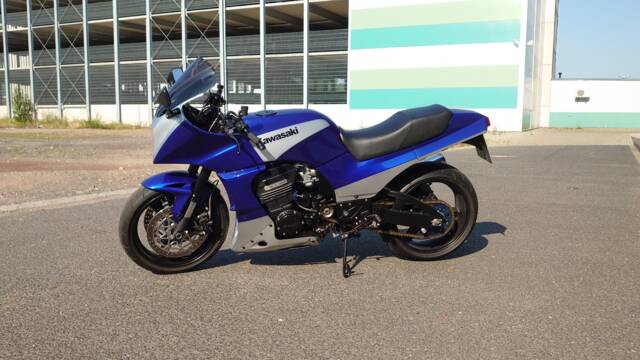
1988 | Kawasaki GPz 900 R Ninja
Renovation & Modernisation to state-of-the-art Superbike by Sport Evolution
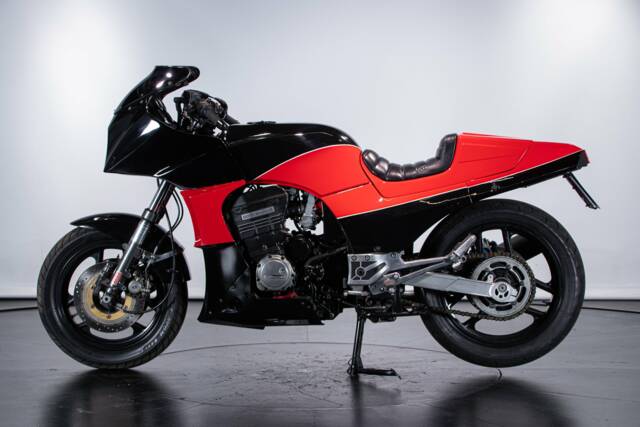
1984 | Kawasaki GPz 900 R Ninja
-
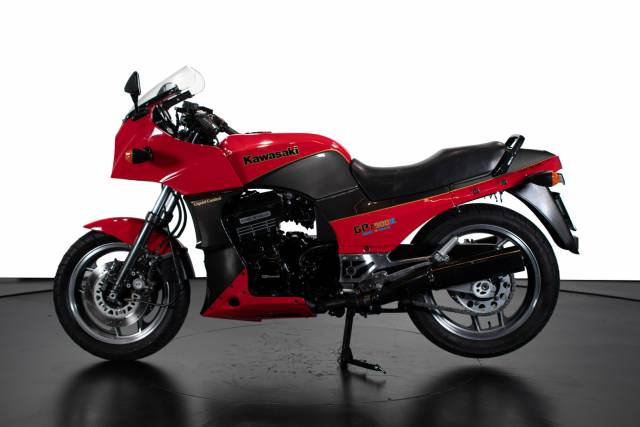
1984 | Kawasaki GPz 900 R Ninja
-
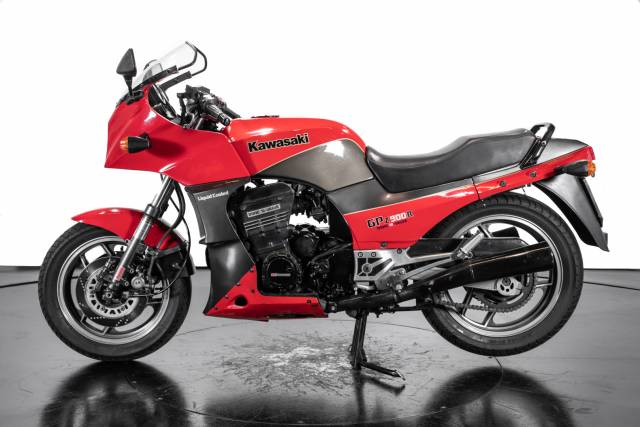
1984 | Kawasaki GPz 900 R Ninja
-
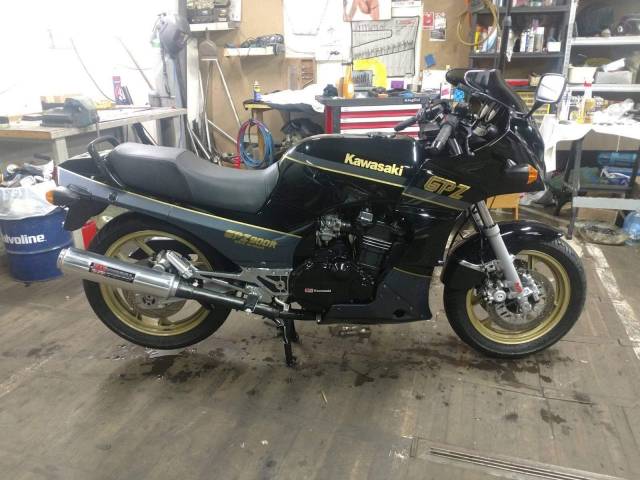
1989 | Kawasaki GPz 900 R Ninja
Special Edition mit Yoshimura 4-1 Komplettauspuffanlage
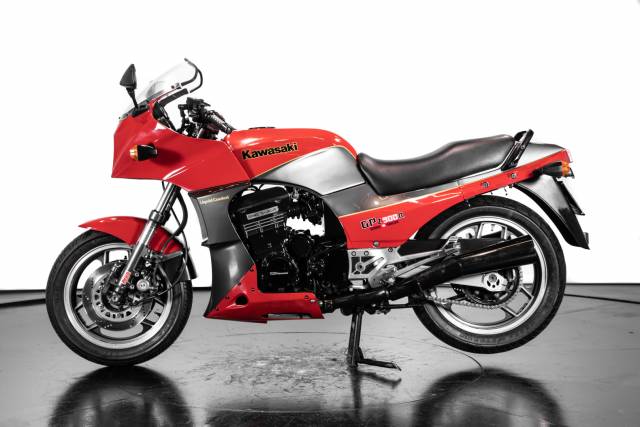
1985 | Kawasaki GPz 900 R Ninja
-
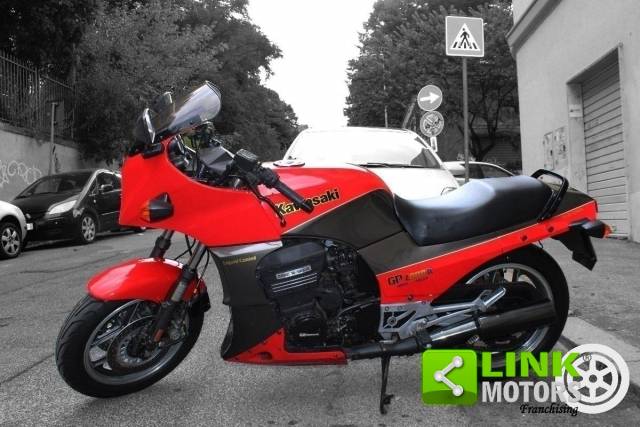
1984 | Kawasaki GPz 900 R Ninja
Kawasaki GPZ 900R del 1984, Iscritta FMI, Manutenzione curata
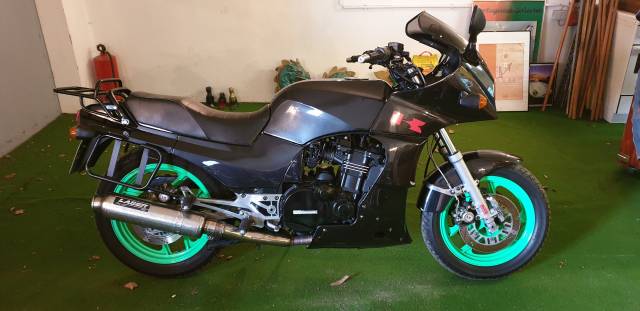
1986 | Kawasaki GPz 900 R Ninja
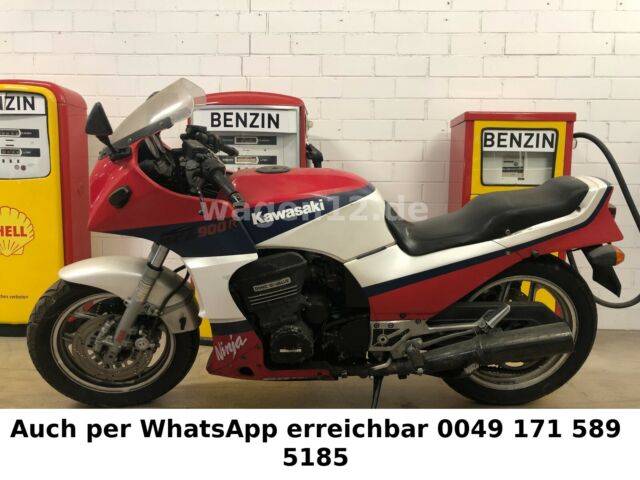
1986 | Kawasaki GPz 900 R Ninja
Create search alert
Let yourself be notified as soon as a listing is published that matches your search filters.
Create listing
Do you have a Kawasaki GPz 900 R Ninja that you want to sell? Then create a listing now.
Create listingKawasaki GPz 900 R Ninja Classic Motorbikes: Prices & Market Values
The market value of Kawasaki GPz 900 R Ninja motorcycles is primarily determined by technical condition, originality, and mileage, as well as rarity, history, and documentation. A well-maintained, largely original vehicle with low, verifiable mileage and a complete history including expert reports and documentation generally achieves significantly higher prices than a comparable vehicle with deferred maintenance, extensive modifications, or an unclear provenance.
Kawasaki GPz 900 R Ninja: Market Prices & Value Trends
Based on Classic Trader marketplace sales data from December 2021 to September 2025, the Kawasaki GPz 900 R Ninja market in Europe looks broadly stable with a slight upward bias for the best, most original examples. Most recorded prices cluster in the mid-range, suggesting a realistic current value band of roughly £4,000 to £6,000 for a solid, correctly presented GPz 900 R Ninja (typically 1984–1989, around 100–115 hp). A small number of higher-priced outliers appear, including a top figure just over £13,000, but these are more likely to reflect exceptional condition, provenance, or refurbishment rather than the everyday market. At the other end, a sub-£3,500 sale indicates that projects or heavily compromised bikes still trade lower. For buyers, this means good bikes remain attainable, yet the model’s “first Ninja” status, 1980s icon appeal and increasing collector interest are helping well-kept machines hold their value and gradually firm up.
Introduction and history of the Kawasaki GPz 900 R Ninja
The Kawasaki GPz 900 R Ninja marked a pivotal moment for Kawasaki when it debuted in the mid-1980s. Developed as a high-performance sports motorcycle, it was among the first production bikes to be equipped with a liquid-cooled DOHC inline-four engine, laying the groundwork for Kawasaki’s later Ninja series. The GPz 900 R Ninja’s combination of innovative construction and bold design elements established it as a serious contender in both the sports and touring segments. Its technical advancements were mirrored by the full fairing and signature windscreen, which helped distinguish it visually and aerodynamically at the time.
Model history
The GPz 900 R Ninja followed earlier Kawasaki GPz models, synthesising previous engineering approaches with significant upgrades in chassis, engine, and aerodynamics. Recognised by the ZX 900R designation, it became a reference point for mid-to-late 1980s sport motorcycles. Through its model life, subtle updates were introduced—ranging from colour schemes and decals to mechanical tweaks. Notably, the A6 generation (e.g., model year 1988/1989) is highly referenced for its completeness in equipment and enduring appeal amongst fans. It bridged the gap before successors like the ZX-10 and subsequent evolutions of the Ninja nameplate.
Highlights of the Kawasaki GPz 900 R Ninja
A stand-out feature of the GPz 900 R Ninja is its liquid-cooled inline-four cylinder engine with double overhead camshafts, which was state-of-the-art at the time of release. With its unmistakable full bodywork, the original models peacocked in combinations like black/grey/gold. Mechanically, it featured a front fork with an anti-dive system, robust dual-disc brakes, and a steel frame. Other period-typical components include carburettors (often Keihin CVK) and a durable chain final drive. For many owners, features such as the original cockpit with dual analog gauges, factory windscreen, and bespoke seat design are crucial to the authentic experience.
Technical data
Special Editions and Collectible Models
Particular attention is often given to late-1980s variants such as the A6 version (1988/1989) thanks to its refined specifications and unique colour combinations, including the coveted black/grey/gold livery. These editions are often sought for their completeness, preservation of original equipment, and certain refinements in electrics and mechanicals over previous runs. Some bikes carry rare period accessories, like progressive fork springs or steel flex brake lines, further distinguishing them.
Weak Spots and Common Issues
The GPz 900 R Ninja is robustly engineered but, like all classics, it requires attention to certain points. Carburettors, if neglected, often need thorough cleaning or rebuilding. Original brake lines were standard rubber, susceptible to ageing; many owners upgrade to steel flex versions for safety and performance. Wiring harnesses should be checked for corrosion at contact points. Fork seals and anti-dive systems may show wear, leading to diminished fork performance. Seat foam, especially if original, sometimes requires professional reupholstering due to age. As with all classic motorcycles, inspection of frame rust (especially in hidden spots) and metal fatigue in swingarms or stands is recommended.
Engine and Performance, Transmission and Handling
The GPz 900 R Ninja’s four-cylinder engine, with robust 16-valve DOHC construction and liquid cooling, delivers responsive power and smooth acceleration by period standards. The carburetted setup is particularly known for its immediate throttle response. In factory setup, the anti-dive telescopic fork and aluminium swingarm contribute to precise, predictable handling, making spirited riding enjoyable even by modern classic standards. Braking is managed by strong dual front discs and a single rear disc. Additional sports upgrades, like progressive front fork springs or aftermarket air filters (such as K&N), are sometimes fitted for improved dynamics depending on owner usage. Variants most commonly highlighted include models from the 1988-1989 production years (A6), recognised for their completeness and original features.
Interior, Comfort, Exterior and Design
The GPz 900 R Ninja combines sharp lines and aerodynamic elements. Characteristic features are its full fairing, windscreen, and original seat with model-specific cover design. The analogue cockpit elegantly merges a large tacho and speedo with clear indicator lights—a real throwback to 1980s sports motorcycle instrumentation. Period colours such as black/grey/gold, original Kawasaki badges on engine covers, and unpainted metal main/side stands underscore authenticity. The use of aluminium for swingarm and wheels not only reduces weight but enhances the bike's visual impact. Many models also feature the standard windscreen, often replaced by tinted or period-correct accessories. Owner personalization typically stays within period-correct bounds: sports seats, coloured hoses, or subtle trim upgrades are valued among enthusiasts.
Other relevant features
Depending on history, many examples on the market come with EU documents or different country registrations, making cross-border purchases practical. When registered as a historic vehicle, the GPz 900 R Ninja offers classic motorcycle eligibility advantages (tax, insurance), and can be imported or driven in several European countries without restriction.
Summary
The Kawasaki GPz 900 R Ninja occupies a unique space in motorcycle history as a sports machine that merged technical innovation with bold 1980s design. Its reputation for durability, well-documented performance, and robust supply among classic Kawasaki listings ensures an active interest from fans of Japanese classic bikes. Period-correct equipment, potential for technical upgrades, and practical aspects such as EU registration further reinforce its position as a sought-after and genuinely characterful machine among enthusiasts.