- Motorcycle
- BMW
- BMW R 12 (1 offer)
BMW R 12 classic motorcycles for sale
The BMW R 12 stands as one of the most technically distinctive motorcycles from the interwar era, blending innovative engineering and robust design. Its reputation is built on the introduction of hydraulic fork technology and its significance for pre-war motorcycle development.
Search results
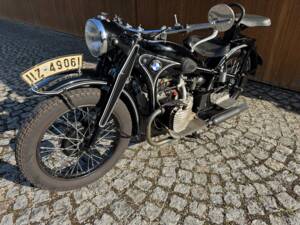
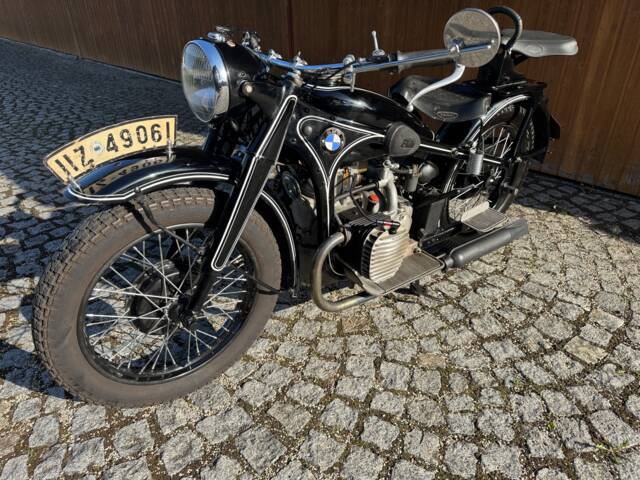
1941 | BMW R 12
Original ‼️- no Dnepr or Ural - parts installed - fully restored - road-ready

BMW R 12 listing references from Classic Trader
Below you will find listings related to your search that are no longer available on Classic Trader. Use this information to gain insight into availability, value trends, and current pricing for a "BMW R 12" to make a more informed purchasing decision.
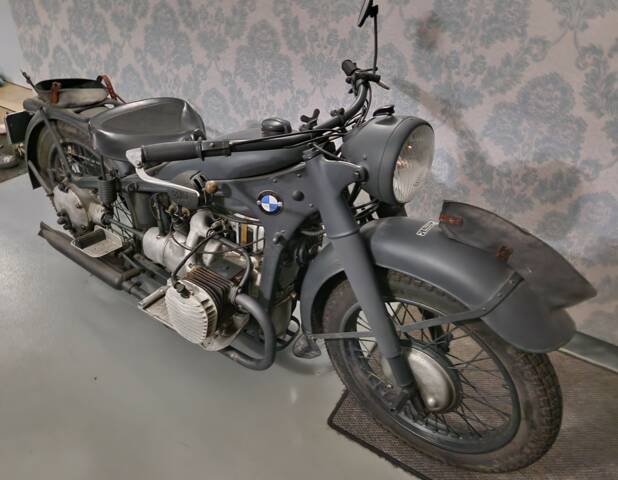
1939 | BMW R 12
BMW R 12, Baujahr 1939

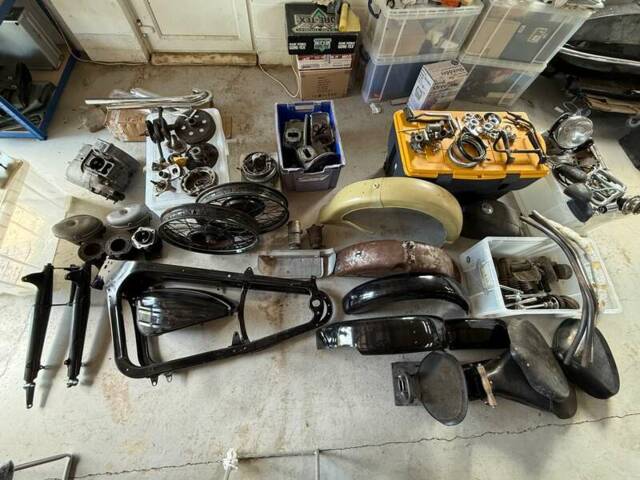
1936 | BMW R 12
1936 BMW R12/R17 Project 735cc

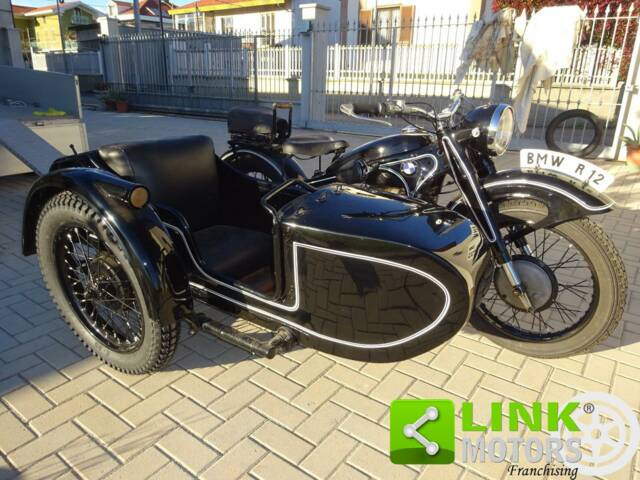
1940 | BMW R 12
BMW R12 sidecar diamante del 1940 PRENOTATA

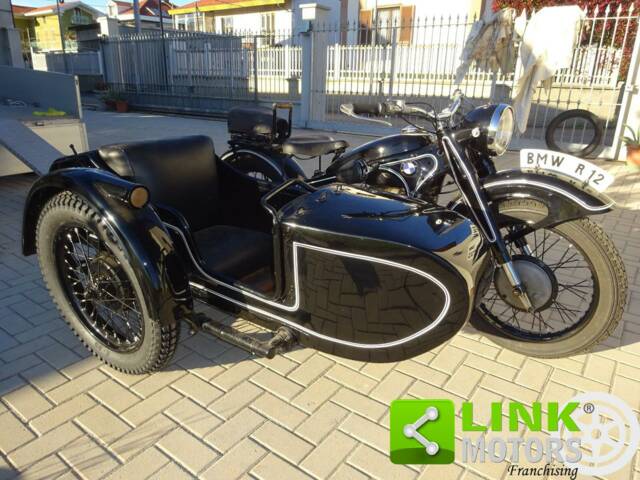
1940 | BMW R 12
BMW R12 sidecar gioiello del 1940
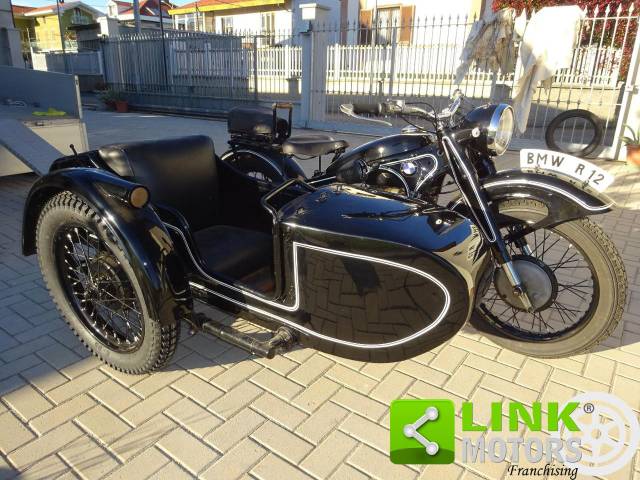
1940 | BMW R 12
BMW R12 sidecar gioiello del 1940
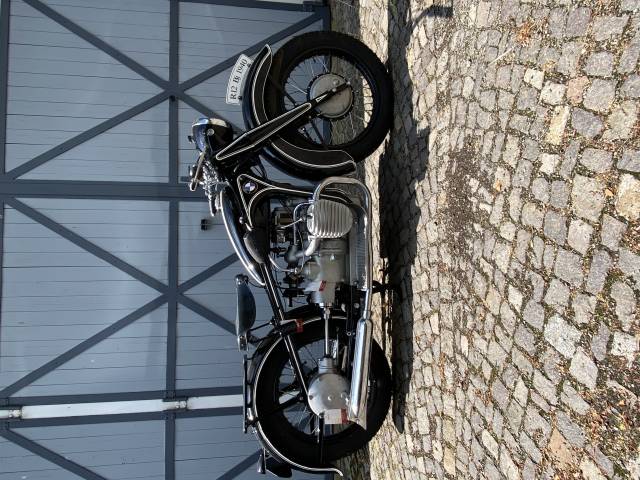
1940 | BMW R 12
Liebhaberstück BMW R12
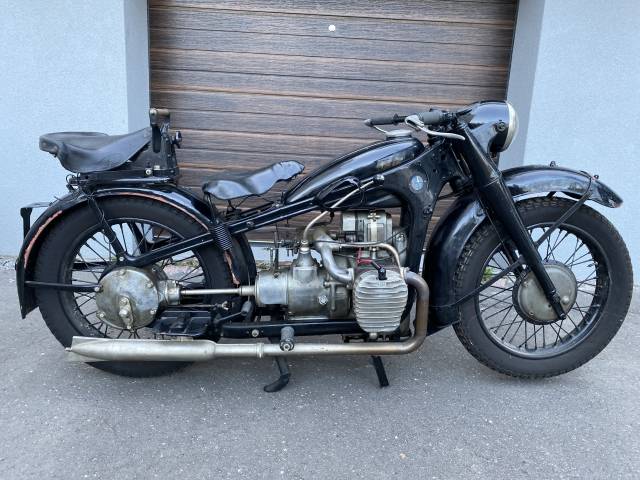
1941 | BMW R 12
Verkaufe BMW R12 inkl. Seitenwagen
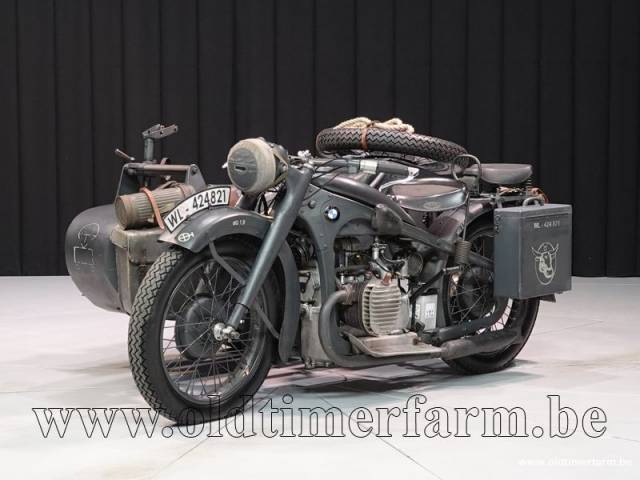
1938 | BMW R 12
1938 BMW R12 Army '38

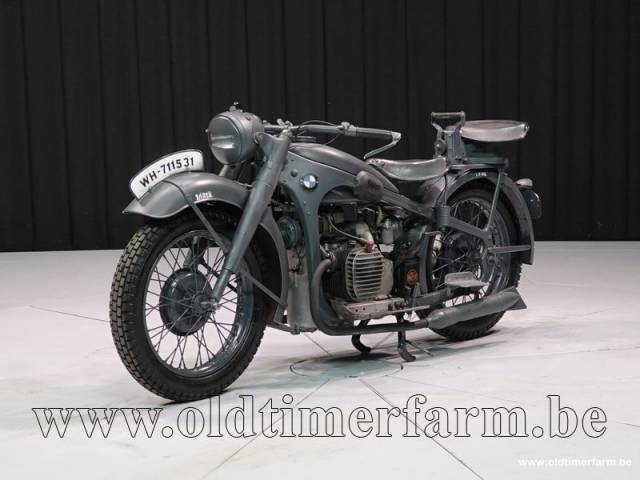
1939 | BMW R 12
1939 BMW R12 '39
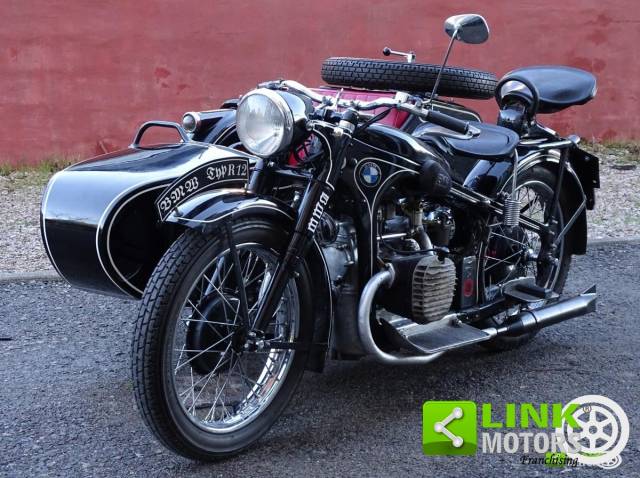
1940 | BMW R 12
BMW R12 SIDECAR DEL 1940
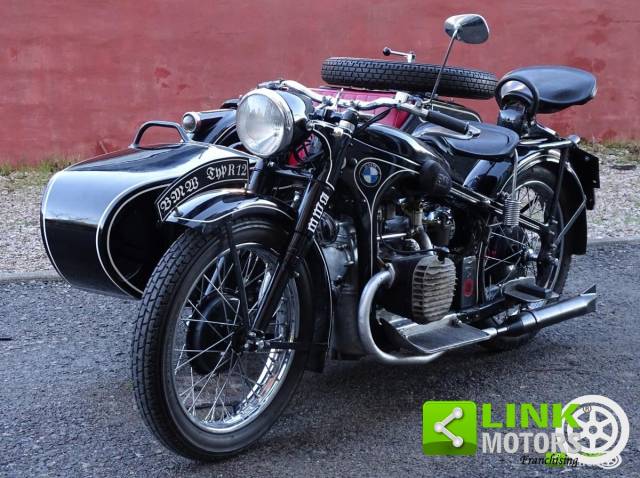
1940 | BMW R 12
BMW R12 SIDECAR
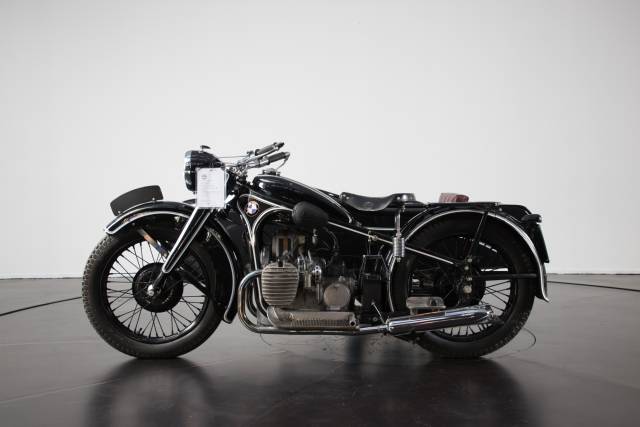
1938 | BMW R 12
-
BMW R 12 Classic Motorbikes: Prices & Market Values
The market value of BMW R 12 motorcycles is primarily determined by technical condition, originality, and mileage, as well as rarity, history, and documentation. A well-maintained, largely original vehicle with low, verifiable mileage and a complete history including expert reports and documentation generally achieves significantly higher prices than a comparable vehicle with deferred maintenance, extensive modifications, or an unclear provenance.
BMW R 12: Market Prices & Value Trends
Based on Classic Trader marketplace sales data from November 2021 to January 2026, the BMW R 12 market looks broadly stable, with prices clustering in a fairly consistent band despite a few very low entries. Most recorded values for 1938–1941 bikes sit around £22,500 to £30,000, reflecting the going rate for complete, roadworthy examples or well-presented restorations. Over this period, there are occasional peaks into the mid-£30,000s, while the cheapest observations (around £5,000–£16,500) are best treated as condition-led outliers rather than the norm. Recent data points in late 2025 and early 2026 still fall within the established range, suggesting no dramatic cooling or overheating. For buyers, that typically means predictable pricing where originality, documented provenance and correct period specification drive the premium. For sellers, strong demand for pre-war BMW engineering and the model’s historic appeal continue to underpin values, especially in mainland European listings.
History of the BMW R 12
Unveiled in 1935, the BMW R 12 redefined motorcycle construction in Germany. As one of the first production motorcycles with a hydraulically damped telescopic fork, the R 12 marked a clear engineering leap over its contemporaries, setting new standards in handling and comfort. Designed for both civilian use and with adaptability for military service, the R 12 was manufactured until 1942. Its rugged frame construction and reliable boxer engine made it one of BMW’s most widely produced pre-war motorcycles, cementing its place in both technological and social history.
Model History
The R 12 succeeded earlier BMW flat-twin models such as the R 11, offering performance improvements and technological innovation. The R 12 was produced alongside its stablemate, the sportier R 17, but more than tripled the R 17's production numbers. Production focused mainly on robust reliability and versatility. After the R 12, BMW would not return to telescopic forks in serial motorcycles until after the war, with models like the R 51/2.
Highlights of the BMW R 12
- First mass-produced motorcycle with hydraulic telescopic forks
- Side-valve 745 cc flat twin engine, renowned for its longevity
- Durable pressed-steel frame, engineered for stability and strength
- Highly adaptable: Used for both civilian touring and military dispatch during its production years
Technical Data
Special Editions and Collectible Models
Some R 12s were built specifically for military purposes between 1938 and 1942, featuring modified equipment such as sidecar mounts and blackout lighting. These military variants are particularly prized among collectors for their period-correct details and provenance.
Weak Spots and Common Issues
Routine checks should target the hydraulic fork, as worn seals or play can develop. Electrical systems are basic but prone to corrosion. The engine itself is robust, but old wiring and fuel delivery components may need careful restoration or replacement due to age. Pay special attention to the shaft drive and transmission for wear if the bike saw extensive service use.
Engine and Performance, Transmission and Handling
The R 12’s 745 cc engine delivers steady, torque-rich performance, ideal for sidecar use or solo riding over long distances. The hand-shifted four-speed gearbox reacts with precision when maintained well, and the pressed-steel frame offers superior stability compared to tubular frames of the era. The hydraulic fork defined a new level of comfort and control during its time, especially on rough roads or when fitted with a sidecar. The standard solo R 12 is notable, but military sidecar versions with reinforced frames and special fittings also stand out for their technical and historical relevance.
Design, Interior, Comfort, and Accessories
The R 12’s aesthetics are unmistakable: a robust pressed-steel frame combined with tank-mounted gear levers and simple, accessible controls. Standard finishes are typically black with white pinstriping—characteristic for BMW motorcycles of the period. Military versions received matte paintwork and practical details. Accessories included BMW’s own sidecar, factory-issued tool rolls, and period-correct lighting. The fork, a striking technical and design element, remains a focal point on any restored example.
Other Relevant Features
Original documentation, matching numbers, and complete accessories strongly influence the value and collectability of an R 12. Many parts are available through specialist suppliers due to the high production numbers, making restoration more feasible than for many peers of similar age.
Summary
The BMW R 12 exemplifies pre-war German motorcycle engineering, with robust mechanicals and one of the most significant innovations of its era—the hydraulic telescopic fork. Military and civilian versions each bring unique attributes to collectors and enthusiasts, and the R 12’s presence in the classic market remains singular due to its crucial historical role and technical advances.