|

Piaggio Vespa 150 classic scooter for sale

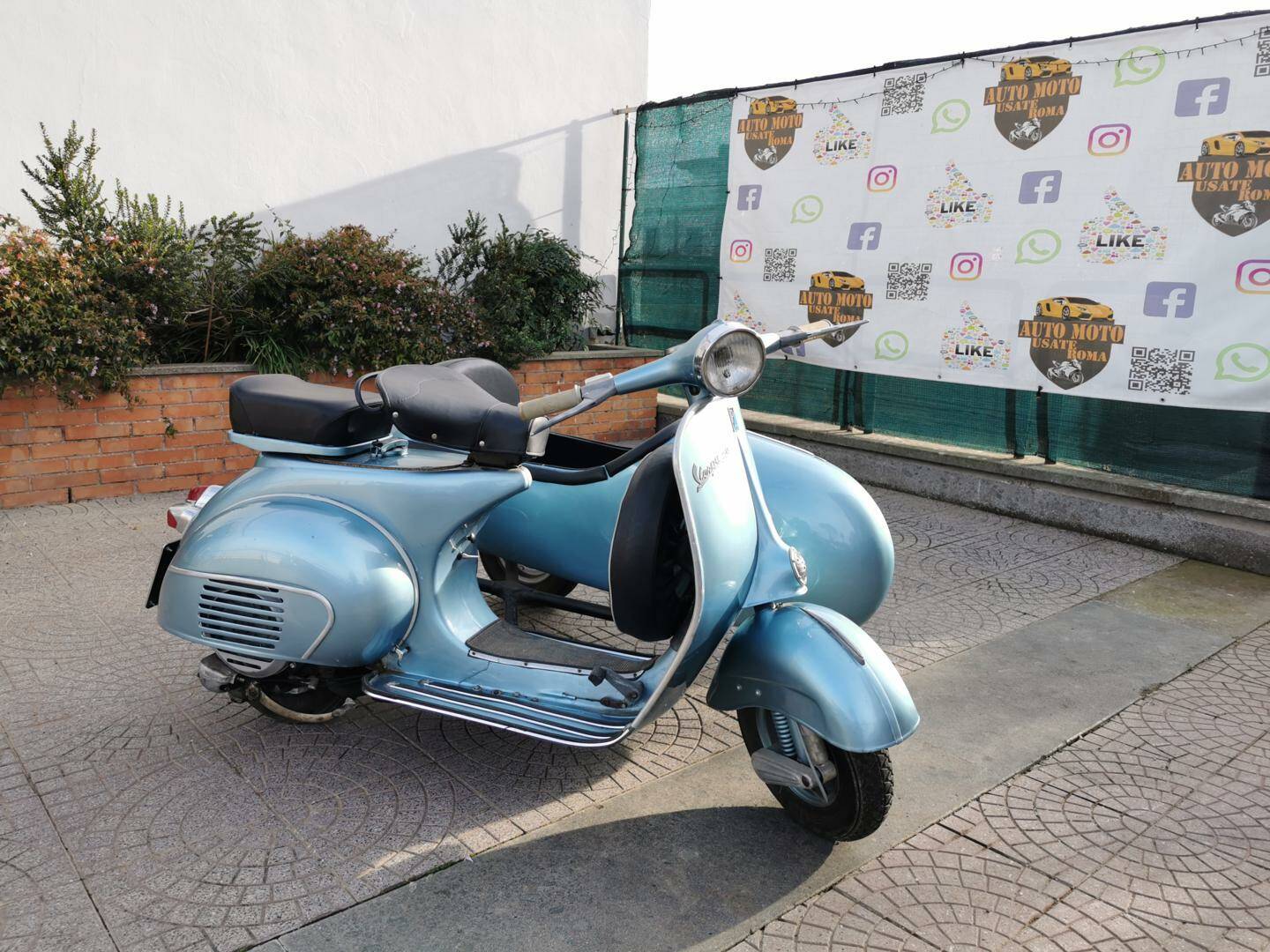
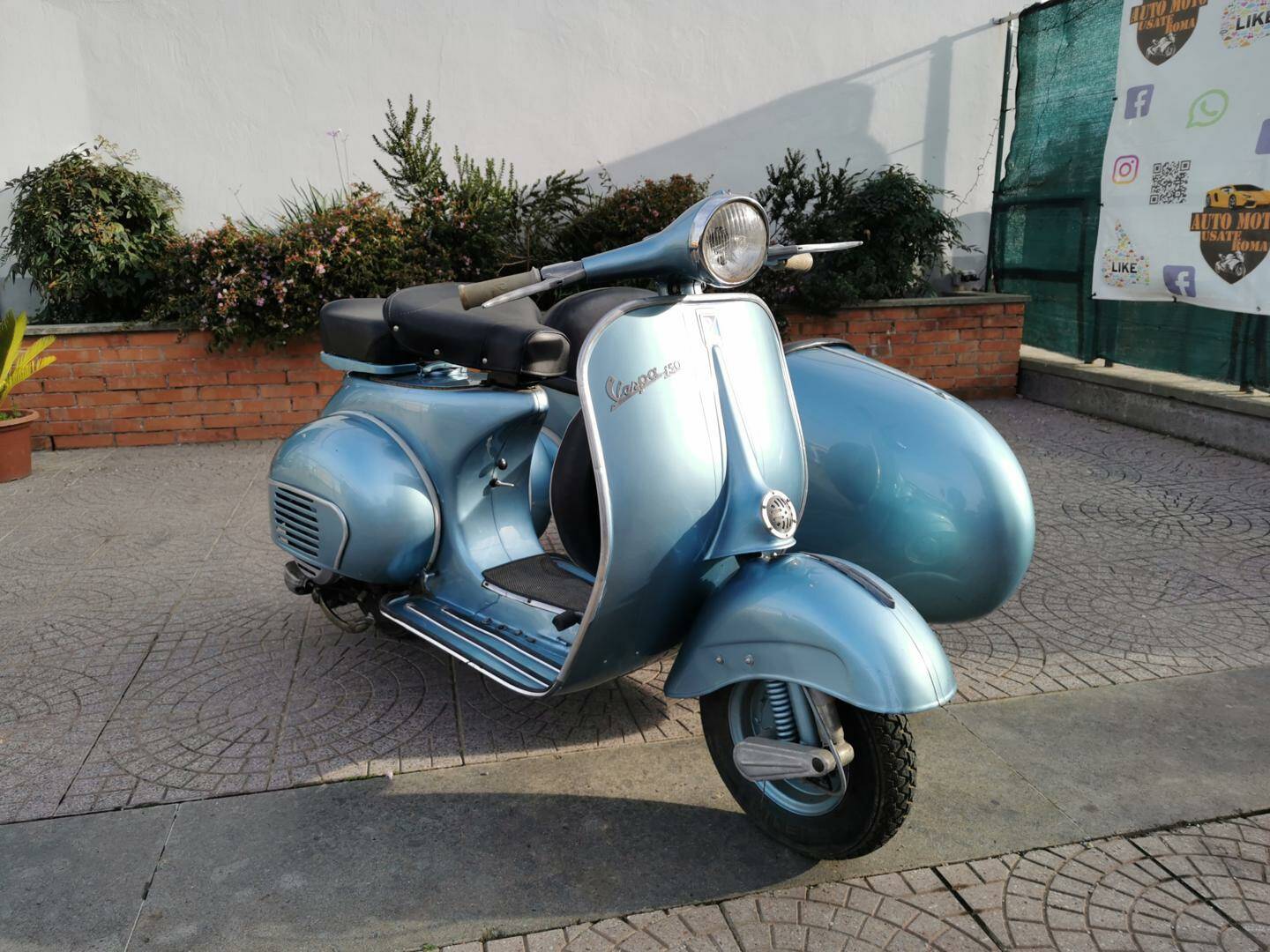
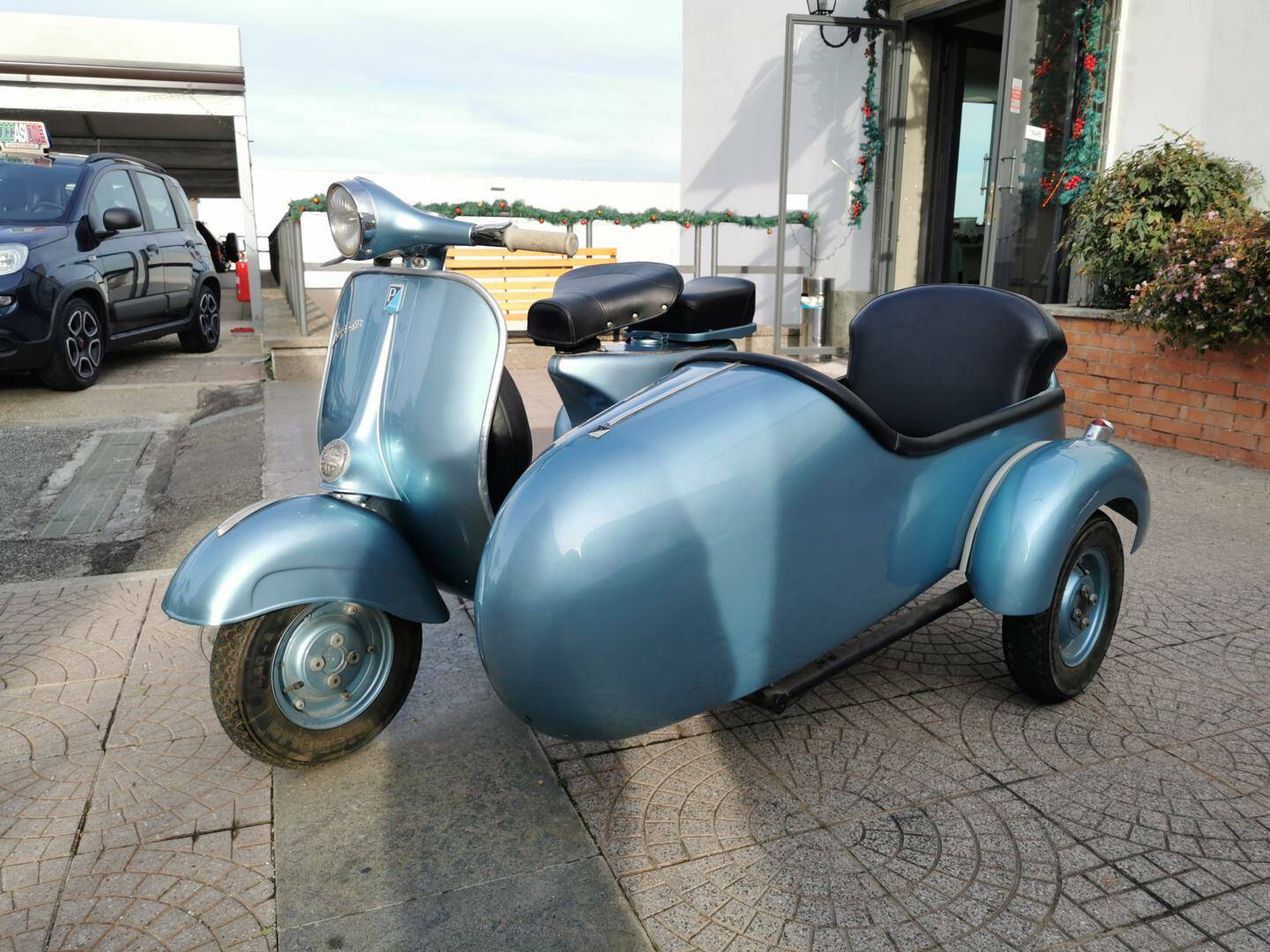
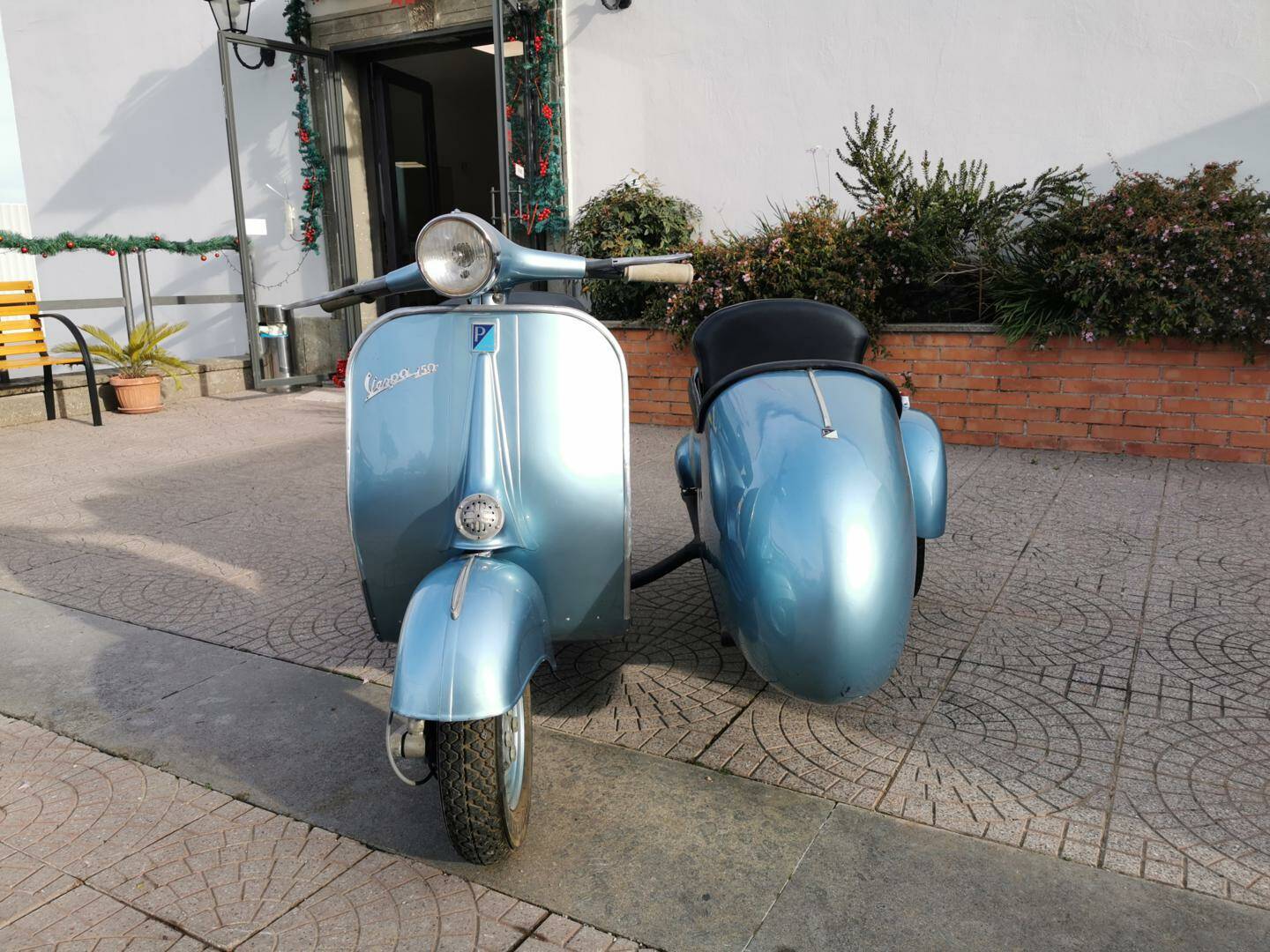
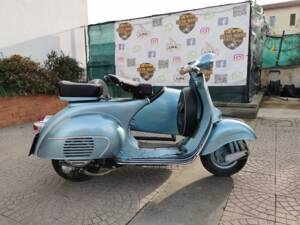
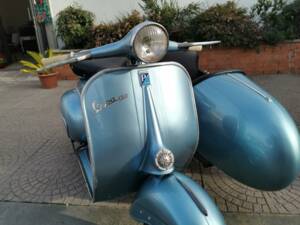
The Piaggio Vespa 150, produced mainly from 1959 to 1964, stands as a symbol of the Italian “Dolce Vita” era and urban mobility. Known for its characteristic slim body, 150 cc two-stroke engine and unmistakable sound, it has long been a favourite of style-conscious city-dwellers, film stars and collectors.

Read more

Search results

Image 1/50 of Piaggio Vespa 150 (1956)
1 / 50
£8,616
🇮🇹
Dealer
Show vehicle
Image 1/24 of Piaggio Vespa 150 (1957)
1 / 24

1957 | Piaggio Vespa 150

Piaggio VESPA VB1T 150

£7,582
🇮🇹
Dealer
Show vehicle
Image 1/35 of Piaggio Vespa 150 (1960)
1 / 35

1960 | Piaggio Vespa 150

Piaggio VESPA 150 VBA

£5,170
🇮🇹
Dealer
Show vehicle
Image 1/36 of Piaggio Vespa 150 (1962)
1 / 36

1962 | Piaggio Vespa 150

Piaggio Vespa VBB1 150

£5,945
🇮🇹
Dealer
Show vehicle
LAMBRETTA 150
1 / 13
£3,877
🇪🇸
Dealer
Show vehicle
Image 1/12 of Piaggio Vespa 150 (1961)
1 / 12
£6,290
🇮🇹
Dealer
Show vehicle
Image 1/15 of Piaggio Vespa 150 (1962)
1 / 15

1962 | Piaggio Vespa 150

VBA !! IMPRESSIVE RESTORATION !!

£6,462
🇮🇹
Dealer
Show vehicle
Image 1/13 of Piaggio Vespa 150 (1956)
1 / 13
£10,339
🇮🇹
Dealer
Show vehicle
Image 1/10 of Piaggio Vespa 150 (1957)
1 / 10
£7,754
🇮🇹
Dealer
Show vehicle
Image 1/12 of Piaggio Vespa 150 (1950)
1 / 12
£6,893
🇮🇹
Dealer
Show vehicle

Piaggio Vespa 150 listing references from Classic Trader

Below you will find listings related to your search that are no longer available on Classic Trader. Use this information to gain insight into availability, value trends, and current pricing for a "Piaggio Vespa 150" to make a more informed purchasing decision.

Expired listing
Image 1/50 of Piaggio Vespa 150 (1956)

1956 | Piaggio Vespa 150

-

£8,6162 weeks ago
🇮🇹
Dealer
Expired listing
Image 1/50 of Piaggio Vespa 150 (1960)

1960 | Piaggio Vespa 150

2024-07-22 08:45:44 | Piaggio VESPA 150 VBB1T

£7,3242 months ago
🇮🇹
Dealer
Expired listing
Image 1/19 of Piaggio Vespa 150 (1956)

1956 | Piaggio Vespa 150

PIAGGIO Vespa 150 ET4 TARGA ORO 1956

£7,5826 months ago
🇮🇹
Dealer
Expired listing
Image 1/33 of Piaggio Vespa 150 (1960)

1960 | Piaggio Vespa 150

-

£5,6007 months ago
🇮🇹
Dealer
Expired listing
Image 1/20 of Piaggio Vespa 150 (1960)

1960 | Piaggio Vespa 150

PIAGGIO Vespa 150 VB1T VBB1 1960

£5,3428 months ago
🇮🇹
Dealer

Piaggio Vespa 150 Classic Motorbikes: Prices & Market Values

The market value of Piaggio Vespa 150 motorcycles is primarily determined by technical condition, originality, and mileage, as well as rarity, history, and documentation. A well-maintained, largely original vehicle with low, verifiable mileage and a complete history including expert reports and documentation generally achieves significantly higher prices than a comparable vehicle with deferred maintenance, extensive modifications, or an unclear provenance.

Listings count
Median
Lowest Value
Highest Value
Status
Average Value (Moving Average)

Piaggio Vespa 150: Market Prices & Value Trends

Based on sales data from the Classic Trader marketplace, the Piaggio Vespa 150 market in Europe has been broadly stable from February 2021 through January 2026, with a consistent “core” of asking prices for 1950s–mid-1960s scooters. Most examples cluster around £4,500 to £8,500, reflecting the typical spread between usable riders and well-presented, restored machines. Cheaper entries around £3,400–£4,000 (often later years such as 1965) suggest projects or scooters needing cosmetic/mechanical work, while higher figures above £10,000 appear only occasionally and should be treated as premium, condition-led outliers rather than the norm. Italian and German ads make up a large share of the dataset, which is typical for this model’s home-market supply and specialist dealer presence. For today’s buyer, this points to a relatively liquid, established classic-scooter segment: values are supported by strong parts availability, enduring design appeal and steady demand for authentic 1955–1965 Vespa 150 models.

History of the Piaggio Vespa 150

Developed in the early 1960s, the Vespa 150 replaced its widebody predecessors with the VBA and VBB series, notably the VBB1T. Piaggio’s redesign introduced a narrower frame and more pronounced leg shield curvature, significantly modernising its appearance and handling. The Vespa 150 quickly became one of Italy’s most purchased scooters, capturing a spirit of post-war optimism and the desire for mobile independence. Its rise to prominence was cemented not only in daily Italian life but also as an icon featured in films like "Roman Holiday." Its blend of reliable engineering and instantly recognisable silhouette mark it as a historic milestone for Piaggio.

Model history and key versions

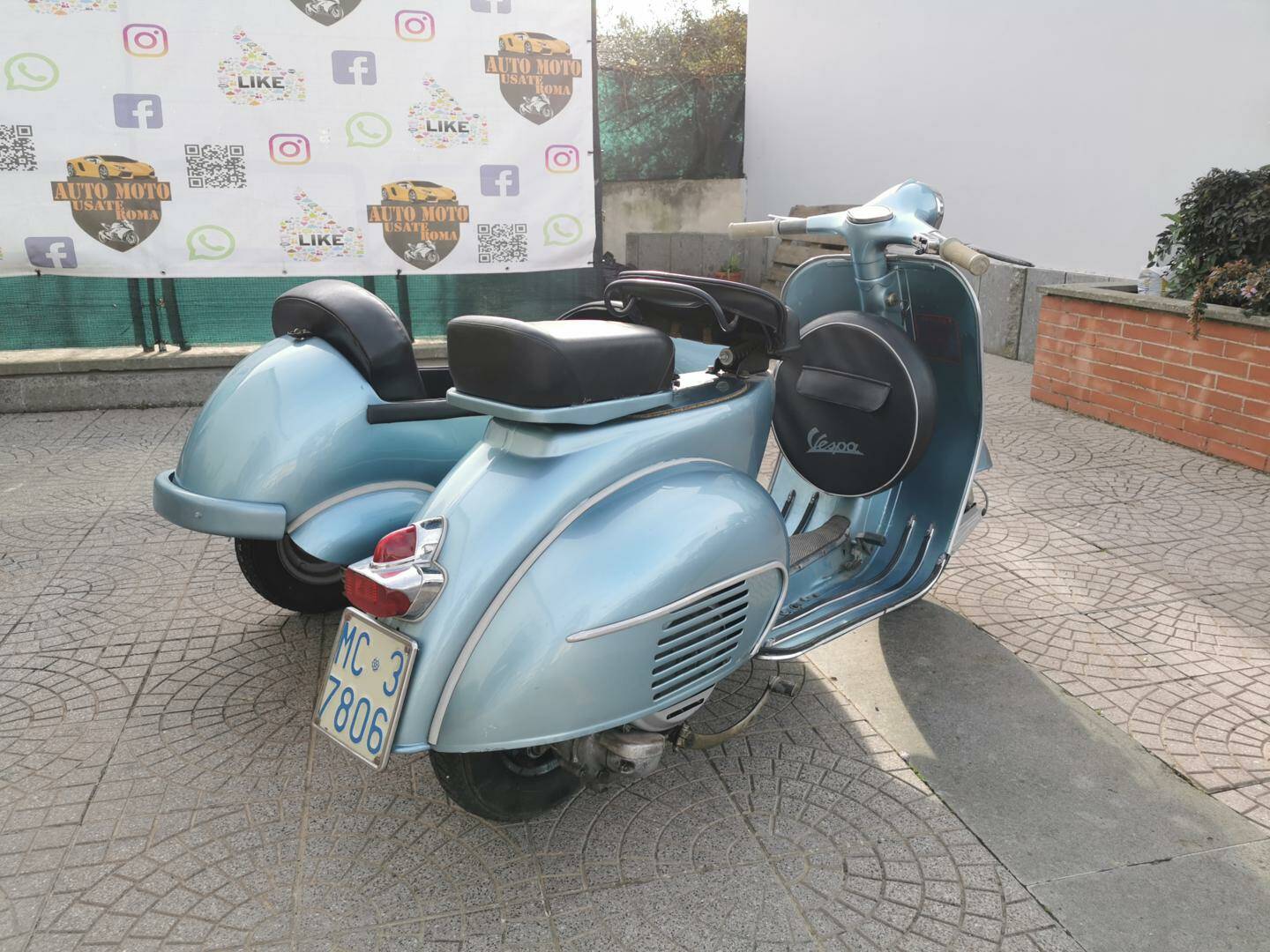
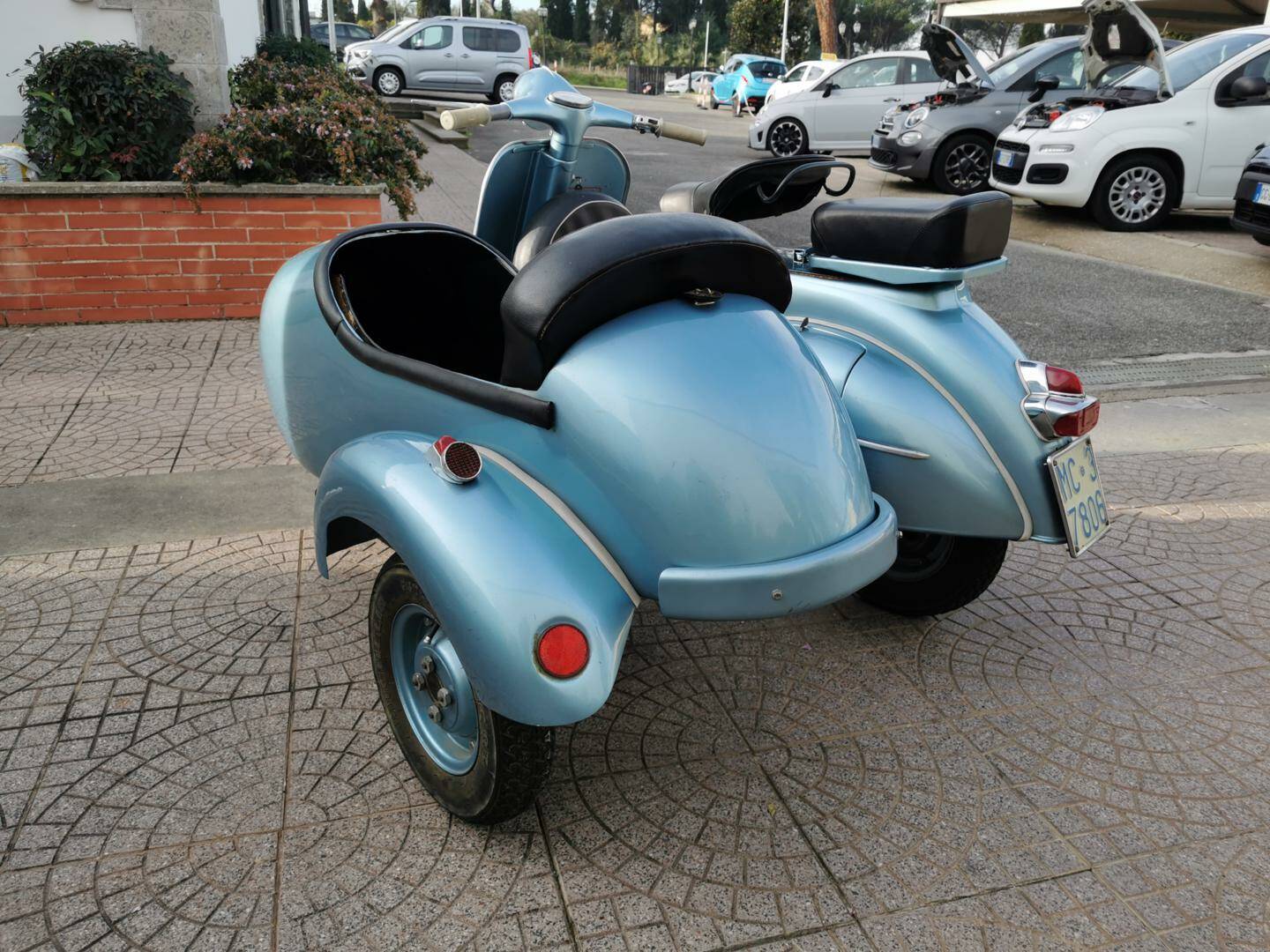
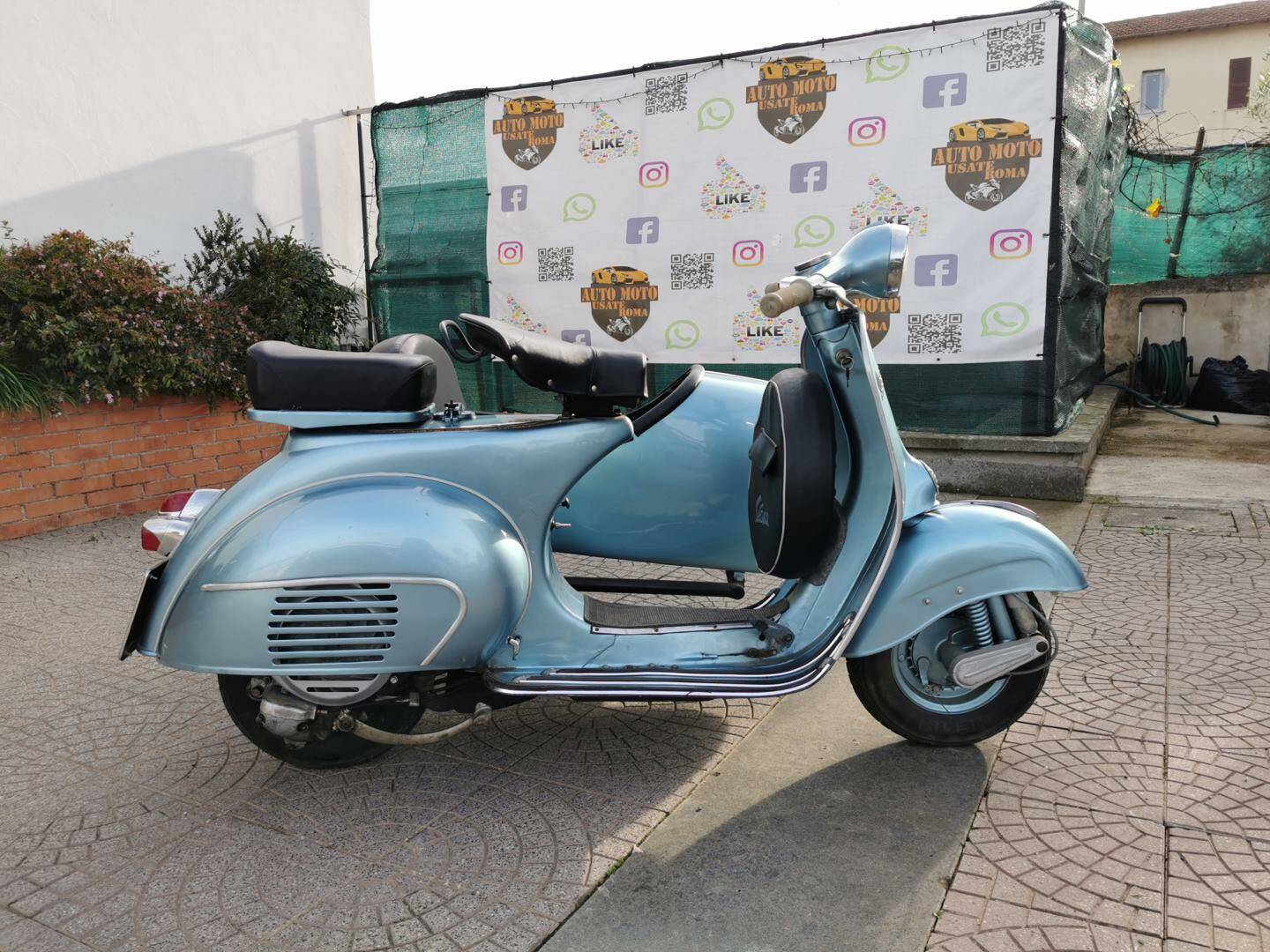
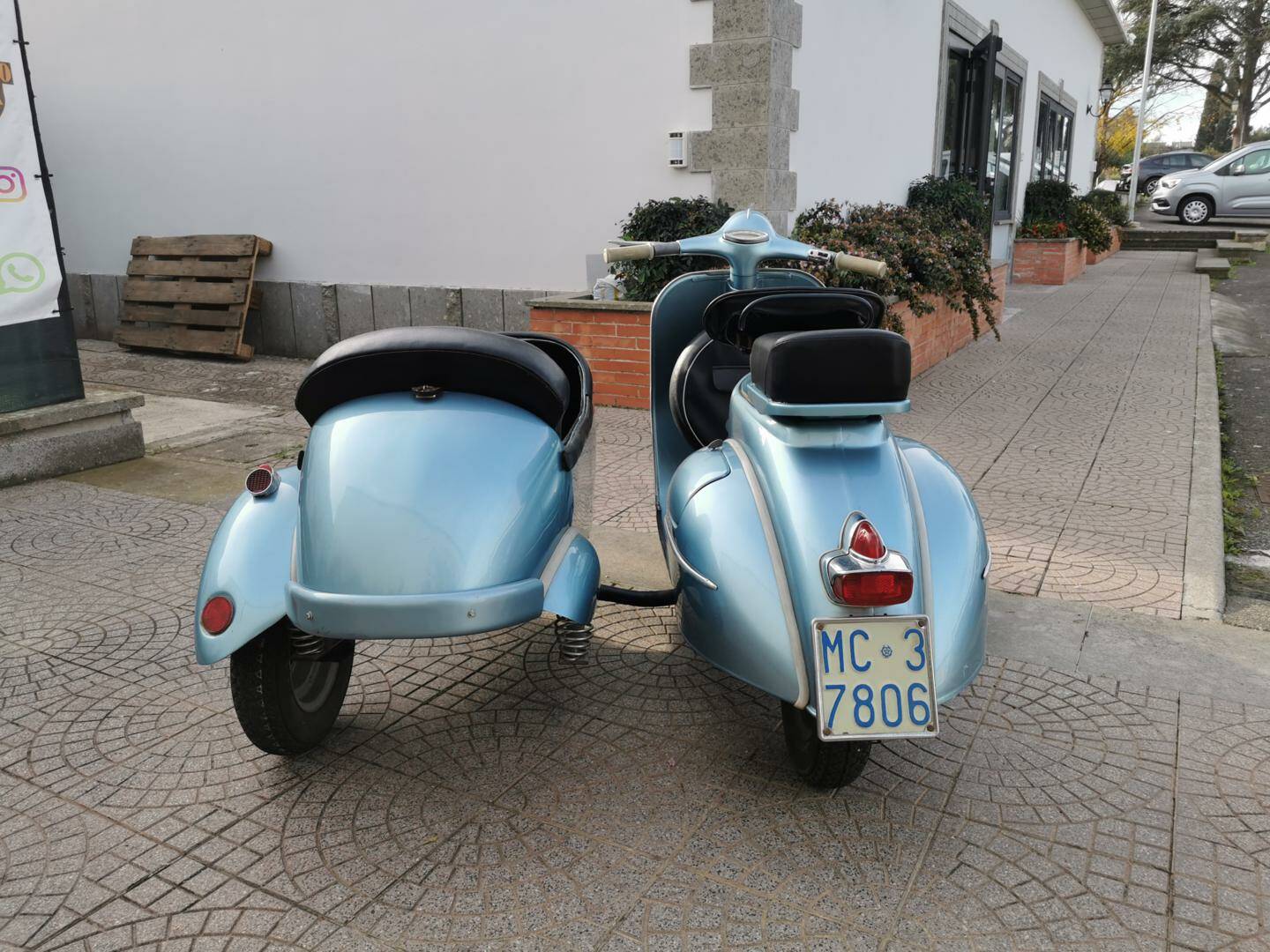
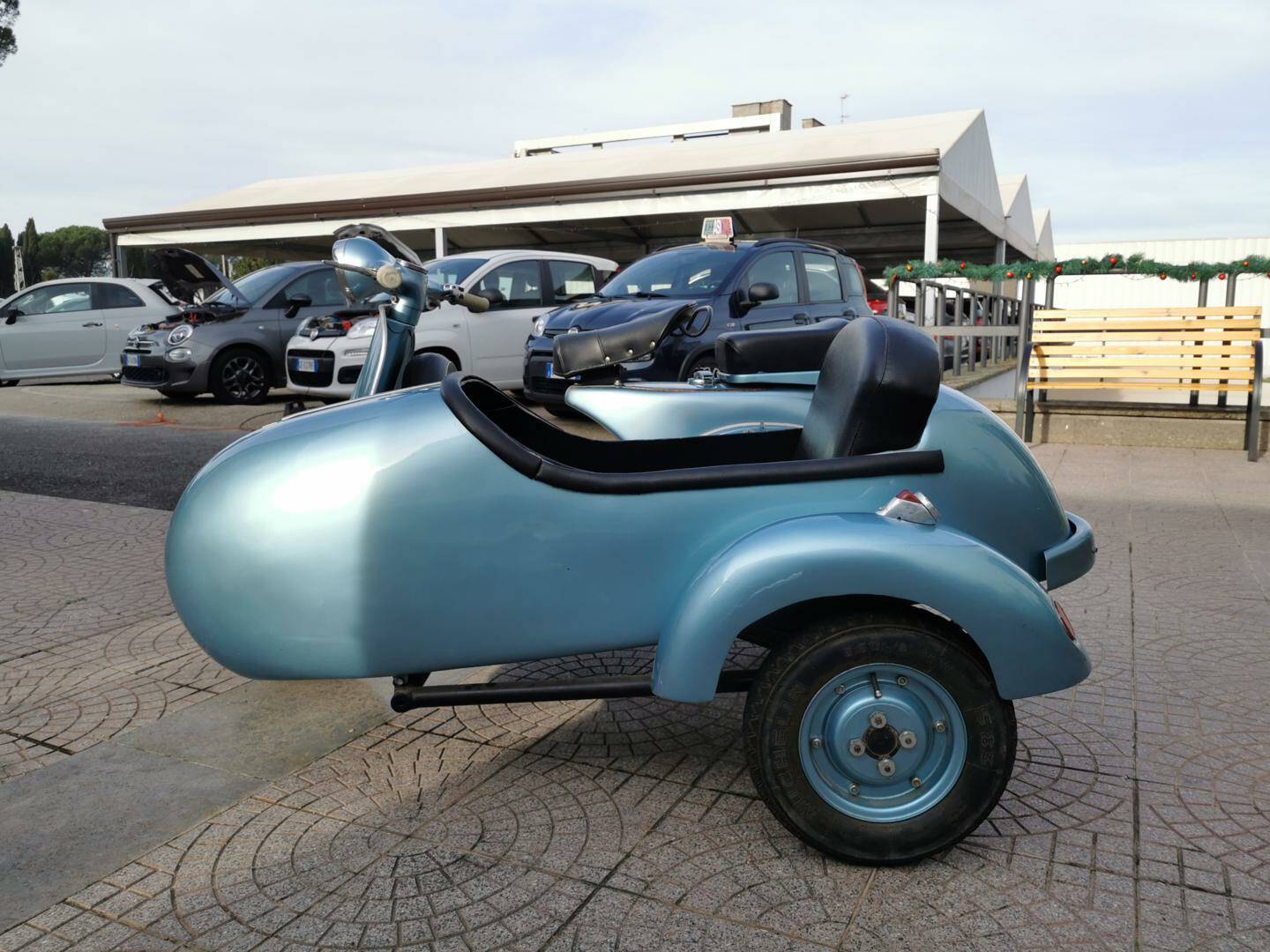
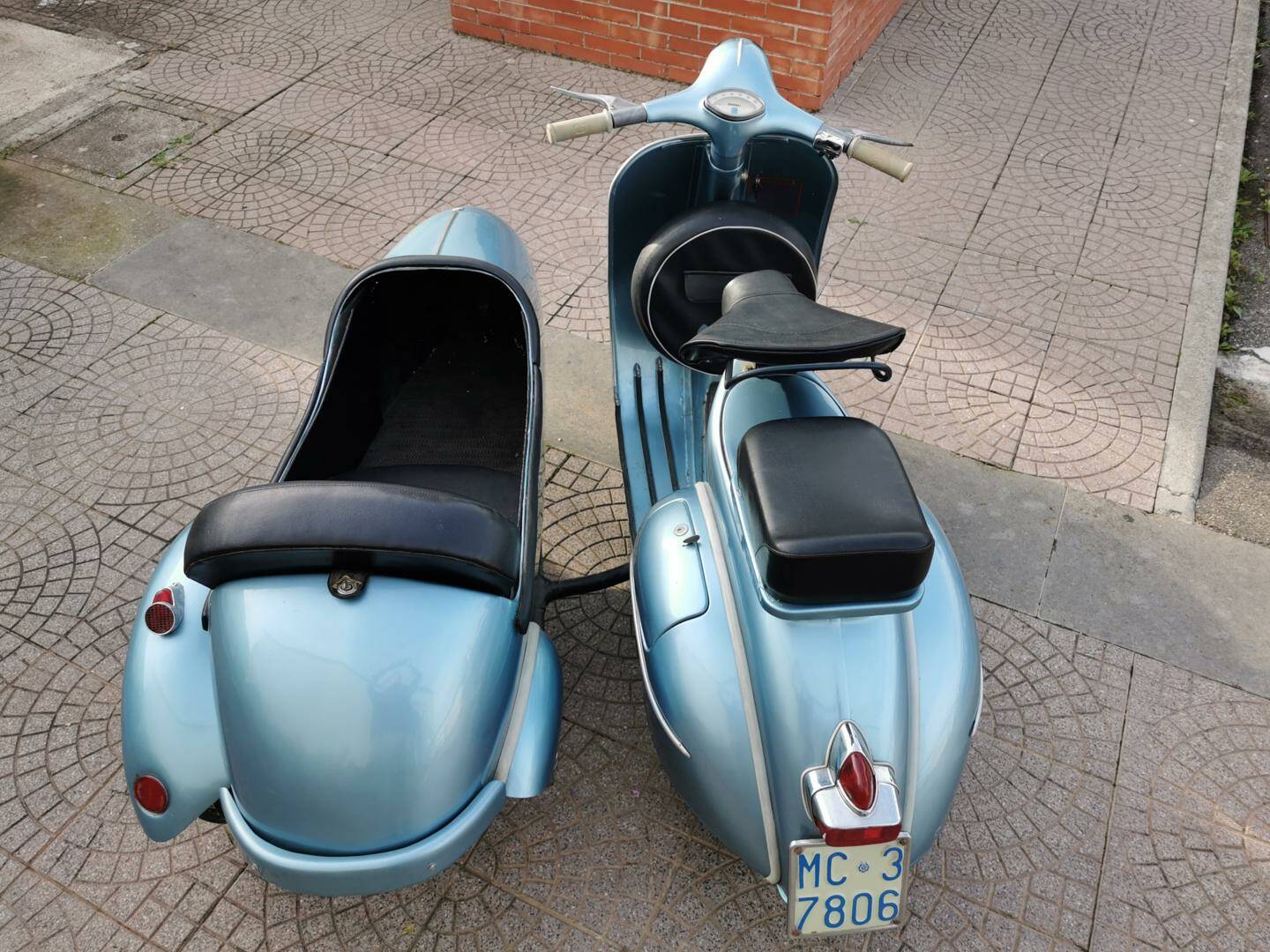
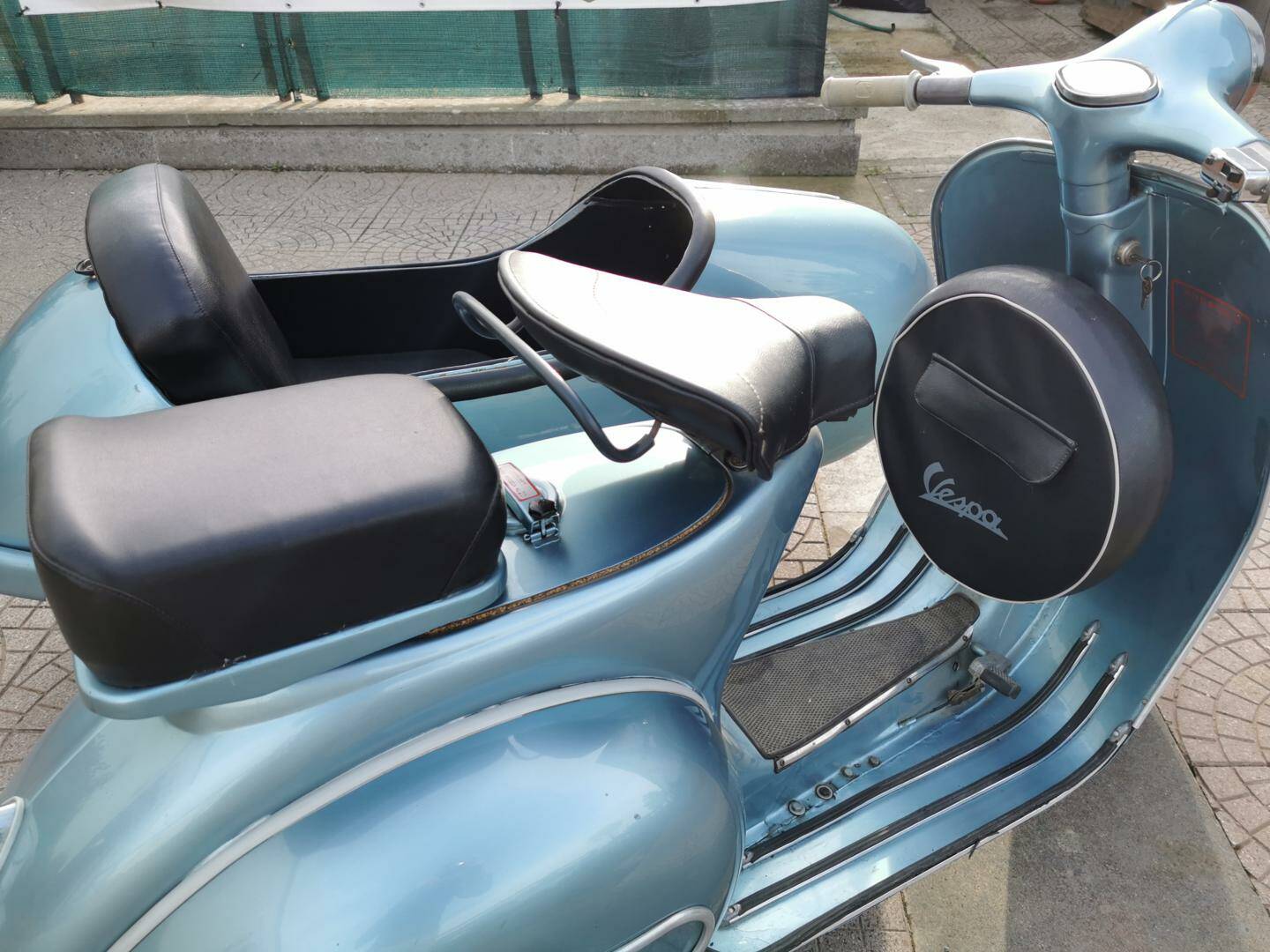
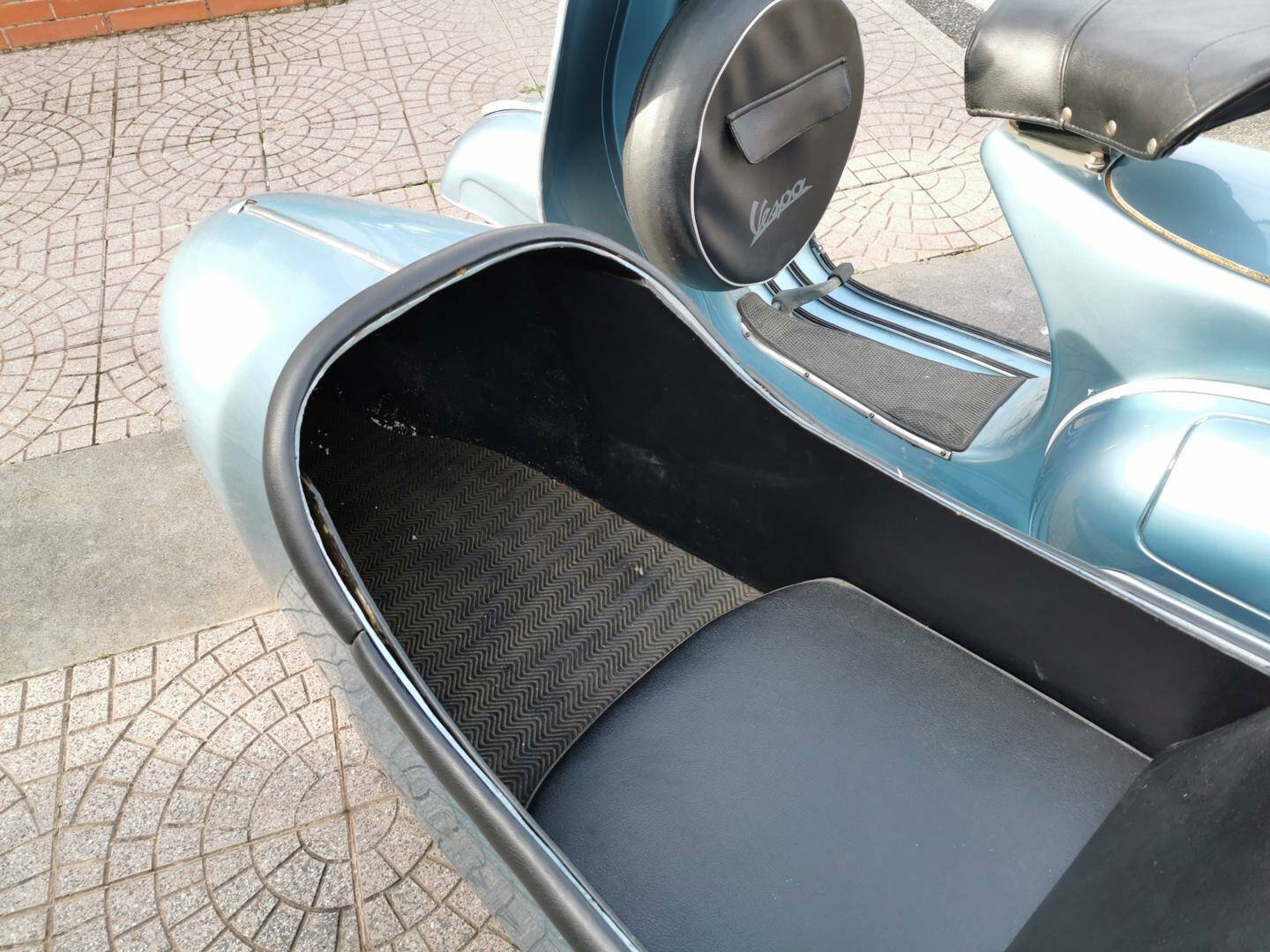
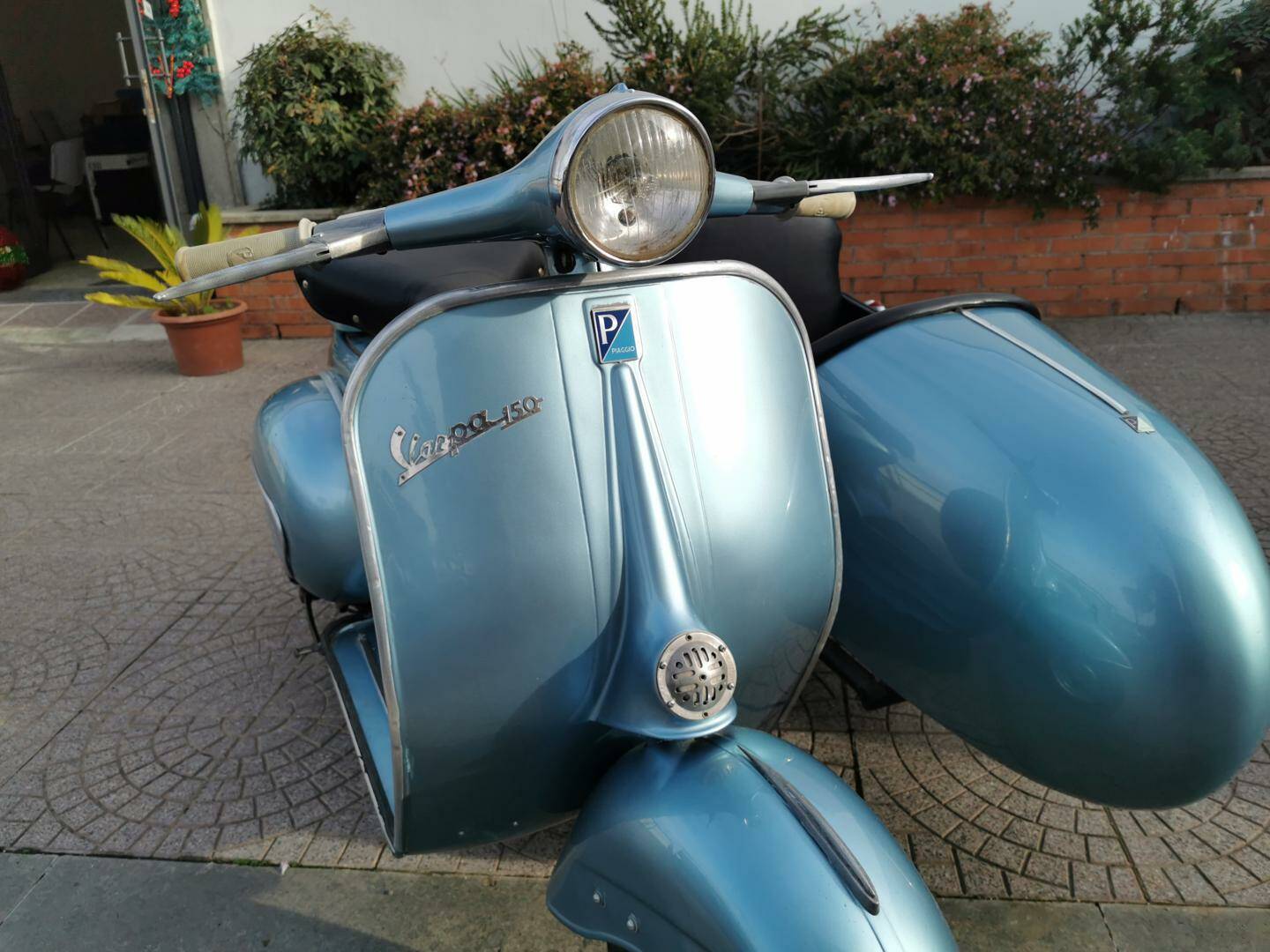
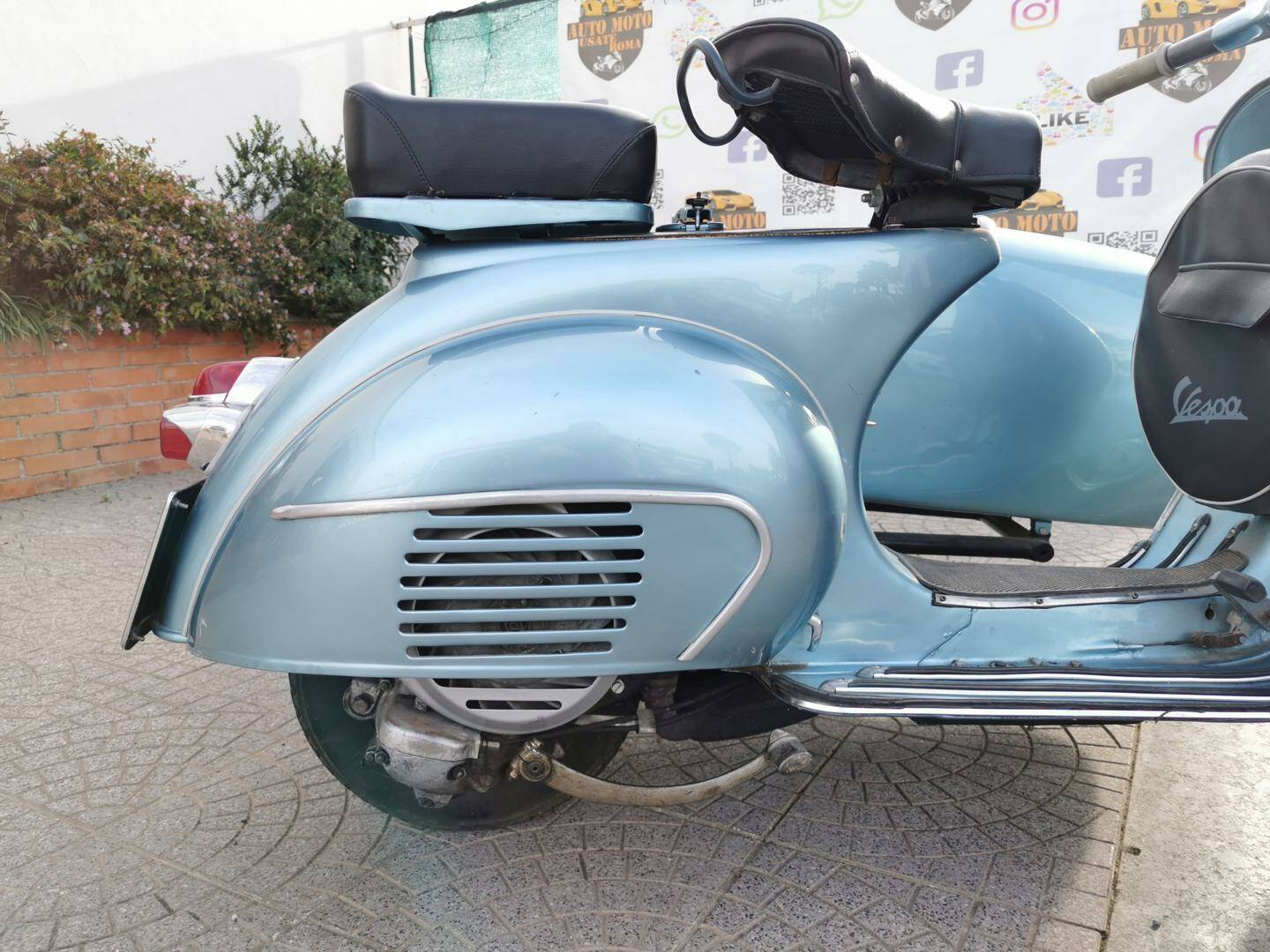
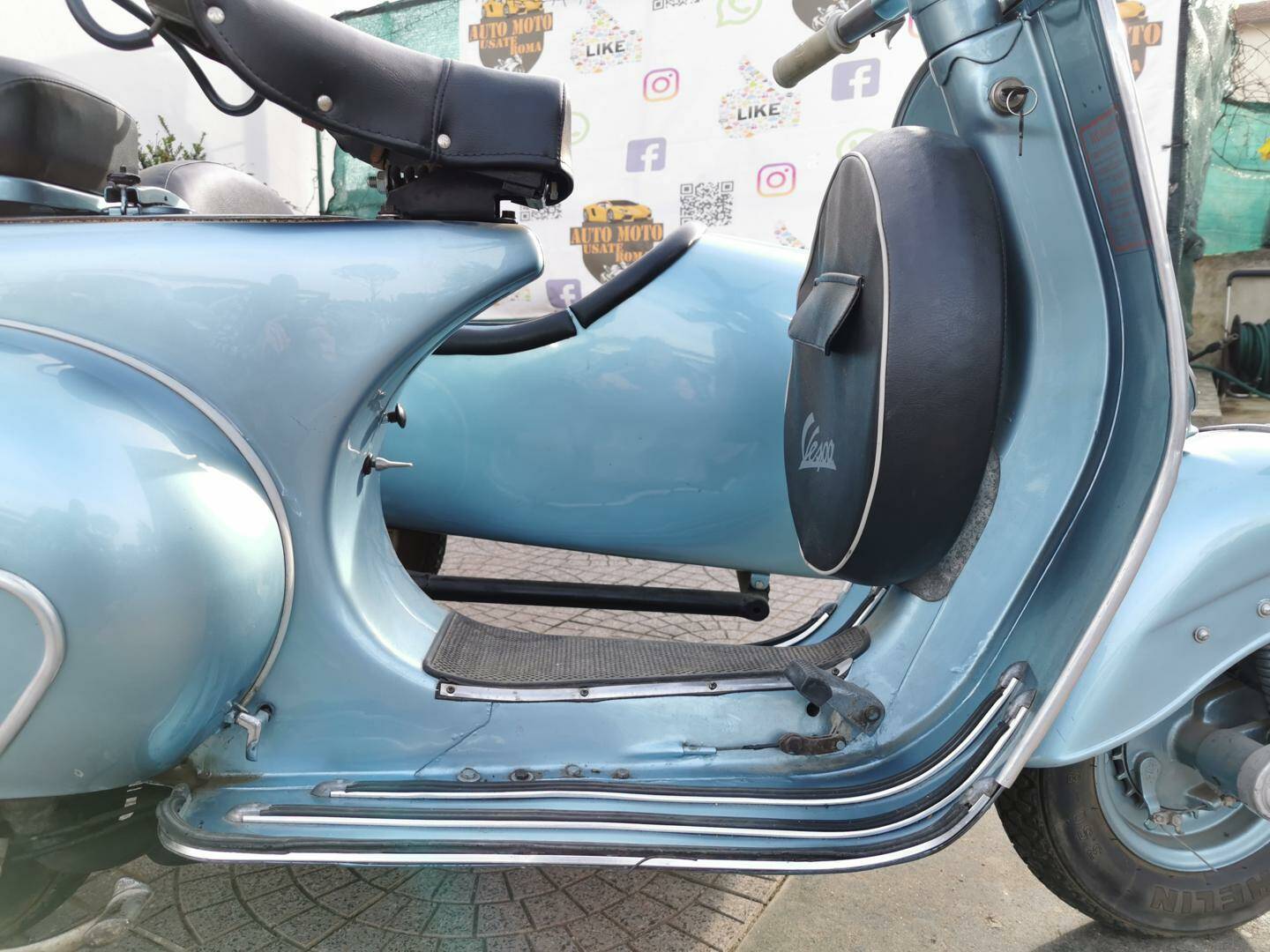
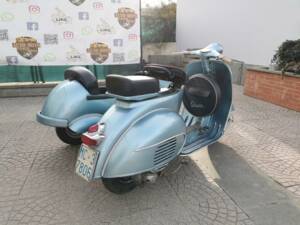
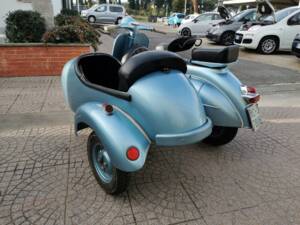
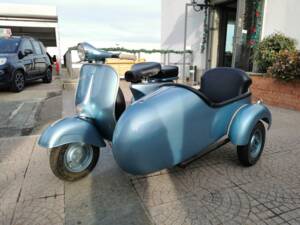
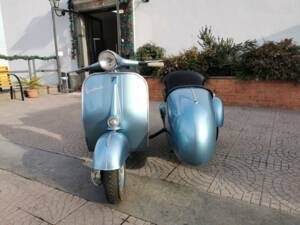
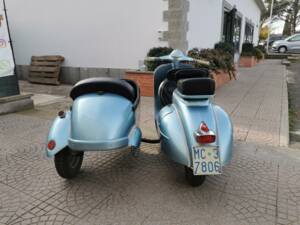
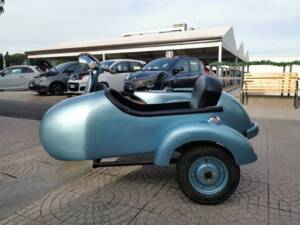
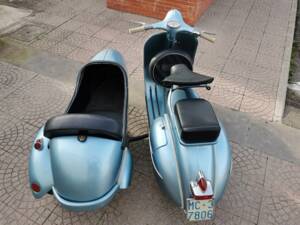
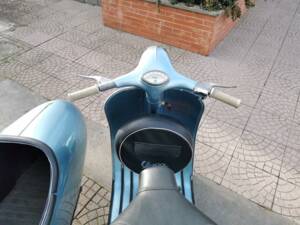
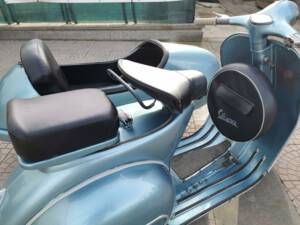
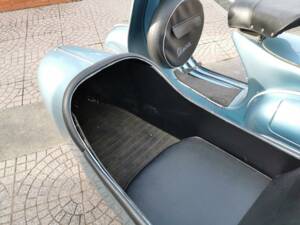
The Vespa 150 series included the VBA1T, VBB1T, VBB2T, and special builds such as the VBB1M and sidecar editions. The VBB1T replaced the older, broader models, offering better ergonomics and updated details. Optional equipment included a folding rear seat or sidecar for extra practicality. With models produced mostly from 1959 to 1964, this series laid the groundwork for subsequent Vespa developments, while preserving the classic look and appeal that made the brand internationally beloved.

Highlights and Market Trends

Original Vespa 150s, especially the VBB1T/VBB2T and VBA1T, are recognised for their robust 150 cc two-stroke engine, characteristic exhaust note, and their hand-shifted four-speed gearboxes. Collectors value these vehicles for their period-correct paint finishes, authentic badging, and Italian paperwork (or Austrian special approvals where applicable). Period options, from sidecars to special colours like Azzurro Metallizzato or Linden Green, add to their appeal. The majority of market listings (45.9%) refer to VBB1T/VBB2T models, showcasing high supply and sustained collector demand. Demand statistics indicate that listings without a manufacturer code attract over 61% of listing views, demonstrating that both fully original and less clearly-identified examples remain sought after.

Technical Data

Special Editions and Collectible Models

Some Vespa 150s are certified with ASI "Targa Oro" or FMI classic scooter accolades, confirming their historic originality and authenticity. Rare variants include factory sidecar configurations, authenticated museum pieces, and models restored in period-correct paintwork. Particular attention is given to those with original documentation, badges, or provenance, making them attractive to purist collectors.

Weak Spots and Common Issues

The Vespa 150 enjoys a reputation for simple maintenance and exceptional spare parts availability. Most models require little more than regular servicing, with restoration typically focused on cosmetic rather than structural or mechanical areas. Watch for originality of paint and fitted components, as many have been restored—sometimes deviating from factory specifications. Mechanical issues are rarely severe if maintenance is up to date.

Engine, Performance, Transmission and Handling

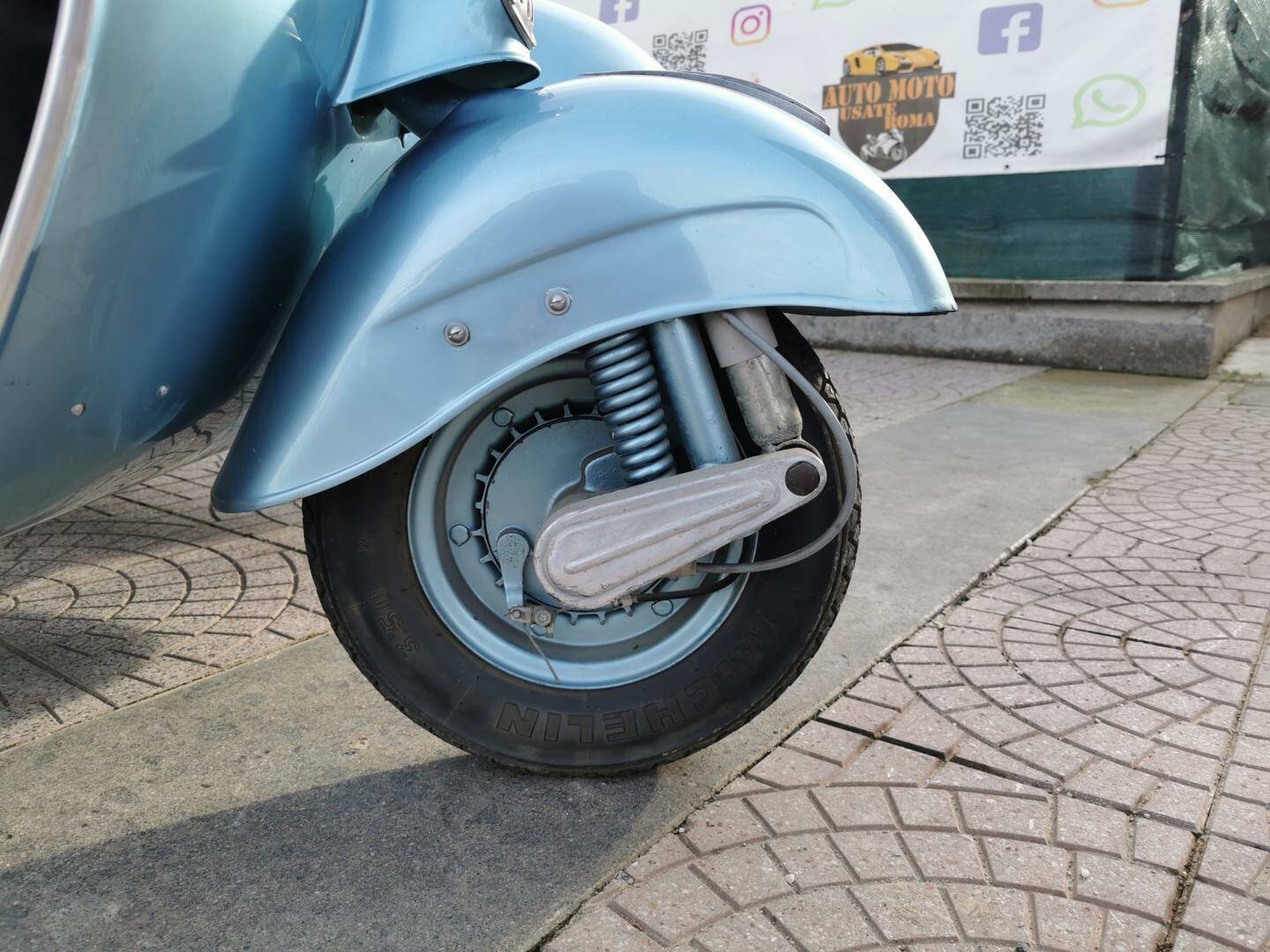
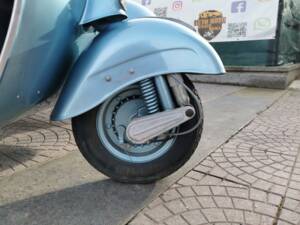
Equipped with a punchy 150 cc air-cooled two-stroke engine, the Vespa 150 provides practical city driving and reliable cruising at moderate speeds. The four-speed gearbox is operated via a hand twist-shift, a signature feature of period Vespas. Drum brakes on both axles and modest tyre dimensions (8-inch wheels) trade ultimate highway performance for nimble, easy handling, well-suited to urban traffic. Sidecar-equipped or converted models offer an alternative ride experience and increased capacity—factors valued by enthusiasts and collectors. - VBB1T/VBB2T: Most commonly listed, reflecting high availability and demand. Typically with original hand-shift and sought-after paintwork.

  • VBA1T: Known for early features and robust construction. Slightly less common but followed by specialist interest.

Interior, Exterior and Design

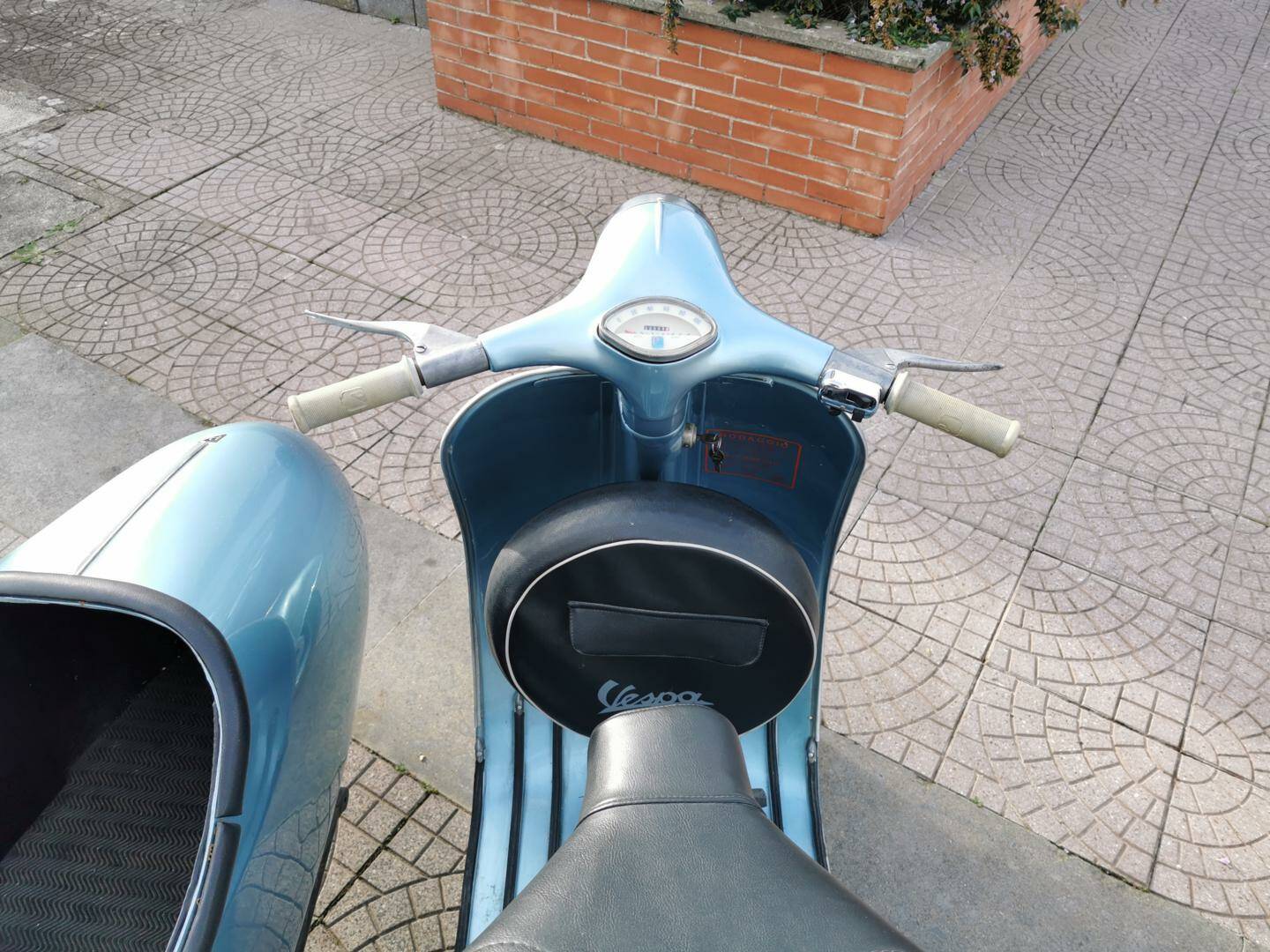
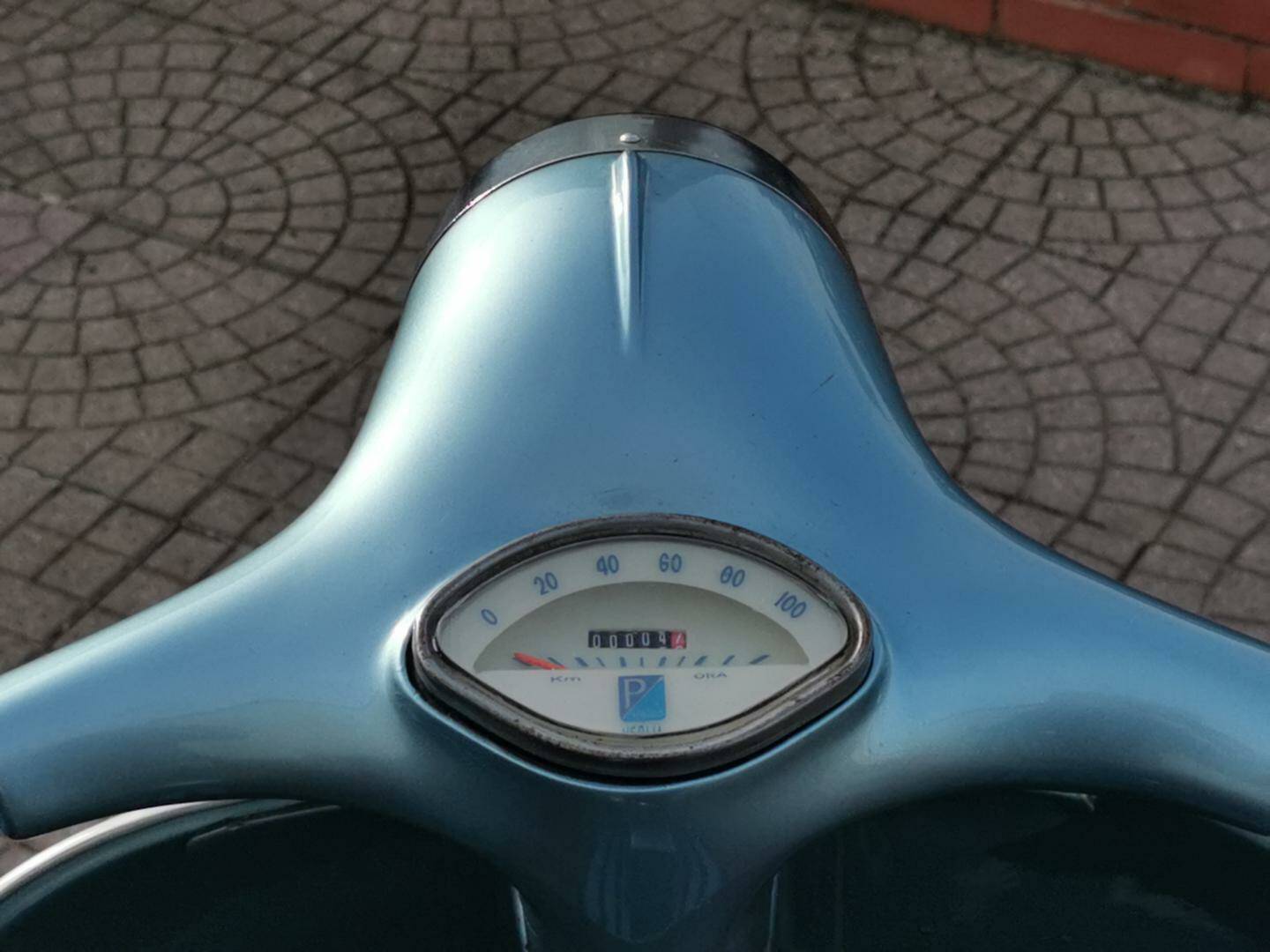
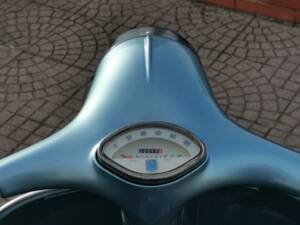
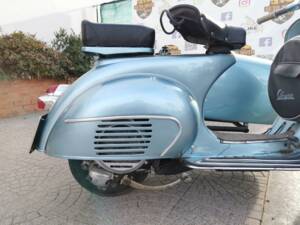
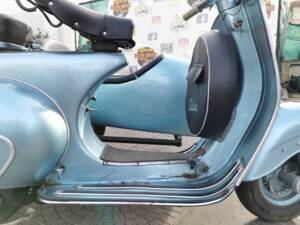
The Vespa 150’s signature slim body, strongly curved leg shield, and compact frame differentiate it from predecessors. Colours like Azzurro Metallizzato and Linden Green were factory options and remain favourites for authentic restorations. Original seat upholstery (often double seat or separate passenger pad), classic badgework, and period-correct meters are major draws. Many bikes still retain accessories such as spare wheel holders or folding seats, reflecting period equipment. Restoration to original specification, especially to rare colour codes or with provenance documentation, adds significant market appeal. Optional sidecars, export mark badges, and ASI or FMI plaques further distinguish standout examples.

Other Noteworthy Features

Vespa 150s are commonly provided with historic registration documentation (Italian or Austrian papers, individual approval) and are frequently ISCRITTA FMI or have the ASI “Targa d’Oro” for historic vehicles. Individual export and delivery services, as well as trade-in and financing solutions, are often supported for classic Vespa sales. The model is regularly used not only as a practical everyday scooter, but also featured in décor, exhibition, and museum settings.

Summary

The Piaggio Vespa 150, especially from the VBA and VBB series, remains one of the most recognised classic scooters thanks to its period engineering, stylistic references to Italian urban culture, and excellent restoration potential. With high supply and enduring demand for original, well-documented examples, it remains a benchmark for enthusiasts seeking authentic 1960s scooter charm combined with reliable mechanics and customisation possibilities.