- Motorcycle
- Piaggio
- Piaggio Vespa 150 (10 offers)
Piaggio Vespa 150 classic scooters for sale
The Piaggio Vespa 150 stands as a true reference point among classic scooters, celebrated for its advanced 2-stroke engine, 4-speed manual gearbox, and distinctive bodywork. Models like the VBA1T and the VBB1T/VBB2T from the early 1960s captivate collectors with their historic significance, technical details, and period-specific accessories. Discover more about the Vespa 150’s place in European scooter history.
Search results
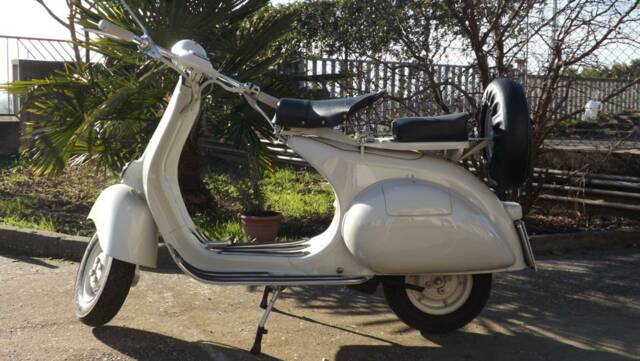

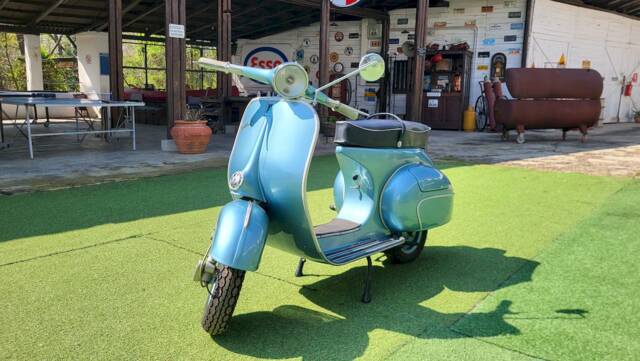
1962 | Piaggio Vespa 150
SUMMER PRICE 2026 @ CITY MOTORS
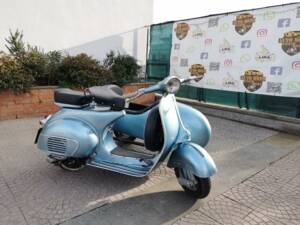
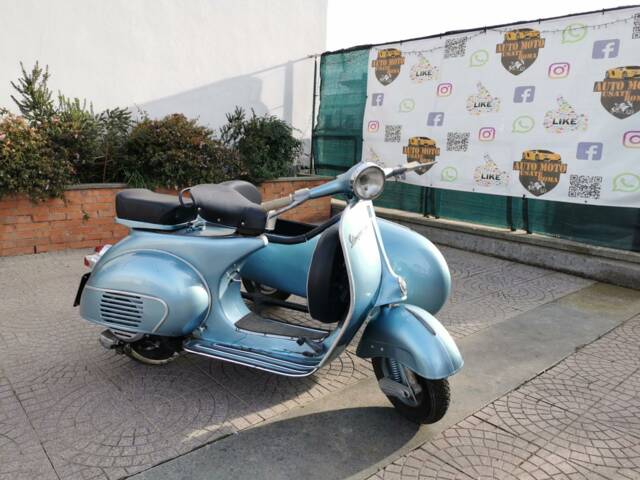
1961 | Piaggio Vespa 150
* OMOLOGATA SIDECAR- 6 Cv * RATE AUTO MOTO SCOOTER
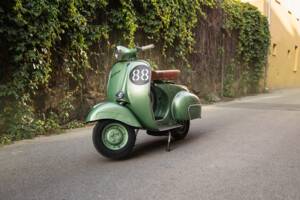
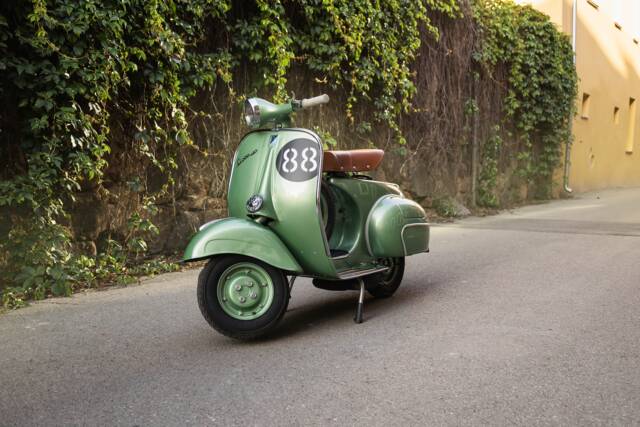
1961 | Piaggio Vespa 150
1961 Vespa 150 VBB1 | Matching Numbers | Professionally Restored | Pinasco 177
Newsletter
The best Piaggio listings, straight to your inbox
Get hand-picked Piaggio listings, plus the best of cars, motorbikes, and auctions on Classic Trader — all in one place.
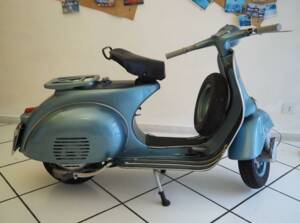
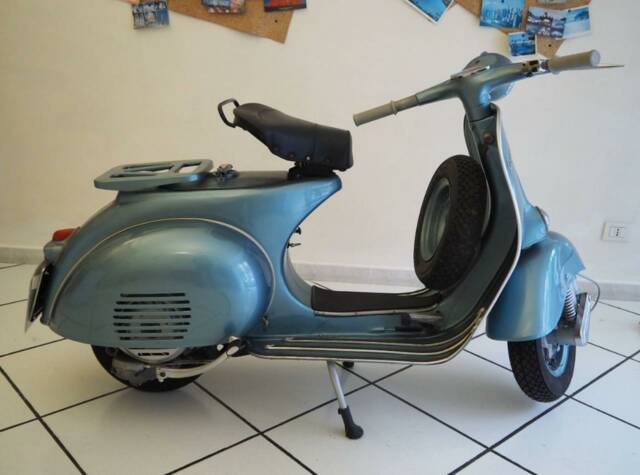
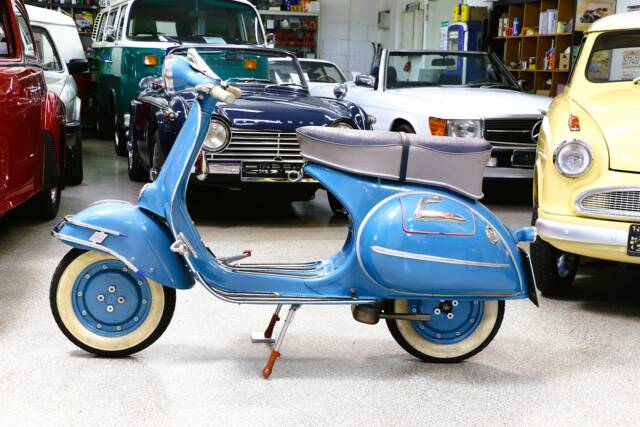
1959 | Piaggio Vespa 150
Sammlungswürdig - Liebevoll restauriert und sofort startklar

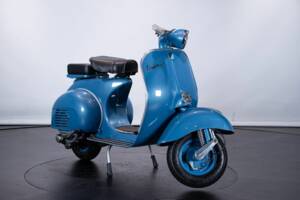
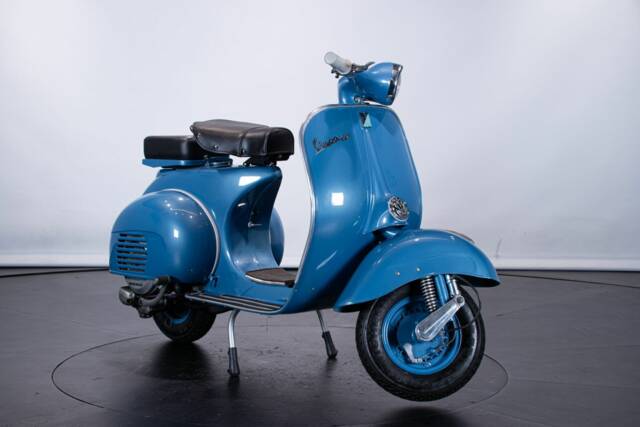
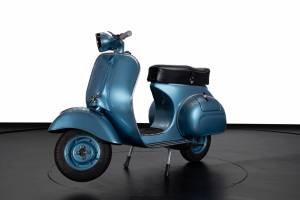
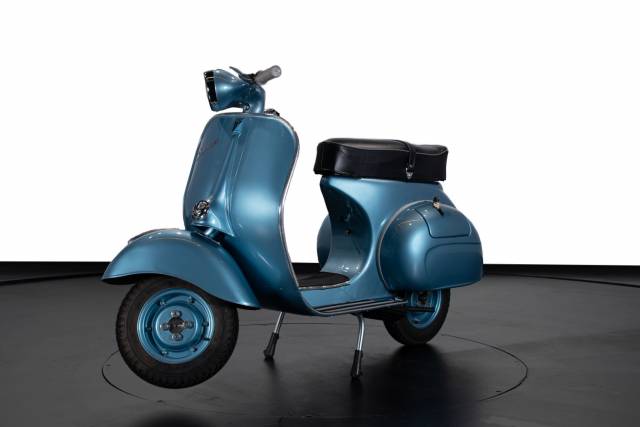
1962 | Piaggio Vespa 150
VBA !! IMPRESSIVE RESTORATION !!
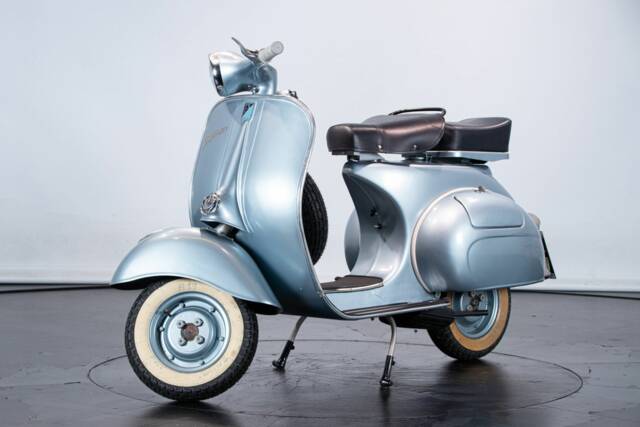
1950 | Piaggio Vespa 150
150 VBA !!!
Piaggio Vespa 150 listing references from Classic Trader
Below you will find listings related to your search that are no longer available on Classic Trader. Use this information to gain insight into availability, value trends, and current pricing for a "Piaggio Vespa 150" to make a more informed purchasing decision.
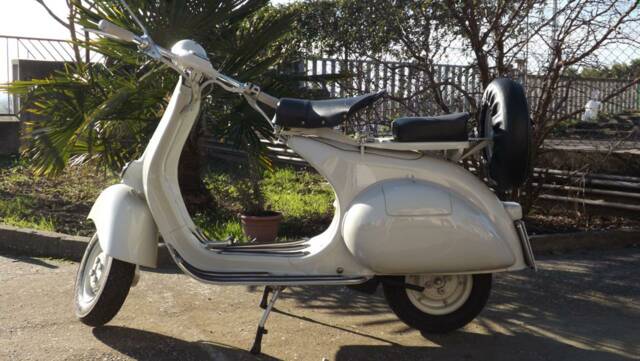
1956 | Piaggio Vespa 150
-
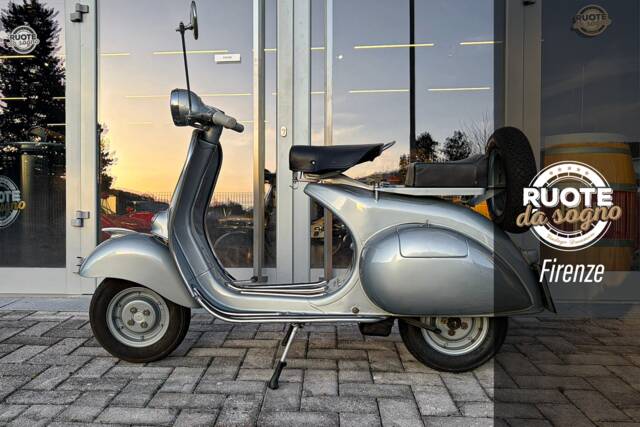
1957 | Piaggio Vespa 150
Piaggio VESPA VB1T 150
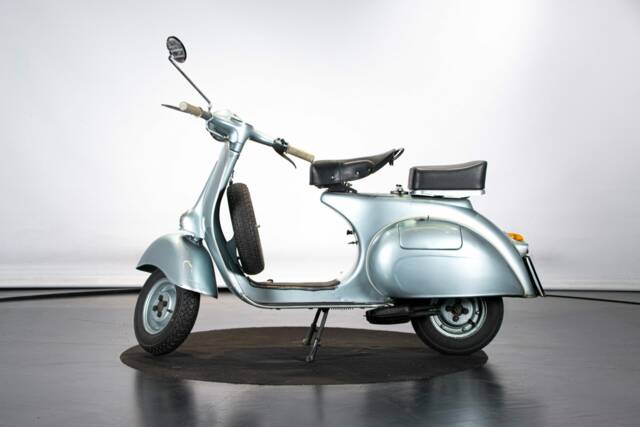
1960 | Piaggio Vespa 150
Piaggio VESPA 150 VBA
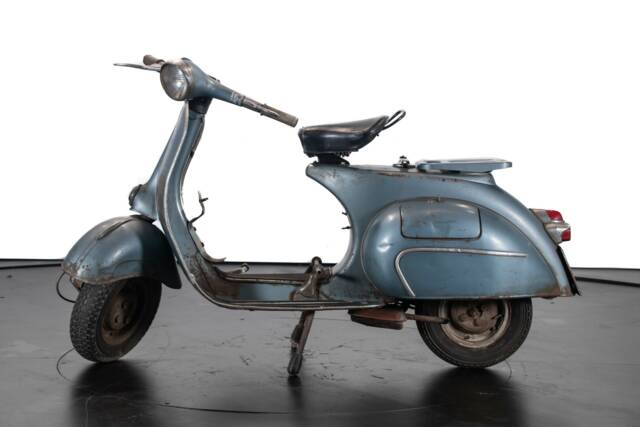
1962 | Piaggio Vespa 150
Piaggio Vespa VBB1 150
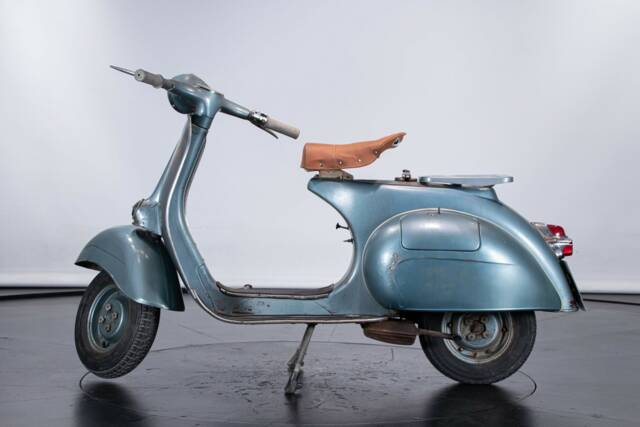
1960 | Piaggio Vespa 150
2024-07-22 08:45:44 | Piaggio VESPA 150 VBB1T
Piaggio Vespa 150 Classic Motorbikes: Prices & Market Values
The market value of Piaggio Vespa 150 motorcycles is primarily determined by technical condition, originality, and mileage, as well as rarity, history, and documentation. A well-maintained, largely original vehicle with low, verifiable mileage and a complete history including expert reports and documentation generally achieves significantly higher prices than a comparable vehicle with deferred maintenance, extensive modifications, or an unclear provenance.
Piaggio Vespa 150: Market Prices & Value Trends
Based on sales data from the Classic Trader marketplace, the Piaggio Vespa 150 market in Europe has been broadly stable to slightly firmer over the period from early 2021 to February 2026, with a clear clustering of asking prices rather than a steady month-by-month rise. Most examples in the dataset are classic 1950s–mid-1960s scooters (notably 1956, 1958, 1960 and 1962 models, typically around 5–6 hp), and the majority of classifieds sit in a realistic band of roughly £4,800 to £8,700. Cheaper entries around £3,400–£4,500 do appear, but they look like condition-led opportunities rather than the norm, while very high figures (for example above £14,000 and one extreme outlier over £20,000) should be treated as exceptional, likely reflecting concours restorations, rare provenance, or optimistic pricing. For today’s buyers, this suggests a liquid, mature market where originality and restoration quality drive value; for sellers, well-documented, period-correct scooters can still command the upper end without relying on outliers.
History of the Piaggio Vespa 150
Introduced in the early 1960s, the Piaggio Vespa 150 replaced the earlier Widebody series and marked a design and engineering shift for Vespa. This era brought a slimmer frame with a more prominent curved leg shield, distinguishing it from predecessors. The Vespa 150 not only stood for affordable mobility in post-war Europe, but it also became closely tied to Italian culture, making numerous appearances in classic film, notably in 'Roman Holiday.' Its reputation as a city scooter and its role in promoting the 'Dolce Vita' ethos made it a leader of Italian urban mobility throughout the decade.
Model History of the Vespa 150
The Vespa 150's model lineage begins with early VBA-series, produced at the start of the 1960s, transitioning swiftly to the VBB1T and VBB2T types. The VBA1T served as a transitional model, refining aspects of chassis and mechanical assembly. The VBB-series dominated Italian streets due to refined mechanics, reliability, and adaptability for add-ons like sidecars. Later, production shifts brought the VNB1 variant and further developed the legacy of the Vespa 150 as a core model in the Piaggio lineup. These models collectively reflect the move from broader chassis designs of the previous era to more functional, urban-oriented engineering.
Highlights and Features of the Vespa 150
The Vespa 150’s construction includes a robust single-cylinder 2-stroke engine with forced air cooling, a 4-speed hand-shift transmission, and classic drum brakes. The availability of accessories such as the Abarth twin-pipe exhaust, ‘Ulma’ footboard trims, and detachable sidecars set it apart for enthusiasts. Original colours—especially 'Azzurro Metallizzato' (code 890)—and factory details like the 8" wheels or the classic spare wheel mount give each unit unmistakeable period character. Restoration experts and collectors value originality, as evidenced by the frequent presence of original documents, matching-number engines, and period-correct paint codes.
Technical Data of the Vespa 150
Special Editions and Collectible Models
Within the Vespa 150 lineup, the VBB1T and VBA1T stand out as collectable types. Additionally, models restored to factory specification and certified by Italian historic registers (ASI/FMI, often with 'Targa Oro' award) are highly valued. Authentic accessories—such as Abarth exhausts, ‘Ulma’ accessories, and original sidecars homologated for three seats—increase desirability and underscore period originality.
Maintenance and Known Issues
Vespa 150 scooters typically require regular maintenance of the engine—especially crankshaft and connecting rod bearings, clutch unit, and piston rings. Common procedures during restoration include complete engine overhauls, cylinder regrinding, and reworking of ignition components. Brake shoe replacement, inspection of suspension dampers, and attention to electrical wiring are standard. Corrosion on fasteners (bolts and nuts) is usual, making original or period-correct replacements important for collectors. Restoration aims almost always involve returning to period originality, including correct paint and trim parts.
Engine, Transmission, and Handling
The 2-stroke 150cc engine delivers spirited city performance with a manual four-speed gearbox, allowing confident acceleration and nimble traffic navigation. Drum brakes and steel-rimmed 8-inch wheels provide classic scooter handling, while a comfortable ride is aided by revised front and rear suspension on most restored units. The sidecar-ready frame allows period-correct three-seater conversions. Regular upgrades may include whitewall tyres and improved shock absorbers. - Vespa 150 VBB1T: Noted for reliable mechanics, common in historic registrations.
- Vespa 150 VBA1T: Recognised for transitional design features.
- Vespa 150 VNB1: Later variant with design tweaks and updated chassis.
Design, Interior, and Accessories
Whilst the Vespa 150’s design is unmistakably Piaggio, unique model features include the more pronounced leg shield, sleeker body from the transition away from Widebody design, and availability of period-correct metallic blue paint (Azzurro Metallizzato, code 890). The interior comprises basic but functional switchgear and classic ‘Ulma’ running board accessories. Rarely, original sidecars are found still homologated for three passengers. Common options include a secondary rear seat, folding footrests, and a range of genuine chrome-plated trim pieces. Purists seek out models with factory handlebars, badges, and paper documentation.
Other Noteworthy Features
Piaggio Vespa 150 units often come with comprehensive supporting documentation, including original registration papers and, where present, historical number plates. Vehicles certified by ASI or FMI in Italy sometimes achieve 'Targa Oro' status for their high degree of originality, which is particularly relevant to registration and taxation benefits as historic vehicles. Export and re-registration in other European countries such as Austria is often straightforward, with single-approval processes where required.
Summary
The Piaggio Vespa 150 stands out for its technical specification, historic model evolution, and detailed period-correct restoration options. The VBB1T/VBB2T and VBA1T models are at the core of supply and demand, highlighting their ongoing presence in the classic scooter market. Accessories, official colour codes, and recognised registration certificates reinforce the Vespa 150’s reputation as a carefully preserved piece of Italian mobility heritage.