- Motorcycle
- Kawasaki
- Kawasaki Z 1000 (3 offers)
Kawasaki Z 1000 classic bikes for sale
The Kawasaki Z 1000, produced in 1977 and 1978, set standards in power, handling and design for four-cylinder air-cooled motorcycles. With a robust steel double cradle frame, around 83 PS and a top speed near 210 km/h, it continues to represent the classic naked bike feeling of the late 70s. Its combination of mechanical simplicity, reliability, wide parts availability and the strong enthusiast community make it the central classic bike from Kawasaki—offered in multiple versions and sought after as both a rider’s and collector’s machine.
Search results
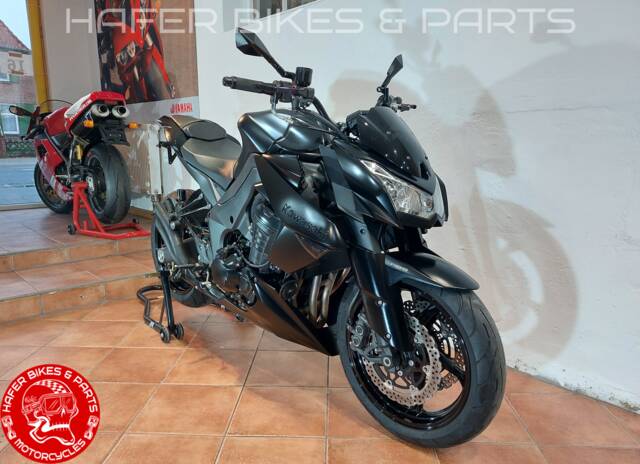
2013 | Kawasaki Z 1000
Black Edition 16.325km 2.Hand SERVICE NEU
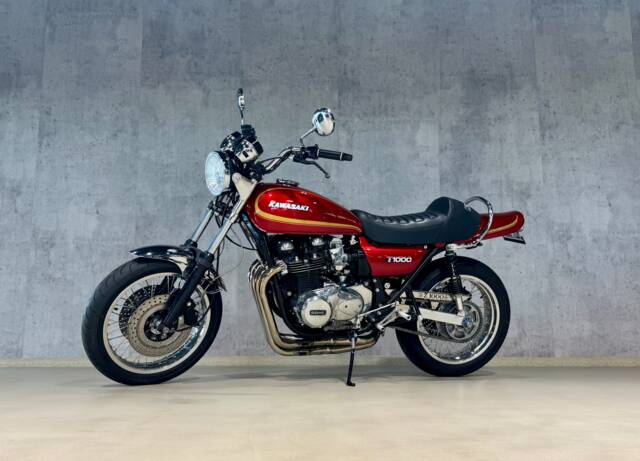
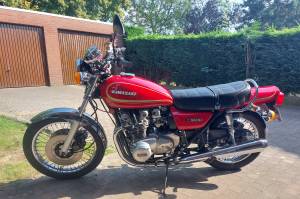
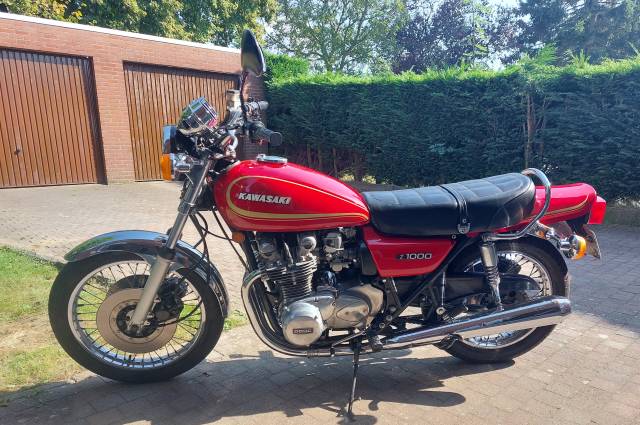
1979 | Kawasaki Z 1000
1979 Kawasaki Z 1000
Kawasaki Z 1000 listing references from Classic Trader
Below you will find listings related to your search that are no longer available on Classic Trader. Use this information to gain insight into availability, value trends, and current pricing for a "Kawasaki Z 1000" to make a more informed purchasing decision.
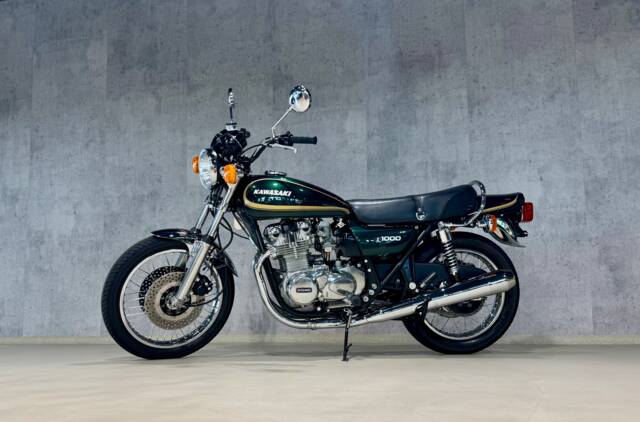
1978 | Kawasaki Z 1000
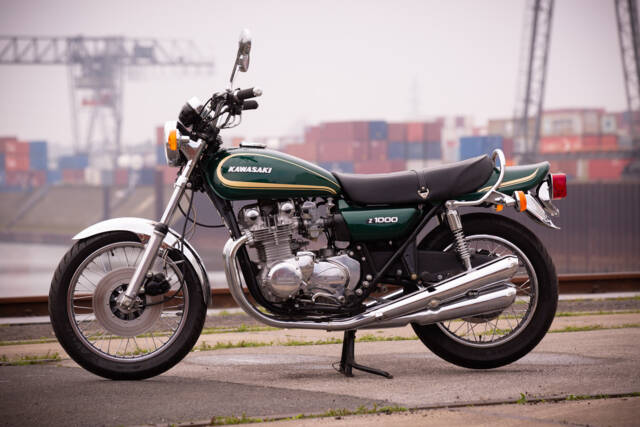
1977 | Kawasaki Z 1000
Top restauriert
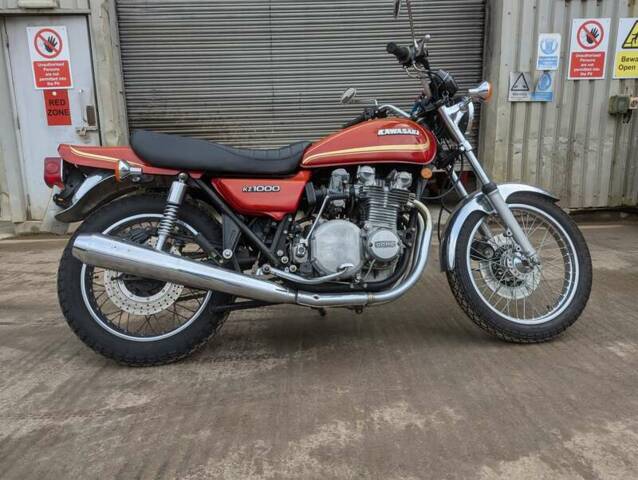
1977 | Kawasaki Z 1000
1977 Kawasaki KZ1000 1,015cc
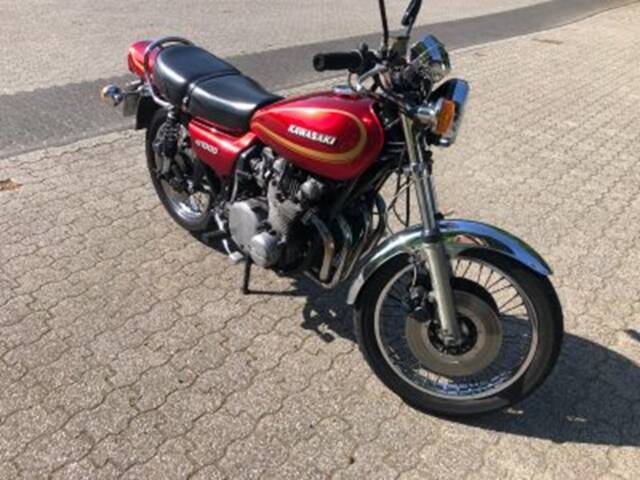
1979 | Kawasaki Z 1000
Liebhaber-Fahrzeug seid 1980 in meinem Besitz
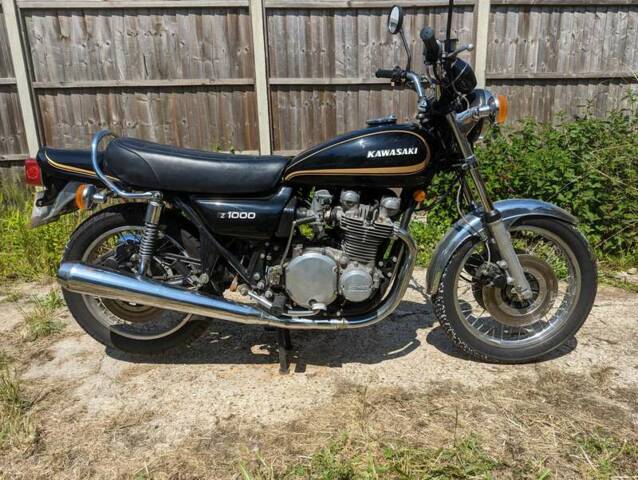
1978 | Kawasaki Z 1000
1978 Kawasaki Z1000 A2 1,015cc
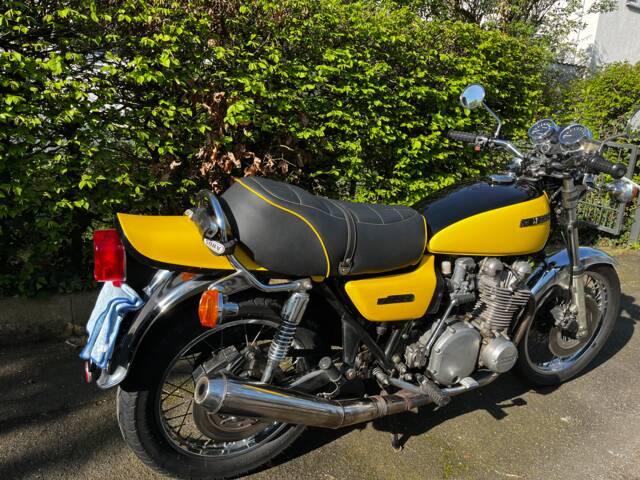
1978 | Kawasaki Z 1000
Z1F
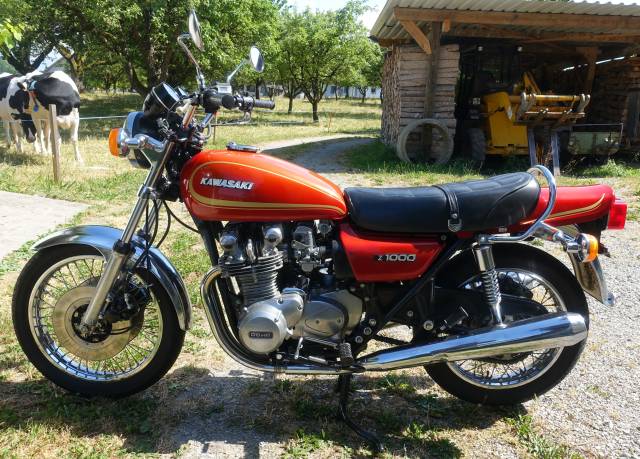
1979 | Kawasaki Z 1000
Sehr gut erhaltenes und gepflegtes Fahrzeug
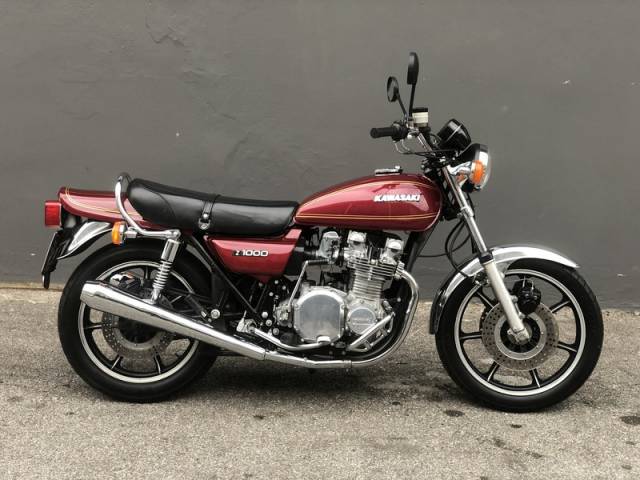
1978 | Kawasaki Z 1000
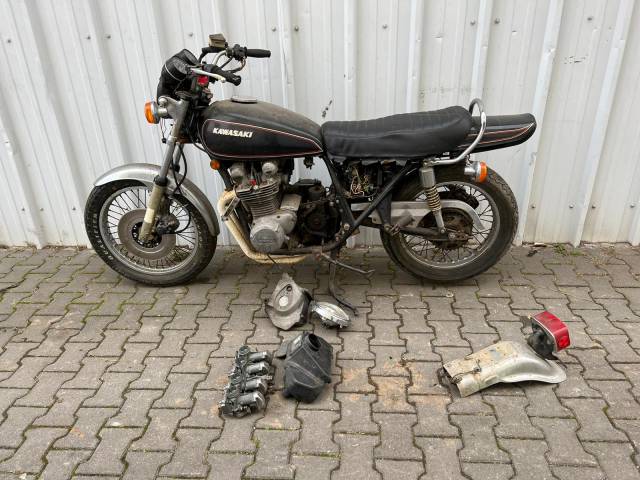
1977 | Kawasaki Z 1000
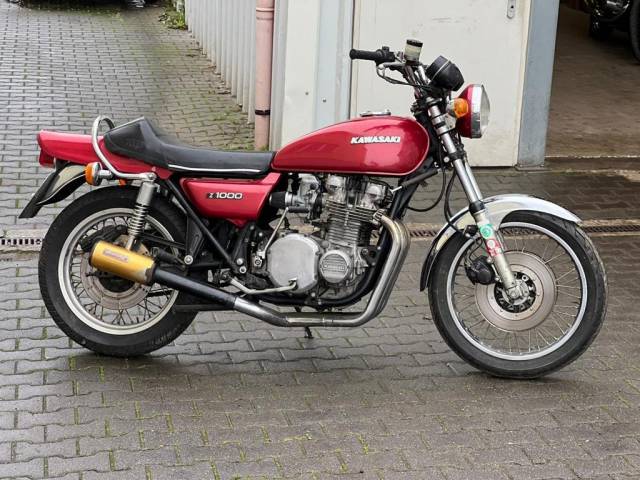
1978 | Kawasaki Z 1000
Kawasaki Z 1000 Classic Motorbikes: Prices & Market Values
The market value of Kawasaki Z 1000 motorcycles is primarily determined by technical condition, originality, and mileage, as well as rarity, history, and documentation. A well-maintained, largely original vehicle with low, verifiable mileage and a complete history including expert reports and documentation generally achieves significantly higher prices than a comparable vehicle with deferred maintenance, extensive modifications, or an unclear provenance.
Kawasaki Z 1000: Market Prices & Value Trends
Based on Classic Trader marketplace sales data from March 2021 to November 2025, the Kawasaki Z 1000 market in Europe looks broadly stable, with a slight firming for early, original air-cooled bikes. Most activity centres on late-1970s examples (1977–1979, typically 85–90 hp), where prices repeatedly cluster in the mid-range rather than moving in one clear direction. Across the dataset, values span from about £4,400 to £21,600, but that full spread includes a few low-priced project-style offerings and occasional high outliers. A more realistic current market range for well-presented, road-ready Z 1000s is roughly £6,500 to £16,500, with the strongest money usually attached to tidy, correct-spec 1977–1979 bikes with clear history. Newer Z 1000s can sit noticeably lower; the single 2013 example appears around £6,500, reflecting modern availability and different buyer demand. Overall, pricing suggests steady collector interest in the model’s iconic late-’70s superbike status, while condition and originality remain the main value drivers.
History of the Kawasaki Z 1000
The Kawasaki Z 1000 appeared in 1977 as a logical evolution of the era's four-cylinder movement. Following the Z1, the Z 1000 brought increased engine displacement, further refinement and technical advancements. Kawasaki’s aim was not just more performance, but also higher everyday usability and reliability, as the motorcycle market matured. The robust steel double-loop frame, air-cooled inline-four and powerful disc brakes characterised a machine designed both for sporty use and longer touring. The Z 1000 series embodied the transition from the early superbikes of the 1970s to more technically advanced machines.
Model history
Within the Z 1000 range, the A1 and A2 (1977 and 1978) stand out as classic variants, directly succeeding the Z1 and paving the way for later, more modern Kawasaki naked bikes. The standard Z 1000 set the layout with air-cooled, carburettor-fed engines and a focus on a solid frame structure. The KZ1000D1 Z1R model, with its characteristic 21-litre tank and styling tweaks, expanded the range, while later Z 1000 models would integrate more electronic features. The Z 1000’s DNA is present throughout subsequent generations of Kawasaki's naked and sport-touring motorcycles, always focusing on a balance between raw power and road usability.
Highlights and Notable Features
- Four-cylinder inline, air-cooled engine, typically delivering around 83 PS
- Robust double cradle steel frame
- Large 21-litre tank (for Z1R variant)
- Triple disc brakes
- Distinctive 70s naked bike design with functional instrument cluster and spoked wheels
- High level of parts interchangeability with other Kawasaki Z models
- Strong tradition for tasteful modifications: exhausts, handlebars, wheels and forks all upgraded by enthusiasts
- Paintwork options ranging from factory black and metallics to individual custom finishes
Technical Data
Special editions and rare models
The KZ1000D1 Z1R (1978) is the standout special version, recognisable by its larger, angular tank and optional half-fairing. It introduced sharper styling, metallic finishes and minor chassis changes compared to the standard A1/A2 models. Modified bikes with period accessories (Konis, racing exhausts, upgraded handlebars) also hold particular interest for enthusiasts due to their period-correct look and ride feel.
Weak Spots and Known Issues
No significant chronic weaknesses are recorded in the source material. The Z 1000 is renowned for its durability and the reliable supply of spare parts. Like any air-cooled classic, regular checks on valve clearances, carburation, and oil changes are recommended. Modifications such as aftermarket exhausts and brake upgrades are common, and authenticity should be checked when purchasing. Ensure frame, engine and suspension components have been correctly maintained, with particular attention to modified bikes.
Engine, Performance and Handling
The Z 1000’s 1,000cc air-cooled four-cylinder engine is known for its broad torque, punchy acceleration and solid top end, making it suitable for both spirited riding and relaxed touring. The manual transmission and chain drive transmit the power reliably, while the telescopic fork front and steel swingarm rear keep the handling predictable, if classic in feel. Triple disc brakes (with many contemporary upgrades like braided lines and Nissin calipers) give sturdy stopping power. The 240 kg curb weight is balanced well and doesn’t hamper agile cornering for its class. - Z1000A1/A2: Core production models, valued for their original configuration
- KZ1000D1 Z1R: A notable special with unique design, tank and optional fairing
- Modified versions: Many survive with upgraded handlebars, exhausts, shocks or cosmetic details, catering to both nostalgia and improvements in usability
Design, Equipment, Colours and Accessories
The Z 1000 is an exemplar of 70s naked bike design: tank, twin seat and engine exposed, with minimum plastic. Spoked wheels (often anodised), chrome or black engine finishes and options like pearl or matte paints underline the custom scene surrounding this bike. Handlebar configurations range from standard to period clip-ons, while original and accessory exhausts (popularly 4-1 systems) alter both sound and aesthetics. The instrument cluster is functional and retro, with clear gauges and warning lights. Period accessories such as luggage racks, main and side stands, and optional Kijima cooling fins or oil cooler kits further define individual bikes.
Other relevant features
Thanks to its sturdy design and popularity, the Kawasaki Z 1000 remains easy to upgrade or individualise. Legal modifications—ranging from upgraded shocks and steel-braided brake lines to retro-style fairings and custom lighting—are part of the Z 1000 culture. Factory and aftermarket parts are widely available, helping to keep these bikes running strong and authentic, whether ridden regularly or kept as collector's pieces.
Summary
The Kawasaki Z 1000, produced for a brief but influential period, offers mechanical simplicity, reliability and highly flexible modification options, explaining its dominance among classic Kawasaki offerings. It fits both riders seeking a direct, powerful riding experience and enthusiasts valuing the distinct era-typical style. With all classic Kawasaki listings and demand on our database focused solely on the Z 1000, it’s evident this model defines the brand’s classic reputation and is an ideal entry-point into Japanese four-cylinder classics.