- Motorcycle
- Kawasaki
- Kawasaki 900 Z1 (1 offer)
Kawasaki 900 Z1 classic bikes for sale
The Kawasaki 900 Z1, introduced in 1972, set benchmarks in power and technology among classic motorcycles. Originally developed as a top-tier competition model, it has become highly regarded for its unmistakable features and mechanical sophistication. From matching engine and frame numbers to unique design cues, the Z1 stands out among collectors and enthusiasts alike.
Search results
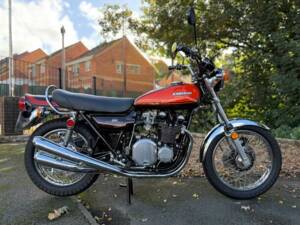
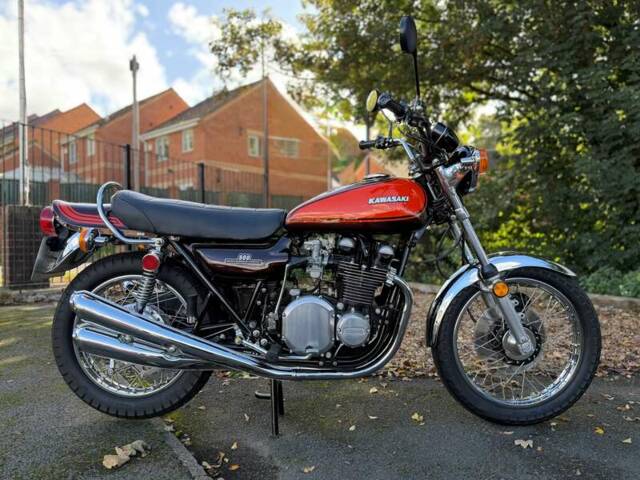
1972 | Kawasaki 900 Z1
1972 Kawasaki Z1 903cc

Kawasaki 900 Z1 listing references from Classic Trader
Below you will find listings related to your search that are no longer available on Classic Trader. Use this information to gain insight into availability, value trends, and current pricing for a "Kawasaki 900 Z1" to make a more informed purchasing decision.
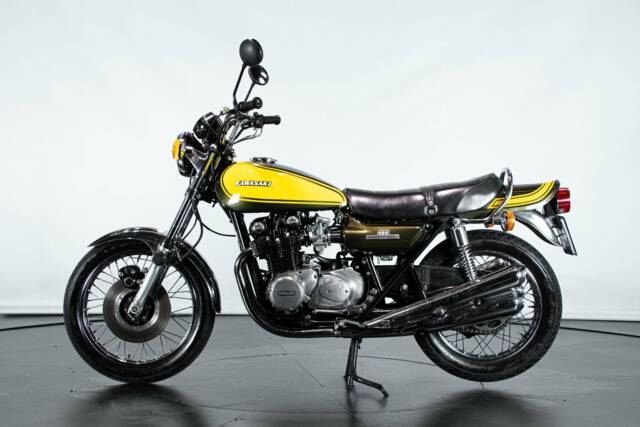
1973 | Kawasaki 900 Z1
-

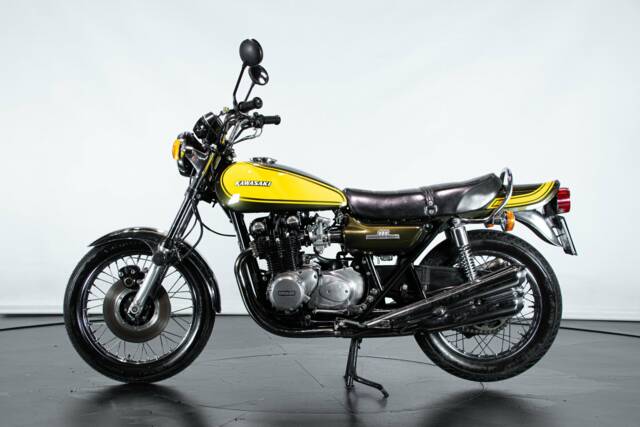
1973 | Kawasaki 900 Z1
-
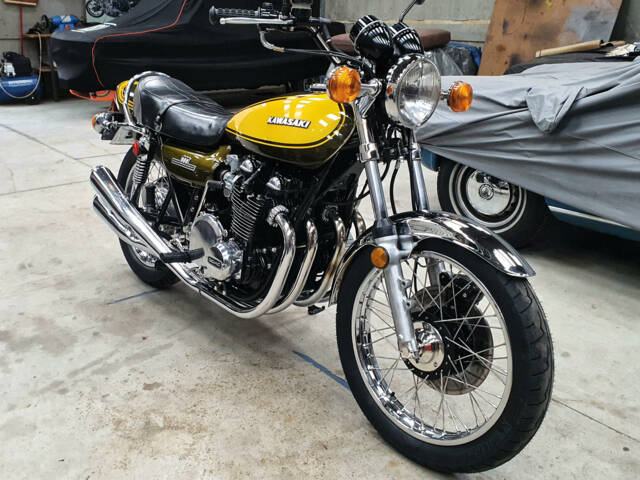
1973 | Kawasaki 900 Z1
1972 Kawasaki Z1 900, matching numbers , in exceptional condition

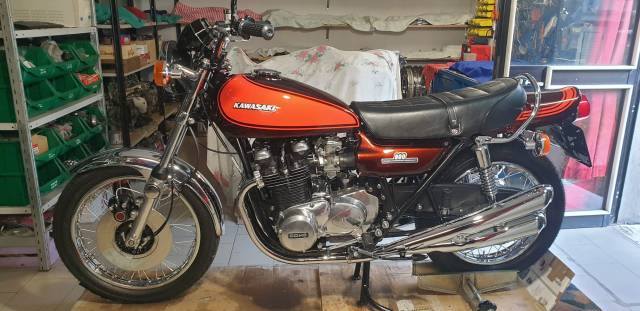
1972 | Kawasaki 900 Z1
1972 Kawasaki Z1
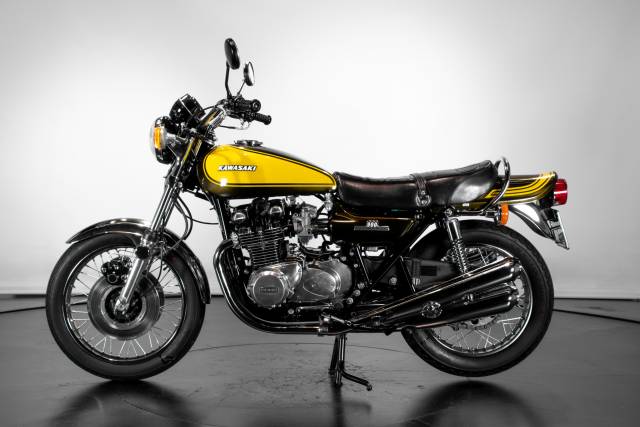
1973 | Kawasaki 900 Z1
-
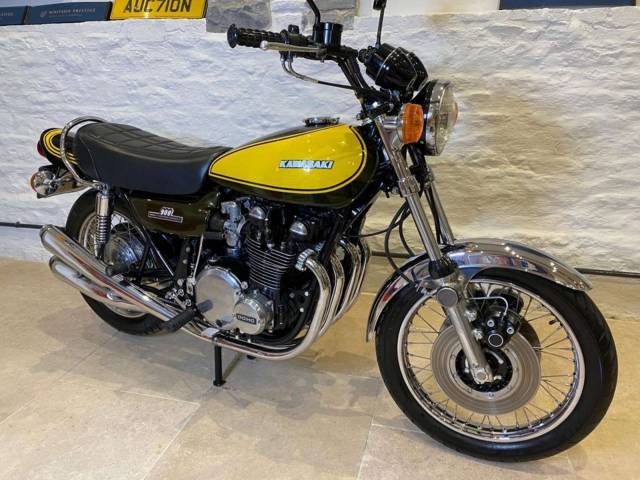
1973 | Kawasaki 900 Z1
1973 Kawasaki Z1 903cc
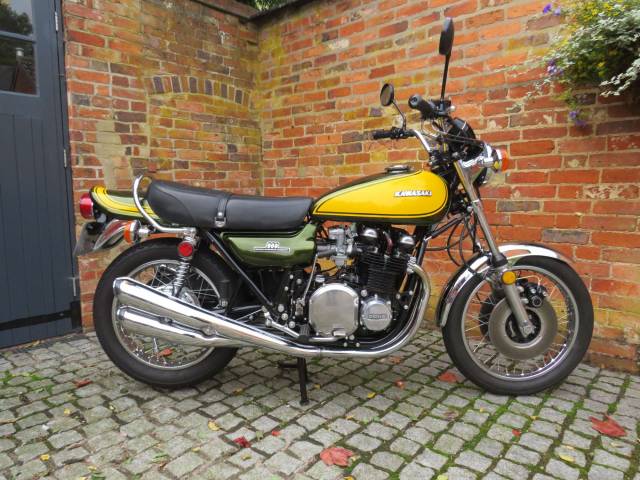
1972 | Kawasaki 900 Z1
1972 Kawasaki Z1 903cc
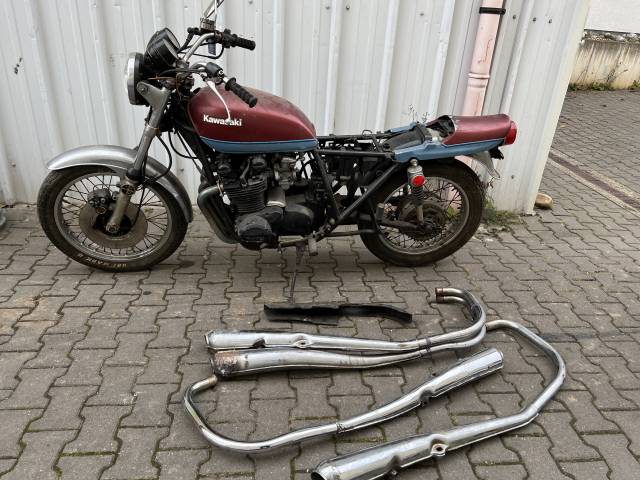
1973 | Kawasaki 900 Z1
Z1 project bike

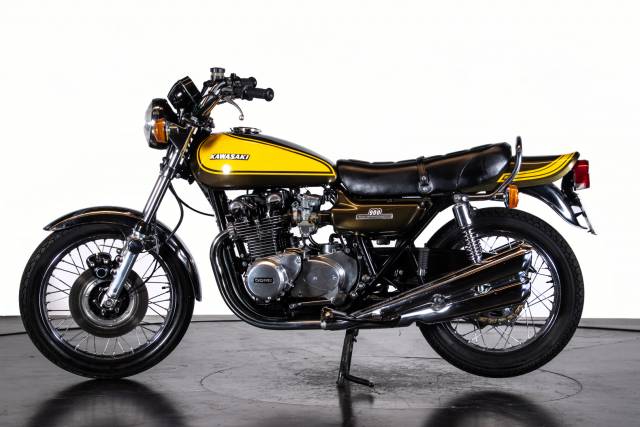
1973 | Kawasaki 900 Z1
-
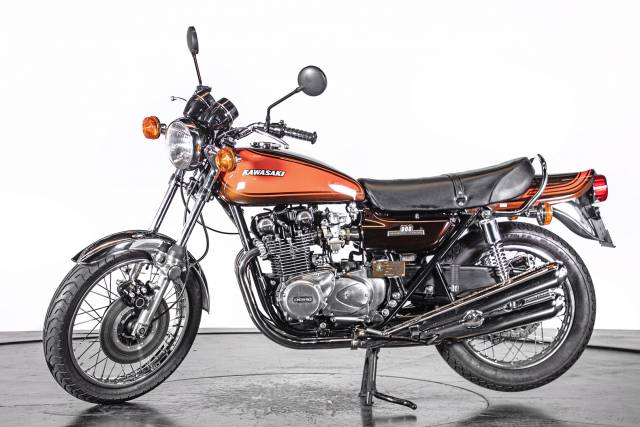
1973 | Kawasaki 900 Z1
-
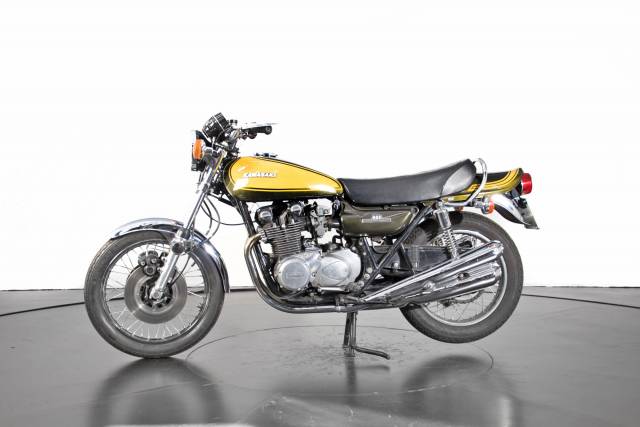
1973 | Kawasaki 900 Z1
-
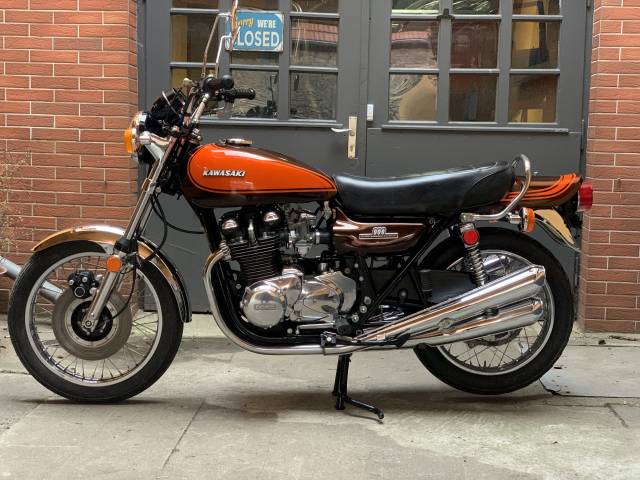
1973 | Kawasaki 900 Z1
Kawasaki 900 Z1 Classic Motorbikes: Prices & Market Values
The market value of Kawasaki 900 Z1 motorcycles is primarily determined by technical condition, originality, and mileage, as well as rarity, history, and documentation. A well-maintained, largely original vehicle with low, verifiable mileage and a complete history including expert reports and documentation generally achieves significantly higher prices than a comparable vehicle with deferred maintenance, extensive modifications, or an unclear provenance.
Kawasaki 900 Z1: Market Prices & Value Trends
Based on Classic Trader marketplace sales data from April 2021 to February 2026, the Kawasaki 900 Z1 (notably 1972–1974 bikes around 79–82 hp) shows a firm, broadly stable market with periodic spikes for standout examples. Most recorded prices cluster in the mid-teens to low-£20,000s, suggesting today’s realistic market range sits at roughly £12,000 to £23,000 for good, correctly presented bikes, with condition, originality and restoration quality doing the heavy lifting. There are also lower-priced entries around £7,500–£8,000 that likely reflect projects or bikes with compromises, while a single higher point near £34,500 appears to be an outlier rather than the norm. Recent European activity (including Italian and German entries) indicates sustained demand for early Z1s, helped by the model’s landmark status, period-correct performance and collector appeal. For buyers, this means the best machines still command a premium, but the broader market remains relatively steady rather than rapidly inflating.
History of the Kawasaki 900 Z1
Launched at the Cologne Motor Show in September 1972, the Kawasaki 900 Z1 marked a major departure in motorcycle engineering, placing Kawasaki squarely in the upper ranks of high-performance motorcycle producers. The initial 1972 run comprised only 4,900 bikes, making early models particularly rare. Key for originality, the Z1 is defined by meticulous details like the NHK steering damper (distinct to 1972), unmarked exhausts, a black fuel tap, rims coded '303', and an instrument cluster authentic to the first series. Already by its debut, the Z1 was regarded as a technological milestone, underpinned by features like a double overhead cam engine—a clear marker of its race pedigree.
Model Evolution and Series
The Z1 kicked off a new era for Kawasaki, following no direct predecessor in the 900 cc class and soon becoming the brand’s flagship. While future Z-models, like the Z900 and Z1000, inherited technical DNA from the Z1, the original stands out with its specific first-series features and details. Its recognition as a performance benchmark quickly led to evolutions, but purists regard only the early 1972 models—with their matching numbers and unique component combinations—as the authentic Z1. Notably, later models sometimes feature components from 1974, such as alternate carburettors or fork assemblies, which purists will notice at a glance.
Highlights and Noteworthy Details
Kawasaki’s 900 Z1 established itself as a performance machine upon release, combining a robust 903 cc inline four-cylinder engine with thoughtful engineering flourishes. Unique attributes include the iconic NHK steering damper (dated 1972), a distinctive 'kinked' rear brake pedal, unmarked original exhausts, and a black fuel tap exclusive to the earliest Z1s. Authenticity is often confirmed by matching engine and frame numbers and detailed originality in seat construction (metal base), instruments, and other hardware. The model’s status as a competition machine is underlined by such details.
Technical Data
Special Editions and Notable Variants
Particularly prized are the earliest 'Testa Nera' versions and bikes presented at major events like the 1972 Cologne Motor Show. Certification by organisations like FMI and awards such as the Targa Oro can further distinguish specific bikes. Documentation—first series keys, maintenance books, and competition accolades increase collector value.
Maintenance, Restoration, and Common Work
Comprehensive restoration of a Z1 focuses on chroming, polishing, and painting of the chassis and frame, as well as detailed work on forks, bearings, brakes, carburettors, throttle and clutch cables, and the electrical system. Routine replacement parts include chains, sprockets, filters, brake linings, tyres, and ignition components. Compression and leak-down tests are standard during engine maintenance. Note that non-original components—such as later petrol taps, mirror sets, or gauge faces—can impact authenticity for serious collectors.
Engine, Performance, and Dynamics
The heart of the Z1 is its 903 cc inline four-cylinder engine, which delivered some of the highest performance numbers available in a production motorcycle in 1972. The DOHC configuration and responsive five-speed gearbox underpinned its reputation as a competition-ready machine. Handling was enhanced by a distinctive steel twin-cradle frame, advanced (for its time) suspension, and sturdy brakes. Collectors and restoration projects focus on maintaining engine originality, especially verification of matching numbers and the presence of rare original features like the NHK damper. Most sought after are 1972 first-series bikes with original NHK steering dampers, black fuel taps, metal-based seat pans, and all matching numbers—a setup that encapsulates the performance and collector ethos of early Kawasaki four-cylinder motorcycles.
Design, Equipment, and Accessories
The Z1’s appearance is defined by its elongated fuel tank, chrome-plated fenders, and sculpted side covers. Special early-series details include unmarked exhausts, a black original fuel tap, factory-typical instruments, and seat bases crafted from metal. Instruments—tachometer and speedometer—feature model-specific faces. Colour options and finishes, especially rare originals, are coveted; accessories such as original mirrors and blinkers are important for accuracy. Documentation of matching numbers and original first-series equipment is a key concern among collectors.
Other Features and Considerations
Authenticity plays an outsized role in the value and appeal of Z1s: Complete paperwork, original maintenance instructions, key-lock kits from the first series, and certifications (like FMI’s Targa Oro) are all increasingly in demand. Models configured for concours and beauty contests benefit from provenance and documentation traceable to the initial ownership and competition history.
Summary
Kawasaki’s 900 Z1 set new engineering and performance standards at its launch in 1972. Today, the model is distinguished by its race-derived technical layout, unique features marking original first-series builds, and a restoration culture focused on absolute historical correctness. With full supply and demand stemming from this series in our marketplace, the Z1 remains a focal point for collectors and enthusiasts of high-performance classic motorcycles.