- Automobile
- Triumph
- Triumph Mayflower (0 offerte)
Triumph Mayflower classic cars for sale
The Triumph Mayflower, produced between 1949 and 1953, stands out as a compact British saloon with razor-edge styling, a 1.25-litre side-valve engine, and a singular luxury character in its segment. Its distinctive design by Leslie Moore and Walter Belgrove makes it instantly recognisable, while unique technical features and a limited production run have kept it in the spotlight among enthusiasts.
Risultati della ricerca
Attualmente non ci sono annunci corrispondenti alla tua ricerca.
Create search alert
Let yourself be notified as soon as a listing is published that matches your search filters.
Create listing
Do you have a Triumph Mayflower that you want to sell? Then create a listing now.
Create listingTriumph Mayflower listing references from Classic Trader
Below you will find listings related to your search that are no longer available on Classic Trader. Use this information to gain insight into availability, value trends, and current pricing for a "Triumph Mayflower" to make a more informed purchasing decision.
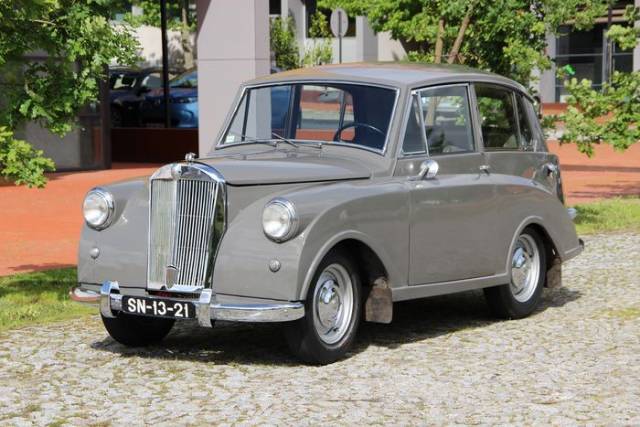
1951 | Triumph Mayflower
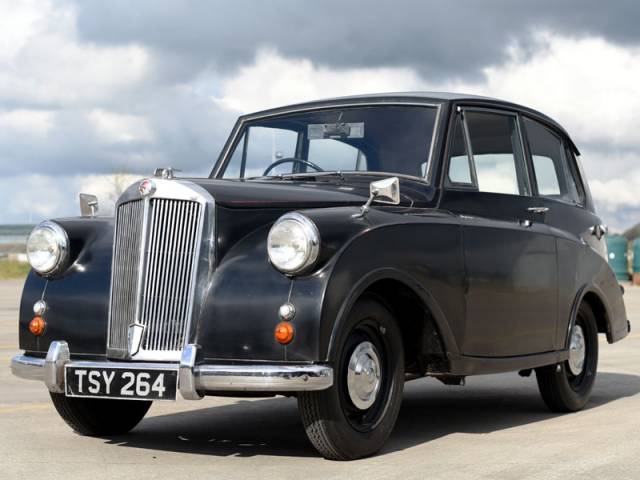
1953 | Triumph Mayflower
For Sale by Auction National Motorcycle Museum: 02.06 - Estimate 3000 - 4000 GBP
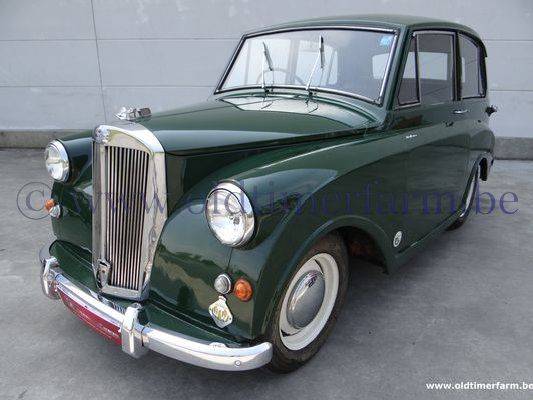
1953 | Triumph Mayflower
1953 Triumph Mayflower Saloon '53
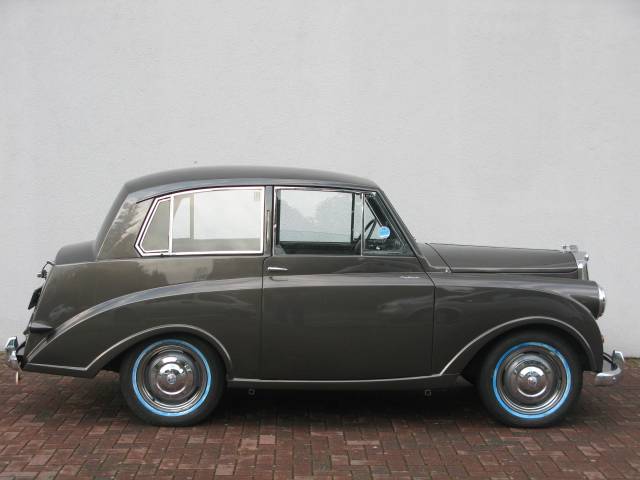
1951 | Triumph Mayflower
Vom Projektcar zum Automobil linksgelenkt!
Create search alert
Let yourself be notified as soon as a listing is published that matches your search filters.
Create listing
Do you have a Triumph Mayflower that you want to sell? Then create a listing now.
Create listingTriumph Mayflower Classic Cars: Prices & Market Values
History of the Triumph Mayflower
Launched at the 1949 British International Motor Show, the Triumph Mayflower marked Triumph's attempt to carve a niche in the small luxury car market. Developed under the Standard Motor Company after its acquisition of Triumph, the Mayflower borrowed the imposing razor-edge styling from luxury marques like Bentley and Rolls-Royce, aiming to attract buyers seeking prestige in a compact package. Despite high expectations, sales never matched Triumph’s hopes, partially due to its price point, which was considerably higher than the Morris Minor. Nonetheless, its launch brought forward a new direction for Triumph, becoming the manufacturer’s first car with a self-supporting body. Production ended in 1953, succeeded by the Standard Eight and Triumph Herald.
Model History
The Mayflower was the sole model of its series, with production spanning just the 1949–1953 period. It followed no direct predecessor but introduced several firsts for Triumph, such as the monocoque chassis. Body styles included the standard saloon, around ten cabriolets by independent coachbuilders, and roughly 150 pickups made for Australia. After production ceased, the Standard Eight and, later, the technically advanced Triumph Herald served as its spiritual successors.
Highlights and Distinguishing Features
The Triumph Mayflower carries several unique traits. Its razor-edge bodywork—reminiscent of larger British luxury cars—delivered upper-class flair at a more approachable scale. The 1.25-litre, side-valve engine with aluminium cylinder head, Solex downdraught carburettor, and three-speed column-shift transmission lent the car a blend of traditional engineering and innovation. Suspension featured coil springs at the front and semi-elliptic leaf springs at the rear. Another significant point is its rarity: only about 35,000 were built, including the rare drophead and pickup variants.
Technical Data
Special Editions and Collectible Models
Alongside the standard saloon, the Mayflower line included approximately ten cabriolet (drophead) conversions by independent coachbuilders and around 150 factory pickups built for the Australian market. These variants are particularly sought-after due to their limited production and body style exclusivity.
Weak Spots and Common Issues
While the Mayflower benefited from robust engineering typical for the era, buyers should pay close attention to rust in the monocoque body—specifically sills, floor pans, and wheel arches—which is harder to repair than on separate-chassis cars. The side-valve engine, though durable, may suffer from overheating if neglected, particularly if the aluminium cylinder head corrodes due to improper coolant use. The hydraulic brake system requires regular inspection for leaks or wear in the drums and lines. Parts for the unique running gear and body panels can be challenging to source and may require specialist suppliers.
Engine, Performance, Transmission, and Handling
The Mayflower’s 1.25-litre engine offered lively performance for its class in the early 1950s, reaching up to 101 km/h. The three-speed, column-shifted manual transmission provided light and accurate gear changes. Its independent front suspension with coil springs and rear semi-elliptic leaf springs balanced comfort and stability. Steering was precise but required more effort at low speeds. The Mayflower’s weight distribution and relatively short wheelbase made it nimble in city driving, though not designed for high-speed cruising. Saloon: Most widely produced and recognisable. Cabriolet: Extremely limited, built by coachbuilders—significant for collectors. Pickup: Australian-market specific, rarest body style.
Interior, Comfort, Exterior, and Design
The Mayflower was designed under the direction of Leslie Moore (Mulliners) and Walter Belgrove (Triumph), incorporating sharp, angular lines, pronounced grille, and upright stance typical of ‘Razor Edge’ styling. The interior featured traditional wooden dashboards and leather or high-quality fabric upholstery, targeting buyers with a taste for British luxury. Distinctive features included chromed details, rear-hinged doors, and a spacious boot for the era. Factory options could include sunroofs and period-correct accessories, though most Mayflowers kept a restrained specification. Coachbuilt dropheads introduced variations in trim and materials.
Other Noteworthy Features
The Mayflower was a technological benchmark for Triumph, debuting their first self-supporting body and offering mechanical simplicity that made repair relatively straightforward for knowledgeable owners. Its sheet metal design and stately silhouette have made it a regular participant in British classic car events, especially in saloon and drophead forms.
Summary
The Triumph Mayflower offers a combination of British luxury flourishes, unusual styling, and a unique mechanical package in the small saloon segment. Its limited production run, distinctive origins, and diverse body styles ensure it remains one of the most individualistic offerings from Triumph’s postwar lineup. Today, its entire presence in the Triumph classic car market reflects its enduring appeal among fans passionate about originality and history.