Triumph Italia classic cars for sale
The Triumph Italia brings together British engineering and Italian design to create a coupé with a unique flair. Built in limited numbers from 1959 to 1962, the Italia stands apart for its Vignale bodywork, Michelotti design, and TR3 underpinnings. Discover more details about this rare Anglo-Italian collaboration below.
Search results
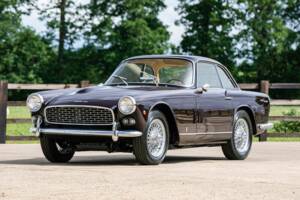
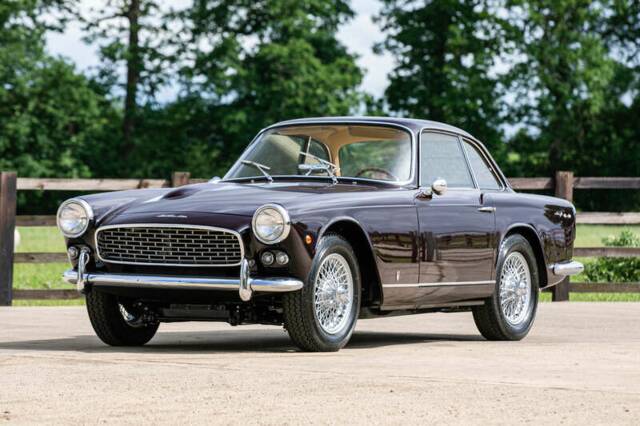
1960 | Triumph Italia 2000
1960 Triumph Italia 2000 Coupé - Anthony Hamilton Collection

Triumph Italia listing references from Classic Trader
Below you will find listings related to your search that are no longer available on Classic Trader. Use this information to gain insight into availability, value trends, and current pricing for a "Triumph Italia" to make a more informed purchasing decision.
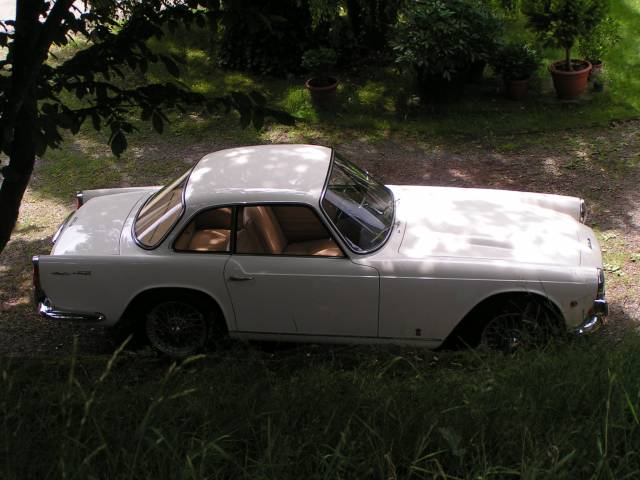
1961 | Triumph Italia 2000
The unique unrestored #126 Italia 2000 GT Vignale

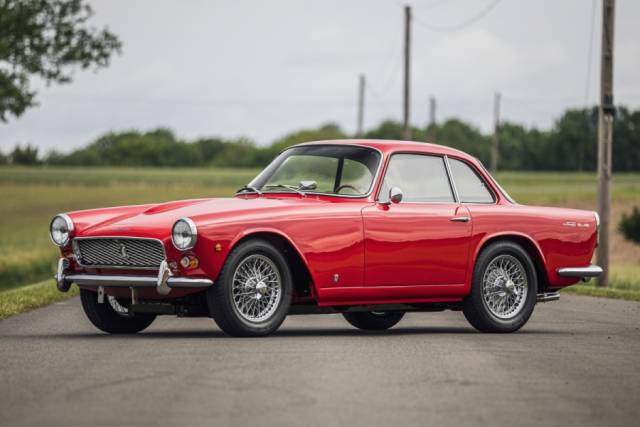
1960 | Triumph Italia 2000
Silverstone Classic Live Online Auction 2020; 31st July-1st August

1967 | Triumph Italia 2000
Oldtimer Triumph only 328 made, built by Vignale, Turin

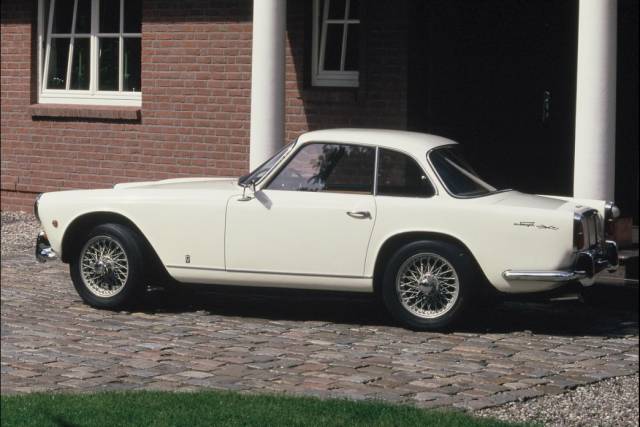
1961 | Triumph Italia 2000
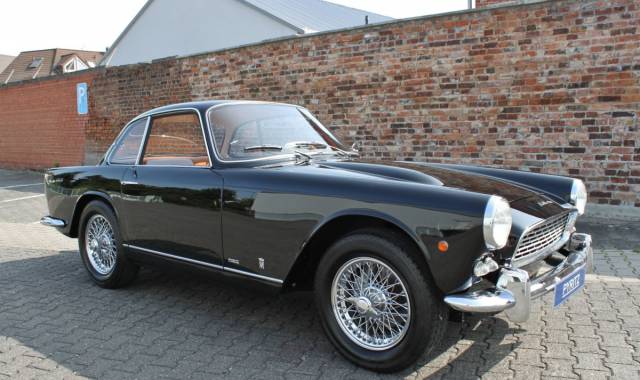
1961 | Triumph Italia 2000
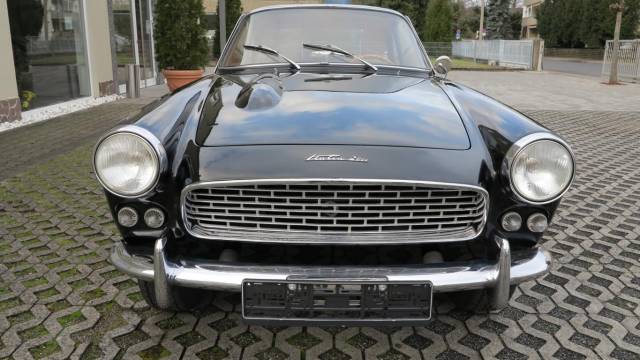
1961 | Triumph Italia 2000
2000 Coupé 1/300! DeSign Michelotti! Museumsfahrzeug aus privater Sammlung VB
Triumph Italia Classic Cars: Prices & Market Values
History of the Triumph Italia
Between 1959 and 1962, just 330 units of the Triumph Italia 2000 Coupé left Turin. The project began when Salvatore Ruffino, head of CESAC and distributor of Triumphs in Italy, set out to combine Triumph’s mechanical reliability with the sophisticated aesthetics of Italian coachbuilding. The result was a car designed by Giovanni Michelotti and bodied by Alfredo Vignale. The Italia debuted at the 1959 Turin Auto Show and, despite an original production target of 1,000 cars, only a fraction of these were completed. Nevertheless, the Triumph Italia attracted attention on both the European continent and in the United States for its daring blend of cultures.
Model Evolution and Position in Triumph's Line-up
The Italia 2000 Coupé is based mechanically on the Triumph TR3 chassis, maintaining its robust four-cylinder roots while offering a more refined and continental appearance. While no direct predecessor existed, the Italia filled a unique niche for buyers wanting a Triumph with additional Italian style and comfort. The car’s production run closed in 1962; subsequent Triumph models, such as the TR4, continued the marque’s tradition of sporty two-seaters, but without the bespoke Italian flair of the Italia.
Distinctive Features and Market Share
A hallmark of the Triumph Italia is its meticulously crafted Vignale body, which sets it apart from contemporaneous British coupes. The interior featured leather seats and a polished aluminium dashboard, while the exterior lines channeled the elegance of Italian GTs. Components like headlights resembling those of the Alfa Romeo Giulietta Sprint and taillights shared with the Lancia Appia exemplified this cross-cultural approach. Buyers could select an optional overdrive for the four-speed transmission. At 975 kg, the Italia was compact and lightweight, measuring just under 4 metres in length. Contemporary reception noted its agility and refined finish. According to listings data, Triumph Italia models account for 100% of Triumph vehicles listed under this manufacturer code, making it the sole representative of its series on the Classic Trader platform.
Technical Data
Special Editions and Rarities
Every Triumph Italia is, by nature, a limited edition, as only 330 units were ever produced. The earliest models, assembled shortly after the 1959 Turin show, are particularly sought after due to their position in the first production batch. No further special editions are documented, as the entire run is considered rare.
Weak Spots and Common Issues
Due to the combination of British running gear and Italian bodywork, sourcing body parts or interior trim unique to the Vignale design can be a challenge. Mechanically, the robust TR3 components are straightforward to service, but attention should be given to rust prevention, particularly along sills and wheel arches, due to the hand-built steel body.
Engine, Performance, and Driving Dynamics
Equipped with the reliable Triumph TR3 2.0-litre engine, the Italia offers a driving experience similar in character to the celebrated British roadster, but with the structural rigidity and comfort of a fixed-head coupé. The engine’s 101 hp ensured a maximum speed of 200 km/h, a remarkable figure for its time, and the available overdrive supported relaxed long-distance cruising. Handling benefits from the rigid frame and well-tuned suspension, delivering a composed yet engaging ride. Enthusiasts particularly note the Italia’s sharp steering response and light weight.
Popular related models include:
- Triumph TR3 – Basis for the Italia’s chassis and engineering; known for mechanical reliability and spare parts supply.
- Triumph TR4 – Successor with further technical developments, but with British-only styling.
- Alfa Romeo Giulietta Sprint – Known for similar headlight design cues, highlighting the Italia’s cross-pollinated aesthetics. undefined
Interior, Comfort, and Design Features
Giovanni Michelotti’s hand can be seen throughout the Italia’s balanced proportions and understated elegance. The leather upholstery and polished aluminium dashboard added sophistication to the otherwise sporting interior. Special attention to detail is evident in the curvature of the Vignale bodywork, bespoke light elements derived from Alfa Romeo and Lancia, and chrome detailing accentuating the roofline and fenders. Accessories included the optional overdrive for extended touring and bespoke wheels tailored to Italian stylings.
Other Notable Aspects
The Triumph Italia is a distinct expression of post-war automotive collaboration—combining Italy’s flair for design with Britain’s mechanical reliability. Its bespoke nature means each car may have minor differences, especially regarding interior fittings and trim, reflecting the hand-built approach typical of Italian coachbuilders in the era.
Summary
With only around 330 units ever produced, the Triumph Italia 2000 Coupé remains one of the rarest blends of British engineering and Italian styling. Designed by Giovanni Michelotti and bodied by Vignale, the Italia boasts a striking exterior, a luxurious yet functional interior, and robust engineering borrowed from the Triumph TR3. As the only example of its type listed on Classic Trader, owning a Triumph Italia offers both exclusivity and a tangible link to a unique period of automotive history.