Triumph Gloria classic car for sale
The Triumph Gloria stands out as one of the most versatile British pre-war cars, offering an extraordinary array of body styles and technical variations from 1933 to 1938. From lively sports saloons to refined coupés and imposing six-cylinder tourers, the Gloria represents Triumph's ambition to establish itself in the upmarket segment with design, comfort and mechanical innovation.
Search results
Currently, there are no matching listings for your search.
Create search alert
Let yourself be notified as soon as a listing is published that matches your search filters.
Create listing
Do you have a Triumph Gloria that you want to sell? Then create a listing now.
Create listingTriumph Gloria listing references from Classic Trader
Below you will find listings related to your search that are no longer available on Classic Trader. Use this information to gain insight into availability, value trends, and current pricing for a "Triumph Gloria" to make a more informed purchasing decision.
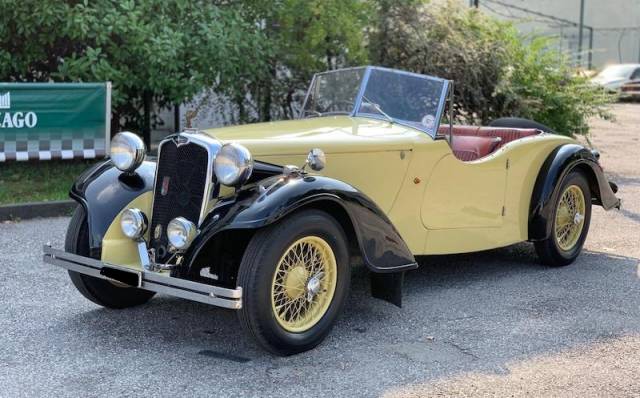
1935 | Triumph Gloria Southern Cross Special

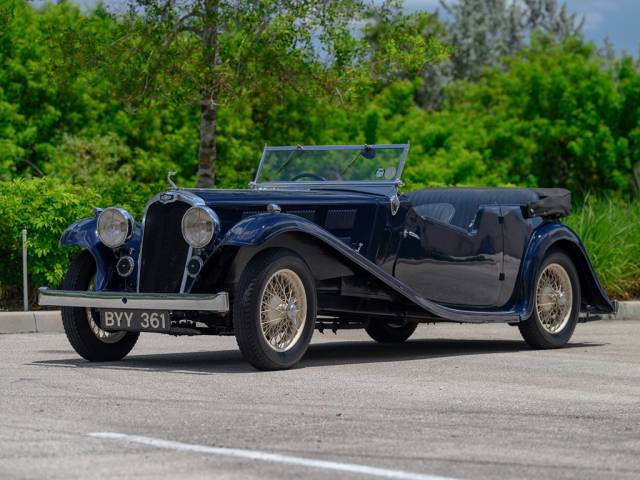
1935 | Triumph Gloria Southern Cross Special
1935 Triumph Gloria Six Tourer

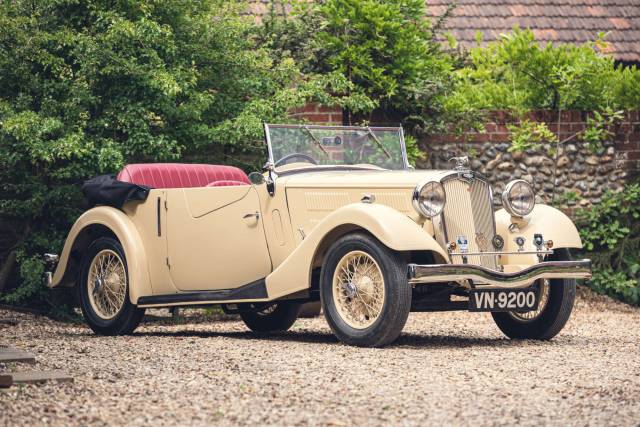
1936 | Triumph Gloria Southern Cross Special
1936 Triumph Gloria Twelve Four-seat Tourer
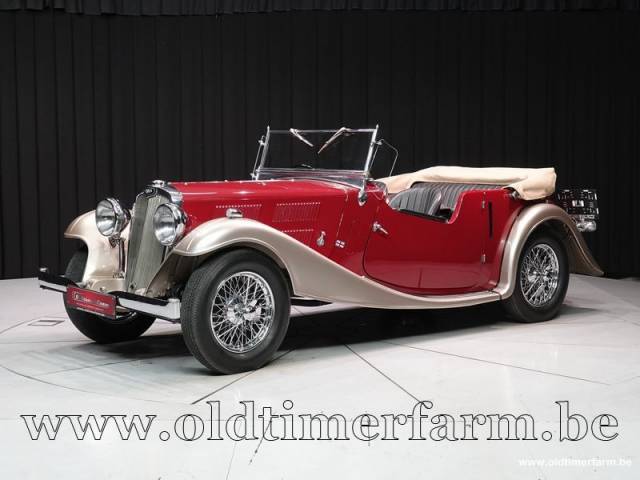
1935 | Triumph Gloria Southern Cross Special
1935 Triumph Gloria Tourer Four Seater '35

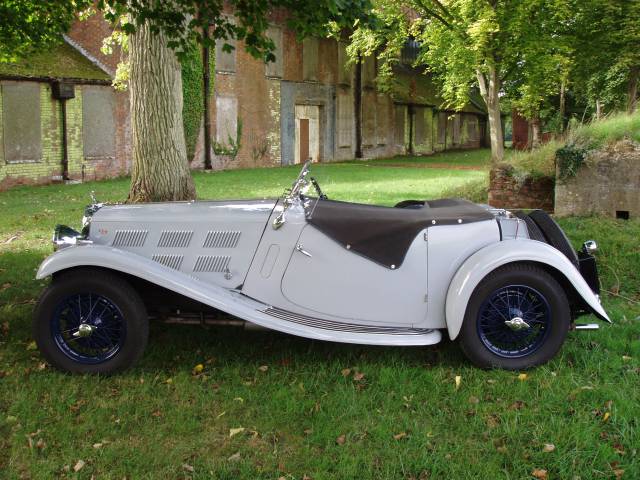
1935 | Triumph Gloria Southern Cross Special
Create search alert
Let yourself be notified as soon as a listing is published that matches your search filters.
Create listing
Do you have a Triumph Gloria that you want to sell? Then create a listing now.
Create listingTriumph Gloria Classic Cars: Prices & Market Values
History of the Triumph Gloria
Launched in 1933, the Triumph Gloria marked a fundamental leap in Triumph Motor Company’s journey from bicycle and motorcycle production into the upper echelon of automotive manufacturing. The Gloria project was conceived as an extensive range encompassing saloons, coupés, tourers, and open-top sportscars. This variety was pivotal for Triumph, not only demonstrating technological ambition but also making a clear statement to competitors and customers. The Gloria range was produced until 1938, shaping Triumph’s reputation as a versatile and aspirational British carmaker ahead of the Second World War.
Model history
The Triumph Gloria line-up included an impressive selection of models: four- and six-cylinder saloons, coupés, tourers, two-seaters and drophead coupés. Early models from 1933 to 1936 featured Coventry Climax sourced four-cylinder engines (1087cc, 1232cc) and six-cylinder engines (1467cc, 1991cc), with Triumph’s own modifications. Chassis were offered in two lengths, with the six-cylinder models sporting an 8-inch longer wheelbase than their four-cylinder siblings. The evolution of the Gloria included the introduction of the higher-performance 'Gloria Vitesse' and the final 1.5 Litre Saloon and Fourteen Six-Light Saloon models (1937-1938), which used new engine configurations. The variety of Gloria types allowed Triumph to cater to tastes ranging from sporty to luxurious, setting the stage for future models.
Highlights and Unique Features
The Triumph Gloria series is defined by its breadth: from sporty two-seaters and coupés to four-door saloons and torpedo-bodied tourers, all benefitting from Triumph’s focus on technical customisation. Major highlights include the careful engine enhancements by Triumph, the use of a four-speed manual gearbox with optional freewheel system for clutchless shifting, and hydraulic Lockheed brakes with large 12-inch drums on all wheels. Chassis were tailored for engine type, ensuring that handling and proportions matched each variant’s intent. The Gloria Six models, with longer wheelbase and larger six-cylinder engines, brought enhanced comfort and status. Among pre-war Triumphs, only Gloria models gained recognition as 'Full Classic' by the Classic Car Club of America—a rare distinction.
Technical Data
Special Editions and Notable Versions
Several Gloria derivatives are of special interest: the 'Gloria Vitesse' was developed as a sportier, higher-performance variant, capable of speeds up to 127 km/h. The rare Six-Light Saloons (Saloon and Fourteen) featured advanced engines and extended bodywork, marking the pinnacle of luxury and space in the Gloria family. Models such as the Golfer’s Coupé highlighted Triumph’s attention to niche market preferences. Each of these versions is considered particularly interesting among collectors due to their distinctive features and limited production.
Engine, Transmission and Driving Behaviour
The Triumph Gloria range is mainly recognised for its use of both four-cylinder (1,087cc, 1,232cc) and six-cylinder (1,467cc, 1,991cc, and later 1,767cc) engines. Engineered for smooth delivery, the units offer spirited acceleration within pre-war standards, with the 'Gloria Vitesse' reaching up to 127 km/h. Handling characteristics were shaped by the use of conventional chassis design and semi-elliptic leaf springs; while not cutting-edge for the era, they provided stability and comfort suitable for long tours and brisk driving. The available four-speed manual transmission (including optional freewheel and later synchromesh setups) permitted adaptable and relatively effortless gear changes. - Gloria Vitesse: Sporting attributes, up to 127 km/h
- Six-Light Saloon & Fourteen: Enlarged engines and greater refinement
- Standard Four-cylinder models: Optimal blend of period performance and running economy
Interior, Comfort, Exterior and Design
The Triumph Gloria series distinguishes itself with thoughtful British design: flowing fenders, extended bonnets, and elegantly appointed cabins. Six-cylinder models feature a longer wheelbase, delivering extra interior space and comfort. Special variants—such as coupe bodies and drophead coupés—emphasised individual style and options for open-air motoring. The level of trim was dialled up from earlier Triumphs, with lavish wood and leather interiors, elaborate dashboards, and well-crafted instrumentation meeting the expectations of buyers in the premium segment. Popular customisations included special paint colours, removable roof sections, and period-appropriate accessories (fog lamps, trunk racks, and leather hood covers).
Other details
The Gloria also played a crucial role in cementing Triumph’s reputation as a manufacturer of upmarket, technologically ambitious vehicles. Its legacy extends beyond its production years, as the Gloria was among only two Triumph models to be recognised as 'Full Classic' by the Classic Car Club of America—a status that today underlines its historical significance in British motoring.
Summary
From 1933 to 1938, the Triumph Gloria signalled Triumph Motor Company’s successful leap into premium car production. Its wide selection of body styles, varied engine technology, and attention to luxury and sport cemented the Gloria as a pillar of British pre-war automotive culture. Today, the Gloria stands alone in the market, representing innovation, technical variety and the spirit of 1930s British motoring.