Toyota Previa classic cars for sale
The Toyota Previa is a distinctive multi-purpose van that set itself apart with its unusual mid-engine layout and unconventional design, making it an intriguing choice for enthusiasts seeking reliability and ample space. From 1990 onwards, the Previa established itself as a practical yet innovative people carrier, enjoying a presence on several continents under different names.
Search results
Currently, there are no matching listings for your search.
Create search alert
Let yourself be notified as soon as a listing is published that matches your search filters.
Create listing
Do you have a Toyota Previa that you want to sell? Then create a listing now.
Create listingToyota Previa listing references from Classic Trader
Below you will find listings related to your search that are no longer available on Classic Trader. Use this information to gain insight into availability, value trends, and current pricing for a "Toyota Previa" to make a more informed purchasing decision.
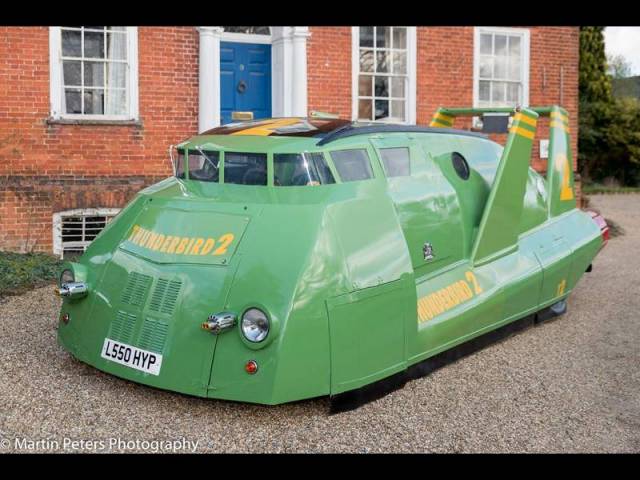
1994 | Toyota Previa "Thunderbirds 2"
Create search alert
Let yourself be notified as soon as a listing is published that matches your search filters.
Create listing
Do you have a Toyota Previa that you want to sell? Then create a listing now.
Create listingToyota Previa Classic Cars: Prices & Market Values
Introduction and history of the Toyota Previa
The Toyota Previa debuted in 1990 as Toyota's answer to the growing global demand for versatile MPVs. Known as the Estima in Japan and the Tarago in Australia, the Previa made a mark with its unique engineering and aerodynamically rounded silhouette, stepping away from the typical boxy van shape. Throughout its three generations, it was celebrated for its practicality, reliability, and appeal as a family or shuttle vehicle. Production ran until October 2019, with Toyota continuously evolving the model in terms of safety, comfort, and drivability.
Model history
The original Previa set itself apart with a mid-mounted engine beneath the front seats and a rear-wheel-drive layout, offering good balance even when fully loaded. Over its lifespan, the Previa evolved through three distinct generations, each catering to slightly different markets and regulations. The Previa’s European predecessor, the Toyota LiteAce/TownAce, focused more on compact practicality, while the Previa introduced a new level of MPV sophistication. There was no direct successor for the Previa in Europe, as Toyota shifted its minivan strategy to other models in various regions.
Highlights of the Toyota Previa
The Previa’s defining feature is its mid-engine layout, a rarity among MPVs and giving it a distinct driving feel compared to front-engine competitors. Its egg-shaped exterior optimised both aerodynamics and interior space, while the flexible seating configuration made it highly adaptable for different uses. Depending on the market and generation, variants offered rear-wheel or all-wheel drive, plus a variety of petrol and diesel engine options.
Technical data
Special Editions and Collectible Models
Certain markets, notably Japan, offered limited-run or special-trim Estima versions with premium interiors, unique paint options, or extra equipment. However, globally, the Previa focused more on practical utility than collectible exclusivity, so special editions are less common compared to more performance-oriented Toyota models.
Weak Spots and Common Issues
No specific common issues have been highlighted in available information. As with all Toyotas of this era, regular maintenance of mechanical and electrical systems is recommended to ensure longevity, especially given the potential complexity of the mid-engine design in earlier Previa models.
Engine and Performance, Transmission and Handling
The early Previa’s mid-mounted engines gave it a surprisingly well-balanced chassis for its class, resulting in predictable handling even when fully loaded. Petrol versions were smooth and refined, with enough torque to cope with full passenger loads, while diesel options provided economy. Transmission choices included both manual and automatic, and all-wheel drive variants were available for markets needing extra traction. The Previa never pretended to be sporty, but its ride comfort and stability made it a favourite amongst drivers doing long-distance family travel or shuttle work. Early first-generation Previa with the 2.4-litre engine and manual gearbox are regarded by enthusiasts as the most engaging to drive.
Interior, Comfort, Exterior and Design
The Previa is instantly recognisable for its streamlined, egg-like profile, a design that enhanced both aerodynamics and visual presence. Inside, its flexible seating suited everything from family transport to business shuttles. The dashboard design was forward-thinking for its era, and special versions could include features such as captain’s chairs, dual sunroofs and premium upholstery. Accessories such as factory roof racks and sliding side doors were popular, especially in the later European and Japanese market models.
Other relevant features
For those seeking a unique MPV experience, the Previa’s unusual design and engineering remain a draw. Enthusiasts appreciate its blend of reliability, practicality, and unconventional features, as well as its adaptability to a variety of specialist uses, from camper conversions to executive transport.
Summary
The Toyota Previa stands out in the classic van market with its innovative engineering, spacious and adaptable interior, and distinctive styling. While it may lack the cult following of certain classic Toyotas, its mid-engine layout and practicality make it an intelligent choice for those valuing both usability and mechanical interest. With production lasting almost three decades, the Previa continues to attract attention from classic vehicle enthusiasts seeking something a little different in the MPV segment.