Toyota Supra Classic Cars for Sale
The Toyota Supra stands as a defining sports coupé, separated from the Celica line mid-1980s and built through four core generations. Renowned for its powerful inline-six engines, distinctive shape, and advanced equipment, the Supra delivers an unmistakable blend of striking performance and everyday practicality. Enthusiasts value its engineering, rear-wheel drive layout, and rare, well-preserved models.
Search results
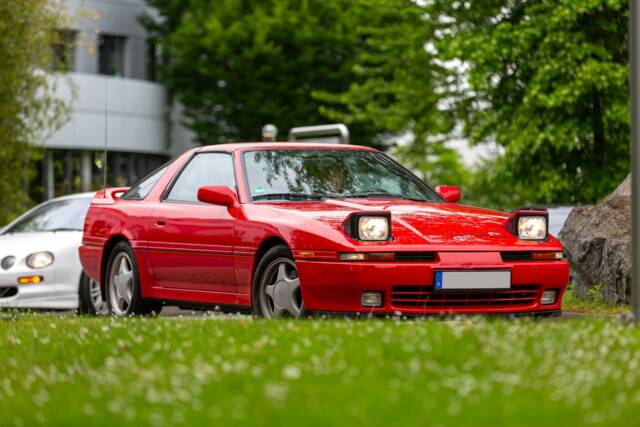
1991 | Toyota Supra 3.0 Turbo
100% Original, Classic Data 2+, geringe Laufleistung


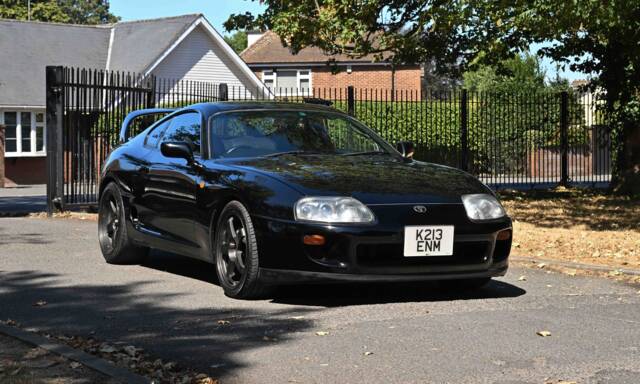
1993 | Toyota Supra 3.0 Turbo
1993 Toyota Supra Twin Turbo

Toyota Supra listing references from Classic Trader
Below you will find listings related to your search that are no longer available on Classic Trader. Use this information to gain insight into availability, value trends, and current pricing for a "Toyota Supra" to make a more informed purchasing decision.
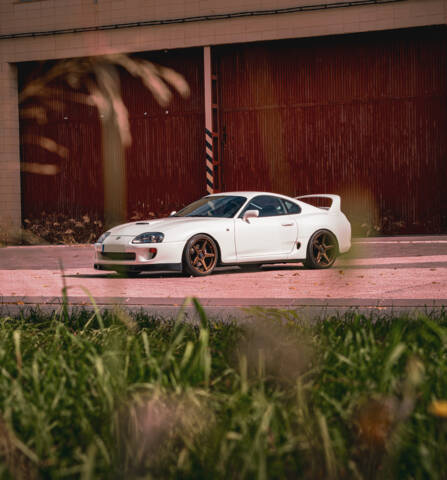
1994 | Toyota Supra 3.0 Turbo

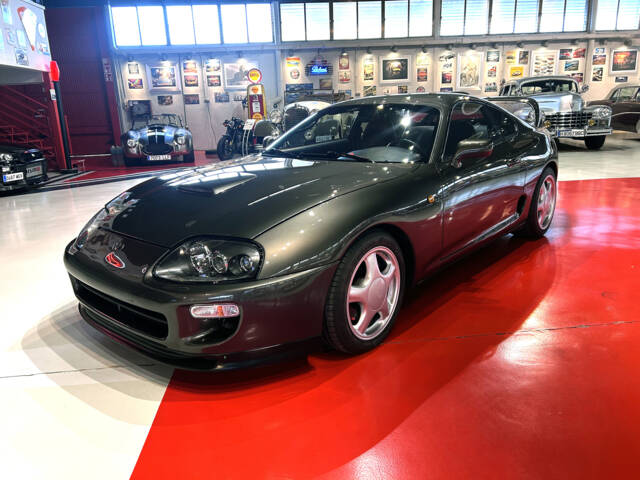
1994 | Toyota Supra
Targa
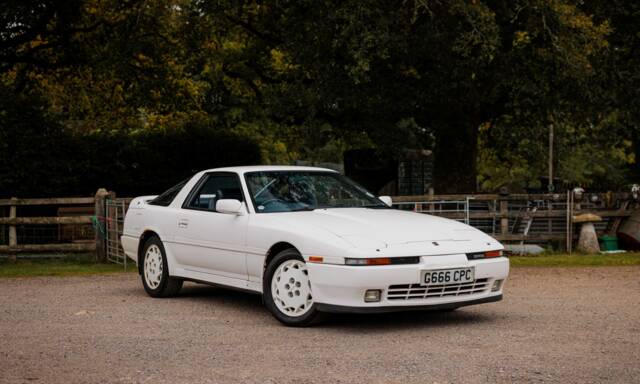
1989 | Toyota Supra
1989 Toyota Supra 3.0i
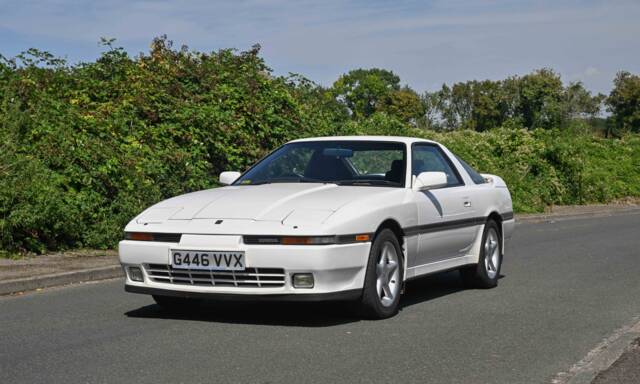
1989 | Toyota Supra 3.0 Turbo
1989 Toyota Supra 3.0
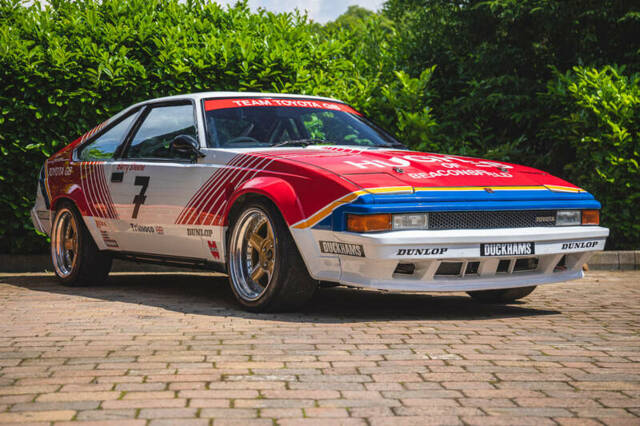
1985 | Toyota Supra
1985 Ex-Works 'Group A' Toyota Supra Raced by Barry Sheene
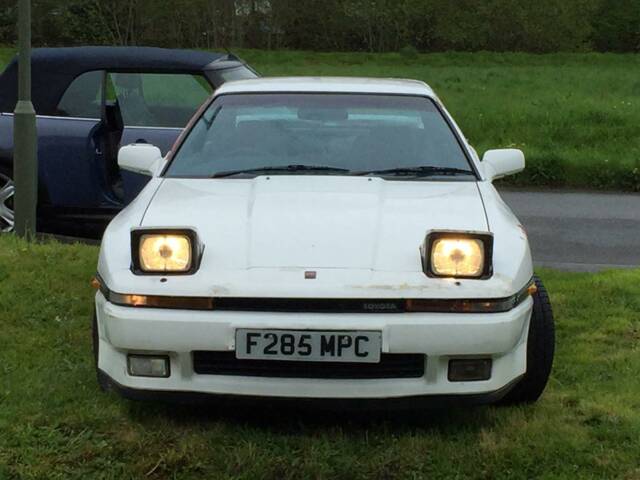
1988 | Toyota Supra
Needs work
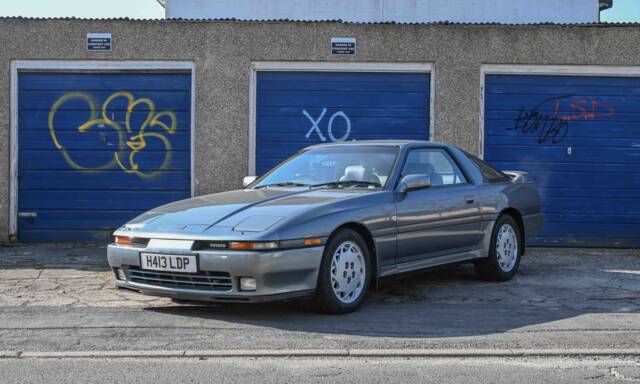
1991 | Toyota Supra 3.0 Turbo
1991 Toyota Supra Turbo Mk. III
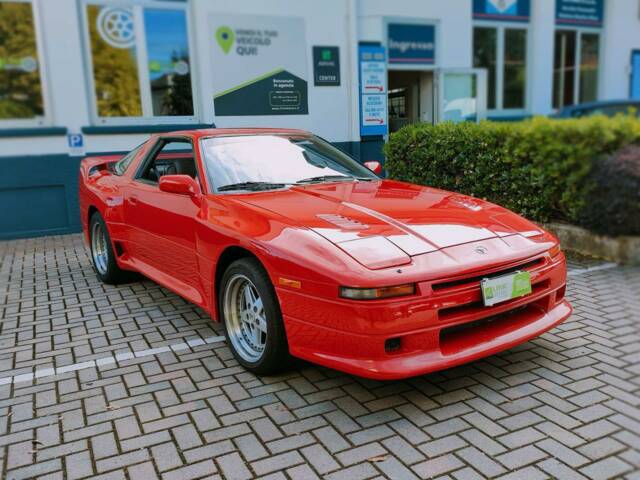
1990 | Toyota Supra 3.0 Turbo
TOYOTA Supra 3.0i turbo 24V cat Targa

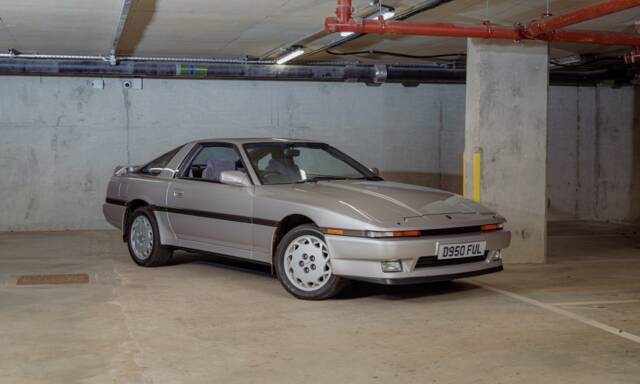
1986 | Toyota Supra
1986 Toyota Supra 3.0i
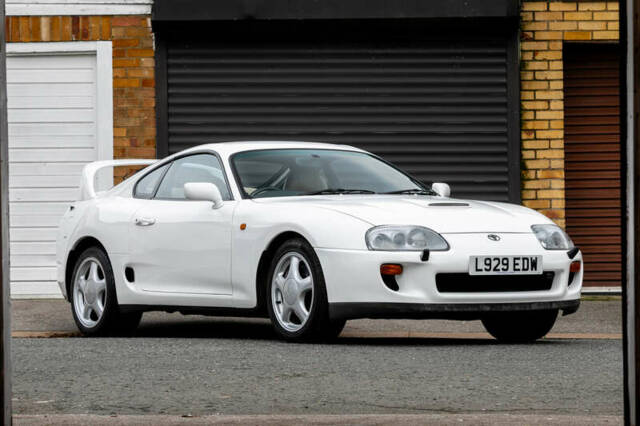
1994 | Toyota Supra 3.0 Turbo
1994 Toyota Supra A80 Twin-Turbo
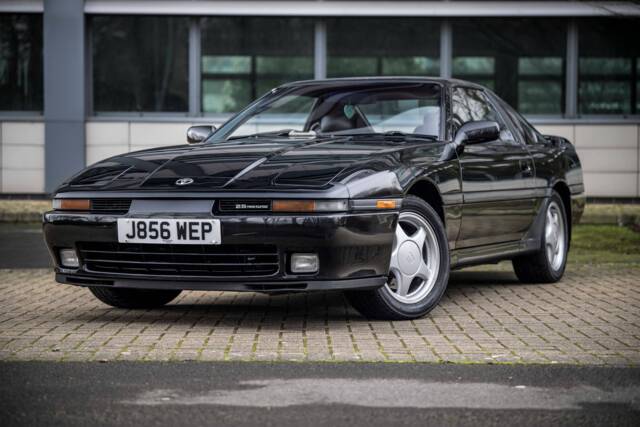
1991 | Toyota Supra
Twin Turbo Japanese Legend
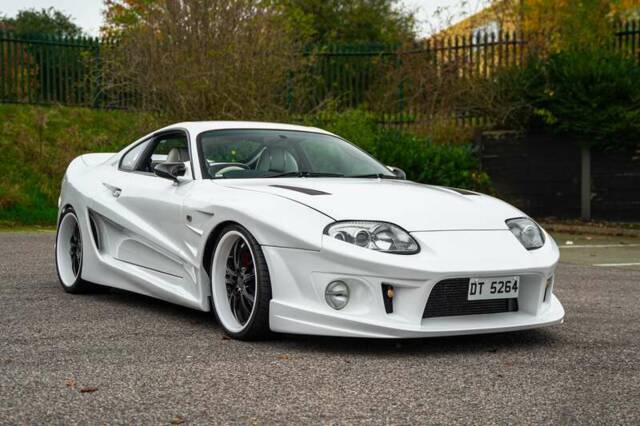
1993 | Toyota Supra
1993 Toyota Supra with Abflug Wide-Body Kit
Toyota Supra Classic Cars: Prices & Market Values
History of the Toyota Supra
The Toyota Supra story began in 1978, appearing initially as a higher-performing offshoot of the Toyota Celica named 'Celica Supra'. Although bearing Celica underpinnings, the Supra established its own performance and design direction. In 1986, Toyota separated the Supra, transforming it into a full-fledged sports coupé. By then, the Supra achieved rear-wheel drive—a divergence from the Celica’s switch to front-wheel drive. Through constant technical evolution and bold design revisions, the Supra cemented its place among performance cars, responding directly to competitors like the Nissan 300ZX and Mazda RX-7. It also pays homage to Toyota’s flagship 2000GT from the late 1960s, marrying the principle of grand touring comfort with thoroughbred sporting intent.
Model History
Supra generations span the Celica-derived Mark I (A40/A50), the more muscular Mark II (MA61), the standalone Mark III (MA70/MA71) which ditched Celica ties entirely, and the globally renowned Mark IV (JZA80) from 1993. Early generations favoured robust naturally aspirated sixes, while turbocharged inline-six engines later drove the Supra’s reputation for powerful yet reliable performance. The fourth generation’s 2JZ-GTE twin-turbo variants, in particular, have become technical benchmarks. Production spanned until 2002 in Japan, with UK and European markets receiving official imports only until 1996. The Supra returned in 2019 with the fifth-generation A90, developed in close collaboration with BMW, but the classic models (particularly MK3 and MK4) remain enthusiast mainstays.
Highlights and Collector Interest
The Supra’s unique traits stem from its straight-six engines—3.0 litres, 24 valves, with outputs up to 238 PS in naturally aspirated Mark III MA70s and peaking over 320 PS in Mark IV twin-turbo models. Transmission choices encompassed agile 5-speed manuals and comfort-focused automatics. Weight distribution, robust suspension tuning, and independent rear axles ensured high-speed stability and agile handling. Standout features included limited slip differentials, high-quality sports seats, retractable Targa roof options, comprehensive instrumentation, and well-integrated electronic amenities rare for its era.
Technical Data
Special Editions and Collectible Models
Several Supra models were released as special editions—particularly in the later Mark III and Mark IV periods. Notable rarities include the Supra GT Limited and versions equipped with factory performance or luxury option packages. Various regional limited runs included unique paintwork, additional audio systems, and high-grade interiors, such as full-leather upholstery or digital instrument displays. Enthusiasts also seek unmodified turbomodels with original suspension and period-correct electronics.
Weak Spots and Common Issues
While Toyota’s engineering reputation is evident in robust mechanicals, older Supras benefit from diligent upkeep. Potential issues include head gasket wear, especially on turbocharged MA70 engines due to inadequate factory torque settings—many cars have updated gaskets as a precaution. Suspension bushings and electronic components (such as pop-up headlights and digital instruments in later models) may require attention. Rust can affect early underseal-protected cars, especially around wheel arches and sills. Always check for accident repairs and signs of excessive aftermarket modifications.
Performance, Engine and Handling
Supra models offer strong acceleration and highway ability. The MA70, with its 3.0-litre turbo engine, achieves 0–100 km/h in approximately 6.5 seconds and a maximum speed of 232 km/h. The Mark IV JZA80’s 2JZ-GTE twin-turbo engine is highly tunable, earning a reputation for withstanding high outputs. All classic Supras feature independent suspension, rack-and-pinion steering, disc brakes, and balanced rear-wheel drive dynamics, ensuring precise, rewarding handling—especially appreciated during spirited driving or long-distance touring. - JZA80 (MK4, 1993–2002): 3.0-litre twin-turbo 2JZ-GTE engine, 324 PS, famed for power reserves and tuning potential.
- MA70/71 (MK3, 1986–1993): 7M-GTE turbo engine, up to 238 PS, advanced suspension, Targa version popular.
- A90 (MK5, 2019–): Features BMW-sourced turbo inline-six; not a classic but rounds out model line.
Design, Interior and Exterior
Supra interiors from the 1980s and 1990s stand out for their driver-centric layout: adjustable sports seats with multiple electrical settings, a distinctively sculpted dashboard, and a comprehensive suite of analogue or digital instruments. The MA70’s Targa roof option allows open-air driving; materials ranged from hard-wearing grey textiles to optional velour or full-leather trims. Originals came with 16-inch alloys, prominent rear spoilers, and colour-keyed bumpers. Exterior lines favour a long bonnet, short tail, and flush-fitting pop-up headlights. Accessories such as headlamp washers, factory-fitted stereo systems, and limited-slip differentials were standard or popular options depending on trim.
Other Notable Features
Market diversity ensures buyers can choose from left- or right-hand drive models, especially across European and Japanese imports. Comfort features like power steering, cruise control, air conditioning (sometimes automatic), and even rear wiper systems were available. Supra’s reputation has flourished thanks to pop culture appearances and a flourishing aftermarket—though unmodified originals draw the most attention from classic purists.
Summary
The Toyota Supra offers a unique blend of Japanese reliability and genuine performance, underpinned by a succession of technical advancements and distinct design evolution. Each classic Supra generation delivers a distinct driving and ownership experience—best appreciated by those seeking a well-engineered sports coupé capable of everyday or grand touring use. With strong parts support and a high-quality community, the Supra continues to be a celebrated classic on the collector market.