- Car
- Studebaker
- Studebaker Champion (1 offer)
Studebaker Champion Classic Cars for Sale
The Studebaker Champion represents post-war American engineering, offering distinct style and lightweight construction in the mid-class segment. Its “Bullet Nose” front and robust straight-six engine make it one of the most memorable Studebaker releases, with availability as saloon, coupé, and cabriolet.
Search results
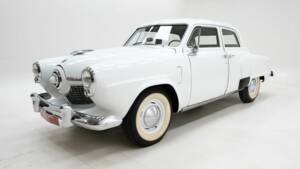
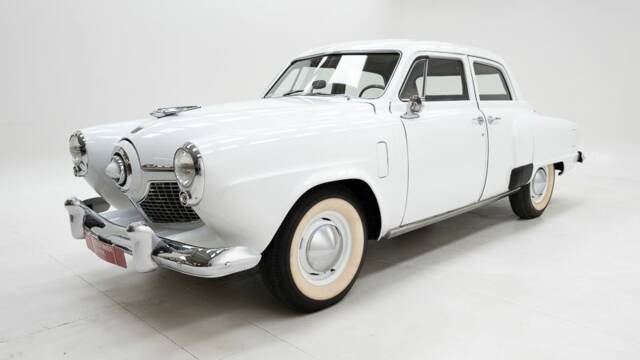
1951 | Studebaker Champion
1951 Studebaker Champion Bullet Nose '51

Studebaker Champion listing references from Classic Trader
Below you will find listings related to your search that are no longer available on Classic Trader. Use this information to gain insight into availability, value trends, and current pricing for a "Studebaker Champion" to make a more informed purchasing decision.
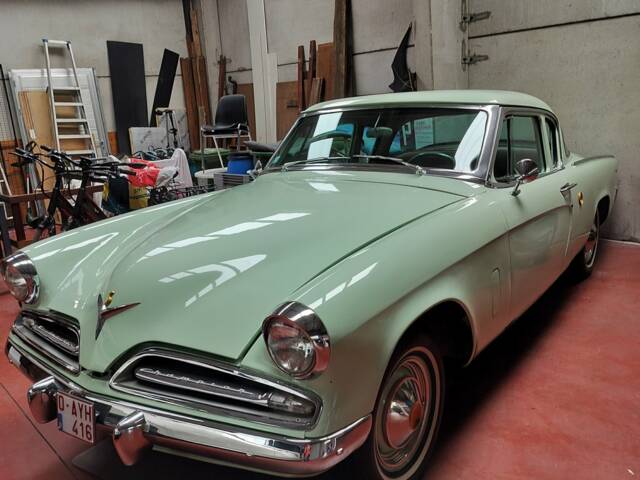
1953 | Studebaker Champion
Studebaker Champion | 1953 | Route 66 Auctions - For sale by auction. Estimate 13500 EUR

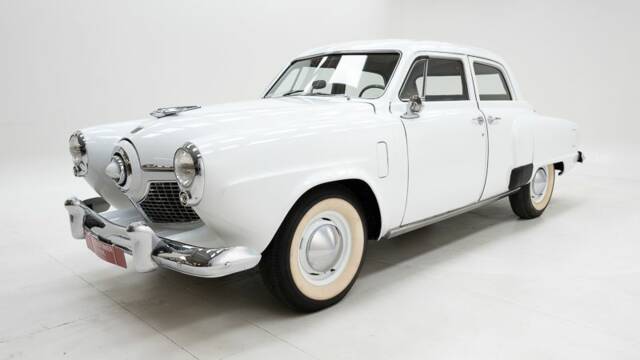
1951 | Studebaker Champion Starlight
1951 Studebaker Champion Bullet Nose '51
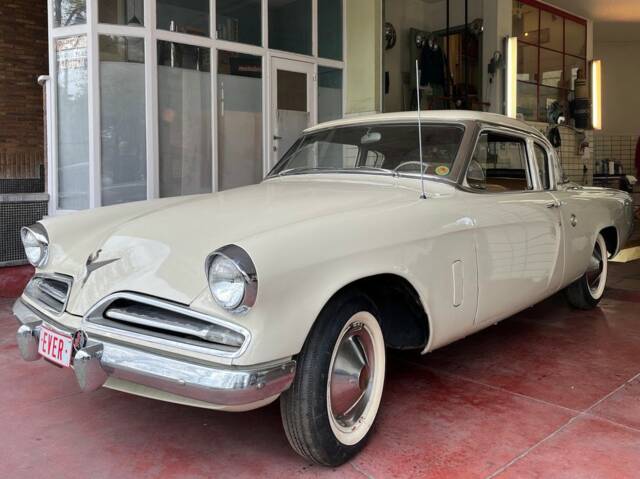
1953 | Studebaker Champion Starlight
Studebaker Champion Regal Starlight Coupe | 1953 | Route 66 Auctions - For sale by auction. Estimate 11500 EUR
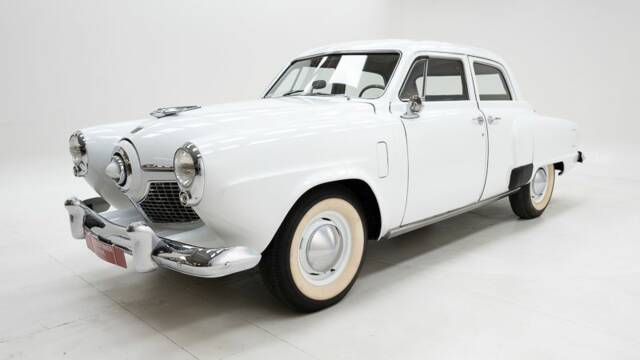
1951 | Studebaker Champion
1951 Studebaker Champion Bullet Nose '51
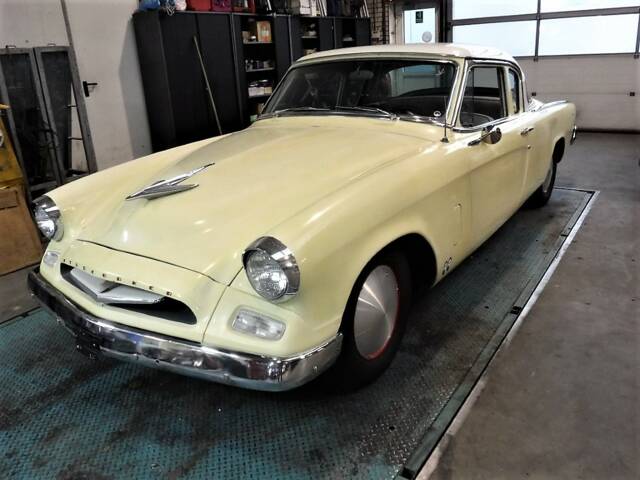
1955 | Studebaker Champion Starlight
Studebaker-Champion V8
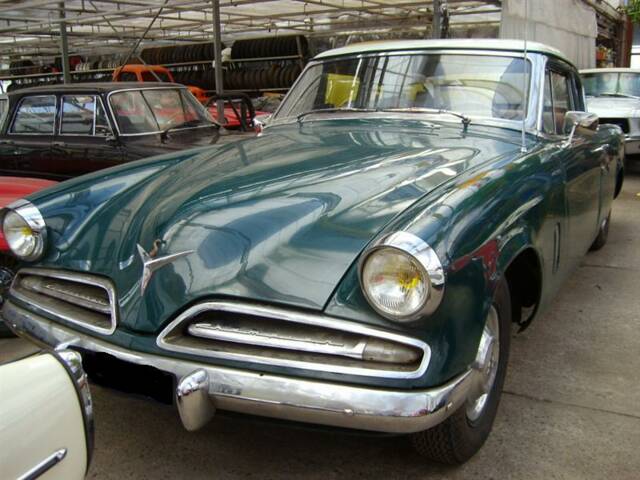
1954 | Studebaker Champion
Studebaker-Champion
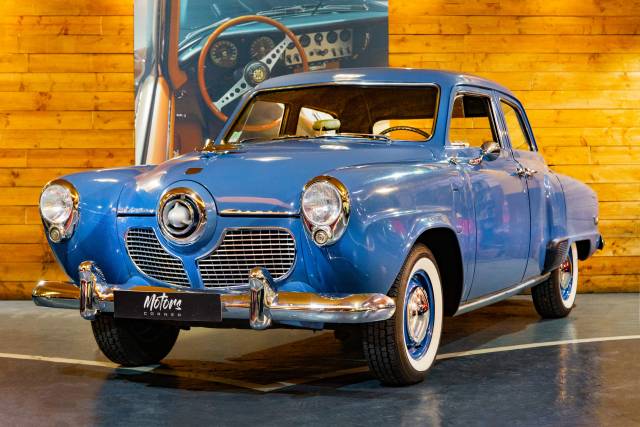
1951 | Studebaker Champion
Studebaker Restaurée / Garantie 1 an

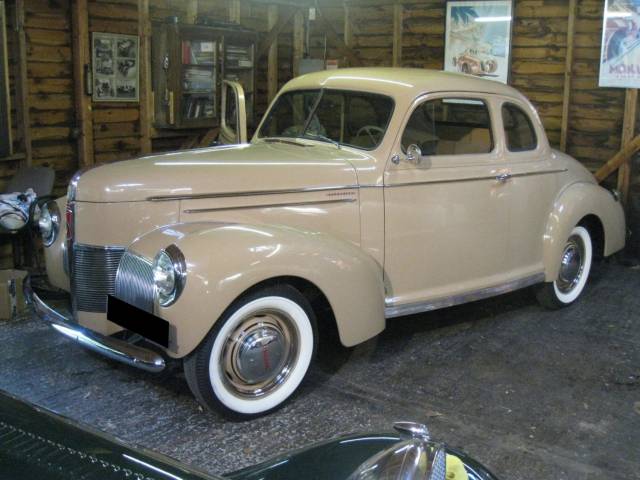
1939 | Studebaker Champion

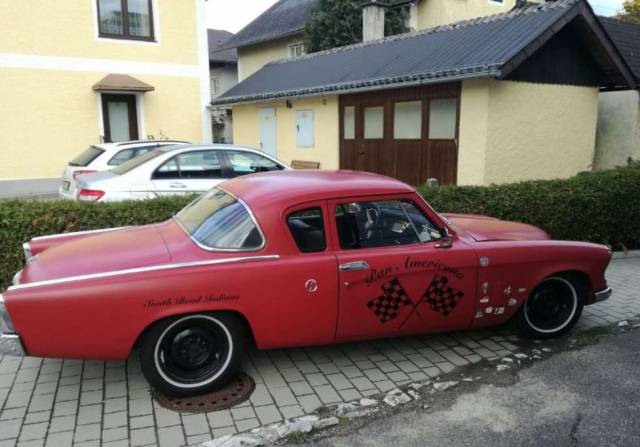
1954 | Studebaker Champion Starlight
Studebaker Champion Coupe

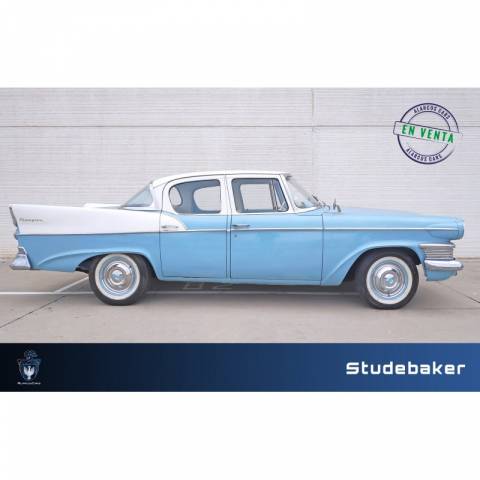
1958 | Studebaker Champion

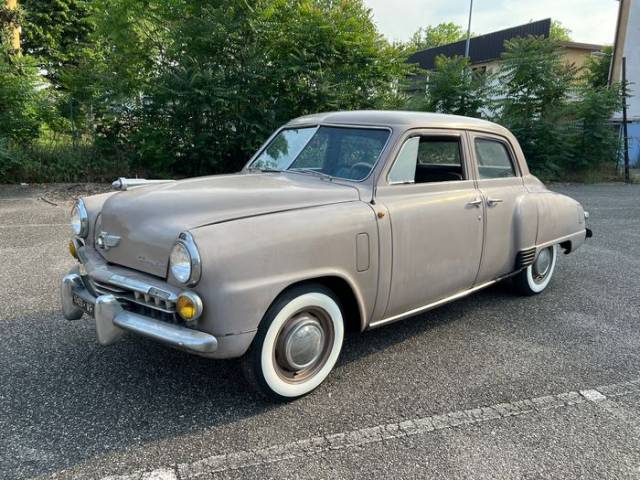
1948 | Studebaker Champion
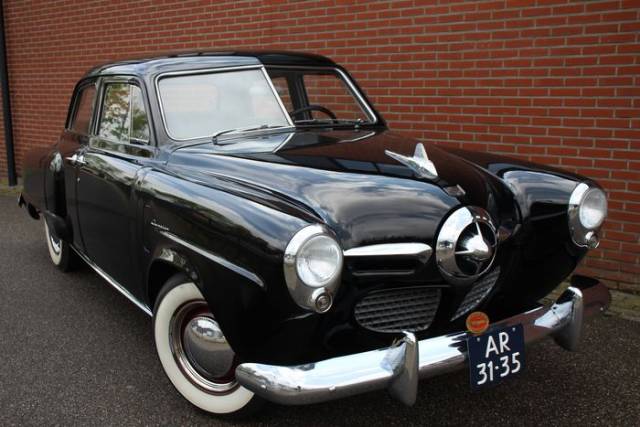
1950 | Studebaker Champion
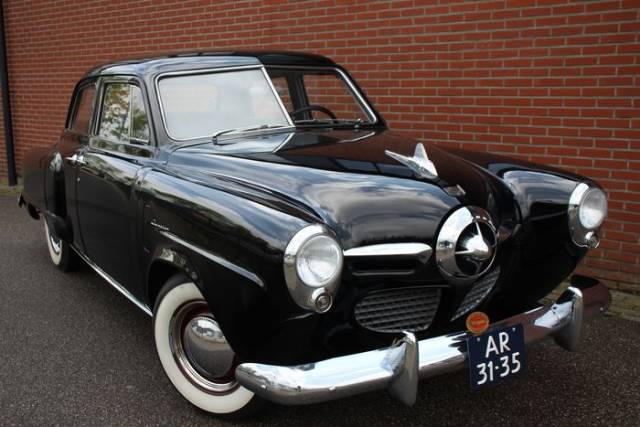
1950 | Studebaker Champion
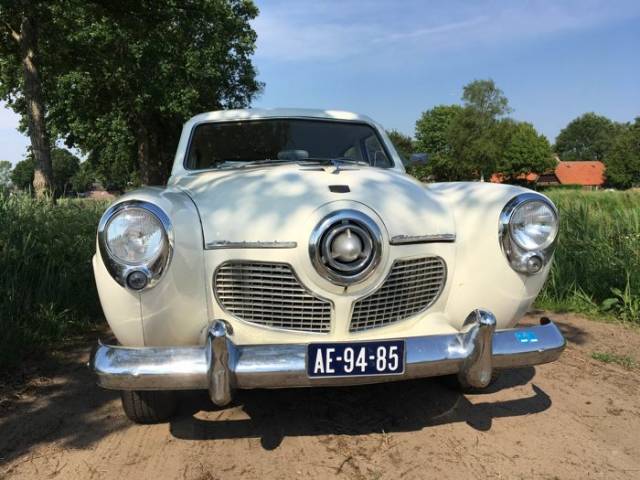
1951 | Studebaker Champion
Studebaker Champion Classic Cars: Prices & Market Values
History of the Studebaker Champion
Produced from 1939 to 1958 in South Bend, Indiana, the Studebaker Champion emerged as a pivotal model for a company in financial distress. Developed from scratch, it was key to reviving Studebaker’s fortunes—making up 65% of sales in 1947. The Champion broke new ground with its strict focus on low weight and modern styling, helping owners stretch their fuel ration during the war years. Early models introduced a fresh approach to engineering and design, and as post-war demand surged, the Champion confirmed its reputation for dependability and fuel economy.
Model History
The Champion was introduced in response to weak sales in 1938, and revolutionised Studebaker’s model strategy with no carry-over parts. The first generation (1939–1946) included basic but stylish sedans and coupés. The second generation (briefly in 1946) was called Skyway Champion. From 1947, the third generation showcased the Starlight coupé with a panoramic rear window. The ‘Bullet Nose’ front arrived in 1950–1951, followed by the Starliner hardtop coupé. A significant redesign in 1953 dropped the iconic nose but refined aesthetics further. The line ended in 1958, succeeded by the Lark and Scotsman.
Highlights and Unique Features
The most distinctive element is the ‘Bullet Nose’ front (1950–1951), designed under Raymond Loewy’s direction. The lightweight chassis—with contemporary reviews noting it as one of the lightest in its class—paired with a straight-six engine, set new industry standards. The Hill Holder feature (an anti-rollback clutch assist) was innovative, and automatic and overdrive gearboxes were advanced for the era. The Champion’s wraparound rear window in Starlight coupés and generous chromework contributed to its standout look. Original interiors commonly featured fabric upholstery, with whitewall tyres and chrome bumpers as period accessories.
Technical Data
Special Editions and Collectible Models
The Starlight coupé (notable for its panoramic wraparound rear glass, produced 1947–1951) and the Starliner hardtop coupé (from 1950, distinguished by unique hardtop design) are particularly valued by enthusiasts. The Skyway Champion (1946) and Conestoga station wagon (1954) are further noteworthy special body styles within the series. The last year (1957) saw the low-budget Scotsman variant, built to compete in the economy segment.
Weak Spots and Common Issues
As with most classics, body corrosion is a concern, especially around floor pans, sills, and chromework. Mechanical wear in older straight-six engines demands close attention, particularly regarding oil leaks or worn valve gear. The availability of original parts, especially trim and body panels, can be limited, owing to modest production volumes compared to mainstream American brands. Electrical systems may require modernisation if retained in their pre-1950s configuration.
Engine, Performance, Transmission and Handling
The straight-six powerplant is renowned for smooth operation and high torque relative to displacement. Early versions provided 79–81 hp, later rising to over 100 hp. The three-speed transmission—with an optional automatic or overdrive—offered above-average flexibility for its class. The Hill Holder system prevented rollback on gradients, easing city and hilly driving. Mechanical drum brakes demand planning ahead, but handling remains predictable due to the low curb weight and balanced chassis. Notable variants include the 1950–1951 Bullet Nose Champion with 80–102 hp, and the 1953–1955 models redesigned by Robert Bourke, which offer both style and improved comfort.
Interior, Comfort, Exterior and Design
Champions are especially remembered for the staid yet pioneering design by Raymond Loewy and Robert Bourke. The Bullet Nose, expansive chrome bumpers, and wraparound rear glass set the model apart visually. Interiors often feature broad analogue instruments, high-quality knobs, and fabric upholstery, with some luxury-grade editions sporting wooden trim. Accessories like whitewall tyres, original radios, and optional overdrive reflect period luxury. Body colours ranged widely, with pastel and two-tone paintjobs mirroring American tastes of the 1950s.
Other Features
The Champion’s engines were also utilised in military vehicles such as the M29 Weasel during WWII, underscoring their robustness and reliability. The model’s balance of affordability and engineering helped Studebaker solidify its position in post-war America, even as it faced stronger competition by the late 1950s.
Summary
The Studebaker Champion, with its unique blend of lightweight engineering, straight-six reliability, and Loewy-inspired styling, remains a distinctive choice for classic car enthusiasts. Its availability as saloon, coupé, convertible and estate, together with technical advances like the Hill Holder and advanced transmission options, make the Champion a practical and collectable piece of American motoring history.