- Car
- Studebaker
- Studebaker Wagonaire (0 offers)
Studebaker Wagonaire classic cars for sale
The Studebaker Wagonaire stands out in classic car circles with its innovative retractable rear roof, combining practical flexibility and mid-century American design. This station wagon offers collectors and enthusiasts a chance to discover a unique era of automotive engineering from South Bend, Indiana.
Search results
Currently, there are no matching listings for your search.
Create search alert
Let yourself be notified as soon as a listing is published that matches your search filters.
Create listing
Do you have a Studebaker Wagonaire that you want to sell? Then create a listing now.
Create listingStudebaker Wagonaire listing references from Classic Trader
Below you will find listings related to your search that are no longer available on Classic Trader. Use this information to gain insight into availability, value trends, and current pricing for a "Studebaker Wagonaire" to make a more informed purchasing decision.
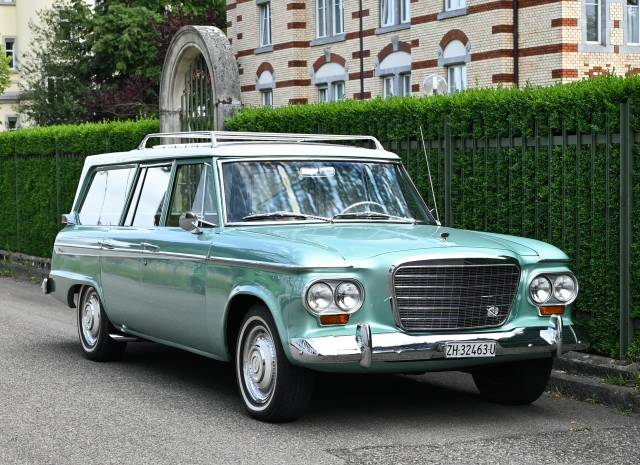
1963 | Studebaker Wagonaire
Rarer US Kombi mit Schiebedach, Handschaltung und Sidepipes, 6-Sitzer, Veteran

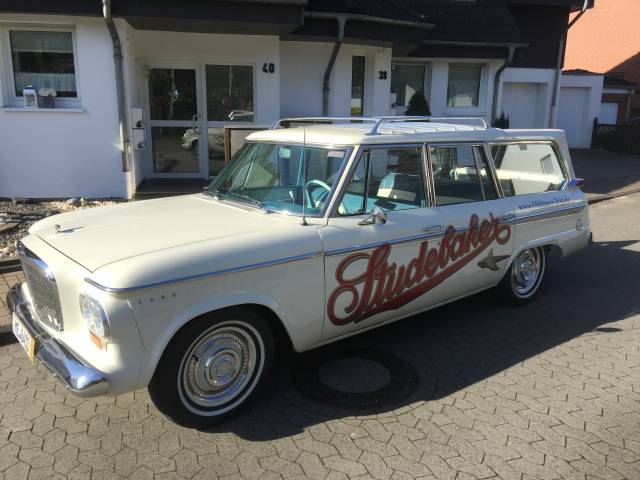
1963 | Studebaker Wagonaire
Frame-off restauriert TÜV bis 01/2020

Create search alert
Let yourself be notified as soon as a listing is published that matches your search filters.
Create listing
Do you have a Studebaker Wagonaire that you want to sell? Then create a listing now.
Create listingStudebaker Wagonaire Classic Cars: Prices & Market Values
History of the Studebaker Wagonaire
Introduced in 1963, the Studebaker Wagonaire broke new ground in the station wagon segment. Manufactured until 1966 by the Studebaker Corporation in South Bend, it featured pragmatic engineering in response to the growing American family’s need for versatile transport. The key innovation was the sliding rear roof, a direct answer to stylised but often inflexible wagons of the early 1960s, making the Wagonaire ideal for transporting tall items. Studebaker’s engineers saw this as a technical solution to everyday logistical challenges, leaving a lasting mark on utility vehicle design.
Model History
The Wagonaire was introduced as part of the Lark model line, replacing more traditional Studebaker wagons. While prior Studebaker models lacked the innovative rear roof, no direct mechanical successor emerged after 1966, as Studebaker ceased all automobile production. Its brief production run and singular roof design make it distinctive in the Studebaker legacy and rare among vintage utilitarian vehicles.
Highlights of the Studebaker Wagonaire
The Wagonaire distinguished itself with the industry’s first mass-produced retractable rear roof, redefining what a station wagon could offer in terms of practicality. Buyers benefitted from a car capable of loading tall and bulky objects without resorting to more cumbersome commercial vehicles. This adaptability set it apart from rival wagons in the early 1960s, which commonly prioritised appearance over true versatility.
Technical Data
Special Editions and Collectible Models
There is no record in available sources of special factory-limited editions beyond the standard Wagonaire. However, due to their short production span and surviving numbers, all Wagonaires are considered comparatively rare, especially examples with original mechanical components and retractable roof systems in working order.
Weak Spots and Common Issues
Potential buyers should pay close attention to the condition and operation of the sliding roof mechanism, as poor maintenance or corrosion in tracks and seals can lead to leaks and function loss. Body corrosion is also a factor due to the complexity of the roof assembly. It is essential to examine the roof’s drainage system, bodywork around the loading area, and chassis corrosion points. Replacement parts for these unique mechanisms can be scarce and may require specialist intervention.
Engine and Performance, Transmission and Handling
The Wagonaire was offered with a range of Studebaker’s proven inline-six and V8 engines, mated to manual or automatic transmissions. Its handling conforms to the expectations for a mid-1960s American wagon—stable at moderate speeds, with tuning focused more on comfort and carrying capacity than sporty dynamics. Enthusiasts praise the V8 variants for their cruising ability and usable torque. Versions fitted with the 259 cubic inch V8 are particularly valued for their improved hill-climbing and overtaking capability.
Interior, Comfort, Exterior and Design
Wagonaire interiors reflect functional mid-century American style, prioritising durability and practicality. Upholstery and dashboard designs are typically modest, favouring clean lines and simple materials. Externally, signature design cues include long rooflines, broad glass areas and the unique sliding roof panel. Factory options may have included roof racks or period accessories, while chrome detailing accentuates its era. Colours varied by year but often included popular 1960s metallics and pastels.
Other Relevant Features
Few cars of its time matched the Wagonaire’s blend of American ingenuity and everyday practicality. Its sliding roof solution attracted tradespeople, outdoor enthusiasts, and families alike, making it historically significant for expanding the concept of the family wagon.
Summary
The Studebaker Wagonaire is an unmistakable entry in station wagon history, combining flexible design with classic American engineering. Its ingenious retractable roof embodies a practical response to mid-century utility needs. Today, its rarity and technical novelty continue to drive interest among classic car collectors and enthusiasts.