- Car
- Studebaker
- Studebaker Commander (1 offer)
Studebaker Commander classic cars for sale
The Studebaker Commander stands as a symbol of continuous innovation during the American automotive golden age. Produced between 1927 and 1966, the model offered everything from six- to eight-cylinder engines and spanned across saloon, coupé and cabriolet variants, with engineering and design evolving over almost four decades.
Search results
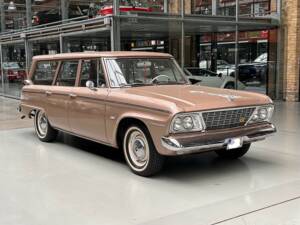
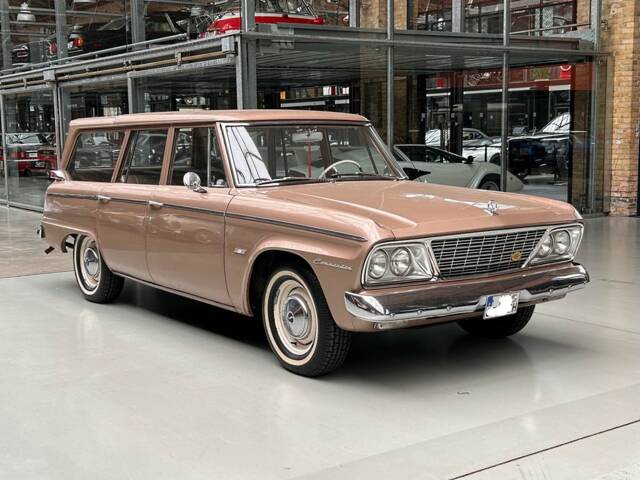
1963 | Studebaker Commander Wagonaire
Studebaker Commander Wagonaire V8 | 1963 | Route 66 Auctions - For sale by auction. Estimate 7800 EUR

Studebaker Commander listing references from Classic Trader
Below you will find listings related to your search that are no longer available on Classic Trader. Use this information to gain insight into availability, value trends, and current pricing for a "Studebaker Commander" to make a more informed purchasing decision.
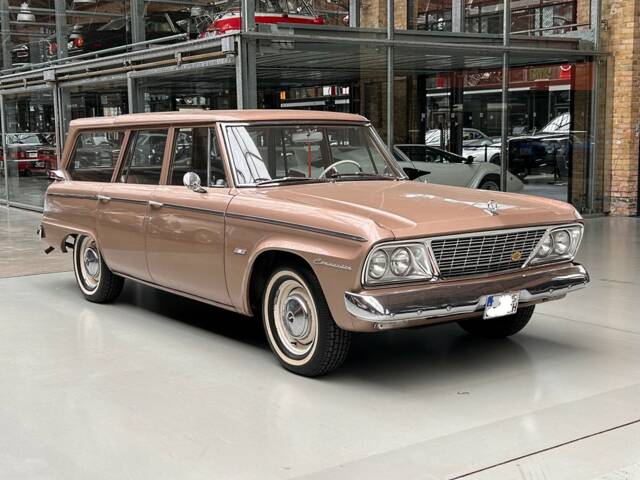
1963 | Studebaker Commander Wagonaire
Studebaker Commander Wagonaire V8 | 1963 | Route 66 Auctions - For sale by auction. Estimate 10500 EUR
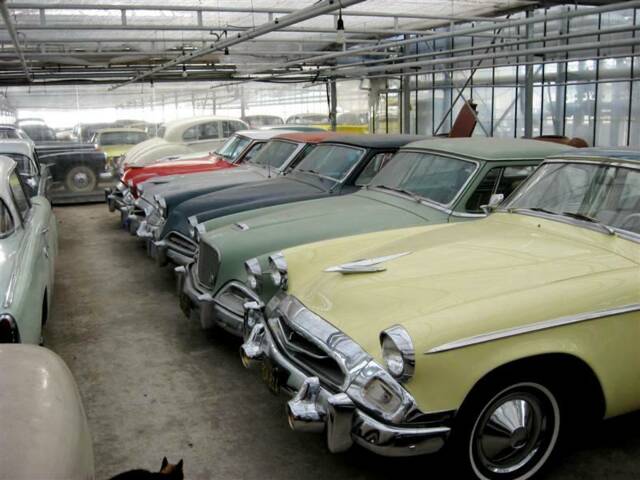
1955 | Studebaker Commander Starliner
Studebaker-Commander - geel
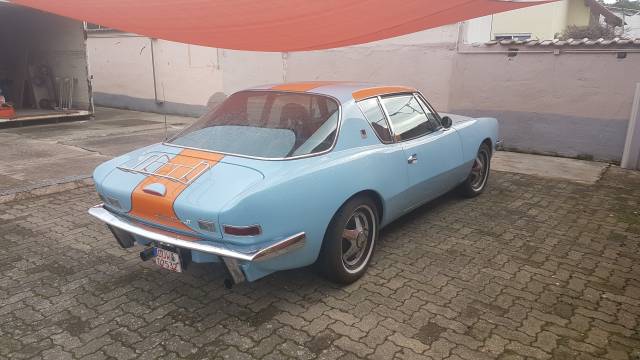
1966 | Studebaker Commander Wagonaire
Studebaker/Avanti

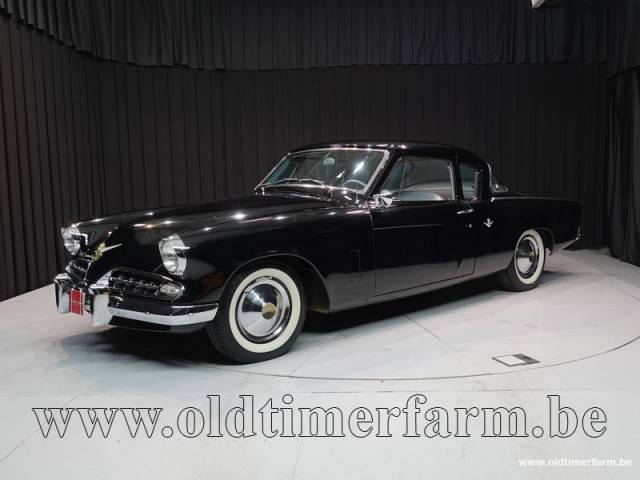
1954 | Studebaker Commander Starliner
1954 Studebaker Commander V8 '54

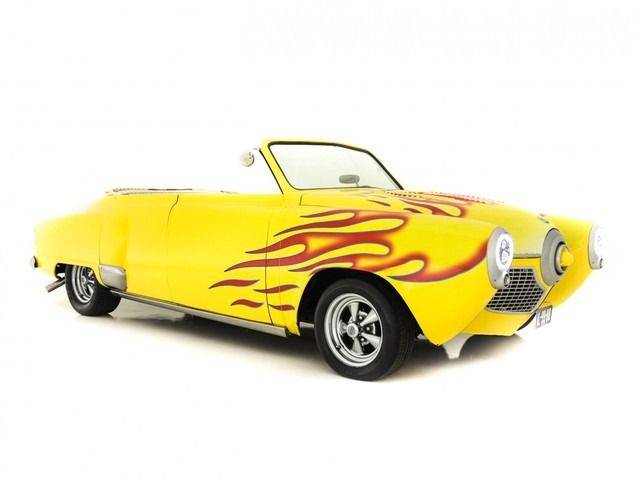
1951 | Studebaker Commander V8
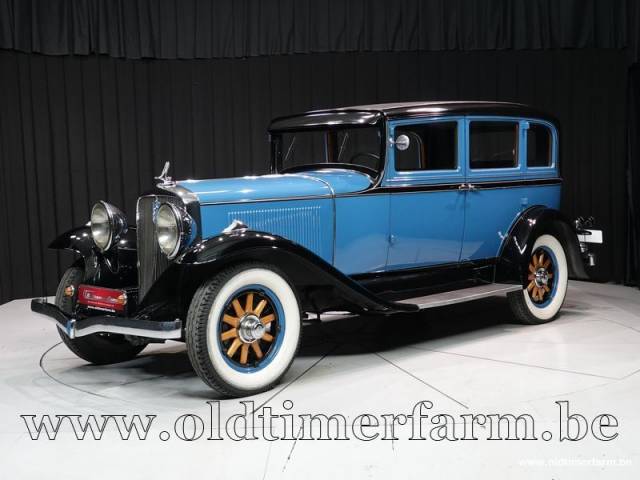
1931 | Studebaker Commander Eight
1931 Studebaker Commander eight regal sedan '31
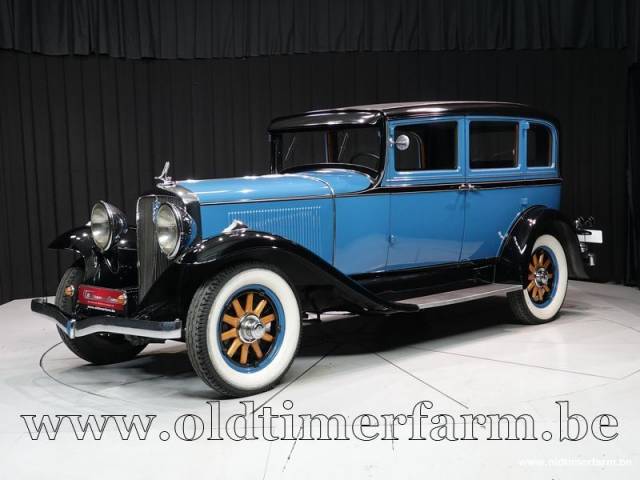
1931 | Studebaker Commander Eight
1931 Studebaker Commander eight regal sedan '31
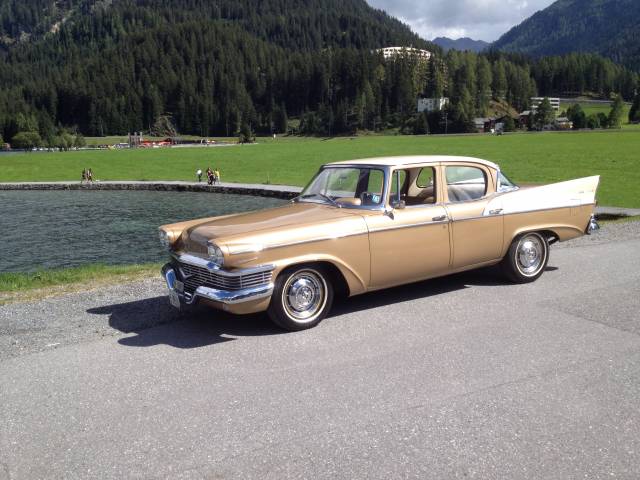
1958 | Studebaker Commander
Gut erhaltener Studebaker Commander

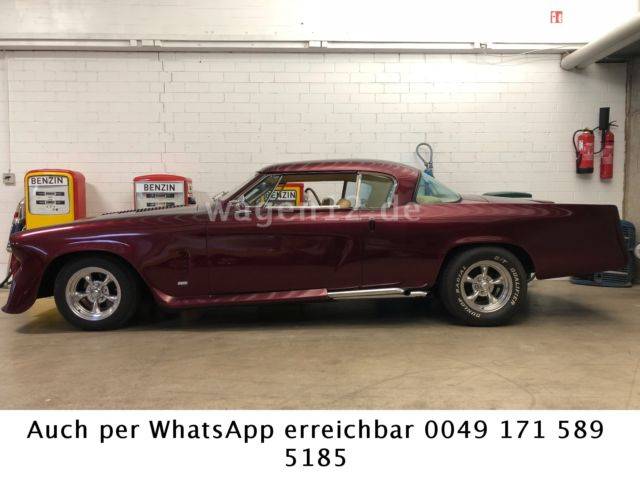
1953 | Studebaker Commander Starlight
Studebaker Radical Custom Commander
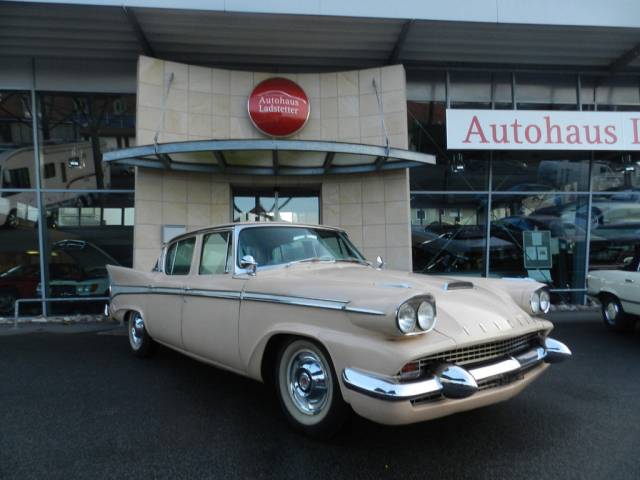
1958 | Studebaker Commander
Studebaker Packard Sedan im Sammlerzustand

1953 | Studebaker Commander Starliner
Studebaker Commander Coupé V8 - wunderschön!
Studebaker Commander Classic Cars: Prices & Market Values
History of the Studebaker Commander
Studebaker introduced the Commander name in 1927 as a progression of their mid-range Special Six model, initially equipped with a 3.7-litre six-cylinder engine. Over its almost 40-year lifespan, Commander models were produced at Studebaker's factories in South Bend, Indiana, and later in Canada. The Commander bridged segments from mid-range to upper mid-range, with periods where it acted as Studebaker's flagship, as well as times when it was overshadowed by models like the President or Champion. Production breaks occurred in 1936 and again between 1959 and 1963, aligning with shifting market dynamics and Studebaker’s revised line-up post-WWII. After a brief discontinuation, the Commander returned, most notably as part of the Lark-based line in the mid-1960s, before ending production altogether in 1966. The Commander’s presence in films and even references in popular culture indicate its significant impact on the American car landscape.
Model History
At launch, the Commander inherited mechanicals and platform ideas from the Special Six. The first Commander generation ran until 1935, followed by a hiatus and a reintroduction in 1937, where the model adopted a longer wheelbase and a broader product range. The Land Cruiser variant with its distinctive elongated body marked a highlight in the line-up. By the 1950s, Commanders began to share more technology and design features with Studebaker’s Champion, especially after the President was introduced as a new range-topper. The third and final series, built after 1963, saw the Commander as a value-oriented offering within the compact Lark family, instantly recognisable by its unique headlamp arrangements. Production wrapped in 1966, marking the end of an era for Studebaker and the Commander badge alike.
Highlights and Special Features
The Commander name was used across vastly different vehicles, from robust six-cylinder tourers of the late 1920s to eight-cylinder sedans and late Lark-based compacts. Adaptability and versatility were the model's trademarks. Notable highlights include the transition to available V8 engines in the 1950s and the fact that the Commander featured both manual and, in later years, automatic transmissions. The distinctive ‘bullet nose’ design of the early 1950s inspired not only other Studebaker models but also British car designers. The Commander’s design language, from single to dual headlamp fronts, left a recognisable footprint in classic American automotive aesthetics.
Technical Data
Special Editions and Collectible Models
Notable variants within the Commander range included the Land Cruiser, distinguishable by an extended wheelbase and unique luxury features for its era. The early 1950s ‘bullet nose’ Commanders are visually distinct and often noted among collectors for their styling. Later Lark-based Commanders from 1964–1966, with their differentiated front fascia and single or dual headlamp arrangement, are also of interest for enthusiasts looking for postwar compact American saloons with individual flair.
Weak Spots and Common Issues
Information about recurring technical weaknesses is limited based on the available data. As with any car produced over so many decades, mechanical condition and originality can vary greatly depending on specific year, engine, and the extent of prior maintenance or restoration. Potential buyers should pay close attention to the state of the engine (notably oil leaks or signs of excessive wear), transmission function, chassis corrosion, and the condition of suspension and steering components. Parts availability for unique trims or mechanical layouts may require specialist suppliers or participation in marque clubs for sourcing.
Engine, Transmission and Handling
Performance figures naturally vary across the decades. Early Commanders stood out in the late 1920s for their ability to exceed 100 km/h, notably at Atlantic City speed events. V8-powered examples in the mid-1950s reached 120 bhp, delivering substantial torque and respectable acceleration for the period. Across the generations, Commanders maintained rear-wheel drive and manual transmissions, with a growing trend towards automatic options in the later years. Handling of mid-century Commanders is typical of American cars from the era—soft ride quality, straightforward controls, and a focus on long-distance comfort. The last Lark-based Commanders provided a balanced blend of compact outer dimensions and decent interior space, with improved handling compared to earlier, heavier models. - 1950s V8 Commanders: 3818 cm³ engine, up to 120 bhp, 3-speed manual or optional automatic, rear-wheel drive
- Late 1960s Commanders (Lark-based): compact design, available dual headlamps, V8 or six-cylinder engines, better city handling
Interior, Comfort, Exterior and Design
Studebaker consistently evolved the Commander’s styling, from practical, squared-off bodies in the late 1920s to streamlined Art Deco influences in the late 1930s and striking ‘bullet nose’ front ends in the early 1950s. Commanders of the postwar years gained details like chrome accents and innovative dashboard layouts that reflected contemporary design trends. Variations included multiple factory colours, premium upholstery materials in higher specifications, and, on certain editions, features such as wraparound windscreens and integrated indicators. Commanders of the 1960s Lark era showcased compact exteriors without sacrificing interior space and offered typical American OE equipment ranging from pushbutton radios to power steering as optional extras.
Other Noteworthy Features
The Commander’s badge was used to span Studebaker’s changing segment strategies—sometimes as the marque’s flagship, other times as a practical middle-class car, and finally as a component of the Lark lineup aimed at the compact segment. It also played a part in inspiring European models, notably influencing the design of the early Rover P4. Media appearances, such as in 'The Mask' and 'The Muppet Movie', added cultural cachet long after production ceased.
Summary
The Studebaker Commander traces a path through multiple ages of automotive history, renowned for technical adaptation and distinctive American styling. Its broad mechanical diversity, visibility in media, and prominent place within Studebaker’s line-up have contributed to ongoing collector and enthusiast interest, reflected by its dominant presence among Studebaker classics today.