Rover Maestro classic cars for sale
The Rover Ledbury Maestro combines British 1990s practicality with a unique backstory involving KD kit assembly in both Bulgaria and Ledbury, UK. Fitted with the economical 1.3-litre A-Plus engine and standing out due to special trim, raised ride height and value-driven features, the Ledbury Maestro offers a distinctly individual experience among classic five-door hatchbacks.
Search results
Currently, there are no matching listings for your search.
Create search alert
Let yourself be notified as soon as a listing is published that matches your search filters.
Create listing
Do you have a Rover Maestro that you want to sell? Then create a listing now.
Create listingRover Maestro listing references from Classic Trader
Below you will find listings related to your search that are no longer available on Classic Trader. Use this information to gain insight into availability, value trends, and current pricing for a "Rover Maestro" to make a more informed purchasing decision.
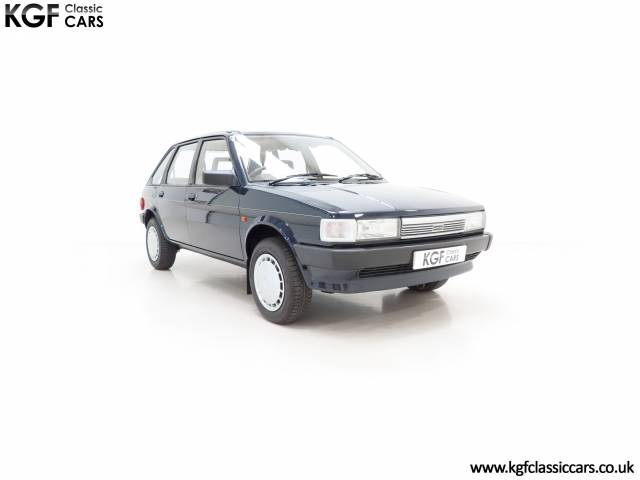
2001 | Rover Maestro
An Astonishing Austin Rover Ledbury Maestro with Only 4,701 Miles.

Create search alert
Let yourself be notified as soon as a listing is published that matches your search filters.
Create listing
Do you have a Rover Maestro that you want to sell? Then create a listing now.
Create listingRover Maestro Classic Cars: Prices & Market Values
History of the Rover Maestro
The Maestro's journey began in 1982 under the Austin brand, serving as a small family car designed to take over from earlier models like the Austin Maxi and Allegro. Production at Cowley, Oxford, saw both hatchback and van variants, and over its lifespan more than 600,000 examples left the line. In 1988, the Rover Group continued sales under the Maestro name. The most unusual chapter in the car’s history belongs to the Ledbury Maestro. Intended initially for assembly in Bulgaria as part of Project Enterprise, shifting economics meant 621 KD kits were instead imported and assembled in Ledbury, UK. Sold as one of the most affordable new cars in Britain, the Ledbury Maestro became an oddity cherished by those drawn to its story and simplicity.
Model Series History
The Maestro replaced both the Austin Maxi and Allegro as BL's practical new hatchback. When MG joined the model range in 1983, the sporty Maestro offered more spirited variants through the 1980s. By the late 1980s and early 1990s, only the basic Rover Maestro remained—clubman-spec, practical and robust. The Ledbury Maestro was the result of KD sets originally intended for Bulgaria, but post-project, assembled in the UK and sold into the early 2000s. There was no direct successor; Rover shifted focus to other platforms.
Highlights of the Rover Ledbury Maestro
The Ledbury Maestro stands out for its unusual production route, distinctive for having been assembled in kit form not in the UK’s heartland, but first destined for Bulgaria and ultimately built in Ledbury. Unfussy clubman equipment, right-hand drive conversion, raised Diesel-spec suspension, and three characteristic colour options (White Diamond, Flame Red, Midnight Blue) define the car. Practical features like a large glasshouse, boot-mounted VIN plate, sturdy bodywork, and economical 62 PS 1.3-litre A-Plus petrol engine made it straightforward and reliable. The five-speed VW-based manual gearbox and factory 14-inch steel wheels round out a package designed to be rugged, inexpensive to run and easy to maintain.
Technical Data
Special Editions and Collectible Models
The Ledbury Maestro is itself a remarkable special edition. Only 621 units were completed from knock-down kits originally intended for Bulgarian assembly. Its combination of British final assembly, unusual production tale, and unique specification make it particularly distinctive among Maestros—especially with right-hand drive conversion and details like the all-silver coachlines and specific paint codes.
Weak Spots and Common Issues
While the Ledbury Maestro is known for low running costs and relative simplicity, special attention should be paid to the integration quality of right-hand drive conversions. Interior trim elements sometimes mismatch in colour or quality due to the late kit-assembly process. As with all Maestros, rust inspection at wheel arches, sills, and mounting points is essential. Look for wear on steering components and ensure the brake hydraulics function correctly. A-Plus engines generally prove reliable but benefit from regular servicing and attention to camshaft timing and cooling system health.
Engine and Performance, Transmission and Handling
The heart of the Ledbury Maestro is the 1.3-litre A-Plus petrol engine, famed for reliability and frugal real-world consumption. In everyday driving, the 62 PS output combined with a light kerb weight ensures responsive behaviour around town, while the five-speed VW-origin transmission shifts smoothly. Diesel model running gear yields additional ride height—well-adapted to rougher environments but also contributing a distinctive stance. Handling is predictably safe, with moderate body roll and good all-round visibility. The disc-brake system ensures solid stopping, matching its family-hatch mission. - Rover Ledbury Maestro 1.3 (62 PS): notable for unique final assembly and elevated chassis.
- MG Maestro (not Ledbury): for those seeking sportier performance (not featured here).
Interior, Comfort, Exterior and Design
Design-wise, the Ledbury Maestro is a quintessential product of early 1990s Britain: boxy but thoughtfully practical. The hatchback body ensures maximised usable space, while the large windows flood the cabin with light and create an airy feel with superb visibility. Flint-finished Sports Crayons seat upholstery distinguishes the plain, functional cabin, and variations in trim colour are a quirk of the kit-style conversion process. Factory features include a heated rear screen, tailgate wiper, manual choke, child-locks, adjustable seatbelts, lockable glovebox, and dealer-fit rubber floor mats. Externally, the silver coachline trim and trio of available paint shades make each Ledbury Maestro distinct. High-gloss finishes and robust plastics reflect the workmanlike approach of its build era.
Other Relevant Features
Oddities of the Ledbury Maestro include its combination of continental instrumentation (km/h speedometer in a right-hand drive car), luggage area-mounted chassis tags, and a parts mix not always found in other Maestro variants. An array of practical factory and dealer accessories, such as original Rover rubber mats, further adds to the car’s pragmatic character. Boot floors are commonly stamped with visible VIN details as part of the conversion process.
Summary
The Rover Ledbury Maestro occupies a unique niche in classic family motoring: assembled from kits meant for Bulgaria but completed in Herefordshire, it exemplifies resourcefulness and utility. With its blend of rugged A-Plus mechanics, clubman features and a distinctly back-to-basics charm, it remains a sought-after choice among classic British car enthusiasts who appreciate rarity born of unusual circumstances.