Rover 16 Classic Cars for Sale
The Rover 16 stands out as a high-quality British saloon from the pre- and post-war period, with a distinctive six-cylinder engine and elegantly restrained design. Known for its refined drive and advanced features, it appeals to enthusiasts seeking a sophisticated classic car experience.
Search results
Currently, there are no matching listings for your search.
Create search alert
Let yourself be notified as soon as a listing is published that matches your search filters.
Create listing
Do you have a Rover 16 that you want to sell? Then create a listing now.
Create listingRover 16 listing references from Classic Trader
Below you will find listings related to your search that are no longer available on Classic Trader. Use this information to gain insight into availability, value trends, and current pricing for a "Rover 16" to make a more informed purchasing decision.
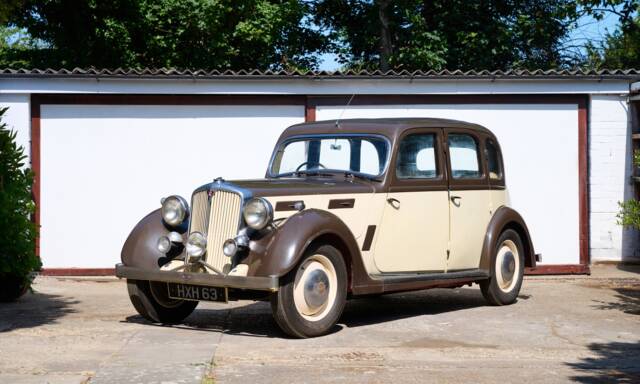
1947 | Rover 16 P2
1947 Rover 16 Saloon

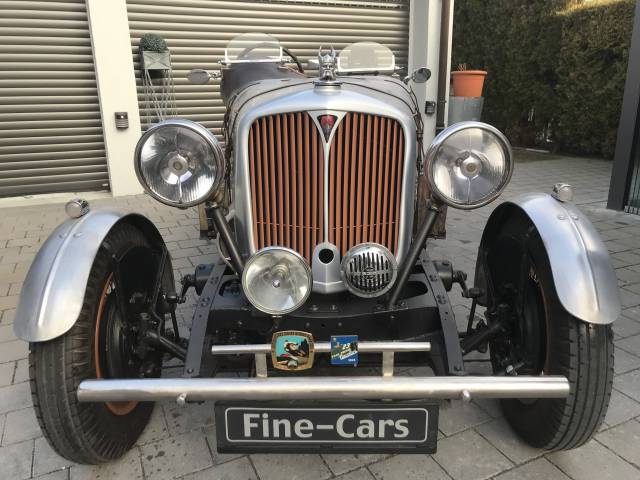
1938 | Rover 16 P2
Rover 16HP Pre-War FIFA Papers Frame-Off-Aufb. 6-Zyl.

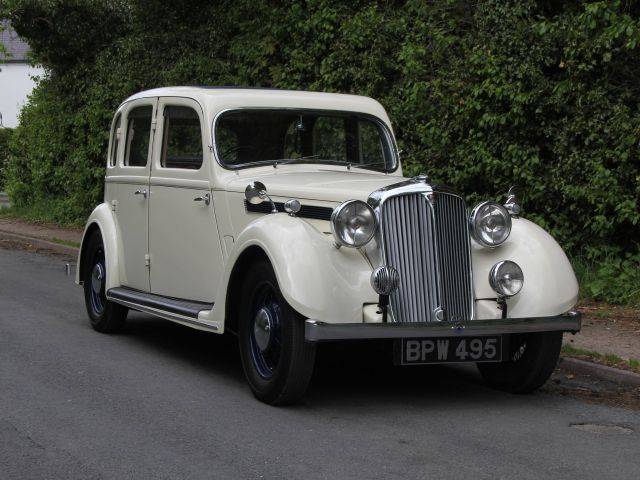
1937 | Rover 16 P2
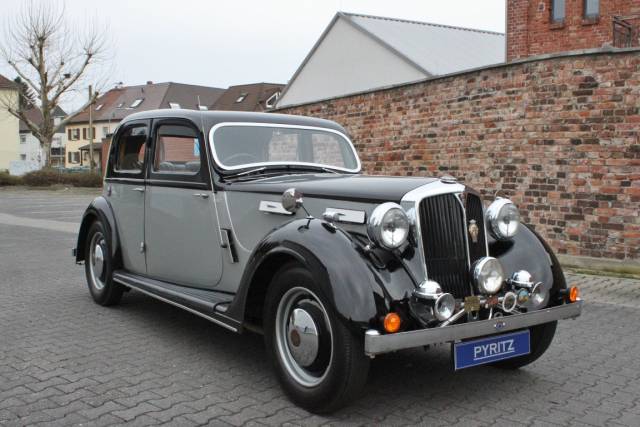
1946 | Rover 16 P2
A Class of its Own
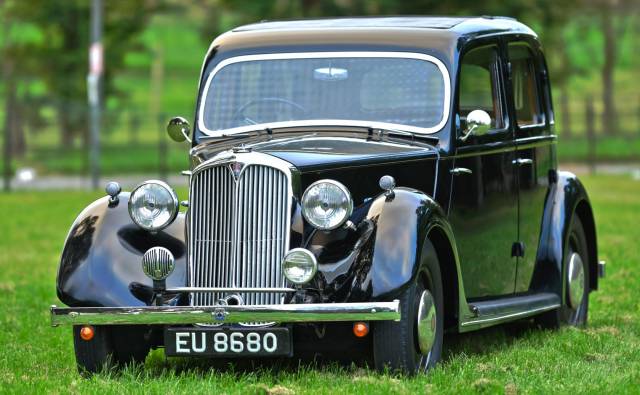
1947 | Rover 16 P2
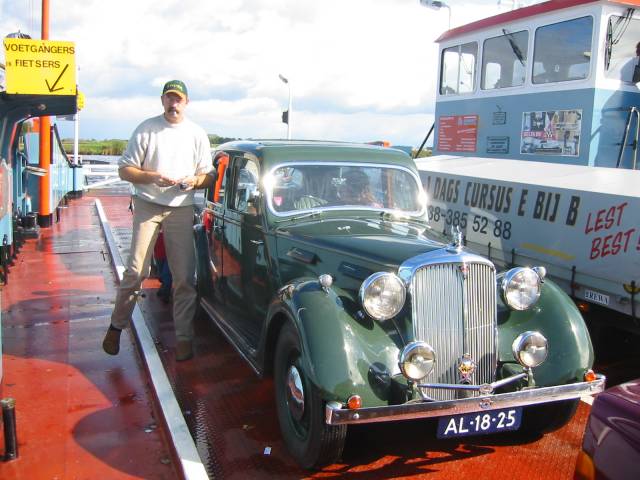
1947 | Rover 16 P2

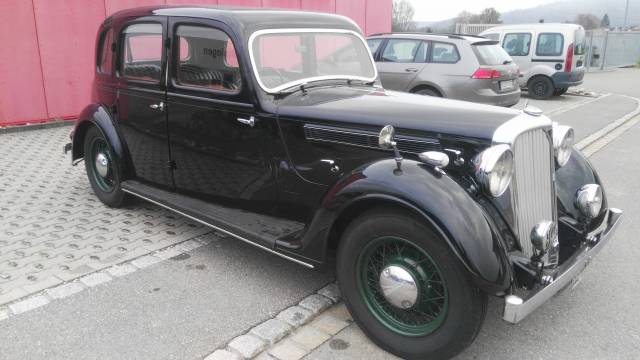
1937 | Rover 16 P2
P2 HP 16 Umfassend restauriert mit Patina. Viele Ersatzteile und Zubehör.

Create search alert
Let yourself be notified as soon as a listing is published that matches your search filters.
Create listing
Do you have a Rover 16 that you want to sell? Then create a listing now.
Create listingRover 16 Classic Cars: Prices & Market Values
History of the Rover 16
The Rover 16 traces its origins to the late 1920s, with two separate production runs: first as the Rover 16/50 from 1926 to 1929, and later, from 1936 to 1947, as the Rover 16. Developed as a mid-sized saloon, it played a significant role in reestablishing Rover’s reputation for engineering excellence before and after World War II. Notably, the P2-16 became the first postwar model produced by Rover. This period was characterised by the British auto industry's leadership in both design and quality, placing each Rover 16 firmly at the front of the era's saloon car innovations.
Model History
Early Rover 16/50 models were known for their solid construction and conservative bodywork, often fitted with smaller four-cylinder engines. However, the Rover P2-16, introduced in 1936, represented a significant step forward, especially with the introduction of a durable and smooth-running six-cylinder engine. The extended bonnet became a hallmark of this model, accommodating the larger engine and enhancing both styling and performance. The 16 was succeeded by later models as the brand evolved, but the P2-16 remains a stand-out, serving as a showcase vehicle following Rover’s acquisition by BMW in the 1990s.
Highlights of the Rover 16
Distinctive features set the Rover 16 apart, including a silkily smooth six-cylinder engine that delivers generous torque. The saloon’s aerodynamic silhouette—low-set and slightly crouched—offers both a sporting elegance and classic British refinement. Innovations such as a four-speed gearbox with freewheel function, an easily shiftable transmission, and excellent ventilation through an opening windscreen, large sunroof, and side air vents provide practicality as well as comfort. Thoughtful details such as neatly integrated fog lamps, indicators, and, for export models, a factory km/h speedometer, reinforce the model's attention to different markets.
Technical Data
Special Editions and Collectible Models
The export versions of the Rover 16, often destined for markets such as Belgium—sometimes distributed via Rover dealers in Brussels—offer unique features including factory-fitted km/h speedometers and options like dual foglamps. Select vehicles have retained historic British and Belgian registration features, making them attractive to collectors seeking a piece of cross-European motoring history.
Weak Spots and Common Issues
No detailed weaknesses or common issues have been specifically documented for the Rover 16 in the provided sources. Classic car buyers should perform the usual due diligence, checking for bodywork integrity and drivetrain condition commensurate with age and usage.
Engine, Performance, Transmission, and Handling
The Rover 16’s six-cylinder engine is regarded for its silky running and ample torque, supporting a relaxed yet responsive driving experience. The four-speed gearbox, equipped with a freewheel function, ensures smooth transitions between gears, and its design allows for easy and intuitive shifts. Handling benefits from a thoughtfully engineered chassis focused on ride comfort and stability, supported by the vehicle’s substantial, well-balanced proportions. Highlight: The Rover P2 Sports Saloon variant stands out due to its combination of sporting aesthetics and comfort-oriented equipment, aided by a six-cylinder powerplant and practical four-door layout.
Interior, Comfort, Exterior, and Design
The Rover 16’s design reflects traditional British luxury, with a four-window, low-slung silhouette reminiscent of the era's Hastings Coupé styling. The extended bonnet and elegant overall proportions create a sense of understated opulence. Inside, the car features a practical combination of premium materials, a large sunroof, advanced ventilation via side vents and an opening windscreen, and, depending on specification, unique export equipment such as kilometre-based speedometers. Details like directional indicators in the door pillars, twin front foglamps, and carefully crafted interior touches underline the attention Rover paid to both form and function.
Other Features
Original workshop manuals and parts lists for the Rover 16 remain available, supporting maintenance and restoration efforts. Many vehicles keep distinctive historic details, including original British tax discs and customs seals for Belgian-delivered examples. In the 1990s, select P2-16 models served as showcase restoration projects after BMW's acquisition of Rover, further underlining the model’s lasting prestige among marque enthusiasts.
Summary
The Rover 16, particularly in P2-16 specification, offers a compelling mix of refined British engineering, spacious and comfortable design, and a richly detailed driving environment. Its strong presence in both supply and demand on the classic car market demonstrates that this vehicle attracts collectors who value authentic postwar elegance combined with practical usability and period-specific charm.